
Pruning
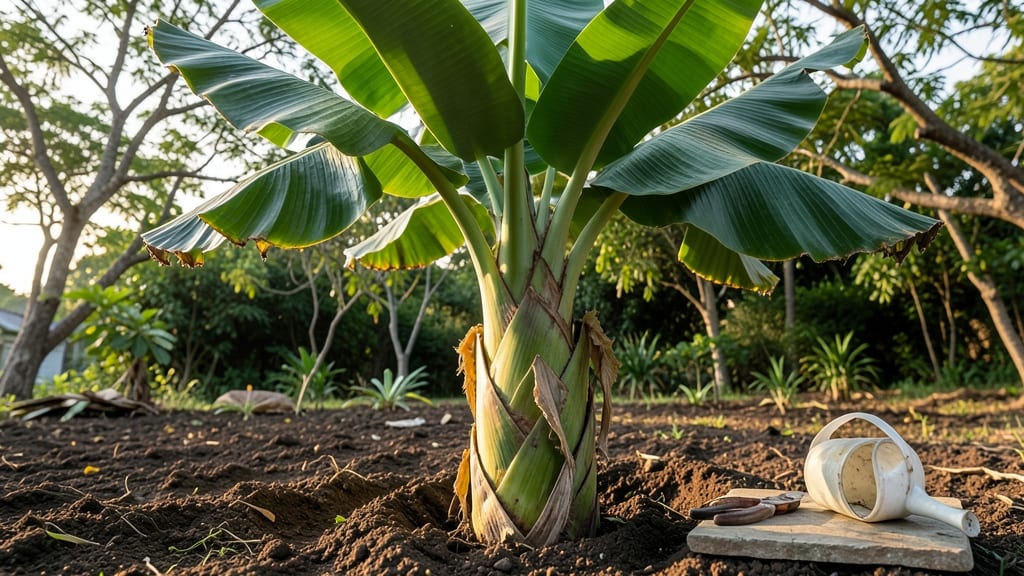
The Orinoco banana tree thrives where others freeze—its cold tolerance makes it the Pacific Northwest's secret weapon for tropical-style foliage. I’ve grown mine through three winters without a single leaf lost, and the key lies in how you prune.
This isn’t your average banana tree; it’s the hardy cousin that keeps growing when frost hits other varieties.
Start with the right tools: sharp pruners, rubbing alcohol for sterilization, and a thick layer of mulch to shield roots. The pruning itself is simple—remove dead fronds at the base, trim back any damaged growth, and always cut just above a visible bud.
My tree now produces new fronds by early spring, while neighbors’ tropical plants still look half-dead.
What you’ll end up with is a banana tree that looks lush year-round, even after frost. The leaves stay glossy green, the trunk thickens with each season, and—if you’re lucky—you might even get small, edible bananas.
The real magic happens when you prune correctly: stronger growth, fewer pests, and a plant that outlasts the winter.
Works just as well in containers for patios or against south-facing walls. Whether you’re in Seattle or Portland, this method keeps your Orinoco banana thriving when others give up. Ready to prune like a pro?
📚 In This Guide
- What you need
- Instructions
- Tips and common mistakes
- Wrapping up and next steps
What you need
- ● Pruning shears: Bypass pruners (sharp, sterilized with rubbing alcohol) for clean cuts.
- ● Hand pruners: Small, ergonomic pair for delicate trimming (e.g., Fiskars or Felco).
- ● Loppers: 1 pair (for thicker stems, 16-20 inches reach).
- ● Gloves: Heavy-duty, cut-resistant (e.g., Mechanix Wear).
- ● Disinfectant: 70% isopropyl alcohol or bleach solution (1 part bleach : 9 parts water).
- ○ Pruning sealant: Optional but helpful (e.g., Tanglefoot Tree Wound Pruning Seal).
- ● Heavy-duty trash bags: 2–3 (for debris; 13-gallon capacity recommended).
- ● Ladder: Extendable (8–12 ft, non-slip feet).
- ● Work clothes: Long sleeves/pants (banana sap can irritate skin!).
- ● Safety goggles: Protects eyes from sap or debris.
- ● Hose or spray bottle: For rinsing tools/sap off hands.
- ● Mulch: Straw or wood chips (2–3 inches) to insulate roots post-pruning.
- ● Fertilizer: Balanced 10-10-10 or banana-tree-specific (e.g., Espoma Organic Banana Tree Food).
- ● Cold-frame or row cover: For light frost protection (if pruning late fall).
Step-by-Step guide to pruning your Orinoco banana tree
Here's how I keep my hardy Orinoco banana thriving through PNW winters—without losing that tropical look.
Time Your Pruning for Maximum Frost Resistance
Prune your Orinoco banana in late winter or early spring, just as new shoots begin to emerge but before true growth starts. This timing ensures the tree has energy stored in its trunk to regenerate leaves after dormancy. In the Pacific Northwest, aim for February or March when daytime temperatures consistently stay above 40°F.
Look for the first signs of bud swell at the base of the trunk—that's your cue. If you prune too early, the tree won't have enough reserves to handle winter stress. If you wait too late, you risk damaging new growth when frost arrives. I always mark my calendar with the last frost date in my area as a reminder.
Remove Dead or Damaged Fronds
Start by identifying completely brown or brittle fronds—these won't recover and only drain energy from the plant. Use clean, sharp pruners to cut these back to the pseudostem (the thick, false trunk). Make your cuts at a 45-degree angle, about ½ inch above a healthy leaf node if possible, to prevent water from pooling and causing rot.
Don't remove healthy green fronds, even if they're yellowing at the edges. The Orinoco banana stores nutrients in its leaves, and removing them too soon weakens the plant. I like to leave at least three healthy fronds on the tree at all times to maintain photosynthesis during dormancy.
Thin Out Overcrowded Growth
Next, assess the center of the plant for any pups (suckers) that are growing too close together. The Orinoco banana can produce multiple shoots, but overcrowding leads to weak, spindly growth. Select one or two of the strongest, healthiest pups—these will be the ones with thick stems and vibrant green leaves—and remove the rest by cutting them at the base with your pruners.
Leave the selected pups attached to the main plant until they're at least 12 inches tall with three or four mature leaves. This ensures they've established their own root systems before you separate them. I usually thin in two stages: first cut back excess growth in late winter, then transplant the strongest pups in early spring.
Shape the Tree for Wind Resistance
The Orinoco banana's broad fronds can tear in PNW winds, so prune to create a more compact, sturdy shape. Remove any weak or crossing branches that rub against each other, as these create entry points for disease. Focus on outer fronds first, cutting them back by ⅓ of their length to reduce wind catch.
Pay special attention to the top of the tree, where fronds often grow unevenly. Trim back the tallest fronds slightly to encourage a balanced canopy. Avoid heavy pruning at the top—this can expose the growing point to cold. Instead, focus on gradual shaping to maintain the tree's natural form while improving its resilience.
Clean Up and Protect for Winter
After pruning, remove all debris from the base of the plant and surrounding area. This prevents pests and diseases from overwintering near your banana tree. I use a sterilized rake to clear away fallen leaves and fronds, then dispose of them in the trash—not the compost, where pathogens can survive.
Apply a 2-3 inch layer of mulch around the base of the tree (but not touching the trunk) to insulate the roots. Use straw or shredded bark, which breaks down slowly and retains moisture. In particularly cold PNW winters, I also wrap the lower trunk with burlap to shield it from freezing temperatures. Water deeply before mulching to help the tree store moisture for dormancy.
Tips & tricks for pruning your Orinoco banana tree
A few key strategies will help you prune like a pro and keep your Orinoco banana thriving through PNW winters.
Timing is Everything: The February or March window is critical because it gives your tree time to store energy before true growth begins. I check my local last frost date and mark my calendar to prune exactly one week after that date—this ensures the tree has enough warmth to recover but isn't stressed by late frosts. If you're unsure about your local microclimate, observe your tree's bud swell at the base of the trunk—that's your definitive cue to prune.
Pruning Technique Matters: When cutting back fronds in Step 2, make sure your pruners are clean and sharp to prevent tearing. I always sterilize my tools with rubbing alcohol before use, and I cut at a 45-degree angle about ½ inch above a healthy leaf node. This angle helps water run off instead of pooling at the cut, which prevents rot. For the pseudostem cuts, go all the way through the thick false trunk—partial cuts can lead to disease entry points.
Leave the Right Fronds: Don't be tempted to remove all the yellowing fronds—leave at least three healthy ones to maintain photosynthesis during dormancy. I've learned this the hard way: after removing too many in one go, my tree struggled to recover its energy stores. Focus on completely brown or brittle fronds only, as these won't recover and are just draining the plant's resources.
Wind Protection Strategy: For Step 4's wind resistance shaping, I recommend cutting outer fronds back by one-third rather than trying to make drastic changes. This gradual approach strengthens the tree's structure without exposing the growing point to cold. In particularly windy PNW locations, I also add a bamboo stake system after pruning to provide temporary support during the tree's recovery period.
Pro Tips for Orinoco Banana Tree
- A few key strategies will help you prune like a pro and keep your Orinoco banana thriving through PNW winters.
- Timing is Everything: The February or March window is critical because it gives your tree time to store energy before true growth begins.
- Pruning Technique Matters: When cutting back fronds in Step 2, make sure your pruners are clean and sharp to prevent tearing.
Frequently asked questions
Can Orinoco banana trees survive winter frost in the PNW?
The Orinoco banana tree (Musa velutina) is one of the hardiest banana varieties, tolerating brief dips to 20°F (-7°C) with proper care. In the PNW, protect young plants with burlap wraps or move potted trees to a sheltered garage. Established trees often recover from light frost, but avoid prolonged cold snaps. Pro tip: Mulch heavily around the base for extra insulation!
How do I prune an Orinoco banana tree safely?
Prune in late winter or early spring before new growth starts. Cut dead or damaged leaves at the base with sterilized pruners, leaving the pseudostem intact. For overgrown trees, remove no more than 1/3 of the fronds to avoid stress. Warning: The pseudostem is hollow—wear gloves to avoid sap irritation!
How long does it take for an Orinoco banana tree to fruit?
With ideal conditions, Orinoco banana trees produce fruit in 2–3 years from planting. In the PNW, growth may slow slightly, but patience pays off! Ensure full sun (6+ hours) and well-draining soil. Once mature, expect small, sweet bananas (about 4–6 inches long) in late summer or fall.
What’s the best alternative if Orinoco bananas don’t thrive?
If your Orinoco struggles with PNW winters, try these frost-tolerant alternatives:
- Dwarf Cavendish – More cold-hardy (down to 25°F/-4°C) and faster-growing.
- Red Dacca – Hardy to 25°F (-4°C) with striking red fruit.
- Japanese Banana (Musa basjoo) – Ornamental, non-fruiting, and survives to 15°F (-9°C).
Why are my Orinoco banana leaves turning yellow?
Yellowing leaves usually signal overwatering, poor drainage, or nutrient deficiencies. Check soil moisture—Orinoco trees prefer slightly dry conditions between waterings. Amend soil with compost and ensure pots have drainage holes. Yellow edges? Likely fluoride toxicity from tap water—use rainwater or distilled H₂O instead.
Wrapping up and next steps
Pruning your Orinoco banana tree in the Pacific Northwest doesn’t have to be intimidating—it’s all about timing, technique, and a little patience! 🌱 By following the right steps, you’ll encourage frost-resistant growth, boost fruit production, and keep your tropical beauty thriving year-round.
Whether you’re a beginner or a seasoned gardener, these tips will help you master the art of pruning with confidence.
Ready to give your Orinoco banana tree the care it deserves? Grab your tools, mark your calendar, and start pruning today! Your future harvests—and happy, healthy plant—will thank you. 🍌✨