
Pruning
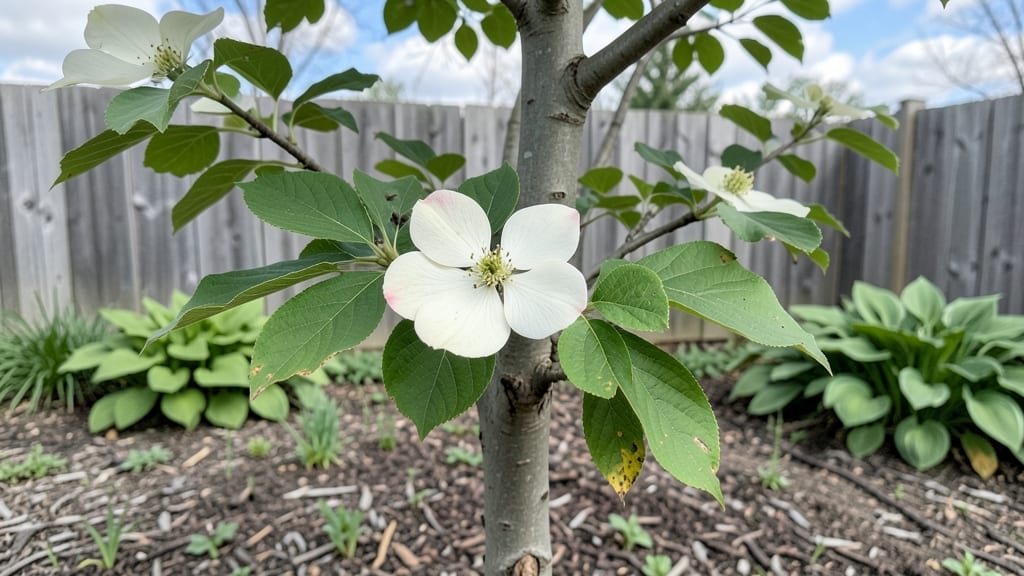
Caring for a dogwood tree in the Pacific Northwest means embracing its frost-resistant nature while giving it the right conditions to thrive. 🌿 I’ve watched mine survive winters with just a dusting of snow, then burst into spring blooms that outshine everything else in the yard.
The key isn’t just about toughing out the cold—it’s about the soil, sunlight, and timing that let these trees shine.
Dogwoods love well-draining soil rich in organic matter, and they’ll reward you with vibrant blooms if planted in partial shade to full sun. Watering matters too—deep soakings once a week during dry spells keep roots happy without drowning them.
Pruning in late winter or early spring, before new growth starts, is where the magic happens for shaping and health.
You’ll end up with a tree that’s sturdy, picturesque, and full of life, whether it’s the classic white blooms of Cornus florida or the deep pinks of Cornus nuttallii.
The best part? Once established, they handle frost like a champ, making them the perfect low-maintenance star for your landscape.
From planting to pruning, I’ll walk you through every step—no green thumb required. Whether you’re starting fresh or troubleshooting an established tree, this guide keeps it simple and effective for PNW gardeners.
📚 In This Guide
- What you need
- Instructions
- Tips and common mistakes
- Wrapping up and next steps
What you need
- ● Pruning shears (bypass or anvil type) – Sharp, clean, and sized for small to medium branches (6–8 inches long).
- ● Loppers – For thicker branches (1–2 inches in diameter), with a 10–12-inch cutting range.
- ● Pruning saw – Handheld or folding saw for branches over 2 inches thick. Look for a curved blade for precision.
- ○ Extension pole pruner – Optional but helpful for high branches (10–15 feet reach).
- ● Garden gloves – Heavy-duty, cut-resistant gloves (e.g., leather or synthetic blend) to protect your hands.
- ● Ladder or step stool – Sturdy, non-slip, and tall enough to reach branches safely (10+ feet for mature trees).
- ● Disinfectant (70% isopropyl alcohol or bleach solution) – 1 part bleach to 9 parts water for sterilizing tools between cuts.
- ● Rags or paper towels – For wiping tools clean and dry.
- ○ Tree wound dressing – Optional for large cuts (controversial in horticulture, but some swear by it for sealing wounds).
- ● Marking spray or paint – For flagging branches to remove (e.g., bright pink or yellow).
- ● Safety glasses – To shield eyes from debris, especially when using a saw.
- ● First-aid kit – Just in case—because safety first!
Step-by-Step instructions for cultivating Pacific Northwest dogwood trees
Here's how I've successfully grown hardy dogwoods that thrive in our region's unique climate.
🌱 Step 1: Select and Prepare the Planting Site
Dogwoods prefer partial shade—at least 4-6 hours of morning sun with afternoon shade protection. In the Pacific Northwest, this means avoiding full sun spots where afternoon heat can stress young trees. I always test the site by checking soil moisture in summer—if it stays damp for more than 24 hours, the location is ideal.
Dig a hole twice as wide as the root ball but only as deep. Loosen the sides of the hole with a shovel to encourage root spread. Amend the native soil with 2-3 inches of compost mixed into the bottom of the hole. This improves drainage while retaining moisture—a critical balance for dogwoods in our wet climate.
☀️ Step 2: Plant at the Right Time and Depth
Fall planting is best for our region, giving roots time to establish before winter. If planting in spring, do it 4-6 weeks before the last frost date—around mid-March in most of the PNW. Position the tree so the top of the root ball sits 1-2 inches above ground level. Dogwoods hate having their trunks buried, which causes rot.
Backfill with native soil mixed with compost, tamping gently as you go. Water deeply to settle the soil around roots, then create a 2-3 inch deep watering basin around the perimeter. This ensures water reaches the root zone rather than running off. Mulch with 3-4 inches of wood chips, keeping it 6 inches away from the trunk to prevent moisture buildup.
💧 Step 3: Establish a Consistent Watering Routine
Water deeply once a week during the first growing season, providing 1-2 gallons per inch of trunk diameter. You'll know you're doing it right when water drains 6-8 inches deep into the soil. In summer, increase to twice weekly if temperatures exceed 85°F, but check soil moisture first—dogwoods hate soggy roots.
I always water in the early morning to reduce evaporation and fungal risks. Avoid overhead watering once leaves appear—direct moisture on foliage promotes powdery mildew. Instead, use a soaker hose or drip irrigation placed at the tree's drip line.
✂️ Step 4: Prune for Structure and Health
Wait until late winter or early spring before buds swell to prune. Remove dead, diseased, or crossing branches first—these are the easiest to spot when the tree is dormant. Cut back to the collateral bud (the one that faces outward) to encourage an open canopy. Dogwoods naturally grow with a single trunk, so avoid heading cuts that create multiple leaders.
Thin out 20-30% of the interior branches to improve airflow and light penetration. This prevents fungal issues common in dense canopies. Never remove more than one-third of the canopy in a single year—dogwoods are sensitive to heavy pruning stress. Sterilize pruning tools with 70% rubbing alcohol between cuts to prevent disease spread.
🌿 Step 5: Protect and Maintain Through Seasons
In winter, apply 4-6 inches of mulch around the base (but not touching the trunk) to insulate roots from freeze-thaw cycles. Dogwoods are more cold-hardy than many realize, but young trees benefit from this extra protection. Watch for dogwood anthracnose—a fungal disease that causes leaf spots and wilting. If you see dark, sunken lesions, remove affected leaves and apply neem oil as a preventive spray in early spring.
Fertilize lightly in early spring with a balanced 10-10-10 formula, applying ½ pound per inch of trunk diameter. Over-fertilizing leads to weak wood and attracts pests. Monitor for borers—small holes in bark are their first sign. If you spot them, inject beneficial nematodes into the soil around the tree's drip line to control populations naturally.
Tips & tricks for perfect Pacific Northwest dogwood care
These pro-level insights will help you cultivate thriving dogwoods that withstand our region's unique climate challenges.
Site Selection Secret: When testing soil moisture in Step 1, use a simple screwdriver test—if it takes more than 24 hours for the hole to dry out, you've found the perfect spot. Dogwoods in the PNW thrive in this consistently moist-but-well-drained environment. I've found that morning sun exposure is especially critical in our coastal areas where afternoon fog can linger.
Planting Depth Precision: The 1-2 inch elevation above ground level in Step 2 is non-negotiable—dogwoods develop root rot when their trunks are buried. Use a level to verify this positioning, especially on sloped sites where erosion can bury the trunk over time. I always check this with a simple string level after backfilling.
Watering Technique: For the 1-2 gallons per inch of trunk diameter in Step 3, I recommend using a rain gauge to measure your watering depth. The water should penetrate to 6-8 inches—this ensures roots establish properly. In our wet climate, the real challenge is avoiding overwatering, not underwatering. I always check soil moisture with my finger before watering again.
Pruning Timing: The late winter/early spring window in Step 4 is crucial for preventing fungal infections. I wait until buds begin to swell but haven't opened yet—this is when the tree's natural defenses are strongest. Sterilizing tools with rubbing alcohol between cuts prevents spreading any latent diseases that might be present in the tree.
Pro Tips for Dogwood Tree Care
- These pro-level insights will help you cultivate thriving dogwoods that withstand our region's unique climate challenges.
- Site Selection Secret: When testing soil moisture in Step 1, use a simple screwdriver test—if it takes more than 24 hours for the hole to dry out, you've found the perfect spot.
- Planting Depth Precision: The 1-2 inch elevation above ground level in Step 2 is non-negotiable—dogwoods develop root rot when their trunks are buried.
Frequently asked questions
How cold can dogwood trees handle in the PNW?
Most dogwood varieties, like Cornus florida and Cornus nuttallii, tolerate temperatures down to -10°F to -20°F with proper care. Young trees benefit from winter mulch (3–4 inches of shredded bark) to shield roots. Pro tip: Avoid heavy pruning in late winter—wait until early spring when new growth signals safety!
When is the best time to prune dogwood trees in the PNW?
Prune late winter to early spring (February–March), just as buds swell but before leaves emerge. This timing prevents disease spread (like anthracnose) and encourages vibrant blooms. Skip summer pruning—it stresses the tree and reduces winter hardiness.
What pests or diseases should I watch for in PNW dogwoods?
Common issues include:
- Anthracnose fungus: Brown leaf spots? Prune infected branches immediately and apply copper fungicide in early spring.
- Borers: Look for sawdust-like frass at branch bases. Treat with beneficial nematodes or remove infested wood.
- Powdery mildew: White residue on leaves? Improve airflow and spray with neem oil.
Can I grow dogwoods in containers or small yards?
Yes! Dwarf varieties like Cornus kousa ‘Saturn’ thrive in containers (15–20 gallon pots) with well-draining soil. For small yards, plant near patios or foundations—just ensure 6+ feet of space for mature roots. Container hack: Use a mycorrhizal fungus at planting to boost root health!
What’s the best alternative if my dogwood keeps dying?
If your dogwood struggles with wet soil, pests, or poor drainage, try these PNW-friendly alternatives:
Tree
Why It Works
Oregon grape (Mahonia aquifolium)
Drought-tolerant, thrives in shade, and handles clay soil.
Serviceberry (Amelanchier alnifolia)
Edible berries, early spring blooms, and zone 3 hardiness.
Pacific dogwood (Cornus nuttallii)
Native to the PNW—more frost-resistant than Cornus florida!
Wrapping up and next steps
Caring for your dogwood tree in the Pacific Northwest’s frosty climate is all about patience, proper pruning, and proactive protection—and you’ve got this! 🌿 With the right tools, timing, and techniques, your tree will thrive, gracing your garden with stunning blooms and resilient growth for years to come.
Ready to take the next step? Schedule a seasonal check-in—whether it’s pruning in late winter or wrapping young trees before the first frost. Your dogwood’s future starts with one small action today!