
Pruning
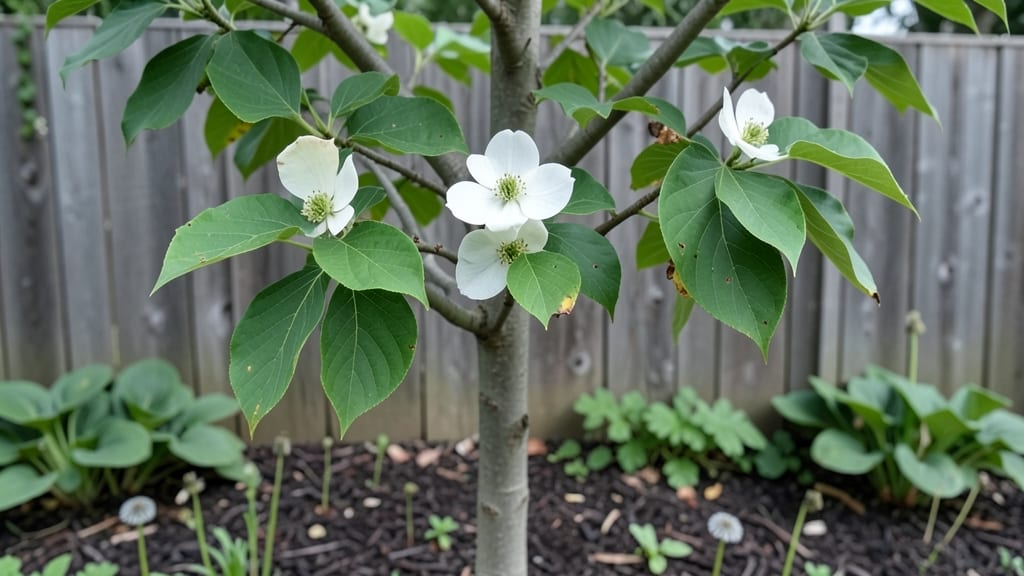
Finding the perfect dogwood tree near you in the Pacific Northwest means choosing varieties that handle our damp winters and mild summers with ease. ✨ I’ve planted three different types here—Pacific dogwoods, Kousa dogwoods, and the rare mountain dogwood—and the Kousa stands out for its frost resistance and stunning pink blooms that arrive even before the last frost.
The key to selecting the right dogwood starts with your yard’s microclimate. Pacific dogwoods thrive in moist, well-drained soil near water features, while Kousa dogwoods adapt to drier spots and urban gardens.
Local nurseries like Bare Root Trees or Willamette Nursery carry region-specific stock, and their staff can help match your soil type to the best variety.
Once planted, your dogwood will become the showstopper of your garden—imagine spring blooms that last weeks, followed by glossy foliage and vibrant fall color. The pruning guide I’ll share keeps them healthy for decades, with minimal effort.
You’ll end up with a tree that’s both practical (shade in summer, windbreak in winter) and breathtaking.
Whether you’re adding a specimen tree to your lawn or layering dogwoods into a mixed border, these varieties blend seamlessly with native ferns, rhododendrons, and evergreens. Let’s get your yard ready for that signature Pacific Northwest charm.
📚 In This Guide
- What you need
- Instructions
- Tips and common mistakes
- Wrapping up and next steps
What you need
- ● Pruning shears: Sharp, bypass-style shears (for small branches, 3–5 inches in diameter). Pro tip: Clean blades with rubbing alcohol to prevent disease spread! 💡
- ● Loppers: 1 pair (for medium branches, 5–12 inches in diameter). Look for ratcheting or bypass types for precision.
- ● Pruning saw: A curved-tooth saw (for thick branches, 12+ inches). Avoid cheap tools—smooth cuts heal faster! ✨
- ● Gloves: Heavy-duty, cut-resistant gloves (e.g., mechanics’ or pruning gloves) to protect your hands.
- ● Disinfectant: 70% isopropyl alcohol or a pruning sealant (like Tanglefoot Pruning Seal) to sterilize tools between cuts.
- ● Ladder or step stool: A sturdy, extendable ladder (if your tree is 6+ feet tall). Safety first! 🚧
- ○ Twine or zip ties: For temporarily securing branches during pruning (optional but helpful for large cuts).
- ● Work gloves with grip: For extra comfort on damp days.
- ● Pruning paint: (e.g., Tree Seal) to seal large cuts and prevent disease.
- ● Extension pole saw: If your tree is tall or dense (e.g., Fiskars X27).
- ● Safety glasses: To shield eyes from debris.
- ● Notebook & pen: To sketch your tree’s structure before pruning—visual planning saves time! 📝
Step-by-step guide to pruning frost-resistant dogwoods in the Pacific Northwest
Here’s how to keep your Pacific Northwest dogwoods thriving through winter and beyond.
✂️ Step 1: Time Your Pruning for Late Winter Dormancy
Prune your dogwoods 4-6 weeks before your region’s last expected frost, typically February to early March in the Pacific Northwest. This timing ensures the tree has time to heal wounds before spring growth begins. Avoid pruning in fall—late cuts leave vulnerable wood exposed to winter cold and disease.
Look for dormant buds that haven’t yet swollen. These signal the tree is still in its protective rest phase. If you see new leaf buds forming, you’ve waited too long. Use sharp bypass pruners to make clean cuts just ¼ inch above a healthy bud—never leave stubs, as they invite rot.
🌿 Step 2: Remove Dead, Diseased, or Crossing Branches First
Start by eliminating dead, diseased, or damaged branches—these are the most critical cuts. Diseased wood often appears as blackened, mushy tissue or branches with peeling bark. Remove these entirely at the branch collar (the swollen area where the branch meets the trunk) to prevent spread.
Next, target crossing or rubbing branches—these create wounds that weaken the tree. Use a 3:1 ratio when making cuts: remove a branch 3 inches back from the trunk for every 1 inch of branch diameter. This helps the tree seal the wound faster. If a branch is larger than ½ inch in diameter, consider hiring a professional to avoid stressing the tree.
☀️ Step 3: Thin the Canopy for Better Airflow and Light
Dogwoods thrive with open, airy canopies—this reduces humidity and prevents fungal issues like powdery mildew. Focus on selective thinning to improve light penetration to the inner branches. Aim to remove no more than 25% of the tree’s foliage in a single pruning session to avoid shocking it.
Look for branches that grow straight up or inward—these often block sunlight from reaching lower leaves. Cut these back to a side branch or bud that grows outward. Step back frequently to visualize the tree’s shape. Your goal is a balanced, vase-like silhouette that lets light filter through evenly.
⏰ Step 4: Fertilize and Mulch After Pruning
Once pruning is complete, fertilize lightly with a balanced, slow-release fertilizer (10-10-10 ratio) to support new growth. Apply it 6 inches away from the trunk and water it in deeply. Dogwoods are shallow-rooted, so they benefit from top-dressing (spreading fertilizer on the soil surface) rather than deep digging.
Add 3-4 inches of organic mulch (like wood chips or shredded bark) around the base, keeping it 6 inches away from the trunk to prevent rot. Mulch helps insulate roots during late-winter frosts and retains moisture during the dry Pacific Northwest summers. Water the tree deeply once a week until rainfall resumes, ensuring the soil stays evenly moist but not soggy.
🌱 Step 5: Monitor for Spring Regrowth and Adjust as Needed
By late March to April, you should see new leaf buds swelling—this is your cue that the tree is recovering well. If you notice yellowing leaves, stunted growth, or dieback, it may signal over-pruning or stress. In this case, reduce future cuts and focus on hydration and soil health.
Pacific Northwest dogwoods often face aphid infestations in spring. If you spot sticky residue (honeydew) on leaves, spray with neem oil or introduce ladybugs as natural predators. Avoid heavy pruning in subsequent years unless necessary—dogwoods respond best to minimal, strategic cuts that maintain their natural form.
Tips & tricks for pruning frost-resistant dogwoods
These expert insights will help you master the art of pruning Pacific Northwest dogwoods while keeping your trees healthy and vibrant.
Timing is Everything: The 4-6 week window before your last frost isn't just a guideline—it's crucial for wound healing. In the Pacific Northwest, this typically means February to early March, but always check your local frost dates. I've seen too many well-intentioned gardeners prune too early, leaving trees vulnerable to late-season cold snaps that can delay healing. If you're unsure about your frost dates, check with your local cooperative extension office—they have precise data for your specific microclimate.
Branch Collar Precision: When removing branches in Step 2, focus on cutting just outside the branch collar—the swollen area where the branch meets the trunk. This might seem like a small detail, but it makes a huge difference in how quickly the tree heals. I learned this the hard way after making sloppy cuts that led to rot. For branches larger than ½ inch, consider using a three-cut method: start with an undercut, then make your final cut outside the collar, and finish by removing the stub. This prevents tearing the bark.
Canopy Visualization: Before making any cuts in Step 3, step back and visualize your tree's silhouette from multiple angles. Dogwoods naturally grow in a balanced, vase-like shape, so aim to maintain that form. I recommend using a garden hose or string to trace the outline of your ideal shape before you start cutting. This helps you see which branches need removal to improve airflow and light penetration. Remember, you're aiming to remove no more than 25% of the foliage—less is often more with these delicate trees.
Post-Pruning Care: After completing your pruning, don't just walk away! The 6 inches away from the trunk for fertilizer application is critical—applying it too close can burn the bark. For mulching, use 3-4 inches of organic material like wood chips, but keep it 6 inches from the trunk to prevent rot. I've found that adding a 2-3 inch layer of compost mixed into the top 2 inches of soil around the drip line (the edge of the tree's canopy) gives an extra boost to these shallow-rooted trees. This combination of proper spacing and quality materials makes all the difference in recovery.
Pro Tips for Dogwood Tree Near Me
- These expert insights will help you master the art of pruning Pacific Northwest dogwoods while keeping your trees healthy and vibrant.
- Timing is Everything: The 4-6 week window before your last frost isn't just a guideline—it's crucial for wound healing.
- Branch Collar Precision: When removing branches in Step 2, focus on cutting just outside the branch collar—the swollen area where the branch meets the trunk.
Frequently asked questions
Got questions about finding, caring for, or pruning dogwood trees in the Pacific Northwest? You’re not alone! Here are some of the most common queries—and their answers—to help you navigate your dogwood journey with confidence.
What’s the best time to prune dogwood trees in the PNW?
Prune your dogwood after flowering but before new growth hardens (late spring to early summer). This timing ensures you don’t cut off next year’s blooms while avoiding late-season pests. Avoid pruning in fall or winter—it stresses the tree and invites disease. Pro tip: If you spot dead branches in winter, trim them then, but wait for spring for major pruning.
How do I find dogwood trees for sale near me in the PNW?
Start with local nurseries specializing in native PNW plants, like Willamette Valley Nursery or Swanson’s Nursery. Check online marketplaces like Etsy or Facebook Marketplace for smaller growers. For rare varieties, contact Washington or Oregon State University Extension offices—they often recommend trusted sources. Ask about: Disease resistance (e.g., Cornus florida vs. Cornus nuttallii).
Are dogwood trees really frost-resistant in the PNW?
Yes! Most PNW-native dogwoods (like Pacific Dogwood) thrive in zones 5–8 and handle light frosts. However, flower buds form the previous summer, so late-season freezes (<32°F) can damage blooms. To protect your tree: Water deeply in fall to build cold tolerance, and avoid heavy pruning in late summer (it stresses the tree before winter).
What if my dogwood’s branches are dying after pruning?
Dying branches often signal dogwood borer (a common PNW pest) or over-pruning. Troubleshoot:
- Check for holes in the bark—borers leave sawdust-like frass.
- Thin the canopy by 10–20% max (never remove >30% at once).
- Apply pruning paint to cuts <2” thick to prevent disease.
- Water at the base if the soil is dry (wilting = stress).
Can I prune my dogwood to encourage bigger flowers?
Yes! To boost bloom size, prune lightly in late winter to remove only dead or crossing branches. Avoid heavy cuts—dogwoods flower on last year’s growth, so aggressive pruning reduces next year’s blooms. Focus on:
- Opening the center for airflow (prevents fungal issues).
- Shaping to highlight the tree’s natural form.
Wrapping up and next steps
Finding and caring for a dogwood tree near you in the Pacific Northwest is a rewarding way to enhance your landscape while supporting local ecosystems. These resilient trees thrive with minimal fuss—just remember to prune at the right time, use sharp tools, and keep an eye out for pests.
Whether you’re a seasoned gardener or just starting, your efforts will yield stunning blooms and a healthier yard for years to come!
Ready to get started? Take the next step:
- 🌱 Visit a local nursery to pick out your perfect dogwood variety.
- 📅 Mark your calendar for late winter/early spring pruning.