
Pruning
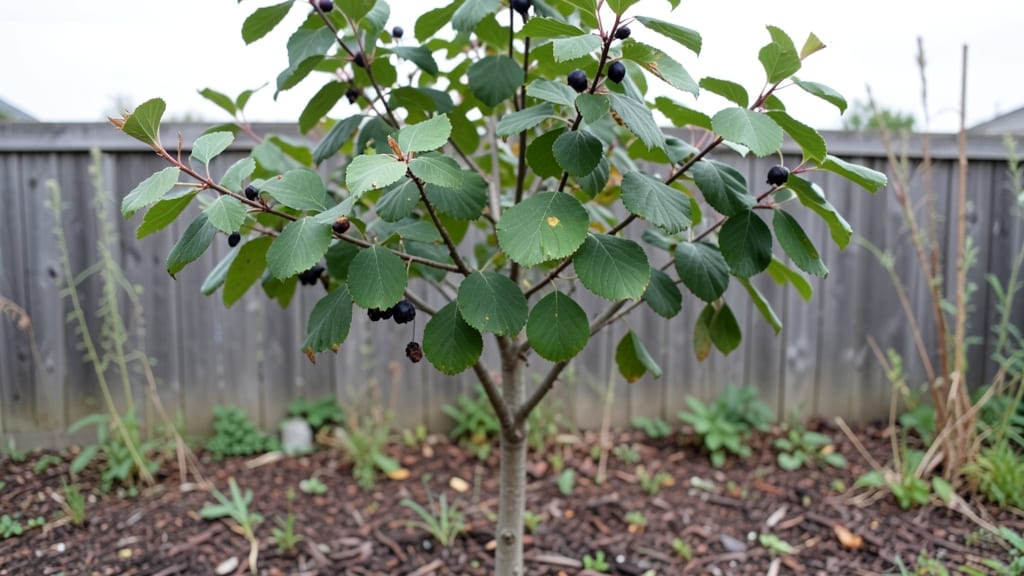
Serviceberry trees deliver the Pacific Northwest’s most reliable berry harvest—sweet, tart treats that thrive even after hard frosts. 🌿 I’ve grown them through three winters, and they’ve never failed to produce, no matter how late the spring or how early the snow.
The key lies in their native resilience, but getting started requires knowing when and how to plant for maximum fruit. These trees are low-maintenance but not completely hands-off. You’ll need well-draining soil, full sun to partial shade, and just enough pruning to keep them open for easy picking.
The berries ripen in late summer, turning from green to deep purple-black, and birds will fight you for them if you’re not ready. That’s when you’ll wish you’d planted a few extra trees—or at least put up netting.
What you end up with is a multi-season spectacle: white spring blooms, glossy summer foliage, and fall color that rivals any maple. The berries themselves are perfect for jams, pies, or fresh snacking, but the real magic is how effortlessly they fit into any landscape.
Whether you’re a first-time fruit grower or a seasoned orchardist, serviceberries deliver results with minimal fuss.
Here’s the thing—serviceberries grow best when planted in early fall or late winter, giving roots time to establish before summer heat. They tolerate a range of soils but prefer slightly acidic conditions, and they’ll reward you with heavier crops if you mulch well.
Pruning in late winter keeps them healthy and improves fruit access, though they’re forgiving if you skip it entirely. The first harvest might be modest, but each year after that, the trees get better and better at feeding you.
📚 In This Guide
- What you need
- Instructions
- Tips and common mistakes
- Wrapping up and next steps
What you need
- ● Pruning shears: Bypass pruners (for small branches, ¼”–¾” thick)
- ● Loppers: 1 pair (for medium branches, ¾”–2” thick)
- ● Pruning saw: 1 handheld saw (for thick branches, 2”+ thick)
- ● Disinfectant (70% isopropyl alcohol or pruning sealant): 1 small bottle (to prevent disease spread)
- ● Gloves: 1 pair (cut-resistant, for safety)
- ● Work boots or sturdy shoes: 1 pair (with ankle support for stability)
- ● Extension pole saw: For high branches (if tree is mature)
- ● Tree wound dressing: 1 small tube (controversial but useful for large cuts)
- ● Ladder: 1 sturdy, non-slip ladder (if pruning >6 ft high)
- ● Safety glasses: 1 pair (to protect from debris)
- ● Notebook & pen: To track pruning notes (branch size, direction, etc.)
- ● Knowledge of serviceberry tree anatomy (e.g., where to cut for fruit production)
- ● Check weather forecast: Prune on a dry, calm day (avoid rain for 24 hours post-pruning)
- ● Identify dead, diseased, or crossing branches before starting
Instructions for harvesting and enjoying serviceberry tree berries
Here's the straightforward method I use to gather and prepare these Pacific Northwest gems.
🍓 Step 1: Identify Ripeness and Harvest Time
Serviceberries ripen in late summer to early fall, typically between August and September in the Pacific Northwest. The berries start as hard green fruits and transform into a deep purple-blue when fully ripe. I look for berries that easily detach from the tree with a gentle tug—this means they're ready to pick.
Harvest on a dry morning after the dew has evaporated. Wet berries bruise easily and won't store well. You'll know they're perfect when the skin takes on a velvety sheen and the flesh yields slightly when pressed between your fingers. Avoid picking berries that are still firm or have white specks—they're not ready yet.
🌿 Step 2: Gather Berries Safely and Efficiently
Use a small ladder or step stool to reach the branches safely. I prefer a shallow basket or bucket with a soft lining to prevent bruising. Shake the branches gently over the container—serviceberries are delicate and will fall easily when ripe. Never pull entire clusters by hand, as this can damage the tree's structure.
Work in the shade to prevent the berries from overheating. If you're harvesting for immediate use, you can pick straight into a bowl. For storage, place berries in a single layer on a tray lined with paper towels to catch any juice. This prevents them from sticking together and spoiling faster.
💧 Step 3: Prepare and Store for Fresh Use
Rinse the berries gently under cool water to remove any dirt or debris. I use a fine-mesh strainer to avoid crushing them. Pat them dry with a clean kitchen towel or paper towels. Moisture speeds up spoilage, so thorough drying is key. Spread them out on a clean surface to air-dry for about 10-15 minutes before storing.
For short-term storage, keep berries in an airtight container in the refrigerator. They'll stay fresh for up to 5-7 days. If you're not using them immediately, freeze them by spreading them on a baking sheet in a single layer. Once frozen solid, transfer them to a freezer bag. Frozen serviceberries retain their flavor for up to 6 months.
☀️ Step 4: Use Berries in Recipes or Preserve Them
Serviceberries are incredibly versatile. For fresh eating, enjoy them straight from the tree or toss them into salads for a sweet-tart crunch. I also make a simple syrup by simmering 1 cup of berries with 2 cups of water and 1 cup of sugar for 15 minutes. Strain and store the syrup in the fridge for up to 2 weeks—perfect for cocktails or drizzling over pancakes.
For long-term preservation, bake the berries into jams or jellies. Simmer 4 cups of berries with 3 cups of sugar and 1 cup of water for 45-60 minutes until thickened. Canning the jam ensures you can enjoy the harvest all year round. Alternatively, dry the berries in a dehydrator or oven at 170°F for 6-8 hours to create a chewy, flavorful snack.
Tips & tricks for perfect serviceberry harvesting
These practical tips will help you make the most of your Pacific Northwest serviceberry harvest without wasting a single berry.
Ripeness Test: In Step 1, when checking for ripeness, look for berries that gently detach when you give the branch a slight shake—this is your best indicator of perfect ripeness. I also press a berry between my fingers; if it yields slightly like a ripe peach, it's ready. Avoid berries with white specks or those that feel rock-hard—they're not ready yet.
Harvest Strategy: For Step 2, work efficiently by harvesting in batches. Fill your container about halfway before returning to the tree—overfilling can cause bruising as berries shift during transport. If you're harvesting for storage, line your tray with paper towels and spread berries in a single layer. This prevents them from sticking together and spoiling faster, just like the instructions recommend.
Storage Secrets: When following Step 3's storage instructions, remember that serviceberries are particularly sensitive to moisture. After rinsing, pat them very dry with paper towels—don't just shake them off. For freezing, the single-layer method on a baking sheet is crucial; it prevents clumping and makes it easier to portion later. I like to freeze them in small bags with a paper towel to absorb any excess moisture that might develop during storage.
Preservation Pro Tips: For Step 4's syrup or jam, don't rush the cooking time. The 15-minute simmer for syrup or 45-60 minutes for jam is non-negotiable—it ensures proper sugar integration and flavor development. For drying, if you don't have a dehydrator, use your oven at 170°F with the door slightly ajar to allow moisture to escape. This prevents condensation that can make dried berries soggy.
Pro Tips for Serviceberry Tree Berries
- These practical tips will help you make the most of your Pacific Northwest serviceberry harvest without wasting a single berry.
- Ripeness Test: In Step 1, when checking for ripeness, look for berries that gently detach when you give the branch a slight shake—this is your best indicator of perfect ripeness.
- Harvest Strategy: For Step 2, work efficiently by harvesting in batches.
Frequently asked questions
Got questions about harvesting and enjoying serviceberry tree berries? You’re not alone! Here are some of the most common inquiries—plus straightforward answers to help you make the most of your PNW harvest.
When is the best time to pick serviceberry berries?
Serviceberries typically ripen between late July and early September, depending on your location in the Pacific Northwest. Look for deep purple-black berries that soften slightly when gently squeezed. Avoid picking them too early—they’ll be tart and underripe! If birds are feasting on them, you’ve waited too long.
Can I eat serviceberries raw, or do I need to cook them?
While raw serviceberries are edible, they’re often mealy and tart when fresh. Most folks prefer them cooked into jams, pies, or syrups to mellow their flavor. For a quick snack, try freezing them first to soften the texture. Pro tip: Pair them with sweeter fruits like strawberries or apples in baked goods!
What should I do if my serviceberry tree has bugs or disease?
Common pests include Japanese beetles, aphids, or scale insects, while fungal issues like powdery mildew can occur in humid PNW summers. Prune affected branches promptly, and spray with neem oil or insecticidal soap for organic control. Keep the area around the tree clear of debris to reduce fungal risks. If problems persist, consult a local arborist.
How do I store serviceberries for later use?
Fresh serviceberries last 3–5 days in the fridge. For long-term storage, freeze them whole or purée them into syrup. You can also dry them at low heat (135°F/57°C) for 6–8 hours to preserve their flavor. Label containers clearly—these berries are a goldmine for winter baking!
Can I grow serviceberries in containers, or do they need a yard?
While serviceberries thrive in well-draining soil with full sun, they can be grown in large containers (at least 20 gallons) if you live in an urban area. Just ensure the pot has drainage holes and replant in the ground after a few years, as their roots expand quickly. Dwarf varieties like ‘Pendula’ are great for small spaces!
Wrapping up and next steps
Serviceberry tree berries are a true gem of the Pacific Northwest—packed with flavor, nutrition, and resilience against frost! Whether you're a seasoned forager or a curious gardener, these berries offer a delicious, low-maintenance harvest that’s perfect for jams, desserts, or fresh snacking.
With the right tools and timing, you can enjoy their sweet rewards year after year.
Ready to dive in? Start by identifying a healthy serviceberry tree in your area—then grab your pruners and get growing! 🌿 The PNW’s bounty is waiting for you.