
Pruning
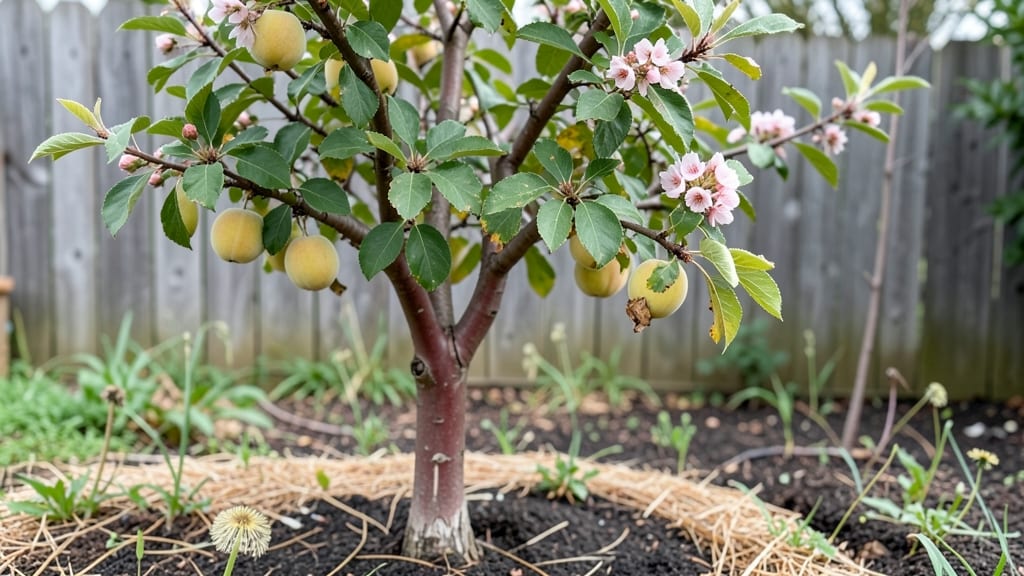
The Desert Gold peach tree thrives in Pacific Northwest summers with its sweet, golden fruit and remarkable disease resistance. I planted mine in a sunny corner of my backyard last spring, and now it’s loaded with fruit—even in our damp climate.
The secret lies in the right pruning schedule, which keeps it productive year-round without inviting pests or disease.
This variety handles our region’s cool nights and rainy springs better than most peaches, but it still needs proper care. Start with well-draining soil, full sun, and consistent watering—especially during fruit set.
The pruning I’ll show you later removes dead wood while opening the canopy for better airflow, which cuts down on fungal issues like leaf curl that plague other peach trees.
By summer’s end, you’ll have branches heavy with juicy, freestone peaches that ripen over weeks—not all at once. The flavor? Rich, honeyed, and perfect for fresh eating or canning.
Even beginners can master this with a few sharp cuts and a little patience. Let’s get your tree set up for a harvest that’ll make your neighbors jealous.
We’ll cover everything from planting to late-winter cleanup, so you can avoid common mistakes like over-pruning or ignoring signs of peach leaf curl. The key is timing: prune in late winter and again after harvest, and you’ll have a tree that keeps producing for decades.
Ready to turn that bare branch into a fruit-laden masterpiece?
📚 In This Guide
- What you need
- Instructions
- Tips and common mistakes
- Wrapping up and next steps
What you need
- ● Pruning shears: Bypass pruners (sharp, 6-8" blades) for clean cuts on small branches.
- ● Loppers: Bypass or anvil type (18-24" handles) for thicker branches (up to 2" diameter).
- ● Pruning saw: Curved-tooth saw for branches larger than 2" in diameter.
- ● Disinfectant: Rubbing alcohol (70%+) or bleach solution (1 part bleach to 9 parts water) to sterilize tools between cuts (prevents disease spread).
- ● Gloves: Heavy-duty gardening gloves (cut-resistant for safety).
- ● Tree ties or zip ties: (for securing branches if needed).
- ● Rake or broom: To clear debris after pruning.
- ○ Pruning sealant: Optional but recommended (e.g., Tanglefoot Tree Wound Pruning Seal) for cuts larger than ½".
- ● Ladder: Extension or step ladder (if your tree is taller than 6-7 feet).
- ● Marking spray: Non-toxic paint or spray to mark branches for removal.
- ● Pruning guide: Measuring tape or ruler to ensure proper branch spacing (6-12" apart for airflow).
- ● Compost bin: For collecting and repurposing pruned branches.
- ● First-aid kit: Just in case (safety first! 🚑).
Instructions for pruning a Desert Gold peach tree in the Pacific Northwest
Here's how I keep my Desert Gold peach tree thriving—more fruit, fewer pests, and stronger branches every season.
Time Your First Pruning for Late Winter
Prune your Desert Gold peach tree in late winter, just as buds begin to swell but before any leaves appear. This is typically February or early March in the Pacific Northwest, when temperatures hover around 40-50°F. Pruning at this time encourages new growth while avoiding the risk of frost damage or disease spread during wetter months.
Look for dormant branches—they’ll appear gray-brown and leafless. Avoid pruning when rain is forecasted, as wet conditions can introduce fungal infections through fresh cuts. I always check the weather forecast and schedule my pruning for a dry, sunny day. Use sharp, clean pruning shears to make cuts at a 45-degree angle just above a bud or branch collar.
Remove Dead, Diseased, or Crossing Branches
Start by eliminating any dead or diseased branches—these are easy to spot because they’re brittle, discolored, or lack bark. Next, remove branches that cross or rub against each other, as these create wounds that invite pests and disease. I also cut out any suckers (shoots growing from the base or trunk) and water sprouts (vertical shoots from the main branches), as these drain energy from fruit production.
For larger branches over ½ inch thick, use a pruning saw to make clean cuts. Always cut back to a bud or lateral branch—never leave a stub. If a branch is too large to remove entirely, shorten it to a healthy lateral branch. This ensures the tree retains its structure while promoting airflow and sunlight penetration, which is critical for preventing fungal issues like brown rot in peaches.
Thin the Canopy for Sunlight and Airflow
Peach trees need full sunlight to produce sweet, flavorful fruit, so aim to open up the canopy by removing 10-20% of the tree’s branches. Focus on thinning branches from the inside of the tree, where shade and humidity can foster disease. I look for branches that grow inward or downward—these are prime candidates for removal. Start at the outer edges and work your way inward to create an open, vase-like shape.
Leave scaffold branches (the main structural branches) intact, but prune them to encourage a balanced shape. Cut back any branches that are growing too close together, leaving at least 6-12 inches of space between them. This spacing reduces competition for nutrients and improves fruit size and quality. After pruning, step back and visualize the tree’s shape—it should look like a well-lit, airy structure ready for spring growth.
Summer Pruning to Control Growth and Shape
In June or July, after the tree has finished flowering but before new fruit sets, do a light pruning to shape the tree and remove any suckers or water sprouts that may have appeared. This is also the time to trim back any branches that grew too vigorously during spring. Focus on thinning out excess leaves to improve airflow, especially in dense areas where fruit clusters.
Remove any damaged or diseased leaves—look for yellowing, spotted, or curled foliage, which can signal pests or disease. I also check for fruit that’s too close together and thin it out to 6-8 inches apart, as overcrowded fruit leads to smaller, less flavorful peaches. This summer pruning keeps the tree manageable and sets it up for another productive season. Water deeply after pruning to help the tree recover and support new growth.
Clean Up and Monitor for Pests
After pruning, sterilize your tools with rubbing alcohol or a bleach solution to prevent the spread of disease. Collect and dispose of all pruned branches—do not compost them, as they may harbor pests or pathogens. I bag them and throw them away to keep my garden clean. This step is crucial for preventing issues like peach leaf curl, which thrives in organic debris.
Keep an eye on the tree in the weeks following pruning for signs of stress, such as wilting leaves or unusual spots. If you notice any issues, address them promptly—peach trees are resilient, but they need consistent care to bounce back. Mulch around the base of the tree with 2-3 inches of organic mulch (like wood chips) to retain moisture and suppress weeds, which can compete with the tree for nutrients. This final touch ensures your Desert Gold peach tree stays healthy and productive for years to come.
Tips & tricks for pruning a Desert Gold peach tree
Pruning your Desert Gold peach tree might seem intimidating, but these key strategies will help you achieve a healthier, more productive tree with minimal effort. The Pacific Northwest's unique climate means we need to pay special attention to timing and technique to avoid common pitfalls.
Timing is Everything: The late winter window—when buds swell but leaves haven't appeared—is your best bet for the Pacific Northwest's February or early March climate. If you miss this window, you risk exposing the tree to late frosts or encouraging disease spread during wetter spring conditions. I've learned this the hard way—pruning too early can damage emerging buds, while waiting too long means you'll be cutting into new growth. Look for those gray-brown dormant branches as your cue to start.
Tool Preparation Matters: Sterilizing your pruning tools between cuts is non-negotiable, especially in our damp climate. I keep a small bottle of rubbing alcohol handy to wipe down shears after each cut—this prevents the spread of fungal diseases like brown rot that can devastate peach trees. Also, make sure your tools are sharp; dull blades tear branches rather than making clean cuts, which creates larger wounds and invites pests. A 45-degree angle cut just above a bud or lateral branch is ideal for proper healing.
Visualize the Final Shape: Before making any cuts, step back and visualize your tree's final shape. The goal is an open, vase-like structure that allows sunlight to penetrate all the way to the center. In Step 3, when you're thinning the canopy, focus on removing branches that grow inward or downward—they create shaded areas where humidity builds and diseases thrive. Leave those scaffold branches intact as your tree's structural framework, but don't hesitate to prune them back to encourage a balanced shape. This approach maximizes both fruit production and air circulation.
Summer Pruning Secrets: During the June or July summer pruning, pay special attention to fruit spacing. While it's tempting to leave all the fruit, remember that peaches need room to grow—thinning to 6-8 inches apart ensures each fruit gets proper nutrients and sunlight. I also look for any new suckers or water sprouts that might have appeared and remove them promptly. These energy vampires can significantly reduce your tree's fruit production if left unchecked. After summer pruning, give your tree a deep watering to help it recover and support new growth.
Pro Tips for Desert Gold Peach Tree
- Pruning your Desert Gold peach tree might seem intimidating, but these key strategies will help you achieve a healthier, more productive tree with minimal effort.
- Timing is Everything: The late winter window—when buds swell but leaves haven't appeared—is your best bet for the Pacific Northwest's February or early March climate.
- Tool Preparation Matters: Sterilizing your pruning tools between cuts is non-negotiable, especially in our damp climate.
Frequently asked questions
Got questions about pruning your Desert Gold peach tree for maximum fruit production in the Pacific Northwest? You’re not alone! Here are some of the most common concerns—plus clear, actionable answers to keep your tree thriving.
When is the best time to prune a Desert Gold peach tree in the PNW?
The ideal window is late winter to early spring (February–March), before buds swell but after frost risk passes. Avoid pruning in fall—it can stimulate late growth vulnerable to winter damage. Pro tip: If you must prune later, wait until after harvest (July–August) to minimize stress.
How much can I prune without harming the tree?
For young trees (1–3 years), remove 20–30% of total growth to shape the canopy and open airflow. Mature trees (4+ years) can handle 15–25%—focus on dead, crossing, or inward-growing branches. Never prune more than 25% in one season, or you risk stunting fruit production.
Why isn’t my Desert Gold peach tree fruiting after pruning?
Lack of fruit could stem from over-pruning, poor pollination, or nutrient deficiencies (like zinc or boron). Check for:
- Bloom thieves: Remove water sprouts (fast-growing vertical shoots) that steal energy.
- Pollinators: Plant a second peach variety (like Redhaven) within 50 feet.
- Soil test: PNW clay soils often lack phosphorus—add bone meal in early spring.
Can I prune a Desert Gold peach tree in wet or rainy PNW weather?
Avoid pruning during wet conditions—open wounds invite fungal diseases (like brown rot) and bacterial cankers. Wait for dry, calm days (relative humidity <60%). If rain’s in the forecast, prune early in the day so cuts have time to dry. Disinfect tools with 70% isopropyl alcohol between cuts!
What’s a good alternative if I don’t want to prune my Desert Gold?
If pruning feels overwhelming, try selective thinning:
- Remove only dead/diseased branches and suckers at the base.
- Use thinning shears to reduce fruit clusters by 50% (June–July) for larger peaches.
- Mulch heavily with wood chips (3–4 inches) to retain moisture and reduce stress.
Wrapping up and next steps
Growing a thriving Desert Gold peach tree in the Pacific Northwest is all about timing, technique, and a little patience! 🌱 With the right pruning schedule—especially that early spring cleanup and summer shaping—you’ll unlock a year-round harvest of sweet, juicy peaches.
Remember, consistency is key, so mark those seasonal reminders and enjoy the rewards of your hard work.
Ready to take the next step? Grab your pruners and start planning your pruning calendar today! Whether you’re a beginner or a seasoned gardener, every cut brings you closer to a bountiful orchard. Happy pruning! 🌿✂️