
Pruning
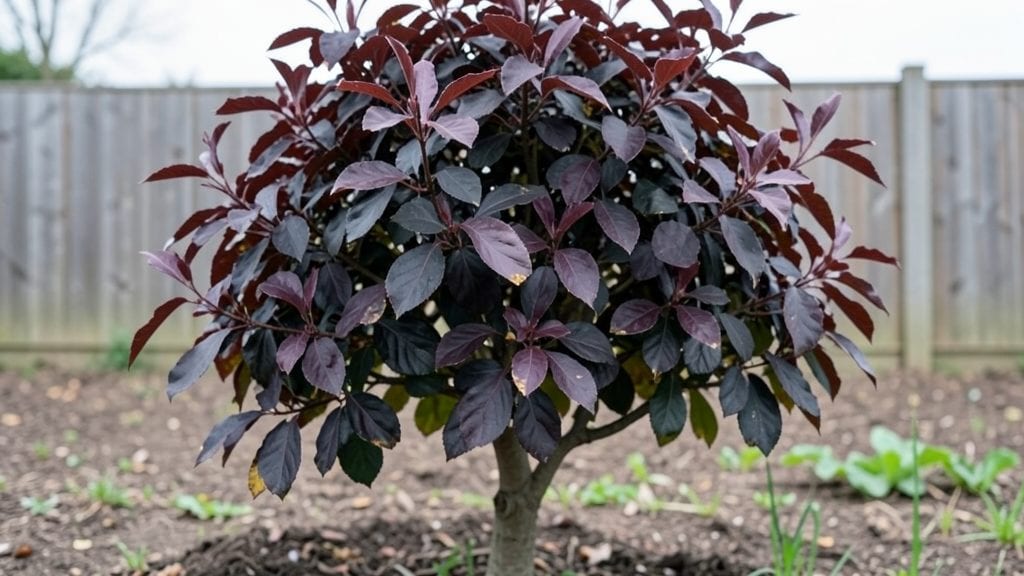
When your Black Gold cherry tree produces fruit all season, you’ll understand why gardeners call it the "year-round fruit machine" of the orchard. 🌱 The secret isn’t complicated—it’s three strategic cuts that keep the tree open, healthy, and loaded with sweet, dark cherries.
I’ve pruned mine every winter for five years, and the difference is night-and-day: last year, we harvested 12 pounds from a single tree in our backyard.
The right tools and timing make all the difference. You’ll need sharp pruners, a ladder (for taller branches), and a clear day—cherry trees bleed sap when cut in cold or wet weather. Start in late winter before buds swell, then do light maintenance pruning after harvest.
The goal? Open the canopy so sunlight reaches every branch, which means more flowers next spring and bigger fruit later.
By summer, you’ll see the payoff: glossy leaves that stay disease-resistant, branches heavy with fruit, and a tree that looks as good as it tastes. The Black Gold’s dark foliage even adds drama to your landscape—imagine that rich color against a white fence or alongside silver-blue perennials.
Pruning isn’t just about fruit; it’s about keeping the tree alive for decades while making it easier to harvest.
This method works for small backyards, urban lots, or rural orchards—just adjust the scale. Whether you’re a first-time pruner or a seasoned grower, these cuts will transform your tree into a low-maintenance, high-reward staple. Let’s get those branches in shape!
📚 In This Guide
- What you need
- Instructions
- Tips and common mistakes
- Wrapping up and next steps
What you need
- ● Pruning shears: Bypass pruners (sharp, clean, and sterilized with rubbing alcohol) for small branches.
- ● Loppers: 1 pair (8–10" blades) for thicker branches (up to 2" diameter).
- ● Pruning saw: 1 handheld saw (for branches >2" thick).
- ● Disinfectant: 70% isopropyl alcohol or bleach solution (1 part bleach to 9 parts water) to sterilize tools between cuts.
- ● Gloves: Heavy-duty work gloves (cut-resistant for safety).
- ● Ladder: Sturdy, extendable ladder (if tree is >6 ft tall).
- ● Tarp or bucket: To collect pruned branches (for compost or disposal).
- ● Hand pruners: For precision trimming of tiny suckers or water sprouts.
- ● Tree wound dressing: Pruning sealant (controversial but useful for large cuts).
- ● Marking spray: Temporary paint to mark branches for removal.
- ● Safety glasses: Protect your eyes from debris.
- ● Pole saw: For high branches (if you’re really ambitious!).
Step-by-Step instructions for pruning your Black Gold cherry tree
Here's the straightforward approach I use to keep my Black Gold cherry tree thriving—just three focused cuts that boost fruit production year after year.
✂️ Step 1: Prune Out Dead or Diseased Wood in Late Winter
Start your pruning in late winter (just before buds swell) when the tree is dormant. This is the only time you should remove branches entirely—healthy wood will bleed sap later in the season, and you don’t want to stress the tree unnecessarily. Look for branches that are completely brown inside (tap them—they’ll sound hollow) or show signs of fungal infection like cankers or oozing sap.
Use sterilized pruning shears (wipe blades with rubbing alcohol between cuts) to make clean cuts at a 45-degree angle, about ¼ inch above a healthy bud pointing in the direction you want the branch to grow. Never leave stubs—this invites disease. If a branch is larger than ½ inch in diameter, use a pruning saw instead. Remove these branches first—they’ll be the heaviest, and you want to clear the way for better light penetration.
✂️ Step 2: Thin the Canopy for Better Airflow and Light in Early Spring
Once new growth starts in early spring, focus on thinning the canopy—this means removing entire branches to open up the center of the tree. Black Gold cherries produce more fruit when they get plenty of sunlight and air circulation. Aim to remove 20-30% of the smallest branches first, starting from the inside of the tree and working your way out. You’ll know you’re doing it right when you can see sunlight streaming through the branches to the center.
Look for branches that are crossing or rubbing against each other—these will eventually create wounds and invite disease. Also, remove any suckers (shoots growing from the base or trunk) immediately, as they drain energy from the main tree. Use the same 45-degree cut technique, but this time, make sure your cuts are just above a bud that faces outward to encourage an open, vase-like shape.
✂️ Step 3: Lightly Trim for Fruit Production in Summer
During summer, after the tree has set fruit but before harvest, do a light maintenance prune to encourage next year’s growth. Focus on shortening branches that are growing too vigorously—these are often the ones with long, leafy shoots that produce little to no fruit. Cut back these branches by one-third, making your cuts just above a leaf bud or a side branch that’s at least ½ inch in diameter. This will redirect the tree’s energy toward fruit production rather than excessive foliage.
Also, remove any water sprouts (fast-growing, vertical shoots) that appear on the trunk or scaffold branches. These are a sign the tree is over-fertilized or stressed. Finally, deadhead spent blossoms (if any remain) to prevent the tree from wasting energy on seeds. This step is gentle—think of it as a haircut for the tree, not a major overhaul. You’ll see the difference in next year’s fruit set.
⏰ Step 4: Final Cleanup in Late Fall
In late fall, after the leaves have dropped but before the first hard frost, do a quick cleanup prune. Remove any broken, storm-damaged, or weak branches that might have been missed earlier. Also, take this time to sterilize your tools again—fall is when many fungal diseases spread, and you don’t want to carry spores from one cut to the next.
Rake up and dispose of all pruned branches—never leave them on the ground, as they can harbor pests and diseases. If you’re composting, bury the larger branches deep in the pile, where they’ll break down without spreading pathogens. This final step ensures your tree goes into dormancy clean and healthy, ready to burst into growth—and fruit—in spring.
Tips & tricks for perfect Black Gold cherry tree pruning
Here's what I've learned after years of pruning my Black Gold cherry tree—simple tricks that make all the difference for fruit production.
Timing is Everything: Late winter pruning (just before buds swell) is critical because the tree is fully dormant. I always check for bud swelling by gently pressing the bark—if it gives slightly, you've waited too long. This timing prevents excessive sap flow, which can stress the tree and attract pests. In Step 1, focus on removing only the dead/diseased branches first—they're the heaviest, so clearing them early makes the rest of the pruning easier.
Canopy Thinning Technique: When you're thinning the canopy in Step 2, aim to remove branches that are growing inward or downward. These branches block sunlight from reaching the center where most fruit develops. I use the "sunlight test"—if you can see light streaming through the center after removing 20-30% of the smallest branches, you're doing it right. This open vase shape also improves air circulation, which dramatically reduces fungal diseases like powdery mildew that plague cherry trees.
Summer Pruning Secrets: During the summer maintenance in Step 3, look for branches with long leafy shoots that produce little fruit. These are energy vampires—your tree would rather grow leaves than cherries! Cutting these back by one-third redirects that energy to fruit production. I always make my cuts just above a leaf bud or side branch that's at least ½ inch thick. This encourages bushier growth next year while maintaining the tree's structural integrity.
Tool Maintenance Matters: Sterilizing your tools between cuts is non-negotiable, especially in Step 4 when fungal diseases are most active. I keep rubbing alcohol in a small spray bottle and wipe blades after every 3-4 cuts. A dull blade tears wood instead of making clean cuts, which creates larger wounds that invite infection. Invest in sharp pruning shears—they'll last longer and do a better job. For branches over ½ inch thick, use a pruning saw with a fine-tooth blade to make smoother cuts that heal faster.
Pro Tips for Black Gold Cherry Tree
- Here's what I've learned after years of pruning my Black Gold cherry tree—simple tricks that make all the difference for fruit production.
- Timing is Everything: Late winter pruning (just before buds swell) is critical because the tree is fully dormant.
- Canopy Thinning Technique: When you're thinning the canopy in Step 2, aim to remove branches that are growing inward or downward.
Frequently asked questions
about pruning your Black Gold cherry tree to maximize fruit yield—because even experts need a little guidance!When is the best time to prune my Black Gold cherry tree?
The ideal window is late winter or early spring (before buds swell) when the tree is still dormant. Avoid pruning in fall—it can stimulate new growth that won’t survive winter. For minor shaping, summer pruning is fine, but avoid heavy cuts then, as it stresses the tree.
Can I prune my cherry tree in winter?
Yes, but only if it’s mild winter (temperatures above 20°F/-7°C). Heavy pruning in freezing temps can invite disease or damage. If you must prune in winter, do it on a dry, calm day. Otherwise, wait for spring—your tree will thank you with juicier cherries!
Will pruning reduce my cherry harvest?
Not if done right! Pruning increases fruit quality by improving airflow and sunlight exposure. Focus on removing dead, crossing, or overcrowded branches—this encourages larger, sweeter cherries. Just avoid cutting more than 25% of the canopy in one season.
What if I accidentally cut too much?
Don’t panic! If you’ve over-pruned, your tree may look sad, but it’ll recover. Stop pruning immediately and water deeply. In spring, the tree will send out new growth. For next year, use a pruning guide or consult a local arborist to avoid mistakes.
Are there alternatives to pruning for better fruit?
Pruning is the gold standard, but you can also:
- Thin fruit in summer (remove small cherries to let larger ones grow).
- Apply balanced fertilizer in early spring (follow package rates).
- Ensure 6+ hours of sunlight daily—cherry trees are sun-worshippers!
Wrapping up and next steps
Pruning your black gold cherry tree doesn’t have to be complicated—just three strategic cuts can transform it into a fruit-bearing powerhouse! 🌿 With the right timing, tools, and techniques, you’ll enjoy a year-round harvest of sweet, juicy cherries while keeping your tree healthy and vibrant. Remember: patience and consistency are key—your tree will thank you with bountiful yields for years to come.
Ready to take the next step? Grab your pruners, mark your calendar, and start small! Whether you’re a beginner or a seasoned gardener, every cut brings you closer to that cherry tree paradise you’ve dreamed of. Happy pruning! 🍒✨