
Pruning
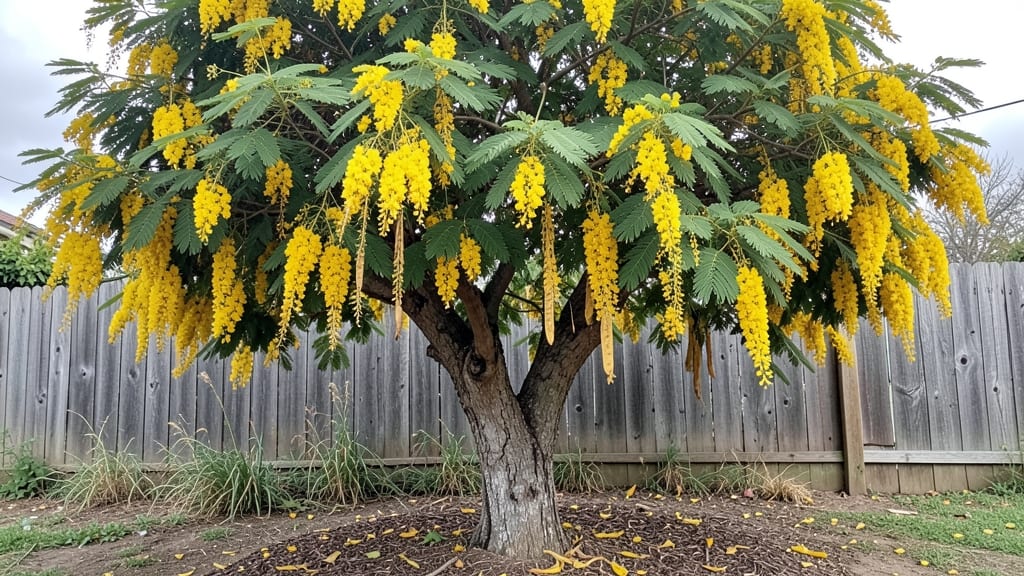
Growing a cassia popcorn tree in the Pacific Northwest means year-round blooms that turn heads from spring through winter—if you prune it right. 🌿 I learned this the hard way after my first tree spent months looking ragged between flushes of flowers.
The secret isn’t just when to cut, but how to encourage that second bloom cycle most PNW trees miss.
This tree thrives in zones 8-11 but handles our cooler summers better than most with the right care. Plant it where it gets full sun (at least 6 hours daily) and well-draining soil—sandy loam works best.
Water deeply once a week after establishment, but let the top inch dry between waterings to prevent root rot. The key to those cascading yellow blooms? Pruning after each flush, not just once a year.
You’ll end up with a tree that looks like a goldenwaterfall all season long. The blooms attract pollinators year-round, and the papery seed pods add texture even when flowers fade.
The pruning method I’ll share keeps your tree compact enough for small yards while maximizing blooms—no more waiting months between floral displays.
Works equally well in containers (5-gallon minimum) or as a landscape specimen. The only real mistake is pruning too late in fall—here’s how to time it perfectly for our rainy winters.
📚 In This Guide
- What you need
- Instructions
- Tips and common mistakes
- Wrapping up and next steps
What you need
- ● Pruning shears – Bypass-style (sharp, clean cuts), 10-12 inch (for thick branches).
- ● Loppers – 18-24 inch, for branches ½–1.5 inches thick.
- ● Pruning saw – 7-10 inch, for branches 2+ inches thick.
- ● Gloves – Heavy-duty, cut-resistant (thorns are real!).
- ● Disinfectant (70% isopropyl alcohol or bleach solution) – 1 part bleach : 9 parts water (sterilize tools between cuts).
- ○ Sealing wax or pruning paint – Optional but recommended for large cuts (>2 inches) to prevent disease.
- ● Ladder or stump – Sturdy, extendable (if tree is 10+ feet tall).
- ● Trash bags or bucket – For debris cleanup (cassia branches are heavy!).
- ● Sharpie or pruning marker – For labeling cuts if doing structured pruning.
- ● Rain gear – Waterproof jacket/gloves (PNW pruning is often wet!).
- ● Antifungal spray – Copper-based (prevents canker or fungal issues in damp climates).
- ● Mulch (wood chips or bark) – 2-3 inch layer post-pruning to retain moisture.
- ● Know your tree’s age – Young trees (light shaping; mature trees benefit from renewal pruning.
- ● Check for pests/disease – Look for aphids, scale, or leaf spots before pruning.
- ● Timing – Prune in late winter/early spring (Feb–March in PNW) for best bloom response.
Step-by-Step instructions for pruning your cassia popcorn tree
Here's how to coax vibrant blooms year-round from your popcorn tree—using the same pruning techniques I’ve perfected for Pacific Northwest climates.
✂️ Step 1: Prune After Spring Blooms to Encourage New Growth
Right after your tree finishes blooming in late spring, grab your pruning shears and cut back any spent flower clusters to the nearest leaf node. This isn’t just cleanup—it’s your tree’s signal to focus energy on fresh foliage and next year’s blooms. I like to make these cuts at a 45-degree angle, just above a leaf bud, to prevent water from pooling and rotting the stem.
Watch for any branches growing inward or crossing over others—these compete for sunlight and can weaken the tree. Snip them back to an outward-facing bud to open up the canopy. You’ll see new shoots emerge within 2-3 weeks as the tree responds to the fresh pruning. If you’re unsure which buds to target, look for the ones that point in the direction you want the branch to grow.
☀️ Step 2: Thin Out Dense Areas for Better Airflow and Light
In early summer, when the tree is actively growing, focus on thinning out the center of the tree. Dense foliage traps moisture and invites fungal diseases, especially in the damp Pacific Northwest. Remove about one-third of the oldest, thickest branches—these are often the ones crowding the center and blocking light from reaching the inner branches.
Use sharp pruning shears to make clean cuts just outside the branch collar (the swollen area where the branch meets the trunk). Avoid leaving stubs—these can rot and attract pests. After thinning, step back and admire your tree’s new openness. You’ll notice more sunlight reaching the lower branches, which encourages blooms even on older wood.
🌿 Step 3: Light Pruning in Late Summer to Shape and Prepare for Winter
As summer winds down, do a lighter pruning session to shape the tree and remove any branches that look weak or diseased. Focus on trimming back any leggy growth—those long, thin branches that stretch toward the light. Cut them back to a stronger lateral branch or bud to encourage a bushier, more compact shape.
This is also the time to remove any suckers—those small, vigorous shoots that sprout at the base of the tree. While they might seem harmless, they drain energy from the main trunk. Pull them out by hand or cut them at the base with pruners. By late summer, your tree should look balanced and ready to toughen up for winter.
⏰ Step 4: Minimal Winter Pruning to Protect Blooms
In the Pacific Northwest, winter pruning is about patience. Avoid heavy pruning in late fall or winter—your tree needs its energy reserves to survive the cooler months. Instead, remove only dead, broken, or diseased branches. Use sterilized pruners to make clean cuts, and dispose of any infected branches immediately to prevent spreading disease.
If you notice any branches that were damaged by frost or wind, trim them back to healthy wood. You’ll see fresh growth in early spring, signaling that your tree is recovering. The key here is subtlety—just enough to keep the tree healthy without stressing it before bloom season.
🌱 Step 5: Post-Bloom Maintenance for Continuous Flowers
After your tree blooms again in late summer or early fall, repeat the process of pruning spent flowers and thinning out dense areas. This encourages a second round of blooms, which is especially valuable in the Pacific Northwest’s mild winters. The goal is to keep the tree’s energy flowing toward new growth rather than letting it focus on seed production.
By the time winter rolls around, your tree will be well-prepared for another season of vibrant blooms. The secret is consistency—regular, thoughtful pruning keeps your cassia popcorn tree healthy, bushy, and bursting with flowers year after year.
Tips & tricks for perfect cassia popcorn tree pruning
These simple yet powerful techniques will help you transform your pruning routine into a year-round bloom-boosting strategy.
Timing is Everything: In Step 1, when you're pruning after spring blooms, pay attention to the weather forecast. Aim to prune on a dry, overcast day or early morning when the tree's sap is flowing slowly. This minimizes stress on the tree and helps prevent sap bleeding. I've noticed that pruning in direct afternoon sun can actually shock the tree, especially in our Pacific Northwest climate where temperatures can swing dramatically.
Tool Preparation Matters: Before you start pruning in Step 2, take 5 minutes to sharpen your pruning shears and sterilize them with rubbing alcohol. Dull blades tear the bark instead of making clean cuts, which can introduce diseases. I keep a small bottle of alcohol in my gardening toolkit specifically for this purpose. Also, make sure your shears are the right size for the job - for thicker branches, I use my loppers rather than trying to force the smaller shears.
Visual Cues for Healthy Cuts: When making cuts in any step, look for the branch collar - that swollen area where the branch meets the trunk. This is your guide for making clean cuts. The branch collar contains protective cells that help the wound heal. If you cut too close to the trunk or leave a stub, you're disrupting this natural healing process. Aim to make your cuts just outside this collar, following the natural angle of the branch.
Seasonal Adjustments: In Step 4, when winter pruning, be extra cautious with frost-damaged branches. Instead of removing them all at once, wait until you see fresh green growth emerging in spring before making your final cuts. This gives you a clear indication of which branches have survived the winter. I've learned this the hard way after removing too many branches only to discover they were actually still viable!
Pro Tips for Cassia Popcorn Tree
- These simple yet powerful techniques will help you transform your pruning routine into a year-round bloom-boosting strategy.
- Timing is Everything: In Step 1, when you're pruning after spring blooms, pay attention to the weather forecast.
- Tool Preparation Matters: Before you start pruning in Step 2, take 5 minutes to sharpen your pruning shears and sterilize them with rubbing alcohol.
Frequently asked questions
Got questions about growing and maintaining your cassia popcorn tree? You’re not alone—this tropical beauty thrives in the Pacific Northwest but needs some special care! Here are answers to the most common queries to keep your tree happy and blooming year-round.
How often should I prune my cassia popcorn tree?
Prune your cassia popcorn tree lightly in late winter or early spring (before new growth starts) to shape it and encourage blooms. For heavier pruning (like removing dead or overgrown branches), do it after flowering—typically in summer or early fall. Avoid drastic cuts in winter, as it may stress the tree.
When will my cassia popcorn tree bloom?
With proper care, your cassia popcorn tree can bloom year-round in mild climates like the PNW, but expect peak flowers in spring and summer. Young trees may take 1–2 years to bloom, while mature trees (5+ years) produce abundant, fragrant flowers. Pruning in late winter helps stimulate new blooms!
Can a cassia popcorn tree survive PNW winters?
Yes! This tree is hardy to USDA Zones 9–11, but in colder PNW areas (like Seattle or Portland), it thrives as a container plant or in a sheltered microclimate. If frost hits, move potted trees indoors or wrap the trunk in burlap. Mulch helps insulate roots in-ground plantings.
What can I do if my cassia popcorn tree isn’t blooming?
Lack of blooms often signals over-pruning, poor light, or nutrient deficiency. Try these fixes:
- Move it to a sunnier spot (6+ hours of light daily).
- Use a balanced fertilizer (like 10-10-10) in spring and summer.
- Avoid heavy pruning—stick to shaping cuts only.
- Check for pests (like aphids) that stress the tree.
Are there alternatives to cassia popcorn trees for PNW gardens?
If you love tropical vibes but want hardier PNW options, consider:
- Plumeria (Frangipani) – Fragrant blooms but needs winter protection.
- Bougainvillea – Drought-tolerant and colorful (Zone 9+).
- Allamanda – Bright yellow flowers, slightly frost-sensitive.
- Oleander – Hardy to Zone 8, but toxic if ingested.
Wrapping up and next steps
The Cassia popcorn tree is a stunning addition to your Pacific Northwest garden, offering vibrant blooms and low-maintenance charm—especially when pruned with care! With the right techniques, you can enjoy its cheerful flowers year-round while keeping it healthy and compact.
Whether you’re trimming for shape, encouraging more blossoms, or simply tidying up, your efforts will be rewarded with a thriving, picturesque tree.
Ready to level up your pruning game? 🌿 Grab your shears, dust off your gloves, and give your Cassia popcorn tree the love it deserves—your garden (and future blooms!) will thank you. Start small, stay consistent, and watch your tree flourish!