Pruning
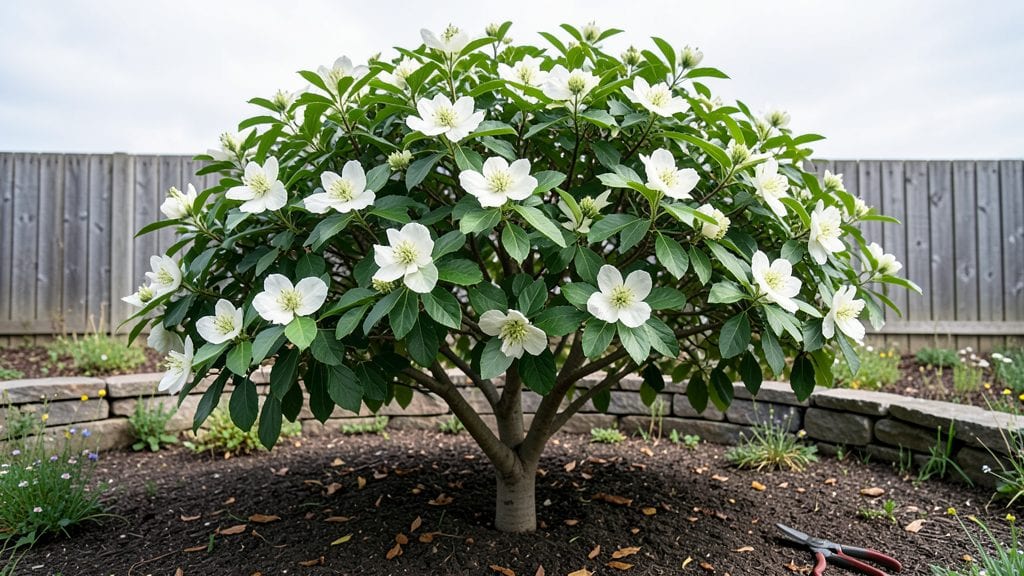
The davidia involucrata tree—also called the handkerchief tree—is a showstopper with its ghostly white blooms that look like floating handkerchiefs. 🌿 I’ve grown mine for five years, and the key to keeping it lush and blooming reliably?
Pruning at the right time. Most gardeners overlook this, but a few simple cuts in early spring can double your blooms and keep the tree healthy for decades.
This tree thrives in zones 7-9 and loves partial shade, making it perfect for woodland gardens or as a focal point under taller trees. It’s not fussy about soil—just well-draining and slightly acidic—but it hates soggy roots.
The real magic happens when you prune to encourage new growth where those iconic blooms form. I’ll show you exactly where to cut and when to avoid killing next year’s flowers.
By following this pruning guide, you’ll end up with a tree that bursts into bloom every spring and stays vibrant all summer. The delicate flowers attract hummingbirds, and the glossy leaves add year-round interest.
Plus, the tree’s graceful shape makes it a standout in any landscape. Ready to transform your garden corner into a hummingbird haven?
We’ll cover everything from when to prune (spring is critical) to how to shape the tree for maximum blooms. Even if you’ve never pruned before, this method is foolproof—just grab your shears and a sunny afternoon. Let’s get started!
📚 In This Guide
- What you need
- Instructions
- Tips and common mistakes
- Wrapping up and next steps
What you need
- ● Pruning shears: Bypass pruners (for small branches, ¼”–½” thick)
- ● Loppers: 6”–8” bypass loppers (for branches ½”–1½” thick)
- ● Pruning saw: Curved-tooth saw (for branches 1½”+ thick)
- ● Gloves: Heavy-duty gardening gloves (cut-resistant for safety)
- ● Disinfectant: 70% isopropyl alcohol or pruning sealant (to prevent disease spread)
- ○ Pruning paint/sealant: (Optional but recommended for cuts > ½”)
- ● Ladder or step stool: Sturdy, extendable (for higher branches)
- ● Trash bags: Heavy-duty (for debris disposal)
- ○ Sharpie or marker: (Optional, for labeling cuts or training branches)
- ● Weather check: Prune on a dry, calm day (avoid rain or wind)
- ● Safety glasses: Protect your eyes from debris
- ● Long sleeves/pants: Avoid scratches from thorns or rough bark
- ● Water: Small bottle (hydration breaks are key!)
- ● First-aid kit: (Just in case—thorns can be sneaky!)
Instructions for pruning your davidia involucrata tree
Here’s how to keep your handkerchief tree thriving with lush foliage and abundant blooms.
✂️ Step 1: Prune After Flowering in Early Summer
The best time to prune is 4-6 weeks after flowering, when the showy bracts have faded but new growth is still soft. This timing prevents removing next year’s flower buds, which develop on old wood. Start by removing any dead, diseased, or crossing branches first—they’ll compete with healthy growth.
Use sharp, clean pruning shears to make cuts just outside the branch collar (the swollen area where the branch meets the trunk). Avoid leaving stubs, as they invite rot and disease. I like to step back and assess the tree’s shape after each cut—this helps maintain its natural, graceful form.
🌿 Step 2: Thin Out Crowded Branches for Airflow
Davidia involucrata trees grow best with good airflow, so focus on thinning rather than topping. Look for branches that rub against each other or grow inward—they’ll eventually cross and create weak points. Remove about 20% of the canopy in one session to avoid shocking the tree.
Start with the smallest branches first, as they’re easier to remove without disrupting the tree’s balance. If a branch is thicker than ½ inch, make the cut in stages over two years to reduce stress. You’ll notice the tree’s structure opening up, letting sunlight reach the inner branches for stronger growth.
☀️ Step 3: Shape the Tree for Light and Balance
This tree’s natural shape is vase-like, so avoid heavy pruning that turns it into a flat-topped specimen. Focus on lifting the center of the canopy by removing lower branches that block light from reaching the trunk. Aim to keep the lowest branches at least 3-4 feet off the ground to prevent rot and make maintenance easier.
If your tree leans one way, prune slightly more on the heavier side to encourage upright growth. I often prune the top branches first to open up the canopy, then work my way down. Watch for how sunlight filters through—you’ll see the inner branches perk up as they get more light.
⏰ Step 4: Light Pruning in Late Winter for Spring Growth
In late February or early March, give your tree a light trim to remove any dead wood or weak growth from the previous year. This is also the time to adjust the shape if needed, but keep cuts minimal—just enough to encourage fresh, vigorous spring growth.
Pay special attention to the tips of branches, as they often grow leggy over winter. Trimming them back by ⅓** encourages bushier growth. Avoid heavy pruning now, though—this tree blooms on old wood, and cutting too much will reduce next year’s flowers.
🌱 Step 5: Monitor and Adjust Throughout the Year
After your main pruning sessions, keep an eye on your tree’s growth. If you notice branches growing too fast or becoming unbalanced, do a little maintenance pruning in late summer to redirect energy. Remove any suckers at the base immediately—they drain the tree’s resources.
Hummingbirds love the tree’s flowers, so avoid pruning too aggressively in spring. Instead, focus on keeping the tree healthy and well-shaped. You’ll see the best blooms when the tree is happy and stress-free—think of pruning as a conversation, not a battle.
Tips & tricks for pruning your davidia involucrata tree
Here’s what I’ve learned after years of working with these stunning trees—small details make all the difference for that perfect vase shape and hummingbird-friendly blooms.
Timing is Everything: That 4-6 week window after flowering in Step 1 is critical because it’s when the tree has already set its flower buds for next year. I’ve seen people prune too early and completely miss next spring’s blooms—don’t make that mistake! Mark your calendar for 4-6 weeks after those showy bracts fade.
The 20% Canopy Rule: In Step 2, when thinning those crowded branches, remember the 20% guideline isn’t just a number—it’s about balance. I learned this the hard way by removing too much at once, which shocked my tree into dropping leaves. Think of it as giving your tree a spa day: just enough to feel refreshed, not overworked.
Branch Thickness Matters: For branches thicker than ½ inch in Step 2, I’ve found it’s better to make two cuts over two years rather than one aggressive cut. This gradual approach prevents the tree from putting out too many new shoots at once, which can create an unruly mess. It’s like giving your tree time to adjust to change.
Light Filter Test: After shaping in Step 3, do this quick check: stand back and look at how sunlight filters through the canopy. You should see dappled light reaching the inner branches. If you can’t see light through, keep thinning those lower branches until you do. This simple visual cue tells you whether you’ve achieved proper airflow and light penetration.
Pro Tips for Davidia Involucrata Tree
- Here’s what I’ve learned after years of working with these stunning trees—small details make all the difference for that perfect vase shape and hummingbird-friendly blooms.
- Timing is Everything: That 4-6 week window after flowering in Step 1 is critical because it’s when the tree has already set its flower buds for next year.
- The 20% Canopy Rule: In Step 2, when thinning those crowded branches, remember the 20% guideline isn’t just a number—it’s about balance.
Frequently asked questions
about pruning your Davidia involucrata tree to keep it blooming and hummingbird-friendly year-round.When is the best time to prune my Davidia involucrata?
The ideal time is late winter or early spring (before buds swell) to avoid removing next year’s blooms. Light pruning can also happen after flowering to shape the tree. Avoid heavy pruning in fall, as it may stress the tree before winter.
How much can I prune my Davidia involucrata?
Limit pruning to no more than 25% of the canopy per year to prevent stress. Focus on removing dead, diseased, or crossing branches. Avoid over-pruning—this tree thrives with a natural, open shape. Thinning out dense areas improves airflow and bloom visibility for hummingbirds!
Will pruning affect hummingbird visits?
Pruning correctly won’t deter hummingbirds—it actually helps! Open up the center to expose more dragon’s breath flowers (their favorite). Just avoid heavy cuts in spring when they’re actively feeding. A well-pruned tree offers better access to nectar and perches.
What if my Davidia involucrata isn’t blooming?
Check these common issues:
- Age: Young trees (under 5 years) may not bloom yet—be patient!
- Sunlight: Ensure it gets full sun to partial shade (6+ hours of light).
- Pruning mistakes: Avoid cutting back old wood—blooms form on last year’s growth.
- Soil/nutrients: Test soil pH (6.0–7.0 ideal) and amend with compost if needed.
Can I grow Davidia involucrata in containers?
While possible, it’s not ideal long-term. These trees grow large (30–50 ft tall) and have deep roots. If container-grown, use a 50+ gallon pot, prune aggressively, and repot every 2–3 years. For best results, plant in the ground where roots can spread freely!
What’s a good alternative if I can’t grow Davidia involucrata?
Try these hummingbird-friendly, easy-to-prune trees:
- Cornus florida (Flowering Dogwood) – Spring blooms, compact size.
- Cercis canadensis (Eastern Redbud) – Early spring flowers, drought-tolerant.
- Lagerstroemia (Crape Myrtle) – Long bloom season, adaptable.
Wrapping up and next steps
The Davidia involucrata, or handkerchief tree, is a stunning addition to any garden—its delicate blooms and hummingbird-friendly nature make it a true standout. With the right pruning techniques, you can ensure year-round beauty and a thriving habitat for wildlife.
Now that you’re equipped with the knowledge, take the next step! Grab your tools, schedule a pruning session, and watch your tree flourish.
🌿 Pro Tip: Keep an eye on your tree’s growth and adjust your pruning routine as needed—consistency is key! Happy gardening! 🌸