
Pruning
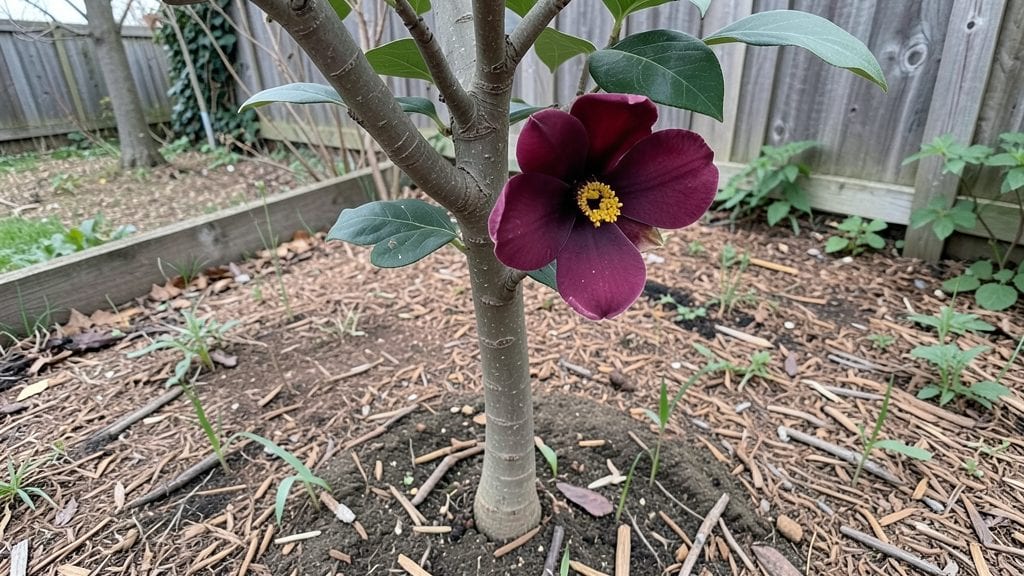
A dark pink magnolia tree turns your Pacific Northwest garden into a living painting—its velvety blooms arrive in late winter when everything else is still sleeping.
I remember the first time I saw one in full bloom against a misty Seattle morning: the color was so rich it looked almost unreal, like someone had spilled liquid rose petals on the lawn.
This isn’t just a spring spectacle; the glossy evergreen leaves provide year-round structure, making it the quiet backbone of any garden design.
The secret to its magic lies in placement—plant it where it can be the star, but not so close to the house that it blocks light. In the PNW’s damp climate, it thrives in partial shade, especially in the afternoon when sun can scorch those delicate petals.
Pair it with ferns, hellebores, or boxwoods for a romantic cottage garden vibe, or let it stand alone as a dramatic focal point near patios or entryways. The fragrance alone makes it worth the space.
What you’ll love most is how it transforms each season: bare branches in winter become a canvas for blossoms, summer brings glossy green foliage, and fall offers subtle hints of pink in the leaves.
It’s the kind of tree that makes neighbors stop and stare—not because it’s flashy, but because it feels timeless. The best part? It grows slowly, so you’ll enjoy its presence for decades without it becoming overwhelming.
For urban gardens with limited space, dwarf varieties like 'Lilliputian' work beautifully in large containers, while standard sizes anchor traditional landscapes. Whether you’re designing a shade garden, a romantic retreat, or just want a tree that steals the show, this magnolia delivers.
Let’s talk about how to make it the centerpiece of your outdoor living space.
📚 In This Guide
- What you need
- Instructions
- Tips and common mistakes
- Wrapping up and next steps
What you need
- ● Pruning shears: Bypass pruners (sharp, 6–8" blades) for small branches.
- ● Loppers: 1–2 pair (8–10" blades) for thicker branches (½–1.5" diameter).
- ● Pruning saw: Curved-tooth saw for branches >1.5" in diameter.
- ● Disinfectant: 70% isopropyl alcohol or 10% bleach solution (for cleaning tools between cuts).
- ● Garden gloves: Heavy-duty, cut-resistant (to protect from thorns and sap).
- ○ Extension pole: Optional but helpful for high branches (10–12 ft tall).
- ● Heavy-duty trash bags: For collecting pruned branches and debris.
- ● Rake or leaf blower: To clear fallen leaves/blooms post-pruning.
- ● Pruning sealant: For large cuts (>½") to prevent disease (e.g., tree wound paint).
- ● Step ladder: Sturdy, non-slip ladder (if tree exceeds 10 ft).
- ● Safety glasses: To shield eyes from debris.
- ● Notebook/pencil: To sketch pruning notes or mark areas for future attention.
- ● Check local regulations—some areas restrict pruning during specific seasons (e.g., no pruning blooming magnolias in late winter/early spring).
- ● Confirm your tree’s health: Look for mildew, pests, or dead branches—address these first!
- ● Choose the right time: Late winter/early spring (before buds swell) is ideal for structural pruning.
Step-by-step guide for planting and caring for a dark pink magnolia tree
Here's how to establish your dark pink magnolia as a stunning centerpiece in the Pacific Northwest's climate.
Choose the Perfect Planting Site
Dark pink magnolias thrive in partial shade—think morning sun with afternoon shade—to protect their delicate blooms from harsh afternoon rays. In the Pacific Northwest, a spot with dappled sunlight (like under tall evergreens) works beautifully. Avoid full shade, which reduces flowering, or full sun, which can scorch petals in summer.
Check the soil pH first—magnolias prefer slightly acidic to neutral soil (pH 5.0-7.0). Test your soil with a simple kit; if it's too alkaline, amend with sulfur or peat moss before planting. The tree's roots need well-draining soil—if your yard has heavy clay, mix in 3-4 inches of compost or organic matter to improve drainage. Dig a hole twice as wide as the root ball but no deeper, as magnolias hate having their roots buried too deeply.
Plant Your Magnolia with Care
Gently remove the tree from its container and loosen any circling roots—this encourages outward growth. Place it in the hole so the top of the root ball sits level with the ground, not mounded. Backfill with the native soil you removed, tamping lightly every 6 inches to eliminate air pockets. Water deeply to settle the soil before the roots have a chance to dry out.
Spread 3-4 inches of mulch (like wood chips or pine bark) around the base, keeping it 3-4 inches away from the trunk to prevent rot. Mulch helps retain moisture and regulate soil temperature, which is especially important during the Pacific Northwest's damp winters. Avoid piling mulch against the trunk—this can trap moisture and invite fungal diseases.
☀️ Step 3: Water and Fertilize for Strong Growth
Water your magnolia deeply once a week during the first growing season, ensuring the soil stays evenly moist but not soggy. In the Pacific Northwest's rainy climate, you'll likely need to supplement only during dry spells. After the first year, magnolias become more drought-tolerant, but they still appreciate consistent moisture, especially during bloom season (late spring).
Fertilize lightly in early spring with a balanced, slow-release fertilizer (10-10-10). Apply it 6-8 inches away from the trunk and water it in well. Avoid heavy fertilization—magnolias are sensitive to excess nutrients, which can lead to weak growth or fewer blooms. If your soil is nutrient-rich, you may not need to fertilize at all in the first few years.
✂️ Step 4: Prune and Protect for Long-Term Health
Prune your magnolia immediately after flowering (late spring) to avoid cutting off next year's buds. Remove any dead, diseased, or crossing branches, and thin out crowded growth to improve airflow. Use clean, sharp pruners and make cuts just outside the branch collar to prevent damage. Magnolias rarely need heavy pruning—they grow naturally into a beautiful, rounded shape.
In the Pacific Northwest, young magnolias may need winter protection during their first few years. Wrap the trunk with tree guard or burlap to shield it from harsh winds and frost. Avoid heavy mulch piles around the base in winter, as they can suffocate roots. Once established, magnolias handle the region's mild winters well, but their delicate blooms benefit from light frost cloth if late frosts threaten in spring.
⏰ Step 5: Enjoy Year-Round Interest and Maintenance
Dark pink magnolias offer stunning blooms in late spring, followed by glossy evergreen foliage that adds texture year-round. Their smooth, gray bark provides winter interest, making them a true four-season tree. Watch for magnolia scale or powdery mildew—common issues in humid climates—and treat early with neem oil or horticultural oil if needed.
As your tree matures, focus on minimal care: occasional pruning, mulch renewal, and monitoring for pests. With the right site and basic maintenance, your dark pink magnolia will become the showstopper of your Pacific Northwest garden, blooming reliably for decades. The key is patience—magnolias grow slowly but reward you with generous, fragrant flowers and elegant form.
Tips & tricks for perfect dark pink magnolia planting
A few key insights will help you create the ideal conditions for your dark pink magnolia to thrive in the Pacific Northwest's unique climate.
Site Selection Secret: When evaluating potential planting spots, look for areas where sunlight filters through the canopy during summer afternoons. I've found that planting near evergreen trees creates perfect dappled shade conditions—just make sure the tree gets at least 4-6 hours of morning sun. The delicate pink blooms will thank you by lasting longer and staying more vibrant throughout the season.
Soil Prep Strategy: Don't skip the soil test! I've seen many gardeners assume their soil is fine only to discover it's too alkaline. If your soil tests above pH 7.0, mix in 2-3 pounds of elemental sulfur per 100 square feet of planting area. For heavy clay soils, blend in 3-4 inches of organic matter like leaf mold or well-aged compost before planting—this dramatically improves drainage while retaining moisture.
Planting Precision: The most common mistake I see is burying the root ball too deeply. Remember, the top of the root ball should sit level with the surrounding soil—never mounded. I use a small stake to mark the original soil line on the container before planting, which helps me get it exactly right every time. Proper depth ensures good air circulation at the roots and prevents waterlogging.
Mulching Mastery: That 3-4 inch layer of mulch isn't just decorative—it's a critical moisture regulator. In the Pacific Northwest's rainy winters, proper mulching prevents soil temperature fluctuations that can stress the roots. I recommend using cedar chips or pine bark because they naturally resist compaction and stay in place better than straw. Always keep mulch 3-4 inches away from the trunk to prevent rot and pest issues.
Pro Tips for Dark Pink Magnolia Tree
- A few key insights will help you create the ideal conditions for your dark pink magnolia to thrive in the Pacific Northwest's unique climate.
- Site Selection Secret: When evaluating potential planting spots, look for areas where sunlight filters through the canopy during summer afternoons.
- Soil Prep Strategy: Don't skip the soil test!
Frequently asked questions
Got questions about your dark pink magnolia tree? You’re not alone! Here are answers to the most common queries from Pacific Northwest gardeners—whether you’re pruning for the first time or troubleshooting unexpected changes.
When is the best time to prune a dark pink magnolia?
Prune your magnolia after it blooms in late spring (May–June) to avoid cutting off next year’s flowers. Never prune in fall or winter—this tree blooms on old wood, so late cuts can reduce spring blooms. Light shaping in early summer is fine, but avoid heavy pruning.
Can I prune a dark pink magnolia in winter?
No—never prune magnolias in winter. Blooms form on the previous year’s growth, so winter cuts remove potential flower buds. If you spot dead or diseased branches in winter, remove them only if they’re clearly unsalvageable. Wait until spring to do any major work.
How do I protect my magnolia from PNW rain and wind?
The Pacific Northwest’s wet climate can stress magnolias, but they’re tough! Plant in well-draining soil and mulch (3–4 inches) to retain moisture. Stake young trees if needed, but avoid over-pruning—thin, strong branches handle wind better than dense canopies. Elevate soil slightly if your yard floods.
Why isn’t my dark pink magnolia blooming?
Common culprits:
- Over-pruning (cutting too late or too much).
- Poor sunlight (they need full sun to partial shade).
- Young age (magnolias often take 3–5 years to bloom).
- Stress from transplant shock or pests (like scale insects).
What’s a good alternative if I can’t grow a dark pink magnolia?
If your site is too shady, wet, or windy, try these PNW-friendly bloomers:
- Pacific Dogwood (Cornus nuttallii) – Pink spring blooms, thrives in shade.
- Oregon Grape (Mahonia aquifolium) – Evergreen, drought-tolerant, yellow flowers.
- Vine Maple (Acer circinatum) – Compact, pink spring blooms, great for small spaces.
Wrapping up and next steps
The dark pink magnolia tree isn’t just a stunning addition to your Pacific Northwest garden—it’s a year-round star that brings joy with its bold blooms and lush foliage. With the right pruning techniques, you’ll keep it thriving for seasons to come, ensuring vibrant color and healthy growth. 🌸
Ready to give your magnolia the care it deserves? Start by marking your calendar for late winter or early spring—this is the perfect time to prune for maximum impact. Grab your tools, roll up your sleeves, and get ready to watch your garden shine!