
Trees
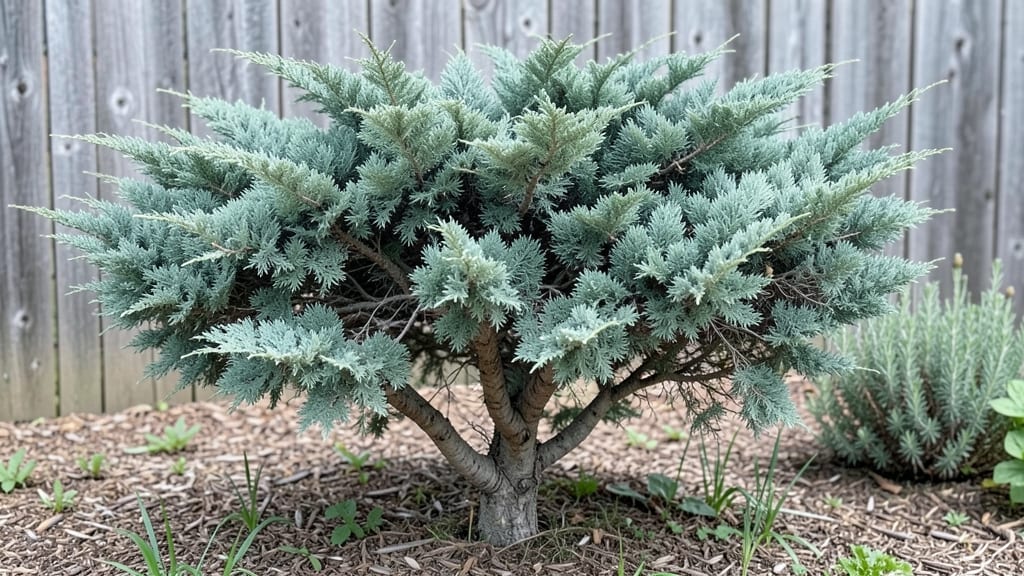
Cypress tree leaves can transform your garden into a moisture-retaining paradise while smothering weeds naturally—no fancy tools required. 🌿 I’ve used them for years to keep my flower beds lush without the hassle of synthetic mulch, and the results speak for themselves: fewer weeds, less watering, and soil that stays cool even in summer heat.
The secret lies in their needle-like texture—they break down slowly, releasing nutrients as they go. Unlike wood chips that compact or straw that blows away, cypress leaves stay put, suppressing weeds while keeping roots hydrated.
Plus, they resist fungal growth better than many organic mulches, making them ideal for problem-prone gardens.
📚 In This Guide
- What you need
- Instructions
- Tips and common mistakes
- Wrapping up and next steps
What you need
- ● Fresh or dried cypress tree leaves – At least 3–5 gallons (or ~10–15 lbs, depending on leaf density). Harvest from healthy, pesticide-free trees for best results.
- ● Garden gloves – A sturdy pair to protect your hands from prickly stems or rough edges.
- ● Pruners or sharp scissors – For harvesting leaves cleanly from branches.
- ○ A tarp or large plastic sheet – Optional but helpful for collecting leaves efficiently and transporting them.
- ● Garden rake or pitchfork – To spread and fluff the mulch evenly.
- ○ Watering can or hose – For lightly moistening leaves before application (optional but recommended for faster decomposition).
- ● Compost or aged wood chips – Mix in 10–20% for added nutrients and faster breakdown.
- ● Landscape fabric – Use a lightweight, breathable layer (e.g., 3–4 oz) under mulch to block weeds if needed.
- ● Mulch ring or edging – Keeps leaves neatly contained around trees or garden beds.
- ○ Leaf shredder (optional) – Speeds up decomposition if you prefer finer mulch.
Step-by-step guide to using cypress tree leaves as mulch
Here’s how to transform fallen cypress leaves into a powerful, weed-suppressing mulch that keeps soil moist and healthy.
🌿 Step 1: Collect and Prepare the Leaves
Gather fresh cypress leaves from the ground—avoid those already decomposing or covered in mold. The key is their natural oils, which break down slowly while retaining moisture. Spread them out on a tarp in a sunny spot for 2-3 days to dry completely. This prevents clumping and ensures even decomposition.
Once dry, break up any large clumps by hand or with a rake. You want a loose, fluffy texture—think of it like shredded bark, but finer. If the leaves are too thick, they’ll mat down and block water instead of absorbing it. Aim for a 1-2 inch layer once applied, so don’t overfill your collection container.
💧 Step 2: Apply the Mulch to Garden Beds
Spread the dried cypress leaves around the base of plants, keeping them 2-3 inches away from stems to prevent rot. A 2-3 inch layer is ideal—thicker layers can suffocate smaller plants and trap too much moisture, while thinner layers won’t suppress weeds effectively. Rake lightly to even out the surface and fill gaps between plants.
Water the mulch gently after application to help it settle and begin breaking down. You’ll notice the leaves darken slightly as they absorb moisture—this is a good sign. Over the next 1-2 weeks, the mulch will soften and blend into the soil, releasing nutrients slowly. Check for even coverage; bare spots may need a top-up.
☀️ Step 3: Maintain and Refresh the Mulch Layer
Cypress mulch breaks down more slowly than other organic materials, so you’ll need to refresh it once or twice a year—typically in early spring and late fall. Use a rake to stir the existing layer and mix in fresh leaves. This prevents compaction and ensures consistent weed suppression. Aim for a 1-2 inch thickness after refreshing.
Monitor moisture levels in the soil beneath the mulch. If the top 1-2 inches of soil feel dry, add a thin layer of fresh cypress leaves to help retain moisture. Avoid piling mulch against plant stems after refreshing—keep it 2-3 inches away to prevent disease. You’ll see fewer weeds and healthier soil with minimal effort.
✂️ Step 4: Troubleshoot Common Issues
If weeds still poke through, your mulch layer may be too thin. Add another ½ inch and press it down gently to block light. For plants struggling with moisture, check if the mulch has compacted—fluff it up to restore its insulating properties. Overly thick layers can also attract pests like slugs, so keep it no deeper than 3 inches.
Real talk: Cypress mulch won’t last forever. After 1-2 years, it’ll decompose into the soil, enriching it with organic matter. That’s when you’ll need to replace it entirely. But until then, it’s one of the best low-maintenance mulches for keeping soil moist and weed-free—exactly what you’re after.
Tips & tricks for perfect cypress tree leaf mulch
A few simple strategies will help you maximize the benefits of cypress leaves as mulch while avoiding common pitfalls.
Selection Tip: Focus on fresh, green cypress leaves that have just fallen—avoid any with brown edges or visible mold. The natural oils in fresh leaves break down slowly, creating that perfect moisture-retaining barrier. I learned this the hard way after using slightly decomposed leaves that clumped together and blocked water instead of absorbing it.
Texture Matters: After drying for your 2-3 days, break up any remaining clumps thoroughly. The goal is a fluffy, almost shredded texture that mimics bark mulch. This prevents compaction and allows water to penetrate evenly. Think of it like fluffing a pillow—you want maximum surface area for moisture absorption.
Layering Strategy: When applying your 2-3 inch layer, create a slight mound around plants rather than spreading flat. This helps direct water toward the roots while maintaining that crucial 2-3 inch distance from stems. I've found this technique particularly effective for drought-prone areas—it's like creating a mini water reservoir right where plants need it most.
Seasonal Refresh: During your spring and fall refreshes, mix in about 20% fresh leaves with your existing mulch. This maintains the proper 1-2 inch thickness while preventing compaction. I've seen gardeners double down on fresh leaves, but that can lead to too rapid decomposition and uneven coverage. The key is balance!
Pro Tips for Cypress Tree Leaves
- A few simple strategies will help you maximize the benefits of cypress leaves as mulch while avoiding common pitfalls.
- Selection Tip: Focus on fresh, green cypress leaves that have just fallen—avoid any with brown edges or visible mold.
- Texture Matters: After drying for your 2-3 days, break up any remaining clumps thoroughly.
Frequently asked questions
Got questions about using cypress tree leaves as mulch? You’re not alone! Here are some of the most common queries—plus straightforward answers to help you make the most of this natural, weed-suppressing resource.
Are cypress tree leaves safe to use as mulch around plants?
Yes!
Cypress leaves are non-toxic, decompose slowly, and improve soil health over time. They’re especially great for acid-loving plants like azaleas, blueberries, and hydrangeas. Just avoid piling them directly against tree trunks to prevent rot.
How long do cypress leaves take to break down?
Cypress leaves decompose much slower than other mulches (like grass clippings) due to their waxy, needle-like structure. Expect them to last 2–3 years before fully breaking down. This makes them ideal for long-term moisture retention.
Can I use cypress leaves as mulch for vegetables or edible gardens?
While cypress leaves are safe, they’re not the best choice for vegetable gardens because they decompose too slowly and can tie up nitrogen. Instead, use them around ornamental plants, shrubs, or trees. For veggies, opt for faster-decomposing mulches like straw or shredded leaves.
Do cypress leaves retain moisture better than other mulches?
Absolutely!
Their dense, layered structure creates a microclimate that locks in moisture while blocking weeds. They’re especially effective in hot, dry climates—just keep them 2–4 inches thick for best results.
What’s the best way to prepare cypress leaves for mulching?
No prep is needed! Simply rake or sweep fallen leaves into piles and spread them evenly. For faster decomposition, you can chop them slightly with a mower or shredder—but this isn’t required. Avoid compacting them too tightly to allow airflow.
Will cypress leaves attract pests or mold?
When used correctly, they won’t cause issues. However, if left in thick, damp piles, they can develop mold. To prevent this, keep mulch 2–3 inches away from plant stems and avoid overwatering. Pests (like slugs) are rare unless leaves are rotting.
Wrapping up and next steps
Cypress tree leaves are a game-changer for gardeners looking to simplify mulching while boosting soil health! 🌱 Their natural ability to suppress weeds, retain moisture, and enrich the soil makes them a low-maintenance, eco-friendly solution.
Whether you’re a seasoned gardener or just starting, this mulch is an easy way to elevate your landscape without the hassle.
Ready to give it a try? Start small—collect a few leaves, test them in a corner of your garden, and observe the difference over time. Your plants (and your back!) will thank you. 🌿