Pruning
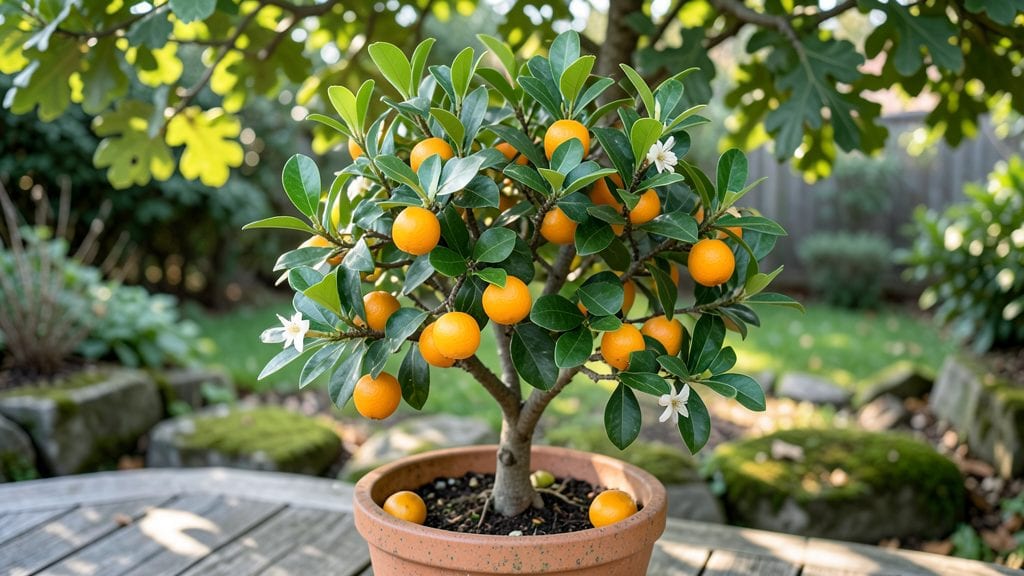
Caring for a kumquat tree transforms your patio into a fragrant citrus oasis—if you nail the watering, light, and pruning. I’ve learned that these tiny trees thrive with morning sun and well-draining soil, but most people overwater them, leading to root rot and fruit drop.
The key is precision: too much water drowns the roots, while too little causes leaves to curl and fruit to shrivel.
Start with a pot that’s 12-15 inches deep—kumquats hate soggy feet—and use a mix of potting soil and perlite for drainage. Water only when the top inch of soil feels dry, and prune new growth in late winter to encourage bushier shape.
My tree now produces dozens of sweet-tart fruits every fall, and the scent alone makes the effort worth it.
You’ll spot early signs of trouble—yellow leaves mean overwatering, while brown edges signal underwatering or low humidity. A light feeding with citrus fertilizer every 6-8 weeks keeps them lush, and neem oil sprays off aphids before they take hold.
The best part? Harvesting ripe kumquats straight from the tree, their peel as edible as the flesh.
This method works for both dwarf varieties (great for containers) and standard trees in warm climates. Even if you’ve killed houseplants before, kumquats are forgiving—just stay consistent with care, and you’ll have a thriving tree in no time.
📚 In This Guide
- What you need
- Instructions
- Tips and common mistakes
- Wrapping up and next steps
What you need
- ● Potting Soil: Well-draining, slightly acidic mix (pH 5.5–6.5). Use 10-20 lbs for a 5-gallon pot or 30-50 lbs for in-ground planting.
- ● Pot (if container-grown): 5–15 gallon size with drainage holes. Terracotta or fabric pots work best for airflow.
- ● Pruning Shears: Sharp, bypass-style shears (avoid anvil types—they crush stems). 1 pair is all you need!
- ● Gloves: Heavy-duty gardening gloves to protect against thorns and sap.
- ● Fertilizer: Citrus-specific slow-release granules (10-10-10 or 8-3-9 ratio). Use 1 lb per 50 sq ft annually.
- ● Mulch: Organic mulch (wood chips or straw) to retain moisture and regulate soil temp. Apply 2–3 inches around the base.
- ● Watering Can or Hose: With a gentle spray nozzle to avoid damaging tender leaves.
- ● Root stimulator (for transplanting or repotting).
- ● Pest control: Neem oil or insecticidal soap (for aphids/spider mites).
- ● Support stake (if growing tall varieties in containers).
- ● Soil pH test kit (to monitor acidity levels).
- ● Pruning sealant (for large cuts, though kumquats heal quickly).
Instructions for kumquat tree care: year-round health with precision trimming
Here’s the method I’ve used to keep kumquat trees thriving in containers and small spaces—no overwatering, no guesswork.
Select the Right Container and Soil
Kumquats need well-draining soil and root space to prevent rot and encourage fruiting. Choose a 5-gallon container (minimum) with drainage holes—terra cotta works best because it breathes. Fill with a mix of 60% potting soil, 30% perlite, and 10% compost to balance moisture and nutrients.
Tap the container gently after filling to settle the soil without compacting it. The surface should feel loose enough for roots to penetrate but firm enough to support the tree. I always add a 2-inch layer of gravel at the bottom to prevent clogging and improve drainage—kumquats hate soggy roots.
Prune for Shape and Airflow in Late Winter
Prune just before buds swell (typically February or early March) to remove dead, crossing, or inward-growing branches. Use sterilized pruners to make clean cuts at a 45-degree angle just above a leaf node. This prevents disease and encourages new growth.
Shape the tree into an open vase form—remove any branches growing toward the center to improve airflow and sunlight penetration. Kumquats fruit on new wood, so avoid heavy pruning; limit cuts to no more than 25% of the canopy in a single session. You’ll see fresh, green growth within 4-6 weeks if done correctly.
Water Deeply but Infrequently
Kumquats are drought-tolerant once established, but they need consistent moisture during fruiting. Water deeply every 7-10 days—until water runs freely from the drainage holes—then let the top 2 inches of soil dry out before watering again. Overwatering is the #1 killer of container kumquats.
Check soil moisture by inserting your finger 2 inches deep; if it feels dry, it’s time to water. In summer, you may need to water every 5-7 days, but always let excess water drain completely. Mulch the soil surface with 1 inch of organic mulch (like bark chips) to retain moisture and regulate temperature.
Provide Full Sun and Fertilize Strategically
Kumquats thrive in full sun (6+ hours daily)—place your tree near a south- or west-facing window or under grow lights if indoors. Without enough light, branches grow leggy, and fruit production drops. You’ll know the light is right when leaves stay deep green and glossy without yellowing.
Fertilize twice a year: once in early spring (when buds form) and again in mid-summer (when fruit sets). Use a balanced citrus fertilizer (6-6-6 or 8-3-9) at half-strength to avoid burning roots. Stop fertilizing 2 months before fall to let the tree harden off for dormancy.
Protect from Pests and Winter Chill
Kumquats attract scale, aphids, and spider mites—check leaves weekly for sticky residue or webbing. Spray infestations with neem oil (mixed at 1 tbsp per gallon of water) and repeat every 5-7 days until pests disappear. Prune heavily infested branches immediately to contain outbreaks.
In winter, kumquats need cool but not freezing temperatures (40-50°F). If temps drop below 30°F, move the tree indoors near a bright window or use frost cloth to shield it. Reduce watering to every 3-4 weeks during dormancy—overwatering in winter suffocates roots.
Tips & tricks for perfect kumquat tree care
Here's what I've learned after years of keeping kumquats thriving in containers—these small details make all the difference between a struggling plant and a fruit-bearing beauty.
Soil Composition Secrets: The 60-30-10 mix in Step 1 isn't just arbitrary—it creates the perfect balance. The perlite prevents compaction while the compost provides slow-release nutrients. Pro tip: If you're using pre-mixed potting soil, add an extra 10% coconut coir to improve moisture retention during summer's peak fruiting season. I've found that kumquats respond beautifully to this adjustment, especially in hotter climates.
Pruning Precision: When shaping your tree in Step 2, focus on creating an open center that lets sunlight reach all branches. I've made the mistake of leaving too many branches in the middle—this leads to crowded growth and fewer fruits. After pruning, wipe your pruners with rubbing alcohol between cuts to prevent spreading any potential diseases. The 45-degree angle isn't just aesthetic; it helps water run off the cuts, reducing rot risk.
Winter Care Strategy: The 40-50°F temperature range in Step 5 is crucial for dormancy. If you're moving your tree indoors for winter, place it near a bright window but avoid heat sources like vents. I've seen many people overwater during winter—remember, you're only watering every 3-4 weeks at this point. The key is to mimic natural winter conditions where the tree would experience cooler temperatures and less frequent watering in its native environment.
Fertilizer Timing: The twice-yearly fertilization schedule in Step 4 works because it aligns with the tree's natural growth cycles. Early spring fertilization gives the tree energy for new growth, while mid-summer feeding supports fruit development. Here's my secret: I mix in a handful of worm castings with the fertilizer in spring—it gives the roots a gentle boost without the risk of burning that comes with chemical fertilizers.
Pro Tips for Kumquat Tree Care
- Here's what I've learned after years of keeping kumquats thriving in containers—these small details make all the difference between a struggling plant and a fruit-bearing beauty.
- Soil Composition Secrets: The 60-30-10 mix in Step 1 isn't just arbitrary—it creates the perfect balance.
- Pruning Precision: When shaping your tree in Step 2, focus on creating an open center that lets sunlight reach all branches.
Frequently asked questions
Got questions about keeping your kumquat tree thriving?
Here are answers to the most common ones—so you can prune with confidence and enjoy those sweet-tart fruits all year!
How often should I prune my kumquat tree?
Prune your kumquat tree twice a year: once in late winter (before new growth) to shape and remove dead wood, and again in early summer to encourage fruit production. Light trimming between harvests can also improve airflow. Avoid heavy pruning during flowering or fruiting seasons, as this can stress the tree.
Can I eat kumquats straight from the tree?
Kumquats are edible peel and all—unlike citrus, the skin is sweet and flavorful. Pick them when fully colored (usually orange or red) and slightly soft to the touch. For the best taste, let them ripen on the tree a bit longer. Pro tip: Rinse before eating if they’ve been sprayed with pesticides, or opt for organic varieties!
How cold can kumquat trees tolerate?
Most kumquat varieties are tender to frost and thrive in USDA zones 9–11. If you live in colder climates (zones 7–8), grow them in containers and bring them indoors during winter. Use frost cloth or a greenhouse to protect outdoor trees. Warning: Even light frost can damage leaves, so monitor temps below 28°F!
What’s the best way to prune for fruit production?
Focus on opening the canopy by thinning out crowded branches to let sunlight reach the center. Cut back overly long or leggy growth to encourage bushier shape, which boosts fruit yield. Avoid "topping" (cutting the main stem flat)—this can reduce flowering. Goal: Aim for a balanced, open tree with good airflow!
Why are my kumquat leaves yellowing or dropping?
Yellow leaves often signal overwatering, underwatering, or nutrient deficiencies. Check soil moisture—kumquats prefer well-draining soil and hate soggy roots. Yellowing between veins may mean iron deficiency (use chelated iron). Dropping leaves? It could be stress from heat, cold, or pests (like scale insects). Inspect undersides for pests and adjust care accordingly.
Can I grow a kumquat tree in a pot?
Yes! Kumquats adapt well to containers if given adequate space (15–20 gallon pot) and regular pruning to control size. Use a fast-draining potting mix and repot every 2–3 years. Place in full sun and water when the top inch of soil is dry. Bonus: Potted trees are perfect for small spaces or cold climates!
Wrapping up and next steps
Caring for your kumquat tree is all about balance—giving it the right mix of sunlight, water, and precision trimming to keep it thriving year-round. 🌱 With the knowledge you’ve gained, you’re now equipped to prune like a pro, ensuring a healthy harvest and a stunning tree. Don’t stop here! Grab your pruning shears and head outdoors—your kumquat tree is waiting for your expert touch!