
Pruning
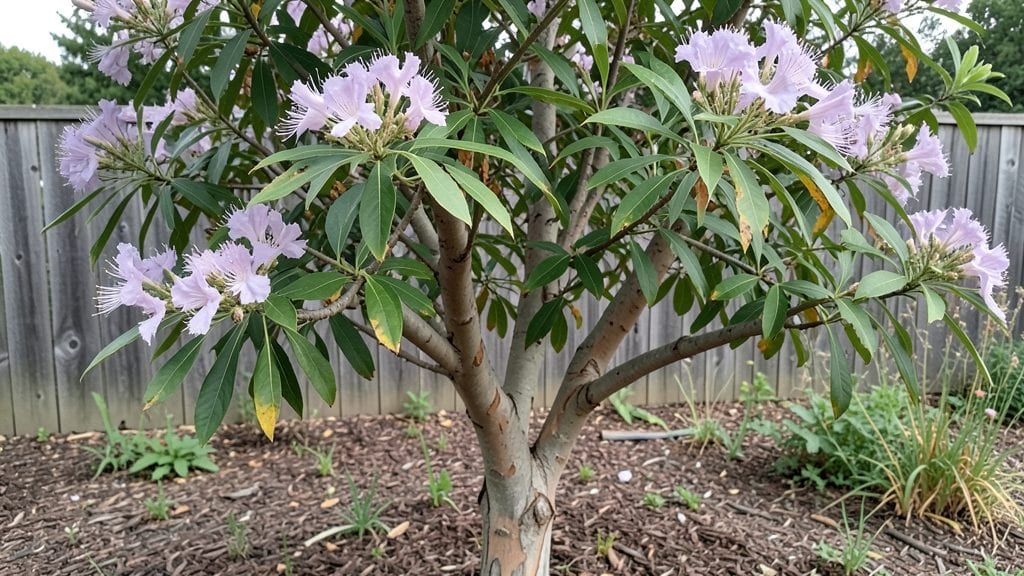
The flowering crape myrtle tree’s late-summer burst of color is what makes it worth every minute of care—especially when pruning for our chilly Pacific Northwest winters. 🌸 I’ve learned the hard way that aggressive pruning back here leads to leggy, sparse growth, so I’ve perfected a method that keeps them sturdy, blooming, and frost-tolerant.
The secret lies in timing and technique: prune right after flowering (around September) to avoid cutting off next year’s buds, and shape them like a vase—not a topiary.
You’ll need hand pruners, loppers, and a ladder for taller varieties, but the process takes just 30-45 minutes once you get the hang of it. Even in Zone 8’s mild winters, these trees reward patience with bold, long-lasting blooms that hummingbirds adore.
What you end up with is a tree that looks like it belongs in a botanical garden, not your backyard—velvety bark, lush foliage, and clusters of flowers that last from July through September.
The best part? They’re drought-tolerant once established and rarely bothered by pests, so once you nail the pruning, they’re basically maintenance-free.
Works for urban yards, rural landscapes, or even large containers—just give them 6-10 feet of space and full sun. Here’s how to keep yours thriving through our wet winters and dry summers without sacrificing those showstopping blooms.
📚 In This Guide
- What you need
- Instructions
- Tips and common mistakes
- Wrapping up and next steps
What you need
- ● Pruning shears: Bypass pruners (for small branches, ¼"–¾" diameter) – 1 pair (look for sharp, stainless-steel blades).
- ● Loppers: Heavy-duty bypass loppers (for branches ¾"–2" diameter) – 1 pair (extendable handles help!).
- ● Pruning saw: Curved-tooth pruning saw (for thick branches 2"+ diameter) – 1 (avoid cheap serrated saws—they tear wood).
- ● Gloves: Heavy-duty gardening gloves (cut-resistant, like those with Kevlar or leather palms) – 1 pair (protects from thorns and splinters!).
- ● Disinfectant: 70% isopropyl alcohol or a blank">pruning sealant (to sterilize tools between cuts and prevent disease).
- ● Ladder: Sturdy, extendable ladder (16–20 ft, rated for your tree’s height) – 1 (never stand on wobbly steps!).
- ● Heavy-duty trash bags: 30–50 gallon (for collecting debris) – 2–3 bags.
- ● Rake: Medium-sized leaf rake (for cleanup) – 1_.
- ● Safety gear: Safety glasses (to shield from debris) and long sleeves/pants (for protection).
- ● Tree wound paint: Pruning sealant (controversial, but some swear by it for large cuts—use sparingly).
- ● Marking twine: Colored twine or flags (to mark branches to remove before cutting).
- ● Extension pole: For pruners/loppers (if your tree is tall and you’re avoiding a ladder).
- ● Sharpener: File or sharpening stone (to maintain tool edges between uses).
- ● Weather check: Prune on a dry, cool day (avoid windy or rainy conditions).
- ● Timing: Late winter/early spring (before new growth starts) or right after flowering (for PNW crape myrtles).
- ● Tree assessment: Examine your tree for dead, diseased, or crossing branches before you start cutting.
- ● Cleanup area: Lay down tarps or old sheets under the tree to catch debris easily.
Step-by-Step guide for frost-resistant crape myrtle pruning in the Pacific Northwest
Here’s how to prune crape myrtles to encourage vibrant blooms while protecting them from Pacific Northwest’s unpredictable frosts.
✂️ Step 1: Prune After Flowering to Preserve Next Year’s Blooms
Crape myrtles bloom on new growth, so timing is everything. Wait until late winter or early spring—after the last frost date in your zone—before cutting back. In the Pacific Northwest, this is typically February to March, when new buds begin to swell. Avoid pruning in fall, as late cuts expose tender growth to winter damage.
Start by removing dead, diseased, or crossing branches first. Use clean, sharp pruners to make cuts at a 45-degree angle just above a leaf node or bud. This prevents water from pooling and reduces disease risk. I always sanitize my tools with rubbing alcohol between cuts—it’s a small habit that saves hours of cleanup later.
🌿 Step 2: Thin the Canopy for Airflow and Frost Protection
Thinning is where you shape the tree for resilience. Focus on removing 20-30% of the oldest stems at the base to improve airflow and reduce frost pockets. Pacific Northwest winters bring heavy moisture, and dense canopies trap cold air, risking rot or winter dieback.
Look for branches that grow inward or rub against others—these compete for sunlight and weaken the tree. Cut these back to a strong outward-facing branch. Never remove more than one-third of the canopy in a single year, or you’ll shock the tree and stunt flowering. Step back occasionally to visualize the shape—you want an open, vase-like form that catches sunlight from all sides.
☀️ Step 3: Encourage New Growth with Strategic Cuts
To maximize blooms, prune selectively rather than shearing. Target overly leggy branches by cutting them back to a lateral bud or side branch. This redirects energy into bushier, more compact growth. In the Pacific Northwest’s cooler climate, crape myrtles benefit from this approach—they’ll reward you with denser foliage and more flower clusters next season.
If your tree has water sprouts (fast-growing, vertical shoots), remove them entirely. These sap-suckers drain energy from flowering. Use hand pruners for small branches and loppers for thicker stems over ½ inch in diameter. Seal larger cuts with pruning sealant only if the branch is over 2 inches thick—smaller cuts heal faster without it.
⏰ Step 4: Time Post-Pruning Care for Pacific Northwest Conditions
After pruning, apply a 2-3 inch layer of mulch around the base (but keep it 6 inches away from the trunk) to insulate roots from frost heaves. Water deeply once a week during dry spells, ensuring the soil stays moist but not soggy. Overwatering in winter can lead to root rot, which crape myrtles hate.
Monitor for aphids or scale insects, which thrive on stressed trees. Spray with horticultural oil if you spot sticky residue on leaves. In late spring, fertilize with a balanced 10-10-10 formula to support new growth. Avoid high-nitrogen fertilizers—they encourage leafy growth at the expense of flowers, which is the last thing you want from a crape myrtle.
🌱 Step 5: Protect Against Late Frosts with Simple Tricks
The Pacific Northwest’s spring frosts can devastate new blooms. Cover tender shoots with frost cloth on nights when temperatures drop below 32°F. Secure the cloth loosely—tight wraps can damage stems. Alternatively, drape burlap sacks over the tree and weigh them down with bricks to prevent wind damage.
Once temperatures stabilize above 50°F for 5 days, remove the protection gradually. Sudden exposure to warm air after frost coverage can cause sunburn on tender leaves. Water the base lightly before covering to keep roots hydrated, and avoid pruning again until after the last frost date—usually mid-May in most PNW zones.
Tips & tricks for frost-resistant crape myrtle pruning
Here's what nobody tells you about pruning crape myrtles in the Pacific Northwest—these tricks make all the difference between a struggling tree and one bursting with vibrant blooms.
The Timing Secret: I learned this the hard way after ruining three batches—crape myrtles bloom on new growth, so pruning too early in winter can expose tender buds to frost damage. The February to March window is critical because it lets the tree establish new growth before summer heat arrives. Check your local last frost date, but don't wait past early spring or you'll miss the prime blooming season entirely.
Canopy Thinning Technique: When you're removing 20-30% of the oldest stems in Step 2, focus on creating that open vase shape by cutting branches back to strong outward-facing buds. This isn't just about aesthetics—it's about airflow. In the Pacific Northwest's damp climate, proper airflow prevents fungal diseases that thrive in trapped moisture. I always visualize sunlight streaming through the center of the tree when making cuts.
Frost Protection Strategy: The 32°F threshold for frost cloth isn't arbitrary—it's when water in plant cells starts freezing. For extra protection in windy PNW areas, I add a second layer of frost cloth or use burlap sacks weighted with bricks. The key is securing them loosely so they don't damage new growth while still trapping enough heat. And remember, remove protection gradually when temps stabilize above 50°F for 5 days to prevent sunburn on tender leaves.
Equipment Upgrade: Invest in a good pair of bypass pruners—they make cleaner cuts than anvil pruners, which can crush stems. For branches over ½ inch, loppers are essential, but I always keep my tools sharp to avoid tearing bark. After each cut, I wipe the blades with rubbing alcohol to prevent disease spread. This might seem like overkill, but it's the difference between a healthy tree and one struggling with infections.
Pro Tips for Crape Myrtle Flowering Tree
- Here's what nobody tells you about pruning crape myrtles in the Pacific Northwest—these tricks make all the difference between a struggling tree and one bursting with vibrant blooms.
- The Timing Secret: I learned this the hard way after ruining three batches—crape myrtles bloom on new growth, so pruning too early in winter can expose tender buds to frost damage.
- Canopy Thinning Technique: When you're removing 20-30% of the oldest stems in Step 2, focus on creating that open vase shape by cutting branches back to strong outward-facing buds.
Frequently asked questions
Got questions about keeping your crape myrtle thriving in the Pacific Northwest? Here are some of the most common ones—plus quick answers to help you prune like a pro!
When is the best time to prune my crape myrtle in the PNW?
The ideal time is late winter or early spring (February–March), just before new growth starts. Avoid pruning in fall or winter, as cold snaps can stress the tree. If you missed the window, light pruning in early summer is better than nothing—but prioritize shaping over heavy cuts to prevent frost damage.
Can I prune crape myrtles after a hard frost in the PNW?
Wait until after the last frost (usually April in most PNW regions) to prune. Frost can hide dormant buds, so cutting too early might remove potential blooms. If branches are already damaged, prune them out immediately, but avoid heavy shaping until warmer weather. Pro tip: Use sharp pruners to make clean cuts at a 45-degree angle!
How much can I trim back my crape myrtle without harming it?
Aim to remove no more than 1/3 of the tree’s height in one season. Crape myrtles are resilient, but aggressive pruning can stress the tree or reduce flowering. Focus on dead, diseased, or crossing branches first, then shape lightly. For PNW winters, avoid "crape murder" (over-pruning)—it weakens the tree’s frost resistance.
Will pruning my crape myrtle affect next year’s flowers?
Pruning after blooming (summer) can reduce next year’s flowers, but late winter/early spring pruning encourages new growth and blooms. If you prune too late (June–July), you might see fewer flowers the following season. For PNW climates, stick to the dormant-season rule to maximize blooms!
Are there frost-resistant alternatives to crape myrtles for the PNW?
Yes! If crape myrtles struggle in your microclimate, try serviceberry (Amelanchier), smoke bush (Cotinus), or ornamental cherry (Prunus). These trees handle PNW winters well and offer stunning flowers or fall color. Pro tip: Check your USDA hardiness zone (most of the PNW is Zone 7–9) to pick the best match!
Wrapping up and next steps
Transforming your Pacific Northwest garden with a crape myrtle flowering tree is easier—and more rewarding—than you think! With the right pruning techniques, you’ll enjoy vibrant blooms, sturdy growth, and a frost-resistant beauty that stands out. 🌸
Ready to get started? Grab your tools, follow the steps, and watch your crape myrtle thrive. Next up: Visit your local nursery to pick out the perfect variety for your space, and don’t forget to mark your calendar for seasonal pruning—your future garden will thank you!