
Pruning
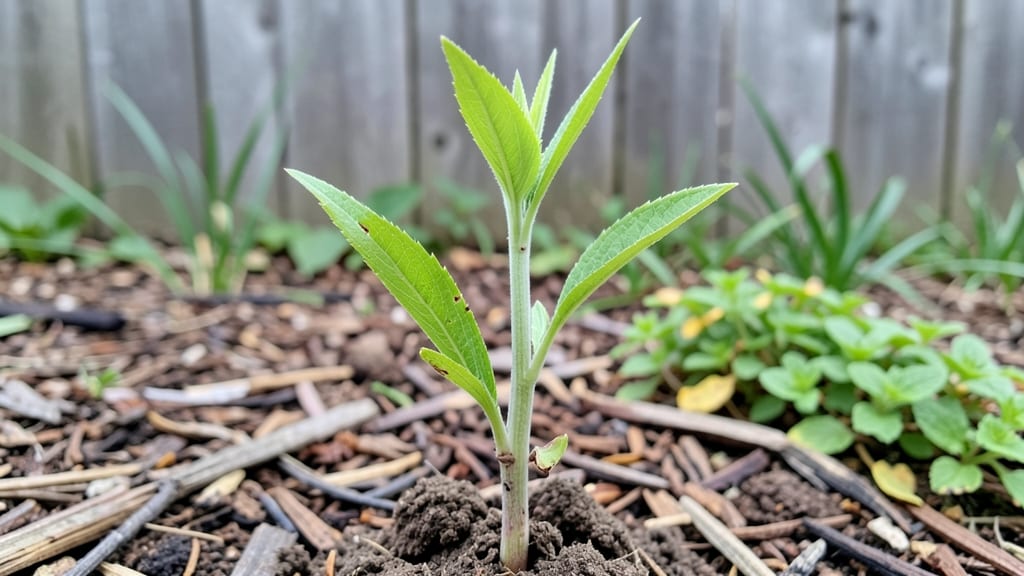
Those cottonwood tree sprouts can turn your yard into a tangled mess if you don’t tackle them early. I’ve spent years wrestling with these aggressive suckers in Pacific Northwest yards, and I’ve learned the right timing and technique make all the difference.
The key? Pruning at the right season—not too early, not too late—so you don’t stress the tree or invite pests.
Most people grab their pruners too late, when the suckers are already 3 feet tall. Instead, I start in late winter or early spring, just as new growth begins. You’ll need sharp bypass pruners, a clean rag for sealing cuts, and maybe some mulch to smother any stragglers.
The goal is to remove them at the base without damaging the main trunk—cottonwoods are tough, but they hate rough treatment.
What you’ll end up with is a cleaner, healthier tree that focuses its energy on strong branches instead of wild sprouts. Your lawn will look neater, and the tree itself will grow straighter and more resilient.
Plus, you’ll avoid the heartache of watching those suckers pop up again and again—something I’ve seen too many times to count.
This method works year-round in mild PNW climates, but spring and fall are ideal. If you’ve got a young cottonwood, give it extra attention—the first few years are when those sprouts get most aggressive. Let’s get those pruners ready and reclaim your yard!
📚 In This Guide
- What you need
- Instructions
- Tips and common mistakes
- Wrapping up and next steps
What you need
- ● Pruning shears: Bypass pruners (sharp, clean, and well-oiled—think blank">Felco F-2 or blank">Gonicc models). Quantity: 1 pair.
- ● Loppers: Heavy-duty (10–12" reach) for thicker sprouts. Quantity: 1 pair (e.g., blank">Fiskars X27).
- ● Pruning saw: Curved-tooth saw for stubborn branches (e.g., blank">Bahco or blank">Fiskars). Quantity: 1.
- ● Gloves: Heavy-duty work gloves (cut-resistant, like blank">Mechanix or blank">Wells Lamont). Quantity: 1 pair.
- ● Ladder: Extendable aluminum ladder (16–20 ft, rated for 300+ lbs). Quantity: 1 (or a blank">tree pruning pole for high sprouts).
- ● Disinfectant: 70% isopropyl alcohol or blank">pruning sealant (e.g., blank">Tanglefoot Tree Wound Pruning Seal). Quantity: Small bottle.
- ● Heavy-duty trash bags: 30–50 gallon (for debris). Quantity: 2–3 bags.
- ● Work boots: Steel-toe or composite-toe (PNW terrain is not forgiving!).
- ● Pole saw: For high-reaching sprouts (e.g., blank">Fiskars X7).
- ● Safety glasses: Protect your eyes from debris (e.g., blank">DeWalt or blank">Pyramid).
- ● Tree wound dressing: Controversial but useful for large cuts (e.g., blank">Ortho Tree Seal).
- ● Extension cord + hedge trimmer: For aggressive sprout removal (use cautiously!).
- ● First-aid kit: Because oops happens (even to pros!).
- ● Weather check: Prune on a dry, overcast day (avoid wind or rain).
- ● Safety brief: Clear the area of pets, kids, and your neighbor’s prized garden gnome.
- ● Tree knowledge: Identify cottonwood sprouts (look for willow-like leaves and fast growth).
- ● Local regulations: Check if your area requires permits for large-scale pruning.
Instructions for pruning cottonwood tree sprouts in the Pacific Northwest
Here’s how to keep your cottonwood tree vigorous and disease-free through strategic pruning.
Identify and Prepare for Pruning Season
Prune cottonwood tree sprouts during late winter or early spring, before new growth begins. This timing prevents stressing the tree and allows wounds to heal before summer heat. In the Pacific Northwest, aim for February through March when temperatures hover around 40-50°F. Wear thick gloves and long sleeves—cottonwood sap can irritate skin, and the branches are often sharp.
Check the tree for dead, diseased, or crossing branches first. Dead wood appears brittle and snaps easily, while diseased branches may show dark streaks or fungal growth. Mark these with a piece of twine or flagging tape before you start. This ensures you focus on problem areas without missing critical cuts. I always carry a small notebook to sketch the tree’s structure and note which branches to remove.
Remove Dead, Diseased, or Weak Sprouts
Start by cutting out any sprouts that are dead, diseased, or growing in the wrong direction. Use clean, sharp pruning shears for branches under ½ inch thick and loppers for thicker sprouts. Make your cuts just outside the branch collar—the swollen area where the branch meets the trunk. This promotes faster healing and reduces the risk of infection.
If a sprout is growing straight up from the ground (a common issue with cottonwoods), cut it at the base. These "sucker" sprouts drain energy from the main tree. For larger sprouts, make a clean cut at a 45-degree angle about ¼ inch above a lateral bud to encourage outward growth. Avoid leaving stubs—these can rot and invite pests.
Thin the Canopy for Airflow and Light
Thin the tree’s canopy by removing 20-30% of the smallest, interior branches to improve airflow and sunlight penetration. Focus on branches that are rubbing against others or growing inward. This reduces the risk of fungal diseases like powdery mildew, which thrives in damp, shaded conditions. In the Pacific Northwest’s humid climate, this step is especially critical.
Step back frequently to assess the tree’s shape. You want an open, vase-like structure with branches spaced evenly. Avoid over-thinning—cottonwoods need some density to support their weight. If you’re unsure, remove no more than one-third of the branches in a single season. I like to prune in stages over 2-3 years for large trees to avoid shocking the system.
Seal Larger Cuts and Monitor for Recovery
For cuts larger than 2 inches in diameter, apply a tree wound sealant to protect the exposed wood. While some gardeners debate whether sealants are necessary, I’ve found they help prevent moisture loss and pest entry in the Pacific Northwest’s wet winters. Avoid sealing smaller cuts—letting them air out speeds healing. After pruning, water the base of the tree deeply to reduce stress.
Watch the tree over the next 4-6 weeks for signs of stress, like wilting leaves or oozing sap. If you see excessive sap, the cuts may be too large—next time, prune earlier in the dormant season. Healthy new growth should appear within 2-3 weeks, signaling the tree is recovering well. I keep a calendar reminder to check on pruned trees in early spring to catch any issues early.
Tips & tricks for pruning cottonwood tree sprouts
Pruning cottonwoods right takes more than just cutting branches—it's about understanding the tree's natural growth patterns and Pacific Northwest conditions. Here are the insights I've learned from years of working with these trees.
Timing is Everything: The February through March window in the Pacific Northwest is critical because it aligns with the tree's dormant period. This timing allows wounds to heal before summer heat and prevents stressing the tree when it's actively growing. I've seen trees pruned in late spring struggle with fungal infections because the cuts don't have time to seal properly before the rainy season sets in.
Visual Cues for Healthy Cuts: When making your cuts in Step 2, look for the branch collar—the swollen area where the branch meets the trunk. This is your target for clean cuts that heal faster. I always make my cuts just outside this collar, about ¼ inch above lateral buds for larger sprouts. This technique creates a natural barrier that prevents pests and disease from entering the wound. The 45-degree angle helps water run off, reducing rot risk in our wet climate.
Canopy Thinning Strategy: The 20-30% thinning recommendation in Step 3 might sound aggressive, but it's essential for cottonwood health in our region. Focus on removing branches that are crossing or rubbing against others—these are prime spots for fungal diseases like powdery mildew. Step back frequently to visualize the tree's shape. You're aiming for that open, vase-like structure that allows sunlight to reach all parts of the canopy. I've found that pruning in stages over 2-3 years prevents shock to large trees while achieving the same long-term results.
Recovery Monitoring: After pruning, keep a close eye on your tree for the next 4-6 weeks. The 2-3 week window for new growth is your best indicator of successful pruning. If you notice excessive sap or wilting leaves, it might mean the cuts were too large. In our wet winters, I've learned that sealing cuts over 2 inches in diameter with tree wound sealant helps prevent moisture loss and pest entry. For smaller cuts, let them air out—they'll heal faster than you might expect.
Pro Tips for Cottonwood Tree Sprouts
- Pruning cottonwoods right takes more than just cutting branches—it's about understanding the tree's natural growth patterns and Pacific Northwest conditions.
- Timing is Everything: The February through March window in the Pacific Northwest is critical because it aligns with the tree's dormant period.
- Visual Cues for Healthy Cuts: When making your cuts in Step 2, look for the branch collar—the swollen area where the branch meets the trunk.
Frequently asked questions
Got questions about cottonwood tree sprouts?
You’re not alone! Here are answers to the most common concerns from Pacific Northwest gardeners—so you can prune with confidence and keep your trees thriving.
How do I know if new sprouts are healthy vs. problematic?
Healthy cottonwood sprouts grow upright with green leaves and a sturdy stem. Problematic sprouts may appear weak, yellowed, or stunted—signs of disease, pests, or poor soil. If you see blackened tips or mushy stems, prune them immediately to prevent spread.
When is the best time to prune cottonwood sprouts in the PNW?
The ideal window is late winter to early spring (February–March), before new growth begins. Avoid pruning in fall—it can stimulate weak growth before winter. If you must prune later, do so in dry weather to reduce disease risk.
Should I cut sprouts at the base or leave a stub?
Always cut just above a bud or branch collar (the swollen area where branches meet the trunk). Leave a 1/4-inch stub—never cut flush—to prevent decay. Use sharp, clean tools to avoid tearing bark.
What if I accidentally damage the main trunk while pruning?
Don’t panic! Small wounds (under 1-inch wide) will heal naturally. For larger cuts, apply pruning sealant to protect against pests. Monitor the area for oozing sap or fungal growth—if you see either, consult a local arborist.
Are there natural alternatives to chemical treatments for pests on sprouts?
Yes! Try these PNW-friendly options:
- Neem oil spray (deters aphids, mites)
- Soap solution (1 tbsp mild soap + 1 quart water)
- Beneficial insects (ladybugs, lacewings) to combat pests
Wrapping up and next steps
Cottonwood tree sprouts may seem tricky, but with the right techniques—like timely pruning, proper tool use, and an understanding of their growth habits—you can nurture a thriving tree in the Pacific Northwest. 🌿 Remember, patience and consistency are key, and every cut brings you closer to a stronger, healthier specimen.
Ready to put your new pruning skills to work? Grab your tools, step outside, and give your cottonwood tree the care it deserves. Your green thumb is just a few snips away!