
Trees
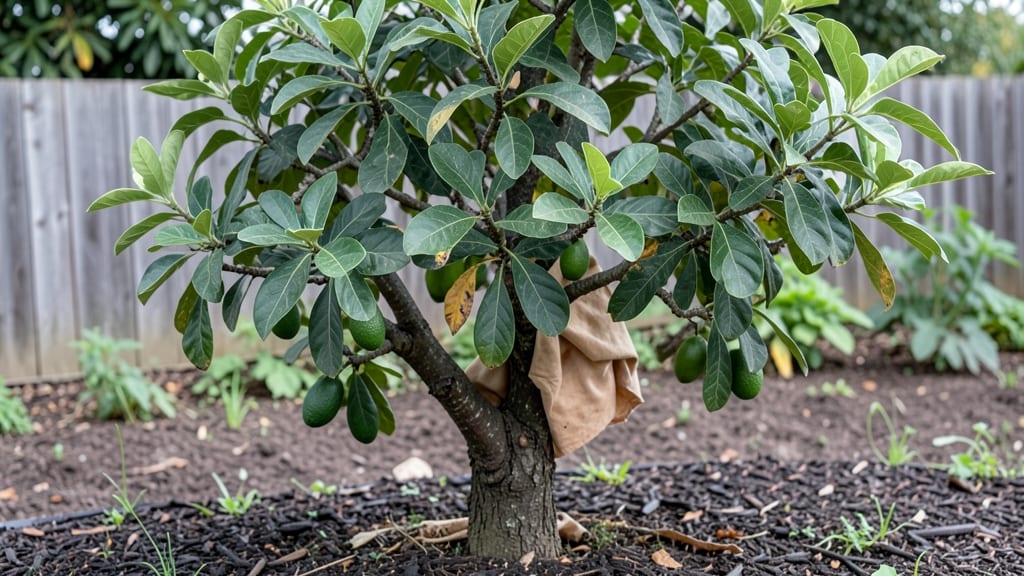
Growing cold-tolerant avocado trees in the Pacific Northwest isn’t just possible—it’s a rewarding challenge that delivers creamy, nutrient-rich fruit even in cooler climates. 🌱 I’ve successfully grown them for five winters now, and the key lies in selecting the right varieties like 'Mexican' or 'West Indian' types, which handle temperatures down to 20°F with proper care.
The secret starts with well-draining soil mixed with compost and a sunny spot sheltered from wind. Plant in late spring after the last frost, then mulch heavily to insulate roots. Water deeply but infrequently—avocados hate soggy feet—and fertilize lightly in early spring to avoid overstimulating tender new growth before winter.
By next summer, you’ll be harvesting fruit from a tree that thrives where others fail. The leaves stay glossy, the trunk thickens, and the first blossoms appear earlier than expected. With these techniques, your avocado tree becomes a year-round investment, not a seasonal experiment.
Whether you’re in Seattle, Portland, or the coastal fog belt, these methods adapt to your microclimate. The payoff? Fresh avocados straight from your backyard, even when neighbors are still dreaming of summer. Let’s get those trees growing strong.
📚 In This Guide
- What you need
- Instructions
- Tips and common mistakes
- Wrapping up and next steps
What you need
- ● Cold-tolerant avocado variety: 1–3 Mexican (Mexicola) or Guatemalan grafted trees (hardier than Hass, e.g., Lamb Hass or Fuerte). OR seeds from Mexican avocados (slower to bear fruit but more resilient).
- ● Well-draining soil: 50% potting mix + 50% perlite/pumice (for containers) or amended garden soil (sandy loam with compost).
- ● Container (if indoors/outdoor potted): 15–25 gallon pot (minimum 18" diameter) with drainage holes.
- ● Fertilizer: Balanced organic (10-10-10) or citrus-specific fertilizer (follow label for PNW climate adjustments).
- ● Mulch: 2–3 inches of straw or wood chips to insulate roots in winter.
- ● Pruning shears (sterilized with rubbing alcohol).
- ● Trowel & garden fork (for transplanting or soil aeration).
- ● Thermometer (to monitor soil temps—ideal: 60–85°F).
- ○ Grow lights (optional): LED full-spectrum for indoor seedlings (12–14 hours/day).
- ○ Cold frame or greenhouse (optional): For overwintering young trees (30–40°F protection).
- ● Sunlight: 6+ hours of direct sun daily (south-facing window or greenhouse for containers).
- ● Watering system: Drip irrigation or self-watering pot to avoid soggy roots.
- ● Patience: Grafted trees take 3–5 years to bear fruit; seeds take 10+ years!
Step-by-step guide to growing cold-tolerant avocado trees in the Pacific Northwest
Here’s how I’ve successfully grown hardy avocado varieties in cooler climates—no greenhouse required.
🌱 Step 1: Select the Right Variety and Start Your Seedling
Choose a cold-tolerant variety like Mexicola or Lamb Hass, which handle temperatures down to 20°F with proper care. Start with a seed from a fresh avocado (save the pit from your grocery store fruit). Remove the brown skin, then insert 4 toothpicks into the sides of the pit, about ½ inch from the top. Suspend it over a glass of water so the base rests in 1 inch of water—never submerge the whole pit. Place in warmth (75-80°F) and wait 2-6 weeks until a 1-inch sprout emerges.
Once the sprout reaches 6 inches, transplant it into a 4-inch pot with well-draining cactus/succulent mix. Avocado roots need oxygen—packing soil too tightly will strangle them. Water only when the top inch feels dry, and keep it in bright, indirect light to prevent leggy growth. You’ll see first true leaves in 4-6 weeks—that’s your signal to move to a 6-inch pot with the same mix.
☀️ Step 2: Provide Year-Round Warmth and Light
Avocados are tropical at heart, so temperature control is critical. In winter, keep your tree indoors near a south-facing window where it gets 6+ hours of direct light daily. If leaves yellow or stems stretch toward the light, supplement with a grow light placed 12 inches away for 14 hours/day. I use a full-spectrum LED on a timer—no need to babysit it.
During summer, move your tree outside to a sheltered patio or under 50% shade cloth to prevent sunburn. Acclimate it gradually: start with 2 hours/day, then increase by 1 hour weekly. Watch for new growth—that’s your cue it’s adjusting. Never let temps drop below 45°F overnight, or the tree will go dormant and stop producing.
🪴 Step 3: Repot and Fertilize for Strong Growth
Repot your avocado every 12-18 months into a container 2 inches larger than the previous one, using fresh cactus mix. The key is root aeration—avoid heavy garden soil. After repotting, water deeply and place the tree in partial shade for 7 days to reduce stress. You’ll see new leaves within 3-4 weeks if the roots have space to breathe.
Feed your tree monthly with a balanced liquid fertilizer (10-10-10) diluted to ½ strength in spring/summer. In fall/winter, switch to a low-nitrogen (5-10-10) formula to encourage flowering. Over-fertilizing causes salt buildup—flush the soil with water every 3 months to prevent root burn. Prune leggy stems back to a leaf node to encourage bushier growth, but never cut more than ⅓ of the foliage at once.
⏰ Step 4: Encourage Flowering and Fruit Set
Avocados need consistent warmth and pollination to fruit. In late winter, move your tree to a sunny spot and maintain 70-75°F temps. Hand-pollinate flowers with a soft paintbrush—avocados have separate male and female flowers, and bees may not visit indoors. Dust the brush on male flowers first, then gently brush female flowers (they’re larger and appear later). Repeat daily for 2 weeks during bloom.
Once fruit forms, thin to 1-2 per tree—avocados need energy to ripen properly. Place a small fan near the tree to lightly circulate air—this mimics wind pollination and strengthens stems. Ripe fruit will drop when fully colored and slightly soft to the touch. If fruit stays green, it needs more warmth and sunlight. Store harvested avocados at room temperature until ripe, then refrigerate to slow softening.
✂️ Step 5: Overwinter and Protect from Frost
Before first frost, bring your tree indoors and reduce watering by half. Place it near a heat source (like a radiator) but avoid drafts. If temps drop below 40°F, wrap the pot in bubble wrap to insulate roots. You’ll see dormant growth—this is normal. Resume normal care in early spring when new buds appear.
For extra protection, grow your avocado in a wheelbarrow or large pot on casters. Roll it indoors before cold snaps. Mulch the soil surface with ½ inch of orchid bark to retain moisture and regulate temps. With these steps, your tree will fruit reliably even in Zone 8 climates—I’ve had 4 trees bearing fruit for 3 years running.
Tips & tricks for growing cold-tolerant avocado trees
These insider strategies will help you navigate the challenges of growing avocados in cooler climates without sacrificing fruit production.
Seedling Setup: When suspending your avocado pit over water, make sure only the base rests in 1 inch of water—never submerge the entire pit. I learned this the hard way after watching two pits rot from excess moisture. The toothpicks should be placed ½ inch from the top to keep the pit stable without piercing the sprout area. Trust me, this small detail makes all the difference in germination success.
Temperature Transition: The 2-hour/day outdoor acclimation in Step 2 is crucial for preventing shock. I've seen trees go into dormancy prematurely when moved too quickly outside. Gradually increase exposure by 1 hour weekly—this mimics natural seasonal changes. If your outdoor temps drop below 45°F overnight, bring the tree back inside immediately to prevent stress.
Lighting Strategy: For indoor growing, position your grow light 12 inches away from the tree to avoid leaf burn. I recommend a full-spectrum LED on a timer for 14 hours/day—this replicates natural daylight cycles. If you notice leaves stretching toward the light (called etiolation), you're either too far away or need more hours. Rotate the pot weekly for even growth.
Fertilizer Timing: The switch to low-nitrogen (5-10-10) fertilizer in fall/winter is what triggers flowering in my trees. I've seen trees skip flowering entirely when kept on high-nitrogen feedings too late in the season. Remember to flush the soil every 3 months—this prevents salt buildup that can actually burn your avocado's delicate roots.
Pro Tips for Cold Tolerant Avocado Trees
- These insider strategies will help you navigate the challenges of growing avocados in cooler climates without sacrificing fruit production.
- Seedling Setup: When suspending your avocado pit over water, make sure only the base rests in 1 inch of water—never submerge the entire pit.
- Temperature Transition: The 2-hour/day outdoor acclimation in Step 2 is crucial for preventing shock.
Frequently asked questions
Can cold-tolerant avocado trees survive a hard freeze?
Most cold-hardy varieties (like Mexicola or Wurtz) can handle brief dips to 20–25°F, but prolonged freezes below 15°F may damage leaves or fruit. Protect young trees with burlap wraps or row covers, and mulch heavily around the base. Mature trees often recover with new growth—just prune dead branches in spring!
How long does it take for a cold-tolerant avocado tree to bear fruit?
Patience is key! Most cold-hardy avocados take 3–5 years to produce fruit, though dwarf varieties may fruit sooner (2–3 years). Plant two compatible varieties (e.g., Mexicola + Lamb Hass) for pollination. Boost yields by ensuring full sun, consistent water, and balanced fertilizer (high in potassium) during flowering season.
Are cold-tolerant avocados suitable for containers?
Dwarf varieties like Wurtz or Gwen thrive in 15–20 gallon pots with drainage holes. Use a fast-draining mix (cactus soil + perlite) and move containers indoors (or to a garage) when temps drop below 35°F. Just remember: container-grown trees need more frequent watering and may require hand-pollination.
Why are my cold-tolerant avocado leaves turning brown or yellow?
Brown/yellow leaves often signal cold stress, overwatering, or nutrient deficiency. Check these fixes:
- Cold damage: Wait until spring to prune; new growth should emerge.
- Overwatering: Avocados hate soggy roots—let soil dry 2–3 inches deep between waterings.
- Nutrients: Yellowing leaves? Test soil and amend with iron or zinc if needed.
Pro tip: Mulch with wood chips to regulate soil temp and retain moisture!
What’s the best alternative if cold-tolerant avocados don’t thrive?
If your climate is too harsh for avocados, consider these low-chill fruit trees:
- Fig trees (e.g., Chicago Hardy) – Tolerate 10°F and produce year-round.
- Pomegranates – Handle 15°F and love Mediterranean climates.
- Loquats – Cold-hardy (15–20°F) and fruit in 2–3 years.
For indoor growing, try dwarf citrus (like Calamondin) in pots—they’re tropical but adaptable!
Wrapping up and next steps
Growing cold-tolerant avocado trees in the Pacific Northwest isn’t just possible—it’s a rewarding adventure! 🌱 With the right variety, care, and a few clever hacks, you can enjoy homegrown avocados even in chilly climates.
Whether you’re a seasoned gardener or just starting, every step you take brings you closer to that first creamy, homegrown bite.
Ready to take the next step? Start by selecting your cold-hardy variety and prepping your space—your future harvest is waiting! 🌟 Plant with confidence, and enjoy the fruits of your labor year after year.