
Pruning
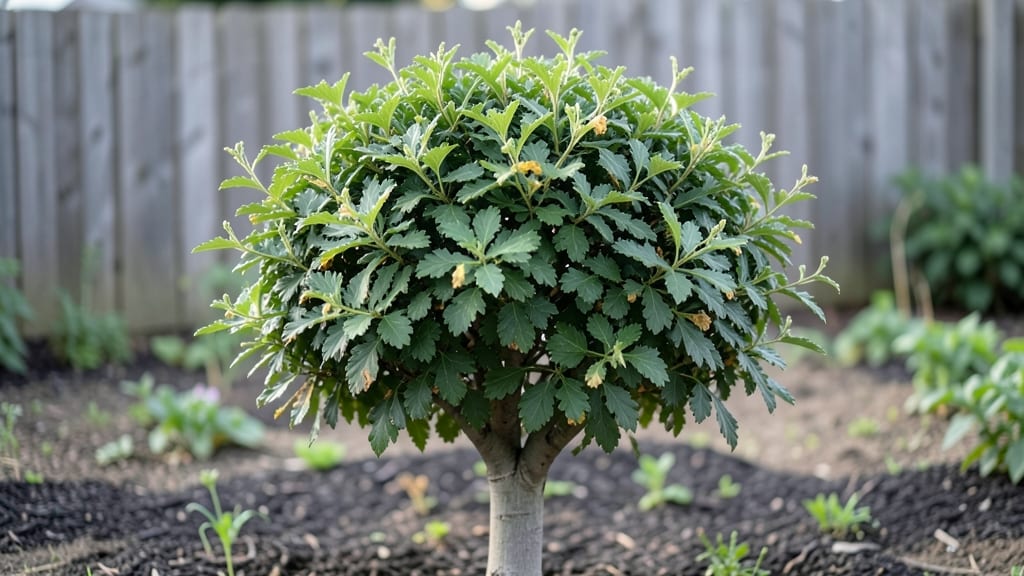
Pruning your Chinese elm tree (Ulmus parvifolia) isn’t just about shaping—it’s about preserving its legendary cold-hardiness and Pacific Northwest resilience. I’ve watched mine stand firm through winter storms while other trees sag under the weight of snow, and the secret lies in strategic cuts that encourage dense, sturdy growth.
The key? Prune during late winter or early spring when the tree is dormant but before new buds swell, giving it time to heal before summer’s heat arrives.
You’ll need sharp pruners, a ladder (for higher branches), and a clear day to assess the canopy. Chinese elms respond well to open-center pruning, where you remove deadwood first, then thin out crossing branches to let light reach the inner trunk.
Aim to remove no more than 25% of the foliage in one session—this tree is tough, but even it won’t bounce back from aggressive cuts. The goal is a balanced shape that lets air circulate, reducing disease risk in our damp climate.
What you’ll end up with is a tree that looks like it belongs in a forest but thrives in urban spaces—its small, textured leaves and upright habit make it a standout in city landscapes.
After pruning, step back and admire how the branches frame the sky; a well-pruned Chinese elm feels like a natural sculpture, sturdy enough to outlast decades of Pacific Northwest weather. The best part?
You’ll rarely need to prune again until next winter, giving you more time to enjoy its shade and strength.
For those with limited space or younger trees, focus on structural pruning in the first few years to encourage a strong central leader. Mature trees can handle heavier pruning every 2-3 years, but always prioritize removing dead or diseased wood first.
This tree’s natural resilience means it forgives mistakes, but a little care now saves hours of cleanup later—and keeps your Pacific Northwest garden looking effortlessly polished.
📚 In This Guide
- What you need
- Instructions
- Tips and common mistakes
- Wrapping up and next steps
What you need
- ● Pruning shears: Bypass pruners (for cuts up to ½ inch thick) – look for sharp, stainless-steel blades (e.g., Felco F-2 or Corona Tools).
- ● Loppers: 1 pair (for branches ½–1½ inches thick) – opt for ratcheting loppers for leverage.
- ● Pruning saw: 1 curved-tooth saw (for branches 1½+ inches thick) – avoid rust; carbon steel is ideal.
- ● Extension pole: 1 (6–10 ft) with a pruning saw attachment – saves time for high branches.
- ● Disposable gloves: 1 pair (nitrile-coated for grip and protection).
- ● Sealing wax: 1 small tub (e.g., Tanglefoot Tree Wound Pruning Sealer) – for cuts larger than 2 inches.
- ● Disinfectant: 70% isopropyl alcohol or 10% bleach solution (1 part bleach to 9 parts water) – sterilize tools between cuts.
- ● Heavy-duty trash bags: 2–3 (for debris disposal).
- ● Ladder: 1 (if tree exceeds 10 ft; aluminum extension ladder preferred).
- ● Hand saw: For stubborn, thick branches (if loppers struggle).
- ● Rope or harness: For safety when working high up.
- ● Hose or spray bottle: To clean tools mid-pruning.
- ● Tree paint: (e.g., Dykem Tree Wound Paint) – controversial but some swear by it for large wounds.
- ● Notebook/pencil: To sketch a pruning plan before starting.
- ● Weather: Prune on a dry, overcast day (avoid windy or rainy conditions).
- ● Timing: Late winter/early spring (before bud break) or summer after leaf-out.
- ● Safety gear: Closed-toe shoes, long sleeves, and eye protection.
- ● Tree health check: Inspect for elm leaf beetles or Dutch elm disease before pruning.
Step-by-Step guide to pruning Chinese elm (Ulmus parvifolia)
Pruning this cold-hardy tree keeps it healthy and thriving in Pacific Northwest climates.
Assess the Tree for Pruning Needs
Start by examining the tree’s canopy for dead, diseased, or crossing branches. Look for branches that rub against each other or grow inward, as these create weak points and invite pests. I focus on removing any branches that are thinner than a pencil—these are often the first to die back in damp Pacific Northwest winters.
Check for signs of Dutch elm disease, like yellowing leaves or wilting branches, especially if your tree is near other elms. If you spot any suspicious growth, remove it immediately and disinfect your pruning tools with rubbing alcohol. The best time to assess is in late winter or early spring, just before new growth begins.
Gather the Right Tools and Safety Gear
You’ll need a sharp pair of pruning shears for small branches, loppers for medium-sized limbs, and a pruning saw for thicker branches. Don’t skip safety gear—wear gloves to protect your hands and safety glasses in case of debris. I also recommend having a ladder or extension pole if your tree is tall, as reaching awkwardly increases the risk of injury.
Keep a bucket or tarp nearby to collect fallen branches and leaves. This makes cleanup easier and prevents tripping hazards. If you’re working near power lines, call your utility company first—Chinese elms can grow surprisingly fast, and branches can get dangerously close.
Remove Dead, Diseased, or Damaged Branches First
Start by cutting out any dead or diseased wood at the branch collar, the swollen area where the branch meets the trunk. Make clean, angled cuts just outside the branch collar to encourage proper healing. Avoid leaving stubs, as they can rot and attract pests. If a branch is too thick to cut with shears, use your pruning saw and make the cut on the underside of the branch to avoid tearing the bark.
Next, remove any branches that are crossing or rubbing. This prevents wounds and keeps the tree’s structure strong. If you’re unsure whether a branch is dead, scratch the bark with your thumbnail. If green tissue appears, it’s still alive. If it’s brown and crumbly, it’s time to prune it out.
Thin the Canopy for Better Airflow
Thinning the canopy improves airflow and sunlight penetration, which is especially important in the Pacific Northwest’s humid climate. Focus on removing branches that grow inward or downward, as these create dense, shaded areas where moisture lingers. Aim to remove about 20-25% of the tree’s foliage in one season—never more, as this stresses the tree.
Look for branches that originate from the same point on the trunk or main limbs. These competing branches weaken the tree’s structure. Cut them back to a healthy lateral branch or bud, making sure your cut is just above the outward-facing bud. This encourages new growth in the right direction and maintains the tree’s natural shape.
Shape the Tree and Encourage Strong Growth
Now’s the time to refine the tree’s shape by selectively pruning branches that disrupt its natural form. For a Chinese elm, I like to maintain an open, vase-like structure that allows light to filter through. Avoid over-pruning the top, as this can lead to a weak, top-heavy tree. Instead, focus on balancing the canopy by removing branches that grow too vigorously on one side.
To encourage strong growth, prune just above an outward-facing bud or lateral branch. This ensures new growth will fill out the canopy evenly. After pruning, step back and admire your work—you should see a more open, airy tree with fewer weak branches. Water the tree deeply after pruning to help it recover, especially if you’ve done a lot of cutting.
Tips & tricks for pruning Chinese elm trees
These practical insights will help you maintain your Chinese elm's health while avoiding common pruning mistakes that can stress the tree.
Timing is Everything: The late winter to early spring timing mentioned in Step 1 is critical because it allows the tree to heal before the growing season begins. In the Pacific Northwest's damp climate, pruning too late can leave wounds vulnerable to fungal infections. If you must prune outside this window, do it during dry weather and avoid heavy pruning in fall, which can encourage new growth that won't harden before winter.
Tool Selection Matters: Using the right tool for each branch size in Step 2 makes all the difference. I've seen people struggle with loppers on thick branches, which can crush the bark and create larger wounds. For branches thicker than your wrist, always use your pruning saw - the clean cut will heal better than a crushed one. And remember, sharp tools make cleaner cuts that heal faster, so keep your blades honed.
Branch Collar Preservation: When removing branches in Step 3, preserving the branch collar is more important than you might think. This swollen area contains healing tissues that help the tree seal the wound. If you cut too close to the trunk or leave a stub, you're inviting decay. Think of it like removing a bandage - you want to leave enough skin to heal properly. The branch collar should always remain intact.
Canopy Thinning Strategy: The 20-25% foliage removal guideline in Step 4 is a rule of thumb that works well for Chinese elms, but there's an art to selecting which branches to remove. Focus on removing branches that grow inward or downward first - these create the most problems with airflow and sunlight penetration. In the Pacific Northwest's humid climate, this is especially important to prevent fungal issues. Start from the inside of the canopy and work your way out.
Pro Tips for Chinese Elm Tree Ulmus Parvifolia
- These practical insights will help you maintain your Chinese elm's health while avoiding common pruning mistakes that can stress the tree.
- Timing is Everything: The late winter to early spring timing mentioned in Step 1 is critical because it allows the tree to heal before the growing season begins.
- Tool Selection Matters: Using the right tool for each branch size in Step 2 makes all the difference.
Frequently asked questions
about pruning Ulmus parvifolia—the cold-hardy Chinese elm—can help Pacific Northwest gardeners tackle their canopy care with confidence. Here are answers to the most common queries:When is the best time to prune a Chinese elm tree?
The ideal time is late winter or early spring (February–March), just before new growth begins. Avoid pruning in fall or summer, as this can stress the tree or invite Dutch elm disease. Pro tip: If you must prune in summer, do so only to remove dead branches.
How cold-hardy is Ulmus parvifolia, and does pruning affect its winter resilience?
Chinese elms thrive in USDA zones 6–9, tolerating temps down to -10°F (-23°C). Pruning correctly (removing no more than 25% of foliage at once) actually enhances winter resilience by improving airflow and sunlight penetration. Just avoid heavy cuts in late fall.
Can I prune a Chinese elm tree myself, or should I hire a professional?
Small to medium trees (under 30 feet) are manageable for DIY pruning with proper tools and safety gear. For larger canopies, tall branches, or disease concerns, consult an ISA-certified arborist—especially if Dutch elm disease is a risk in your area.
What should I do if my Chinese elm’s leaves turn yellow or drop after pruning?
Yellowing or leaf drop can signal stress, often from over-pruning or improper cuts. Ensure you’re making clean cuts at branch collars and avoid removing too many branches at once. Water deeply post-pruning and monitor for pests/disease. Pro tip: If leaves curl, check for elm leaf beetles.
Are there alternatives to Chinese elm for Pacific Northwest gardens?
Yes! Consider Ulmus ‘New Horizon’ (disease-resistant), Zelkova serrata, or Celtis occidentalis (hackberry) for similar shade and low-maintenance traits. All three handle PNW’s wet winters well but require proper pruning too!
Wrapping up and next steps
The Chinese Elm (Ulmus parvifolia) is a resilient, low-maintenance gem for Pacific Northwest gardens—especially when pruned with care. By following proper techniques, you’ll encourage a strong, healthy canopy that thrives in cold winters and resists disease.
Now that you’re equipped with the right tools, timing, and tips, it’s time to roll up your sleeves and give your tree the TLC it deserves! 🌿✂️
Ready to take the next step? Schedule a pruning session during late winter or early spring, and watch your Chinese Elm flourish for years to come!