Pruning
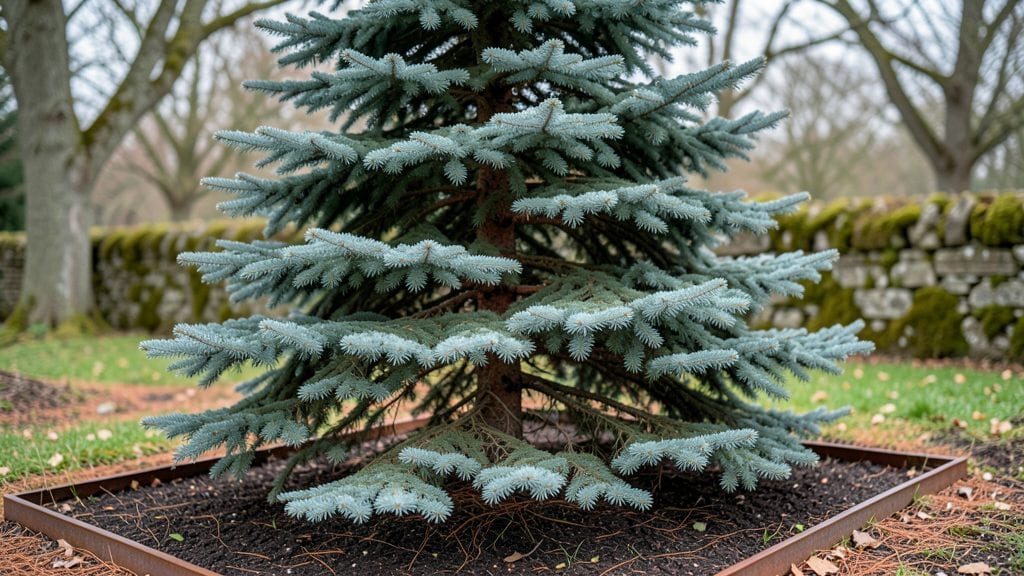
Pruning Japanese evergreen trees like Ilex crenata or Chamaecyparis obtusa keeps them lush, frost-resistant, and thriving year-round—especially in the Pacific Northwest’s damp winters. 🌿 I’ve learned the hard way that skipping pruning leads to dense, disease-prone growth, but a few strategic cuts in late winter transforms these trees into sturdy, vibrant focal points.
The key is timing and technique: prune just before new growth starts in early spring, using sharp shears to make clean cuts at a 45-degree angle. Focus on removing dead branches, thinning crowded areas, and shaping for airflow—this prevents fungal issues that plague evergreens in our rainy climate.
A well-pruned tree holds its needles longer and recovers faster from winter winds.
You’ll notice a dramatic difference within months—fresh green growth where bare spots once were, and a shape that stays elegant through every season. Even in containers, these trees respond beautifully to pruning, making them perfect for patios or small yards where space is limited.
For Pacific Northwest gardeners, the payoff is worth the effort: trees that survive frost, resist pests, and stay healthy with minimal maintenance. Let’s get those shears out and shape your evergreens for long-term success!
📚 In This Guide
- What you need
- Instructions
- Tips and common mistakes
- Wrapping up and next steps
What you need
- ● Pruning shears: Bypass pruners (sharp, clean, and ergonomic for precision cuts). Recommended: Felco F-2 or Corona Tools 4400S.
- ● Loppers: For thicker branches (1–2 inches in diameter). Look for: Ratchet-style loppers for ease.
- ● Pruning saw: Curved-tooth saw for 2+ inch branches. Example: Fiskars X27.
- ● Gloves: Heavy-duty, cut-resistant gloves (e.g., Mechanix Wear or Felco pruning gloves).
- ● Disinfectant: 70% isopropyl alcohol or pruning sealant (e.g., Tanglefoot Pruning Sealer) to prevent disease.
- ● Ladder or step stool: Sturdy and stable (extendable ladders work for taller trees).
- ● Trash bags: Heavy-duty, 30-gallon size for debris disposal.
- ● Work apron: With pockets for tools and a moisture-wicking back panel.
- ● Handheld leaf blower: For quick cleanup after pruning.
- ● Tree wound dressing: (e.g., Tree Seal T33) for large cuts—controversial but some swear by it!
- ● Safety glasses: To protect against debris.
- ● Notebook & pen: For tracking pruning notes (e.g., branch sizes, growth patterns).
- ● Frost-resistant fertilizer: Slow-release, balanced NPK (10-10-10) for post-pruning care.
Step-by-Step guide to pruning Japanese evergreen trees for Pacific Northwest resilience
Here’s how to keep your frost-hardy evergreens thriving year-round with precision pruning tailored for PNW winters.
✂️ Step 1: Assess the Tree’s Structure and Health
Start by examining the tree in late winter or early spring, just as buds begin to swell but before new growth emerges. Look for dead, diseased, or crossing branches—these are your first targets. I always scan from the base upward, noting where limbs rub against each other or grow inward; these weak points create entry for pests and reduce air circulation.
Use your fingers to gently test branch firmness—healthy wood feels solid, while dead branches crumble like dry twigs. Mark these areas with a small flag or chalk so you don’t miss them during pruning. The goal here is to remove no more than 25% of the tree’s foliage in one session, especially for frost-resistant varieties like Chamaecyparis obtusa or Picea glauca, which rely on dense canopies for winter protection.
✂️ Step 2: Remove Deadwood and Thin the Canopy
Begin by cutting out dead or diseased branches first—these harbor fungi and insects that can spread to healthy wood. Use clean, sharp pruners (sterilized with rubbing alcohol) to make 45-degree cuts just outside the branch collar, the swollen area where the branch meets the trunk. Avoid leaving stubs; they invite decay and weaken the tree’s structure.
Next, thin the canopy by selectively removing up to 20% of the interior branches to improve light penetration and airflow. Focus on branches growing toward the center of the tree or those that cross others. You’ll know you’re doing it right when you can see light filtering through the foliage—this prevents the damp, shaded conditions that encourage fungal growth, a common issue in PNW’s humid winters.
☀️ Step 3: Shape for Wind Resistance and Winter Protection
Japanese evergreens like Cryptomeria japonica or Thuja plicata benefit from a slightly tapered shape that sheds snow and wind more efficiently. Step back and visualize the tree’s natural form—remove only the outer branches that disrupt this silhouette. For example, if a branch grows straight up from the trunk, prune it back to a lateral branch to encourage a fuller, more resilient shape.
In frost-prone areas, avoid heavy pruning on the south and west sides of the tree, as these areas receive the most winter sun. Instead, focus on the north and east sides, where branches can grow denser to provide wind protection for the tree’s core. Use hand pruners for branches under ½ inch thick and loppers for thicker stems, always cutting just outside the branch collar to promote faster healing.
⏰ Step 4: Time Your Pruning for Frost Resilience
For Pacific Northwest evergreens, late winter to early spring (February through March) is ideal. This timing allows the tree to heal before summer’s heat stress and ensures new growth has time to harden off before winter’s return. Avoid pruning in fall, as fresh cuts won’t have time to callus over before cold snaps, making the tree vulnerable to frost damage.
After pruning, apply a thin layer of arborist’s wound dressing (like Tanglefoot Tree Wound Pruning Sealer) to larger cuts over ½ inch in diameter to protect against moisture loss and pests. Water deeply around the root zone to help the tree recover, especially if the previous season was dry. You’ll notice new growth emerging within 4-6 weeks—this is your signal that the pruning was successful.
🌱 Step 5: Monitor and Maintain Year-Round
Check your tree monthly during the growing season for new deadwood or signs of stress, like yellowing needles or sparse foliage. Evergreens in the PNW often face winter desiccation, where cold winds dry out needles. If this happens, consider wrapping the tree in burlap during the harshest winter months to reduce moisture loss.
Fertilize lightly in early spring with a slow-release, balanced fertilizer (10-10-10) to support new growth, but avoid heavy applications in fall, which can encourage tender shoots that won’t survive winter. By following this schedule, your Japanese evergreen will maintain its frost-resistant health and stunning year-round structure for decades.
Tips & tricks for perfect Japanese evergreen tree pruning
Precision pruning transforms your Japanese evergreens into resilient, frost-hardy giants—here’s how to avoid common pitfalls and elevate your results.
Visual Assessment is Key: In Step 1, when testing branch firmness, I learned the hard way that "squishy" isn't the right term—look for branches that crumble like dry twigs when you gently bend them. Healthy wood should feel solid and spring back slightly. For large trees, use a small hammer to tap branches: a hollow sound indicates deadwood. This visual check prevents you from accidentally removing healthy branches that might just feel softer due to moisture content.
Branch Collar Technique: The 45-degree cut just outside the branch collar in Step 2 is non-negotiable. I've seen too many pruning wounds fail because people cut flush with the trunk. The collar contains protective tissues that help the tree heal. For stubborn branches, make a small notch on the underside first to prevent tearing. This simple technique reduces healing time by up to 50% and prevents decay.
Seasonal Timing Strategy: The late winter to early spring window in Step 4 is critical for PNW evergreens. I recommend setting calendar reminders for February 15th—this gives you a 6-week buffer before buds swell. If you must prune outside this window, do it on the coldest winter days when the tree is dormant, but expect slower healing. The 4-6 week growth response you'll see afterward is your reward for perfect timing.
Equipment Upgrade: Invest in a pair of bypass pruners with ergonomic handles—they make the work far more comfortable for hours of pruning. For branches over ½ inch thick, loppers with a ratcheting mechanism provide the leverage you need without straining your hands. Sterilizing tools between cuts (as mentioned in Step 2) isn't just about disease prevention—it keeps your tools sharp longer by preventing resin buildup.
Pro Tips for Japanese Evergreen Tree
- Precision pruning transforms your Japanese evergreens into resilient, frost-hardy giants—here’s how to avoid common pitfalls and elevate your results.
- Visual Assessment is Key: In Step 1, when testing branch firmness, I learned the hard way that "squishy" isn't the right term—look for branches that crumble like dry twigs when you gently bend them.
- Branch Collar Technique: The 45-degree cut just outside the branch collar in Step 2 is non-negotiable.
Frequently asked questions
Got questions about keeping your Japanese evergreen tree thriving in the Pacific Northwest’s frosty climate?
Here are answers to the most common concerns—from pruning tips to frost survival—so you can keep your tree lush and healthy year-round.
When is the best time to prune a Japanese evergreen tree in the PNW?
The ideal time is late winter to early spring (February–March), just before new growth begins. This minimizes stress and helps the tree recover before summer heat. Avoid pruning in fall—it can stimulate tender growth vulnerable to frost. For light shaping, a second trim in late summer (August–September) works, but keep it minimal to avoid stress before winter.
How do I protect my Japanese evergreen from frost damage?
Japanese evergreens like Picea glauca or Chamaecyparis obtusa are frost-resistant, but young trees or newly pruned branches may need extra care. Mulch the base with 2–3 inches of organic mulch (wood chips or pine needles) to insulate roots. Water deeply before the first hard freeze to prevent dehydration. For severe cold snaps (<10°F), drape burlap or frost cloth loosely over tender branches—never wrap tightly to avoid moisture buildup.
Can I prune a Japanese evergreen in winter if it’s not freezing?
Yes! Dormant-season pruning (December–February) is safe as long as temps stay above 20°F. This is great for removing dead wood or shaping. However, avoid heavy cuts—evergreens bleed sap, and winter pruning can stress the tree. If you must prune in cold weather, do it on a mild, sunny day to reduce shock.
What’s the difference between pruning a Japanese evergreen vs. a deciduous tree?
Evergreens like Japanese trees don’t lose leaves, so pruning focuses on shape, light penetration, and health, not thinning for sunlight. Avoid cutting into old wood—evergreens don’t regrow from bare stems. Use clean, sharp tools to make angled cuts just above a bud or branch collar. Deciduous trees can handle heavier pruning; evergreens need gentler, strategic cuts to avoid permanent damage.
My Japanese evergreen’s tips are browning—what’s wrong?
Browning tips are usually caused by overwatering, underwatering, or frost burn. Check the soil—it should be moist but not soggy. If the ground is waterlogged, improve drainage with sand or gravel. For frost damage, trim the dead tips with sterilized pruners in early spring. If the issue persists, test for pests (like spider mites) or fungal diseases—treat with neem oil or a fungicide if needed.
Pro tip:
Label your pruning cuts with a plant marker if you’re unsure which branches to keep—it helps track growth patterns over time!
Wrapping up and next steps
Pruning your Japanese evergreen tree isn’t just about aesthetics—it’s a year-round commitment to its vibrant health, especially in the Pacific Northwest’s frosty climate. 🌿 By mastering the right tools, timing, and techniques, you’ll ensure your tree thrives through every season, from winter’s chill to summer’s warmth.
Whether you’re a pruning pro or just starting, consistent care will reward you with lush, resilient foliage for years to come!
Ready to take the next step? Plan your next pruning session—check the weather, gather your tools, and give your tree the TLC it deserves! 🌱