
Pruning
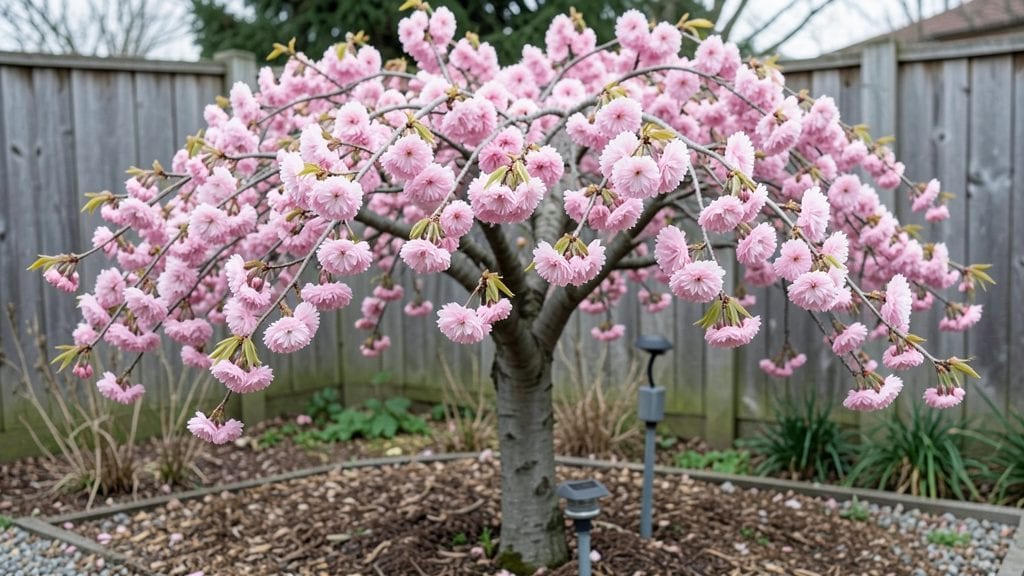
A weeping cherry tree in front of your house transforms your Pacific Northwest home into a living postcard. 🌸 The cascading branches create a dreamy, almost magical focal point that catches morning light and softens the facade—no other tree delivers that combination of grace and seasonal drama.
The key lies in placement: position it where it frames your front door or steps, letting those pink blossoms spill over like confetti in spring.
This isn’t just about looks—it’s about low-maintenance beauty that thrives in your climate. The 'Pendula' variety handles frost like a champ, and its slow growth (about 12 inches per year) means you won’t outgrow the space.
Pair it with dwarf conifers for year-round structure or hostas at the base for summer shade—both choices complement its delicate branches without competing for attention.
Imagine waking to hundreds of blossoms in April, then watching the leaves turn golden in fall. The tree’s natural shape creates privacy without blocking light, and its mature height (around 20 feet) gives your home instant curb appeal.
With the right spot and companions, it becomes the centerpiece that neighbors envy—and the one you never want to leave.
Here’s the secret: plant it 15–20 feet from your house for optimal airflow, and mulch heavily to protect roots from winter’s chill. The payoff? A tree that looks like it belongs in a botanical garden, not just your front yard. Let’s make it happen.
📚 In This Guide
- What you need
- Instructions
- Tips and common mistakes
- Wrapping up and next steps
What you need
- ● Weeping cherry tree (Prunus serrulata ‘Kwanzan’ or similar): 1 mature tree (15–20 ft tall) or a younger sapling (5–10 ft) for easier handling.
- ● High-quality potting soil or native PNW soil mix: 50 lbs (enough for a 3–4 ft planting hole).
- ● Organic compost or mulch: 2–3 cubic feet (for nutrient-rich soil and moisture retention).
- ● Slow-release fertilizer (balanced 10-10-10 or acid-loving plant formula): 1 lb.
- ● Shovel: Round-point or spade shovel (for digging the planting hole).
- ● Pruning shears or loppers: Bypass pruners (sharp, clean, and sterilized with rubbing alcohol).
- ● Garden gloves: Heavy-duty, cut-resistant (to protect from thorns and rough bark).
- ● Watering can or hose with nozzle: For deep watering (1–2 gallons per session).
- ● Measuring tape or ruler: To ensure proper spacing (15–20 ft from structures or sidewalks).
- ○ Mulch (cedar or pine straw): 2–3 inches thick (optional but highly recommended for moisture and weed control).
- ● Sunlight: Full sun (6+ hours/day) for optimal growth.
- ● Frost tolerance: Choose a Prunus serrulata variety rated for USDA Zones 5–8 (common in PNW).
- ● Space: Ensure the tree has room to spread (15–25 ft wide at maturity).
- ● Local regulations: Check HOA rules or city ordinances (some areas restrict large trees near driveways).
- ● Season timing: Plant in early spring or fall (avoid summer heat or winter frosts).
Step-by-step guide to planting a weeping cherry tree for privacy
Here’s how to establish a stunning, frost-hardy focal point that thrives in the Pacific Northwest’s climate.
🪴 Step 1: Choose the Perfect Planting Spot and Dig the Hole
Select a location with at least 6 feet of clearance from sidewalks, driveways, or structures—weeping cherries need space to spread their graceful branches. The spot should receive full sun (6-8 hours daily) for optimal flowering and growth, though they tolerate partial shade in hotter microclimates. I always test the soil by digging a 12-inch-deep hole—if it’s compacted or waterlogged, amend with 3 inches of compost mixed into the native soil.
Dig the hole twice as wide as the root ball but no deeper. The top of the root ball should sit 1-2 inches above ground level—this prevents water pooling around the trunk. Loosen the roots gently if they’re circling or bound, then set the tree in place. Here’s the thing—don’t rush this step. A poorly positioned tree will struggle for years, so take time to align it straight and centered in the hole.
☀️ Step 2: Backfill and Water Deeply for Strong Root Establishment
Fill the hole with the amended soil, tamping lightly every 4 inches to eliminate air pockets. Water the tree deeply (5 gallons) immediately after planting to settle the soil and encourage root contact. I like to add a 2-inch layer of mulch (wood chips or bark) over the root zone, keeping it 6 inches away from the trunk to prevent rot. This mulch shield protects roots from winter frost and summer heat swings.
Weeping cherries in the PNW benefit from consistent moisture during their first year. Water once a week (or more in drought) until the tree establishes roots—deeply each time, so the soil stays moist 6-12 inches down. You’ll know it’s right when the top 2 inches of soil feel dry to the touch between waterings. Overwatering here leads to root rot, so let the soil dry slightly between sessions.
✂️ Step 3: Prune for Structure and Frost Resistance
Prune immediately after planting to remove any broken or crossing branches. Focus on opening the canopy to improve airflow—this reduces disease risk in the damp PNW climate. Cut back one-third of the smallest branches to encourage bushier growth. I always prune in late winter (February), just before buds swell, to avoid stimulating new growth that could freeze.
For frost resistance, avoid heavy pruning in the first year. Weeping cherries develop their signature shape naturally, but you can lightly shape the lower branches to guide growth upward. Use clean, sharp pruners and seal larger cuts with pruning sealant to prevent disease entry. This is the moment that matters: prune for form, not size. A well-structured tree now means fewer headaches later.
🌱 Step 4: Monitor and Protect Through the First Winter
In the PNW’s first winter, young weeping cherries need extra protection. Wrap the trunk with tree guard (not plastic wrap) to deter rodents and prevent sunscald. I also mound 4-6 inches of mulch around the base (but not touching the trunk) to insulate roots from freezing. If heavy snow loads branches, gently brush it off—never shake the tree, as this can damage limbs.
Watch for late spring frosts (common in the PNW) by covering the tree with frost cloth if temperatures dip below 28°F. Most weeping cherries tolerate down to -15°F, but young trees are more vulnerable. You’ll see new growth emerge in late April or early May—this is your cue to resume regular care. Real talk: Don’t fertilize the first year. The tree’s energy should focus on root establishment, not foliage.
⏰ Step 5: Establish a Long-Term Care Routine
After the first year, fertilize in early spring with a balanced 10-10-10 formula, applying ½ cup per inch of trunk diameter. Water deeply every 10-14 days during dry spells, aiming for 1-2 inches of water per week. Weeping cherries in the PNW thrive with minimal intervention—just prune annually to remove dead wood and shape the canopy. I prune again in late summer (August) to encourage next year’s blooms.
Here’s the system I rely on: mulch, monitor, and prune. Replenish mulch annually, check for pests (like aphids or borers), and prune only when necessary. With this routine, your tree will mature into a 15-20 foot privacy stunner within a decade—frost-resistant, low-maintenance, and utterly stunning in bloom. You’ve got this.
Tips & tricks for perfect weeping cherry tree planting
A few strategic moves will help your weeping cherry thrive in the Pacific Northwest's challenging climate.
Soil Preparation Secret: Before planting, conduct a simple soil test using a DIY kit or local extension service. Weeping cherries prefer slightly acidic soil (pH 6.0-6.5). If your test shows higher alkalinity, mix in sulfur or peat moss when amending with compost. I've seen trees struggle in alkaline soil—this adjustment makes all the difference for root health. The 12-inch-deep hole you dig should incorporate these amendments thoroughly, especially if your native soil is heavy clay.
Root Ball Handling: When removing the tree from its container, gently squeeze the root ball to encourage roots to spread outward. If you notice roots circling tightly, make 2-3 vertical cuts with a clean knife to loosen them—this prevents girdling as the tree matures. I've learned this the hard way after seeing trees with restricted growth from bound roots. The 1-2 inches above ground level positioning is critical here too—it prevents water from pooling around the trunk during our wet winters.
Winter Protection Strategy: For young trees in their first winter, create a double-layer protection system. First, wrap the trunk with tree guard, then add a 4-6 inch mulch mound around the base. Top this with a lightweight frost blanket (not plastic) that extends over the canopy. This combination shields against both cold winds and sudden temperature swings. Remember, weeping cherries tolerate down to -15°F, but young trees need this extra care to establish strong root systems.
Pruning Timing: The late winter (February) pruning window is perfect for PNW climates because it allows the tree to heal before spring growth begins. I always carry a small bottle of hydrogen peroxide (3%) to clean pruning tools between cuts—this prevents spreading bacterial diseases common in our damp climate. When shaping, focus on creating an open vase shape that allows sunlight to penetrate all branches, which is especially important for weeping varieties that develop dense canopies.
Pro Tips for Weeping Cherry Tree In Front Of House
- A few strategic moves will help your weeping cherry thrive in the Pacific Northwest's challenging climate.
- Soil Preparation Secret: Before planting, conduct a simple soil test using a DIY kit or local extension service.
- Root Ball Handling: When removing the tree from its container, gently squeeze the root ball to encourage roots to spread outward.
Frequently asked questions
Got questions about planting, caring for, or troubleshooting your weeping cherry tree? Here are some of the most common concerns from Pacific Northwest gardeners—plus expert answers to help you make the most of this stunning frost-resistant beauty!
How far from my house should I plant a weeping cherry tree?
Aim for 15–25 feet from your foundation to balance privacy and airflow. Weeping cherries grow 15–25 feet wide and can spread roots aggressively. Check local codes—some areas require setbacks of 20+ feet for large trees. Pro tip: Plant near walkways or patios to frame your home without blocking sunlight.
Will a weeping cherry tree survive PNW winters?
These trees thrive in USDA Zones 5–8 and handle 10–20°F temps with ease. Young trees may need winter mulch (3–4 inches of wood chips) to protect roots. Watch for: spring frost damage—delay pruning until after blooms fade to avoid killing buds.
When is the best time to prune a weeping cherry tree?
Prune late winter or early spring (just after dormancy, before buds swell) to shape the tree and remove dead wood. Avoid summer pruning—it can spur weak growth vulnerable to disease. Key rule: Never prune after blooms appear, or you’ll cut off next year’s flowers!
What’s a good alternative if I don’t want to deal with cherry tree pests?
Consider Pacific Dogwood (Cornus nuttallii) or Oregon Grape Holly (Mahonia aquifolium) for similar PNW-friendly privacy with fewer pest issues. Both offer year-round interest (berries, foliage, bark) and thrive in partial shade. Downside: They won’t have the weeping cherry’s dramatic spring blooms!
How do I prevent cherry tree borers or leaf spot diseases?
Start with healthy soil (well-draining, rich in organic matter) and proper spacing to reduce humidity. Sanitize pruners with rubbing alcohol between cuts. Apply copper fungicide in early spring if leaf spot appears. Prevention tip: Remove fallen petals/blooms promptly—they harbor fungal spores!
Can I grow a weeping cherry tree in a container?
Not ideal! These trees have aggressive root systems and need deep, expansive soil to thrive. If you’re set on a container, choose a dwarf variety like Prunus ‘Kanzan’ (though it’s upright) and use a 20+ gallon pot with drainage holes. Warning: Container-grown trees rarely live past 10 years due to root stress.
Wrapping up and next steps
A weeping cherry tree in front of your Pacific Northwest home isn’t just a stunning privacy screen—it’s a low-maintenance, frost-resistant investment that adds timeless charm and value. With the right pruning techniques and seasonal care, you’ll enjoy its delicate blooms and graceful branches for decades to come. 🌸
Ready to transform your outdoor space? Start by sketching your tree’s ideal shape, gathering your tools, and scheduling your first pruning session this spring. The effort will pay off in a showstopping landscape that feels like a hug from nature!