
Pruning
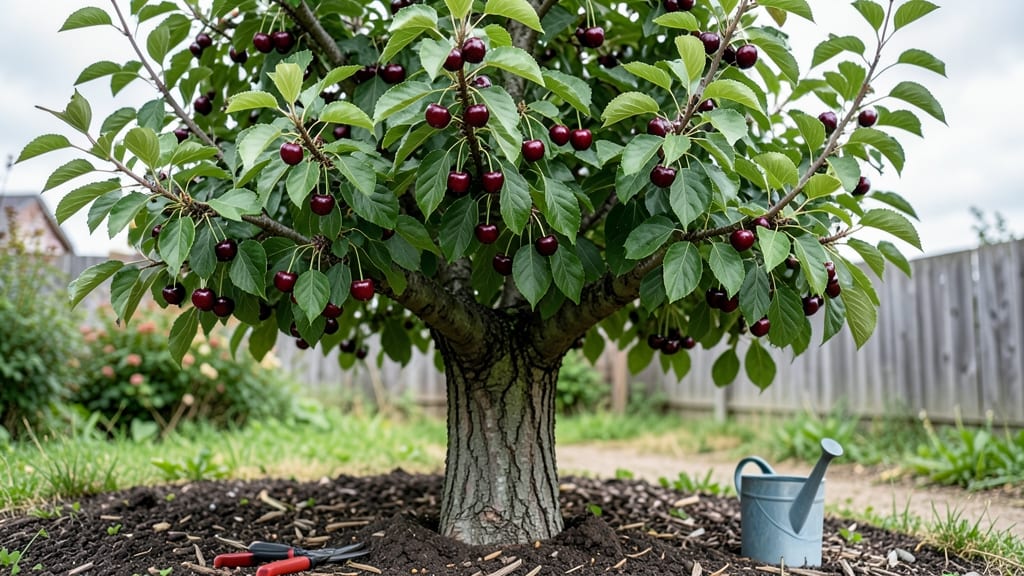
The Bing sweet cherry tree delivers fruit so sweet it’s almost criminal—especially when you learn how to prune it year-round for consistent harvests that last from summer through fall. 🌱 I’ve grown these trees for over a decade, and the difference between a neglected bush and a pruned powerhouse is night and day: one yields sparse, tart cherries; the other bursts with juicy, dessert-worthy fruit every season.
This isn’t just about summer fruit—it’s about four-season care that keeps your tree healthy, productive, and resistant to disease. Start with the right location (full sun, well-drained soil, and protection from strong winds), then master the pruning calendar: winter shaping, spring bloom-thinning, summer light-penetration cuts, and fall cleanup.
Even experienced gardeners skip steps, but these four seasons make all the difference between a handful of cherries and a tree heavy enough to bend branches.
By the end of your first full cycle, you’ll be harvesting pounds of fruit that taste like childhood memories—no store-bought cherries can compete. The tree itself becomes a focal point, with sturdy branches and a shape that’s both functional and beautiful.
And yes, you’ll still deal with birds and occasional pests, but with the right techniques, those challenges become manageable instead of dealbreakers.
Whether you’re in USDA zones 5-8 or adapting these methods for your climate, the principles stay the same. Let’s turn that cherry tree from a seasonal experiment into a year-round treasure—one pruning session at a time.
📚 In This Guide
- What you need
- Instructions
- Tips and common mistakes
- Wrapping up and next steps
What you need
- ● Bing sweet cherry tree sapling: Choose a disease-resistant, grafted variety (1-2 years old) from a reputable nursery.
- ● Pruning shears: Sharp, bypass-style shears (for cuts under ½ inch) – 1 pair.
- ● Loppers: For thicker branches (up to 2 inches) – 1 pair.
- ● Pruning saw: For large limbs (2+ inches) – 1.
- ● Disinfectant: 70% isopropyl alcohol or bleach solution (1 part bleach + 9 parts water) to sterilize tools.
- ● Garden gloves: Heavy-duty, cut-resistant gloves for protection.
- ○ Pruning sealant: Optional but helpful for sealing large cuts (e.g., Tanglefoot Tree Wound Pruning Seal).
- ● Stake & ties: For young trees (4-6 stakes + soft ties).
- ● Mulch: Organic mulch (wood chips or straw) – 2-3 inches around the base.
- ● Tree sprayer: For pest control (e.g., Neem oil or dormant oil).
- ● Soil test kit: To check pH and nutrient levels (ideal pH: 6.0–6.5 for cherries).
- ● Drip irrigation system: For consistent moisture (especially in dry climates).
- ● Bird netting: To protect ripe cherries from wildlife.
- ● Tree banding: For young trunks (to prevent sunscald).
Step-by-Step guide to pruning your Bing sweet cherry tree for year-round fruit
Here’s how to maintain your Bing cherry’s health and productivity through all four seasons.
✂️ Step 1: Late Winter Dormant Pruning (Before Bud Break)
This is the most critical pruning window—do it when the tree is fully dormant but before buds swell, typically in late February to early March in most climates. Remove dead, diseased, or crossing branches first using clean, sharp pruners (sterilize with rubbing alcohol between cuts). You’ll know a branch is dead if it snaps when bent or has no bark.
Next, open the tree’s center by cutting out suckers and water sprouts—these vertical, fast-growing shoots steal energy from fruit production. Aim to create an open vase shape so sunlight and air reach all branches. For larger limbs, make cuts just outside the branch collar (the swollen area where the branch meets the trunk). This ensures proper healing and prevents disease entry.
🌿 Step 2: Summer Pruning (After Harvest)
Once the Bing cherries are picked (usually late June to early July), focus on light maintenance pruning to encourage next year’s fruit. Remove any suckers that appear at the base—these compete with the main tree for nutrients. Thin out overcrowded branches to improve airflow, which reduces fungal diseases like brown rot.
Look for weak, spindly growth (often on the tree’s interior) and cut it back to a strong lateral branch. Avoid heavy pruning now—just shape gently. This summer session keeps the tree from becoming overgrown and ensures energy goes toward next year’s flower buds, not excess foliage.
✂️ Step 3: Post-Harvest Structural Adjustments (Fall)
In late October, after leaves have fallen but before hard frost, assess the tree’s structure. Remove any dead or diseased wood that may have developed over the summer. Prune to balance the canopy—if one side is heavier, reduce growth there to prevent uneven stress on the trunk.
This is also the time to thin out excess fruit wood (branches with last year’s fruit clusters). Cut these back to strong lateral branches to redirect energy toward fruit-bearing spurs (the small, stubby branches where cherries form). Seal larger cuts with pruning sealant if they’re over ½ inch in diameter to prevent borer infestations.
⏰ Step 4: Light Winter Pruning (If Needed)
If you missed any structural adjustments in fall, do a light touch-up in December before the worst cold hits. Focus only on safety hazards—like branches that could fall in ice storms—and minor shaping. Avoid heavy pruning now, as new growth in late winter could be damaged by late frosts.
Check for ice damage after winter storms and prune out any broken limbs immediately. The goal here is minimal intervention—just enough to keep the tree safe and ready for spring’s flower bud development. This light pruning ensures the tree’s energy isn’t wasted on healing wounds during dormancy.
Tips & tricks for pruning your Bing sweet cherry tree
Mastering the art of seasonal pruning transforms your Bing cherry tree from a struggling bush into a fruit-bearing powerhouse. These insights will help you avoid common mistakes while maximizing your harvest year after year.
Timing is Everything: The late February to early March window for Step 1 dormant pruning is non-negotiable. Cold snaps can delay bud break, so check your local frost dates annually. I've learned the hard way that pruning too early can stimulate premature bud growth, which gets damaged by late frosts. For summer pruning (Step 2), wait until after harvest—cherries ripen at different times, so monitor your tree closely. If you're in a hot climate, you might need to prune slightly earlier in June.
Tool Technique: Your pruners are more than just cutting tools—they're disease carriers if not properly maintained. Sterilize them with rubbing alcohol between cuts, especially when removing diseased branches in Step 1. For larger limbs over ½ inch in diameter (Step 3), use a pruning saw and make clean cuts just outside the branch collar. I've seen too many trees develop cankers from improper cuts—always cut at a 45-degree angle facing away from the branch to prevent water pooling.
Visual Pruning Guide: When shaping your tree, imagine sunlight streaming through the center. In Step 1, aim for an open vase shape where you can see light reaching the trunk. For summer pruning (Step 2), look for branches that cross or rub against each other—these create wounds that invite disease. In fall (Step 3), focus on creating a balanced silhouette where no single branch dominates the canopy. Think of it like sculpting—you're shaping the tree's future fruit production.
Seasonal Checklist: Create a simple calendar reminder for each pruning season. In late winter, mark your calendar for the exact week you should prune based on your local frost dates. For summer, set a reminder for 2-3 weeks after your typical harvest date. Fall's late October deadline is critical—don't wait until after the first frost. I keep a small notebook by my pruners to track each season's pruning notes, which helps me spot patterns over the years.
Pro Tips for Bing Sweet Cherry Tree
- Mastering the art of seasonal pruning transforms your Bing cherry tree from a struggling bush into a fruit-bearing powerhouse.
- Timing is Everything: The late February to early March window for Step 1 dormant pruning is non-negotiable.
- Tool Technique: Your pruners are more than just cutting tools—they're disease carriers if not properly maintained.
Frequently asked questions
Got questions about your Bing sweet cherry tree? You’re not alone! Whether you're a first-time pruner or a seasoned gardener, these common queries will help you keep your tree thriving year-round.
How do I know when to prune my Bing cherry tree for the best harvest?
Prune your Bing cherry tree during its dormant season—late winter (before buds swell) or early spring. For summer pruning, focus on light shaping after harvest to avoid stressing the tree. Avoid heavy pruning in late summer or fall, as it can reduce winter hardiness.
Can I prune Bing cherries in winter, and what if it’s freezing?
Yes, winter is ideal for major pruning (Jan–Feb), but work on mild days above 40°F (4°C). If temps drop, prune in sheltered areas or wait for a warmer stretch. Avoid pruning during hard freezes—wait until the ground thaws slightly. Pro tip: Use sharp tools to prevent jagged cuts that invite disease!
Will pruning my Bing tree reduce next year’s cherry yield?
Not if done correctly! Proper pruning (removing dead/diseased wood, thinning branches) actually boosts fruit production by improving airflow and sunlight. Over-pruning (cutting >25% of branches) may temporarily reduce yield, but strategic cuts encourage stronger growth. Focus on open-center shaping for optimal harvests.
Are there alternatives to hand-pruning for large Bing cherry trees?
For big trees, consider pole pruners (for high branches) or hiring a professional arborist. Drop crotch pruning (removing entire branches at the trunk) is another method for older trees. If you’re short on time, focus on low-hanging branches first—they’re easiest to reach and impact fruit quality most.
My Bing cherry tree’s leaves are yellowing after pruning—what’s wrong?
Yellowing leaves post-pruning often signal stress from over-pruning, disease (like leaf spot), or nutrient deficiency. Check for fungal spores on tools and sterilize with rubbing alcohol. If stress-related, water deeply and apply balanced fertilizer (10-10-10). For severe cases, consult a local extension office for soil testing.
Bonus Tip: How do I store Bing cherries after harvest?
Bing cherries are highly perishable—store them unwashed in the fridge (32–36°F / 0–2°C) for up to 2 weeks. For long-term storage, freeze pits and use cherries in jams, pies, or dried snacks. Pro tip: Avoid washing until ready to eat to prevent mold!
Wrapping up and next steps
Growing a Bing sweet cherry tree is a rewarding journey that blends patience, skill, and a touch of seasonal magic. With the right 4-season pruning techniques, you’ll unlock year-round care that ensures vibrant blooms, bountiful fruit, and a tree that thrives for decades.
Whether you’re a seasoned gardener or just starting, every snip and trim brings you closer to that perfect harvest of sweet, juicy cherries. 🌿
Ready to take the next step? Grab your pruners, dust off your gardening gloves, and schedule your first pruning session—spring is the perfect time to begin! With consistency and care, your Bing cherry tree will flourish, turning your backyard into a cherry lover’s paradise. 🍒✨