
Pruning
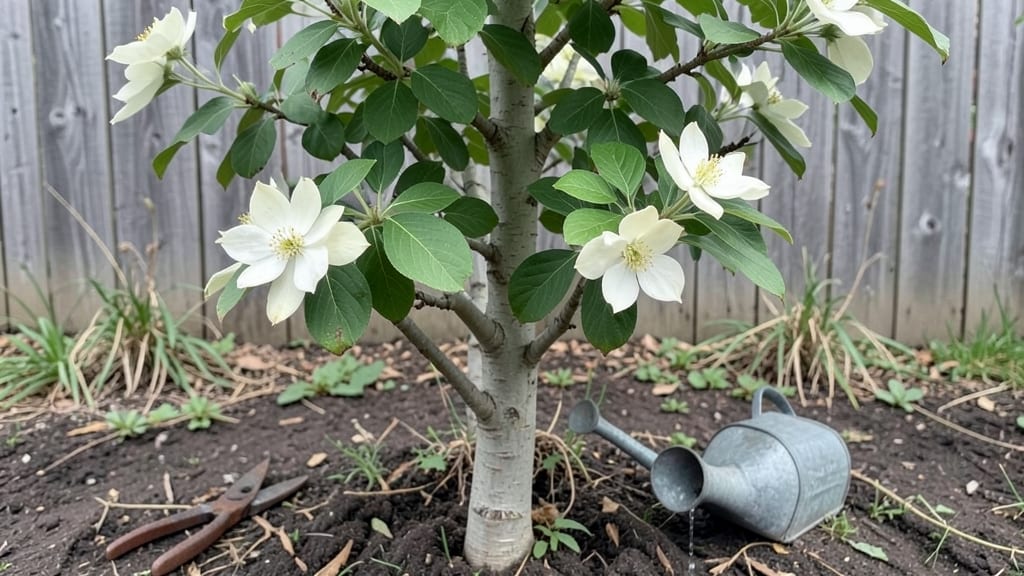
Before planting a Venus dogwood tree, weigh its stunning four-season beauty—the spring blooms, fiery fall foliage, and bold bark—against the pros and cons of its care needs. I’ve grown mine for five years now, and while it’s not perfect, it’s become the centerpiece of my Pacific Northwest garden.
The trade-off? It demands patience and the right conditions to thrive.
This tree shines in USDA Zones 5-8, handling wet winters and cool summers far better than many dogwoods. Its compact size (20-25 feet tall) makes it ideal for small yards or as a focal point in landscaped beds.
But here’s the catch: it’s not drought-tolerant—consistent moisture is a must, especially in its first few years. Pruning is minimal, but dead branches need prompt removal to prevent disease.
You’ll love the showstopping blooms that attract pollinators and the glossy leaves that turn burgundy in autumn. However, watch for powdery mildew in humid climates and dogwood borers—both can stress the tree if left unchecked.
With proper care, though, it rewards you with decades of effortless elegance. Let’s break down the full picture so you can decide if it’s right for your space.
The real magic happens in late spring, when clusters of pink flowers burst against the dark green leaves. Just be prepared to stake young trees in windy areas and mulch heavily to keep roots cool.
For gardeners in the Pacific Northwest, this is one of the most reliable cold-hardy trees—if you can meet its moisture needs, it’ll repay you with years of drama-free beauty.
📚 In This Guide
- What you need
- Instructions
- Tips and common mistakes
- Wrapping up and next steps
What you need
- ● Venus Dogwood Tree: 1 healthy sapling or mature tree (check local nurseries for cold-hardy varieties).
- ● High-quality potting soil or native soil mix: 5+ bags (1 cubic yard for mature trees). Tip: Amend with compost for nutrient-rich soil!
- ● Organic mulch: 2-3 bags (pine bark or wood chips work best).
- ● Slow-release fertilizer: 1 bag (10-10-10 or similar, for established trees).
- ● Pruning shears: 1 pair (bypass pruners, sharp and clean).
- ● Loppers: 1 pair (for thicker branches, 20-24" reach).
- ● Hand pruners: 1 pair (for precision trimming).
- ● Gloves: 1 pair (gardening gloves for protection).
- ● Watering can or hose: 1 (with adjustable nozzle).
- ○ Staking kit (optional but helpful): 4 stakes + 4 ties (for young trees).
- ● Shovel or spade: 1 (for digging or amending soil).
- ● Tree wound dressing: 1 tube (for sealing cuts, though many experts skip this!).
- ● Extension pole pruners: 1 (for high branches).
- ● Soil pH tester: 1 (to ensure optimal acidity, 5.0-6.0 for dogwoods).
- ● Misting spray bottle: 1 (for post-pruning hydration of cuts).
Instructions for evaluating and planting a Venus dogwood tree
This cold-hardy Pacific Northwest favorite needs careful site selection and planting to thrive for decades.
Assess Your Site’s Sunlight and Soil Conditions
The Venus dogwood (Cornus florida 'Venus') thrives in partial shade to full sun, but its signature blooms develop best with at least 4-6 hours of morning sunlight. Avoid harsh afternoon sun in hotter microclimates—leaves will scorch. Test your spot by observing how sunlight shifts throughout the day; the ideal location gets gentle light without baking heat.
Soil must drain well but retain moisture—this tree despises soggy roots. Dig a hole twice as wide as the root ball but no deeper. Amend heavy clay with 2-3 inches of compost mixed into the native soil. A simple percolation test (dig a 12-inch hole, fill with water, and time how long it drains) will tell you if your site needs further amendment. Venus dogwoods tolerate pH 5.0-7.0, so no adjustment is needed in most Pacific Northwest soils.
Prepare the Planting Hole and Amend Soil
Loosen the root ball gently with your fingers before placing it in the hole—compacted roots struggle to establish. Mix the excavated soil with 1 part peat moss or compost to improve structure and moisture retention. This tree’s shallow roots spread widely, so avoid deep planting; the top of the root ball should sit 1-2 inches above ground level to prevent rot.
Place the tree in the center of the hole and backfill with the amended soil, tamping lightly every 4 inches to eliminate air pockets. Water deeply to settle the soil, then add a 2-inch layer of mulch (avoid wood chips—use shredded bark) over the root zone, keeping it 6 inches away from the trunk to prevent moisture buildup against the bark.
Water Deeply and Establish a Mulch Ring
Newly planted Venus dogwoods need 1-2 inches of water per week during the first growing season. Water deeply 2-3 times per week until the soil is 6 inches deep and evenly moist—surface watering encourages shallow roots. Use a rain gauge or tuna can to measure; most garden hoses deliver too much too fast, leading to runoff.
Create a 12-inch-wide mulch ring around the base, extending just beyond the root spread. This conserves moisture, regulates soil temperature, and suppresses weeds. Refresh the mulch annually in early spring, adding 1-2 inches of fresh material. Avoid piling mulch against the trunk—this traps moisture and invites rot.
Prune for Structure and Disease Prevention
Prune in late winter or early spring before new growth begins. Remove dead, crossing, or rubbing branches first—these create entry points for fungal diseases like anthracnose, which thrives in the Pacific Northwest’s damp climate. Use sterilized pruners (dip blades in rubbing alcohol between cuts) to prevent spreading pathogens.
Thin the canopy to improve air circulation, targeting branches that grow inward. The Venus dogwood’s natural vase shape should guide your cuts—never remove more than 25% of the foliage in a single season. Seal larger cuts (over ½ inch in diameter) with pruning sealant to reduce sap loss and disease risk.
Monitor for Pests and Adjust Care Seasonally
Watch for dogwood borers (tiny holes in bark) and scale insects (sticky residue on leaves). Treat infestations early with neem oil or horticultural oil—chemical pesticides harm beneficial insects and disrupt the tree’s microbial balance. A 1% solution of neem oil in water, applied in early spring and again after blooming, deters pests without harming pollinators.
In summer, reduce watering to 1 inch per week once established, letting the tree develop drought tolerance. Fertilize lightly in early spring with a balanced 10-10-10 formula, applying ½ pound per inch of trunk diameter. Over-fertilizing leads to weak wood and excessive leaf growth at the expense of flowers.
Tips & tricks for planting a thriving Venus dogwood tree
These practical insights will help you avoid common pitfalls and maximize your Venus dogwood's potential in the Pacific Northwest climate.
Sunlight Strategy: While the 4-6 hours of morning sunlight is ideal for those stunning blooms, don't overlook the importance of afternoon shade in hotter microclimates. I've seen beautiful dogwoods in full shade still produce flowers, though they'll be less abundant. If you're unsure about your site, observe how sunlight shifts throughout the day—morning sun with afternoon shade is the sweet spot. Consider nearby structures or mature trees that might provide natural afternoon shade.
Soil Preparation Insight: That 12-inch percolation test in Step 1 is more important than most gardeners realize. I've planted several dogwoods where the soil seemed fine until I did the test and discovered it was actually compacted clay. If your water drains slower than 4 hours, you'll need to add more compost or consider raised beds. The 2-3 inches of compost amendment isn't just about nutrients—it's about creating that perfect drainage-to-moisture-retention balance these trees crave.
Planting Depth Secret: The 1-2 inches above ground level recommendation for the root ball might seem minor, but it's critical. I've seen too many dogwoods planted too deeply, which leads to suffocation of the roots and poor establishment. Use a level to check—when you're done planting, the top of the root ball should be just slightly higher than the surrounding soil. This prevents rot while allowing proper drainage.
Mulching Technique: That 12-inch-wide mulch ring and 2-inch thickness in Step 3 aren't arbitrary—they create the perfect microclimate. I recommend using shredded bark mulch because it breaks down slowly and improves soil structure over time. The key is keeping it 6 inches away from the trunk to prevent moisture buildup that can cause rot. Refreshing the mulch annually in early spring gives your tree a consistent moisture reserve and regulates soil temperature throughout the growing season.
Pro Tips for Venus Dogwood Tree Pros And Cons
- These practical insights will help you avoid common pitfalls and maximize your Venus dogwood's potential in the Pacific Northwest climate.
- Sunlight Strategy: While the 4-6 hours of morning sunlight is ideal for those stunning blooms, don't overlook the importance of afternoon shade in hotter microclimates.
- Soil Preparation Insight: That 12-inch percolation test in Step 1 is more important than most gardeners realize.
Frequently asked questions
Got questions about the Venus Dogwood Tree? You’re not alone! Here are some of the most common queries—plus straightforward answers—to help you decide if this stunning Pacific Northwest native is the right fit for your garden.
Is the Venus Dogwood Tree really cold-hardy?
The Cornus florida ‘Venus’ is one of the toughest dogwoods, thriving in USDA Zones 5-9. It handles winter temps down to -20°F (-29°C) with ease, making it a standout for PNW winters. Just ensure it gets morning sun and afternoon shade to avoid leaf scorch.
How long does it take for a Venus Dogwood to bloom?
Patience pays off! A young Venus Dogwood typically takes 3-5 years to produce its iconic pink-white blooms (May-June). For faster results, plant a 3-5 gallon container-grown tree—it’ll bloom sooner than bare-root seedlings. Pro tip: Prune in late winter to encourage robust growth and earlier flowering!
What are the biggest challenges with growing Venus Dogwood?
While resilient, Venus Dogwoods can struggle with:
- Powdery mildew (keep foliage dry; avoid overhead watering).
- Dogwood borers (remove infested branches immediately).
- Poor drainage (amend clay soil with compost).
Can I plant Venus Dogwood in full sun?
While it tolerates partial shade, Venus Dogwoods prefer 4-6 hours of morning sun and afternoon shade—especially in hotter climates (Zones 8-9). Full sun can cause leaf scorch or reduced blooms. In cooler PNW zones (5-7), it handles more sun but still benefits from afternoon relief.
What’s a good alternative if Venus Dogwood is too high-maintenance?
If you want low-maintenance blooms but fewer hassles, consider:
- Kousa Dogwood (Cornus kousa) – Disease-resistant, white/pink flowers, and edible fruit.
- Pacific Dogwood (Cornus nuttallii) – Native to the PNW, larger blooms, but needs moist soil.
- Serviceberry (Amelanchier) – White spring flowers, edible berries, and fall color.
Wrapping up and next steps
The Venus Dogwood Tree is a stunning choice for Pacific Northwest gardens, offering vibrant blooms, resilience, and year-round interest—but like any plant, it has trade-offs.
Whether you’re drawn to its cold-hardy nature or its low-maintenance charm, weighing its pros and cons ensures you’re ready to nurture it with confidence. 🌸
Ready to transform your landscape? Start by assessing your space—sunlight, soil, and local climate—and gather the tools you’ll need. Then, roll up your sleeves: dive into our pruning guide to keep your Venus Dogwood thriving for seasons to come!