
Blooming
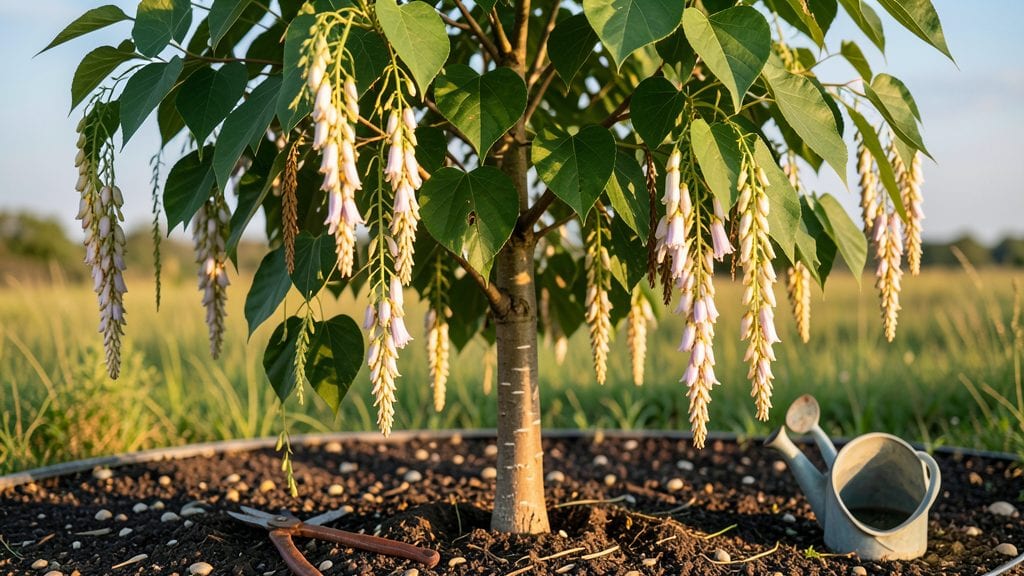
The catalpa tree blossoms in your Pacific Northwest garden aren’t just flowers—they’re a hummingbird magnet that thrives even after late frosts. 🌿 I planted mine last spring, and by July, the tall, creamy-white spikes were buzzing with activity, their delicate petals standing out against the lush green foliage.
Unlike many spring bloomers, catalpas don’t mind the chill, making them a reliable choice for gardens where frost lingers into May.
These trees bring dramatic height and texture to any landscape, reaching 20–30 feet with a wide, spreading canopy. The blooms appear in late spring to early summer, creating a stunning vertical focal point that pairs beautifully with perennials like coneflowers or black-eyed Susans.
Their unique seed pods add seasonal interest, too—long, bean-like structures that catch the light like nature’s chandeliers.
Imagine your garden in June, when the air hums with hummingbirds darting between catalpa blossoms, their wings a blur against the soft petals. The fragrance is subtle but inviting, and the shade becomes a cool retreat as summer heats up.
This tree doesn’t just survive in the PNW’s damp climate—it thrives, offering year-round structure and seasonal color without fuss.
For best results, plant catalpas where they’ll have room to stretch and morning sun to dry their leaves quickly (preventing fungal issues). Pair them with drought-tolerant ground covers like creeping phlox or ornamental grasses to highlight their grandeur.
Once established, they’re low-maintenance, making them the perfect high-impact, low-effort star for any garden.
📚 In This Guide
- What you need
- Instructions
- Tips and common mistakes
- Wrapping up and next steps
What you need
- ● Catalpa tree seedlings or saplings: Choose Catalpa speciosa (northern catalpa) or Catalpa bignonioides (southern catalpa) for frost resistance. Quantity: 1–3 trees (depending on garden size).
- ● High-quality potting soil or native compost: 5–10 gallons (mix with perlite for drainage).
- ● Organic mulch (wood chips or bark): 2–3 cubic feet to retain moisture and regulate soil temperature.
- ● Slow-release fertilizer (10-10-10 or balanced NPK): 1–2 pounds per tree.
- ● Pruning shears: Sharp, bypass-style (for clean cuts).
- ● Garden gloves: Heavy-duty to protect against thorns.
- ● Trowel or spade: For digging holes (1.5x wider than the root ball).
- ● Watering can or hose with a gentle nozzle: 5+ gallons of water for initial planting.
- ○ Tree stakes (optional): 2–4 stakes + soft ties for young trees in windy areas.
- ○ Hummingbird-friendly flowers (optional): Salvia, bee balm, or columbine to complement catalpa blooms.
- ○ Birdbath or feeder (optional): For extra hummingbird appeal!
Step-by-step guide to cultivating catalpa tree blossoms in the Pacific Northwest
Here's how to nurture these stunning, hummingbird-loving blooms through our region's cool, damp climate.
🌱 Step 1: Select and Prepare the Planting Site
Catalpa trees thrive in full sun to partial shade—aim for at least 6 hours of direct sunlight daily. In the Pacific Northwest, where summers are mild and winters damp, choose a location with well-draining soil to prevent root rot. Test your soil's pH; catalpas prefer slightly acidic to neutral (6.1-7.5). If your soil is heavy clay, amend it with 2-3 inches of compost mixed into the top 12 inches of soil before planting.
Dig a hole twice as wide as the tree's root ball but no deeper. The top of the root ball should sit 1-2 inches above ground level to prevent waterlogging. Loosen the roots gently if they're circling tightly—they'll spread outward naturally once planted. Here's the thing: Don't rush this step. A well-prepared hole ensures your catalpa establishes strong roots, which is critical for frost resistance.
☀️ Step 2: Plant and Water for Establishment
Place the tree in the hole, backfill with native soil, and tamp lightly to remove air pockets. Water deeply immediately after planting to settle the soil and eliminate gaps. Catalpas need 1-2 inches of water per week during their first growing season, but never let the soil stay soggy. In the Pacific Northwest's rainy climate, this means mulching heavily with 3-4 inches of organic mulch (like wood chips) to regulate moisture and suppress weeds.
Watch for the first new leaves—this signals successful root establishment. If leaves appear yellow or wilted, your tree may be overwatered. Catalpas are drought-tolerant once established, but young trees need consistent moisture. I always check soil moisture by digging 2 inches down; if it feels dry, water again. Avoid overhead watering to prevent fungal diseases common in our damp climate.
✂️ Step 3: Prune for Shape and Bloom Health
Prune catalpas late winter or early spring before new growth begins. Remove dead, diseased, or crossing branches first—these compete with healthy growth and reduce flowering. Catalpas bloom on new wood, so avoid heavy pruning in fall or winter, as this can reduce next year's blossoms. For shaping, prune no more than 25% of the tree's canopy in a single year to maintain its natural, airy form.
Here's what I do: I look for suckers (shoots growing from the base) and remove them promptly—they drain energy from the main tree. Thin out crowded branches to improve airflow, which is especially important in our humid climate. You'll see more abundant blooms in trees with open canopies, as sunlight reaches the inner branches where flowers develop.
🪴 Step 4: Maintain for Long-Term Frost Resistance
Catalpas are naturally frost-tolerant, but young trees benefit from winter protection in the Pacific Northwest's occasional hard freezes. Apply a 3-inch layer of mulch around the base in late fall to insulate roots. Avoid piling mulch against the trunk—keep it 2-3 inches away to prevent rot. Fertilize lightly in early spring with a balanced, slow-release fertilizer (10-10-10) to support new growth without overstimulating tender shoots.
Watch for catalpa worms—while they're harmless to the tree, they can be messy. If infestations are severe, handpick larvae or use neem oil as a natural deterrent. Mature catalpas handle our region's cool summers and mild winters beautifully, but young trees need extra care. You'll know your tree is thriving when it produces long, trumpet-shaped blooms in late spring, followed by distinctive seed pods that hummingbirds adore.
Tips & tricks for perfect catalpa tree blossoms
A few key strategies will help you coax the most stunning blooms from your catalpa tree in the Pacific Northwest's unique climate.
Sunlight Strategy: While catalpas tolerate partial shade, those 6 hours of direct sunlight make all the difference for abundant blooms. In our region's mild summers, position your tree where it gets morning sun and afternoon shade—this prevents heat stress while maximizing photosynthesis. If your yard has limited sun, consider a south-facing location where the tree can stretch toward the sun's arc throughout the day.
Soil Preparation Insight: The 2-3 inches of compost mixed into the top 12 inches of soil isn't just about nutrients—it's about creating the perfect air-to-moisture balance. In our damp climate, this prevents that suffocating sogginess that leads to root rot. I like to add a handful of perlite to the mix for extra drainage, especially in low-lying areas where water pools after rain.
Watering Wisdom: That 1-2 inches per week guideline becomes tricky in our rainy season. The key is checking soil moisture 2 inches down—if it's dry, water; if it's damp, wait. Overwatering is the #1 mistake in our climate, and it shows up as yellowing leaves. For young trees, I recommend using a moisture meter to avoid guesswork, especially during our unpredictable spring rains.
Pruning Precision: When pruning those 25% of branches, focus on creating an open canopy rather than just shaping. In our humid climate, airflow is everything for preventing fungal diseases. I always prune in late winter or early spring—this timing ensures you're not cutting back the new wood that will produce this year's blooms. Look for branches that cross or rub against each other; these are prime candidates for removal to prevent future damage.
Pro Tips for Catalpa Tree Blossoms
- A few key strategies will help you coax the most stunning blooms from your catalpa tree in the Pacific Northwest's unique climate.
- Sunlight Strategy: While catalpas tolerate partial shade, those 6 hours of direct sunlight make all the difference for abundant blooms.
- Soil Preparation Insight: The 2-3 inches of compost mixed into the top 12 inches of soil isn't just about nutrients—it's about creating the perfect air-to-moisture balance.
Frequently asked questions
When do catalpa trees bloom in the PNW?
Catalpa blossoms typically appear in late spring to early summer (May–June), just as hummingbirds migrate through the region. The exact timing depends on your microclimate—warmer coastal areas may see blooms slightly earlier than inland zones. Frost-resistant varieties like Catalpa speciosa (northern catalpa) thrive in PNW’s mild winters, ensuring reliable displays year after year.
Why aren’t hummingbirds visiting my catalpa tree?
Hummingbirds adore catalpa nectar, but a few factors might deter them:
- Timing: Blooms may be past peak (late June–July). Plant companion flowers like bee balm or salvia to extend the buffet.
- Pests: Japanese beetles or aphids can damage flowers. Use neem oil or introduce ladybugs to protect blooms.
- Location: Ensure the tree gets 6+ hours of sun—hummingbirds prefer well-lit feeding spots.
Can I grow catalpa trees in containers?
While catalpas can technically grow in large containers (15+ gallons), they’re not ideal for long-term pot life. Their deep roots and eventual 30–50 ft height make them better suited for yard planting. If you’re set on containers, choose dwarf varieties like Catalpa bignonioides ‘Nana’ and repot every 2–3 years. Drainage is critical! Use a mix of potting soil + perlite to prevent root rot.
How cold can catalpa trees tolerate?
Catalpas are hardy to USDA Zones 4–9, making them perfect for the PNW’s chilly winters. Young trees benefit from mulch (3–4 inches) to insulate roots, while mature specimens handle frost like champs. No special winter care is needed—just avoid pruning in late fall or winter (wait until late winter/early spring for best results).
What’s a good alternative if catalpas are too large for my space?
If space is limited, try these hummingbird-friendly PNW shrubs with similar blooms:
- Red columbine (Aquilegia formosa) – Native, drought-tolerant, and blooms spring–summer.
- Pacific dogwood (Cornus nuttallii) – Stunning white blooms in May; thrives in shade.
- Salal (Gaultheria shallon) – Evergreen, berry-producing, and low-maintenance.
Wrapping up and next steps
The catalpa tree blossoms are a true gem of the Pacific Northwest, offering hummingbirds a frost-resistant feast while adding beauty to gardens year after year. Whether you're planting one for pollinators or simply admiring their stunning blooms, these trees bring joy—and practical benefits—to any landscape. 🌸
Ready to welcome these resilient beauties into your yard? Start by researching local nurseries or checking soil conditions in your area—then take the first step toward creating a hummingbird-friendly haven! 🐦✨