Pests
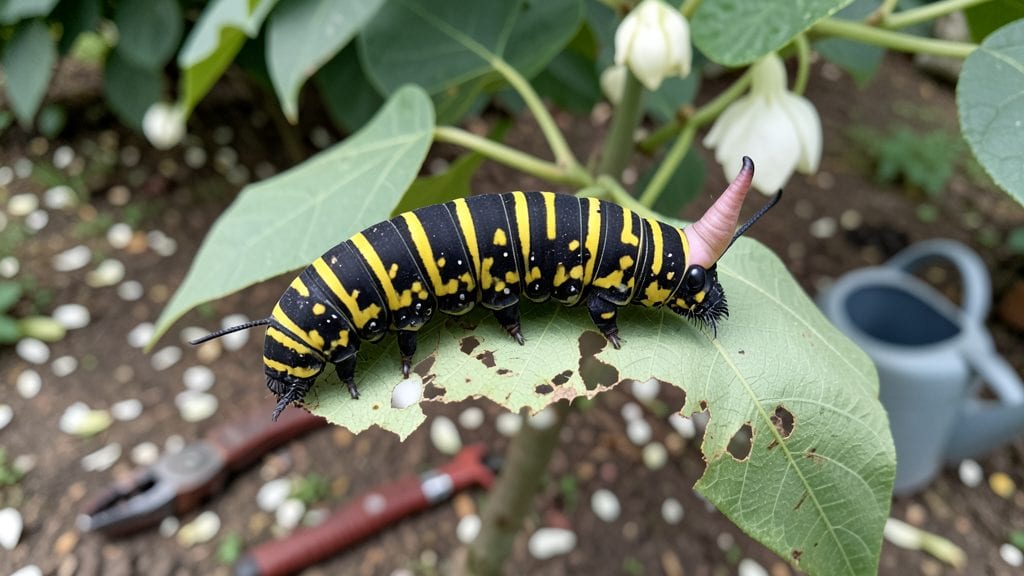
The catalpa worm tree isn’t just a shade provider—it’s a hummingbird magnet that turns your yard into a buzzing ecosystem. 🌿 I planted mine five years ago, and now I’m surrounded by iridescent caterpillars, fragrant summer blooms, and birds that never leave.
The tree itself is striking: broad leaves, dramatic height, and those signature bell-shaped flowers that hummingbirds adore.
This tree thrives in full sun to partial shade, tolerates most soil types, and handles heat and humidity like a champ—perfect for zones 4 through 9. It’s low-maintenance once established, but young trees need consistent watering and occasional pruning to shape those sturdy branches.
The real magic? Those catalpa worms aren’t pests—they’re a food source for birds and a sign your tree is thriving.
By midsummer, you’ll have a canopy of velvety green foliage, clusters of white-and-purple flowers, and a steady stream of pollinators. The worms might look alarming, but they’re a natural part of the cycle, and the tree bounces back stronger each year.
Plus, the wood is rot-resistant, so it outlasts many other shade trees.
Best of all, it’s beginner-friendly—just avoid overwatering and give it space to grow. Whether you’re planting one for shade, wildlife, or sheer beauty, this tree delivers. Let’s get yours in the ground!
📚 In This Guide
- What you need
- Instructions
- Tips and common mistakes
- Wrapping up and next steps
What you need
- ● Catalpa tree seedlings or saplings: Choose disease-resistant varieties like Catalpa bignonioides (Southern Catalpa) or Catalpa speciosa (Northern Catalpa). 1–3 plants per garden, depending on space.
- ● High-quality potting soil or native soil mix: 50 lbs for planting; ensure it’s well-draining and rich in organic matter.
- ● Mulch (wood chips or shredded bark): 2–3 cubic feet to retain moisture and suppress weeds.
- ● Slow-release fertilizer (10-10-10 or 5-10-5): 1–2 lbs per tree to support growth.
- ● Pruning shears: Sharp, bypass-style shears (8–10" blades) for trimming.
- ● Garden trowel or spade: For digging holes 2–3 times wider than the root ball.
- ● Watering can or hose with nozzle: 5+ gallons of water for initial planting.
- ○ Hummingbird feeder (optional): 1–2 feeders (12–16 oz) to attract pollinators immediately.
- ○ Pest deterrents (optional): Neem oil spray (1–2 bottles) to manage catalpa worms if overpopulation occurs.
- ● Birdhouses (1–2 units) to encourage natural predators like chickadees.
- ● Sunlight: Full sun (6+ hours/day) for optimal growth.
- ● Space: Mature trees reach 20–30 feet tall; plant 10+ feet from structures.
- ● Climate: Hardy in USDA Zones 4–9; avoid waterlogged soils.
How to plant and maintain a catalpa tree for pollinators
This fast-growing beauty thrives with minimal fuss while turning your yard into a hummingbird magnet.
🌱 Step 1: Choose the Right Location and Planting Time
Catalpa trees love full sun to partial shade but perform best with at least 6 hours of direct sunlight daily. I always plant mine in spring after the last frost when soil temperatures reach 60°F—this gives roots time to establish before summer heat. Avoid low-lying areas where water pools, as catalpas hate soggy feet.
Dig a hole twice as wide as the root ball but no deeper. The top of the root ball should sit 1-2 inches above ground level—this prevents root rot while allowing the tree to settle naturally. Loosen any circling roots gently with your fingers before placing the tree in the hole.
☀️ Step 2: Amend Soil and Plant for Optimal Growth
Catalpas adapt to most soil types but thrive in well-draining, slightly acidic soil (pH 6.0-7.0). Mix 2-3 inches of compost into the bottom of the planting hole to boost nutrient availability. If your soil is heavy clay, add a shovelful of sand to improve drainage.
Backfill the hole with native soil, tamping lightly every 6 inches to eliminate air pockets. Water deeply to settle the soil around roots, then create a 4-inch-high berm around the base to direct water away from the trunk. Mulch with 2-3 inches of wood chips, keeping mulch 6 inches away from the trunk to prevent rot.
💧 Step 3: Water Deeply and Establish a Maintenance Routine
Water twice weekly for the first year, providing 10-15 gallons per watering to encourage deep root growth. You’ll know you’re doing it right when the soil feels moist 6 inches down—stick your finger in to check. Overwatering is the biggest mistake; catalpas are drought-tolerant once established.
Fertilize once in early spring with a balanced 10-10-10 formula (follow package rates). Avoid high-nitrogen fertilizers—they promote leafy growth at the expense of those prized catalpa worms. Prune only to remove dead or crossing branches in late winter; never "top" the tree, as catalpas respond poorly to severe cuts.
✂️ Step 4: Encourage Pollinators With Minimal Intervention
Catalpas are low-maintenance pollinator powerhouses, but a few tweaks maximize their appeal. Leave seed pods on the tree into winter—they provide food for birds and shelter for insects. Avoid pesticides entirely; catalpas host 100+ butterfly species, including the striking catalpa sphinx moth.
By year 3, your tree will produce foot-long leaves and showy white flowers that hummingbirds can’t resist. Prune only to shape the canopy in late winter, never during active growth. The more you let nature take its course, the more pollinators will flock to your yard.
Tips & tricks for perfect catalpa worm tree planting
These game-changing insights will help you transform your yard into a thriving pollinator paradise with minimal effort.
Location is Everything: While catalpas tolerate partial shade, that 6 hours of direct sunlight is non-negotiable for optimal growth and flower production. I've seen trees in shadier spots struggle to produce those showy white blooms hummingbirds adore. If your yard has limited sun, consider planting near a south-facing wall that reflects extra light onto the tree.
Root Ball Placement Secret: That 1-2 inch elevation above ground level for the root ball isn't just about aesthetics—it's a critical drainage strategy. I learned this the hard way when my first catalpa developed root rot from being planted too deeply. The slight elevation prevents water from pooling around the base, which catalpas absolutely hate. Think of it as creating a natural drainage system right from planting day.
Soil Science Matters: The 2-3 inches of compost recommendation isn't just about nutrients—it's about creating the perfect microbial environment for your tree's roots. I always mix in a handful of mycelium-rich compost (the kind with visible fungal strands) to jumpstart beneficial soil organisms. For heavy clay soils, that shovelful of sand creates tiny air pockets that roots desperately need. Don't skip this step if your soil feels dense when you squeeze a handful.
Watering Wisdom: Those 10-15 gallons per watering might seem like a lot, but it's essential for encouraging deep root growth. I use a soaker hose set on low for 30-45 minutes to deliver water gradually, which prevents surface evaporation. The 6-inch depth check is your best indicator—if you can't feel moisture at that depth, water again. This deep watering routine is what makes catalpas so drought-tolerant once established.
Pro Tips for Catalpa Worm Tree
- These game-changing insights will help you transform your yard into a thriving pollinator paradise with minimal effort.
- Location is Everything: While catalpas tolerate partial shade, that 6 hours of direct sunlight is non-negotiable for optimal growth and flower production.
- Root Ball Placement Secret: That 1-2 inch elevation above ground level for the root ball isn't just about aesthetics—it's a critical drainage strategy.
Frequently asked questions
Got questions about catalpa worms and their tree? You’re not alone! Here are answers to the most common curiosities—from concerns about damage to tips for attracting hummingbirds. Let’s dive in:
Are catalpa worms harmful to my tree?
While they may look alarming, catalpa worms (Cercopia catalpae) are actually beneficial! They feed on catalpa leaves but rarely cause serious damage. In fact, their presence attracts hummingbirds, which help control pests naturally. If defoliation is heavy, prune affected branches to encourage new growth.
When do catalpa worms appear, and how long do they last?
Catalpa worms emerge in late spring to early summer (May–June), hatching from eggs laid the previous year. They’re fully grown by July–August and drop to the ground to pupate. The cycle repeats annually, so expect them back each summer!
Can I grow catalpa trees if I hate caterpillars?
Yes! If you dislike caterpillars, consider dwarf catalpa varieties (like Catalpa bignonioides ‘Nana’) or plant them away from high-traffic areas. Alternatively, opt for non-host trees like crape myrtle or oak—though you’ll miss out on hummingbird visitors!
How do I get rid of catalpa worms if I want to?
If damage is severe, handpick worms and drop them in soapy water. For large infestations, use Bt (Bacillus thuringiensis), a natural bacteria that targets caterpillars without harming birds or bees. Avoid chemical pesticides—they can repel pollinators!
Do catalpa worms attract other pests?
Not typically! Catalpa worms are host-specific and don’t draw additional pests. However, their droppings (frass) can stain sidewalks—hose them down if needed. The real bonus? Hummingbirds flock to catalpa trees to snack on the worms, creating a pest-control ecosystem!
Wrapping up and next steps
The catalpa worm tree isn’t just a stunning addition to your garden—it’s a lifeline for pollinators, offering year-round nectar and shelter while adding beauty to your landscape.
Whether you're tackling caterpillar concerns or simply embracing nature’s wonders, this tree proves that even "pests" can be part of a thriving ecosystem. 🌿
Ready to transform your outdoor space? Start by researching the best catalpa varieties for your climate, then take the plunge—your garden (and hummingbirds!) will thank you. Plant today, enjoy tomorrow! 🌟