
Pruning
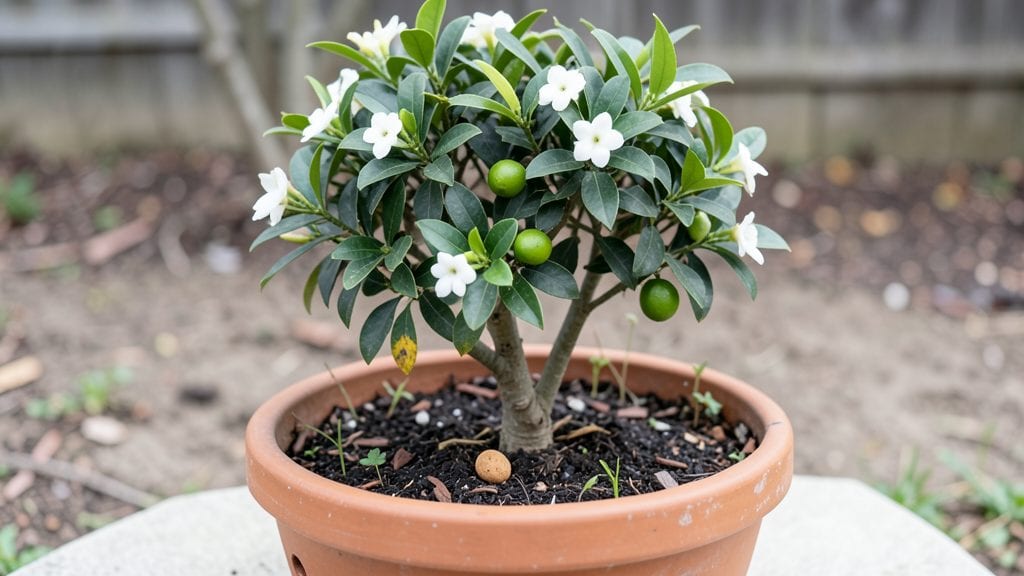
Growing a lime tree in a pot lets you enjoy tropical fruit even in the Pacific Northwest—with the right pruning, it thrives through frosts and keeps producing luscious, fragrant blooms year after year. 🌱 I’ve learned the hard way that skipping winter pruning means weak growth and fewer limes, but once you master it, your tree becomes a resilient, productive centerpiece.
The key starts with a 15-gallon pot (minimum) and well-draining soil mixed with perlite—lime trees hate soggy roots. Place it in full sun (at least 6 hours daily), and water when the top inch of soil feels dry.
Fertilize lightly in spring with citrus-specific food, but cut back in fall to prep for colder months.
By pruning before first frost, you encourage sturdy new growth that survives winter. Snip back leggy branches by ⅓ to open the canopy for sunlight, and remove any dead wood. In spring, you’ll see fresh green leaves and—with patience—sweet, tart limes within 2-3 years.
Even in rainy PNW winters, these trees adapt if you bring them indoors when temps drop below 25°F. The trick is consistency: prune annually, avoid overwatering, and protect from wind. With these steps, your potted lime tree won’t just survive—it’ll flourish like a coastal original.
📚 In This Guide
- What you need
- Instructions
- Tips and common mistakes
- Wrapping up and next steps
What you need
- ● Lime tree sapling or young tree: Choose a Citrus aurantifolia (Key lime) or Citrus × latifolia (Persian lime) variety, ideally 1–3 years old and potted in a 15–25 gallon container (diameter: 12–18 inches).
- ● Well-draining potting mix: A blend of 60% organic matter (e.g., coconut coir, peat moss) + 30% perlite/pumice + 10% compost. Avoid garden soil—lime trees hate soggy roots! 🚫💦
- ● Drainage system: A pot with 4–6 drainage holes (minimum ½-inch diameter) + a saucer or cache pot to catch excess water.
- ○ Frost-hardy mulch: 3–4 inches of pine bark or straw mulch to insulate roots in winter (optional but highly recommended for PNW winters!).
- ● Bypass pruners: Sharp, clean pruners (sterilize with rubbing alcohol between cuts).
- ○ Hand saw (optional): For thicker branches (>½ inch), use a pruning saw with a fine-tooth blade.
- ● Garden gloves: Nitrile or leather gloves (lime trees have thorns!).
- ● Hose or spray bottle: For rinsing sap off tools and hands after pruning.
- ○ Pruning sealant (optional): Tree wound paint (like Tanglefoot Tree Seal) for cuts >¼ inch in diameter.
- ● Sunlight access: A south-facing spot with 6+ hours of direct sunlight daily (use a moveable pot stand if needed).
- ● Temperature control: Protect from below 25°F—use a frost cloth or cold frame in winter.
- ● Watering routine: Keep soil consistently moist but not waterlogged (check top 1–2 inches daily).
- ● Fertilizer: Citrus-specific fertilizer (e.g., Espoma Citrus-Tone) applied every 6–8 weeks in growing season.
Step-by-Step pruning guide for container-grown lime trees in the PNW
Here’s how I keep my potted lime trees thriving through Pacific Northwest winters—without sacrificing blooms or fruit.
✂️ Step 1: Assess Growth and Identify Pruning Zones
Start by examining your lime tree for winter damage—look for brown, brittle branches or dead wood. In the PNW, frost often kills tender new growth, so focus on removing anything that looks crispy or hollow when tapped. Healthy branches should bend slightly and have green bark underneath.
Next, locate the lateral buds—those small bumps where leaves or branches grow out. These are your pruning targets. Cut just above a lateral bud at a 45-degree angle to encourage outward growth. Avoid cutting directly above a bud; you’ll stunt new shoots. I like to make my cuts about ¼ inch above the bud—this prevents water from pooling and rotting the wound.
🌿 Step 2: Thin Out Crowded Branches for Airflow
Lime trees in pots can get top-heavy and overcrowded, especially if you’ve been pruning lightly. Remove 1 in 3 branches starting from the bottom of the tree to improve airflow and light penetration. This reduces disease risk and helps the tree focus energy on producing fruit rather than dense foliage.
When thinning, prioritize branches that are rubbing against each other or growing inward. These compete for sunlight and nutrients, weakening the tree. Use clean, sharp pruners—dull tools crush stems, inviting infection. After each cut, wipe the blades with rubbing alcohol to sterilize them.
☀️ Step 3: Shape for Winter Hardiness and Summer Sun
In the PNW, lime trees need structured shaping to survive occasional frosts. Aim for an open-center form, where the center stays slightly hollow to allow light and air to circulate. This prevents frost pockets from forming inside dense foliage. I trim back any branches that grow toward the center, cutting them back to a lateral bud on the outer half of the tree.
For frost resistance, avoid heavy pruning in late summer—this encourages new growth that won’t harden off before winter. Instead, do most of your shaping in early spring (March-April) when new growth is just starting. If you must prune later, limit cuts to 10-15% of the tree’s foliage to avoid stress.
⏰ Step 4: Post-Pruning Care for Recovery
After pruning, your lime tree will need extra care to recover. Water deeply immediately to help the tree adjust—potted trees dry out faster, and pruning increases water loss. Check the soil every 2-3 days until new growth appears; the top 1 inch of soil should feel moist but not soggy.
Apply a balanced fertilizer (like 10-10-10) 4-6 weeks after pruning to support new growth. Avoid high-nitrogen fertilizers—they encourage leafy growth at the expense of fruit. Instead, I use a citrus-specific fertilizer to ensure the tree gets the micronutrients it needs for blooming and fruiting.
🪴 Step 5: Winter Protection for Potted Trees
Since lime trees in pots are more vulnerable to frost, move them to a protected location before the first freeze—even if it’s just a sheltered corner of your patio or garage. Wrap the entire pot (including the root ball) in burlap or frost cloth to insulate roots. I also add a thick layer of mulch (2-3 inches) around the base to retain heat.
If temperatures drop below 20°F, consider moving the pot indoors near a south-facing window or under a grow light. Avoid heating vents—dry air stresses the tree. Monitor for bud swell in early spring; this is your cue to resume regular care and fertilizing.
Tips & tricks for perfect frost-resistant lime tree pruning
Pruning container-grown lime trees in the PNW requires precision to balance winter hardiness and fruit production. Here’s how to elevate your technique beyond the basics.
The Lateral Bud Technique: When cutting in Step 1, make sure to angle your cut just above the lateral bud—this isn’t just about aesthetics. The angle prevents water from pooling on the cut surface, which could lead to fungal infections. I’ve seen too many pruning wounds rot because of this simple oversight. Use a sharp pruner and make clean cuts to minimize damage to surrounding tissue.
Thinning Strategy: In Step 2, when removing 1 in 3 branches, focus on creating an open vase shape rather than just reducing density. This open-center form is critical for frost resistance—it prevents cold air from getting trapped in dense foliage. Start with the oldest branches at the bottom, as they’ve already served their purpose. Think of it like sculpting: you’re shaping the tree’s future growth pattern.
Timing is Everything: The early spring pruning window in Step 3 (March-April) is non-negotiable for PNW conditions. New growth after this period won’t have time to harden off before winter. If you must prune later, remember the 10-15% rule—this prevents stress that could weaken the tree before cold weather hits. I’ve learned this the hard way after seeing trees struggle when pruned too late in the season.
Winter Protection Hacks: For the 20°F threshold mentioned in Step 5, consider adding a layer of bubble wrap around the pot before the frost cloth. This extra insulation can make all the difference in protecting roots. Also, if you’re using a south-facing window indoors, rotate the pot weekly to ensure even light exposure—citrus trees need consistent light to maintain their health during winter dormancy.
Pro Tips for Lime Tree In Pot
- Pruning container-grown lime trees in the PNW requires precision to balance winter hardiness and fruit production.
- The Lateral Bud Technique: When cutting in Step 1, make sure to angle your cut just above the lateral bud—this isn’t just about aesthetics.
- Thinning Strategy: In Step 2, when removing 1 in 3 branches, focus on creating an open vase shape rather than just reducing density.
Frequently asked questions
Got questions about growing a lime tree in a pot—especially in the chilly Pacific Northwest? We’ve got answers!
Whether you’re worried about frost, pruning, or container size, here’s what you need to know to keep your citrus thriving.
Can a lime tree survive winter in a pot in the Pacific Northwest?
A lime tree (Citrus aurantifolia) is not frost-resistant—it thrives in USDA zones 9–11. In the PNW (zones 7–9), you’ll need to bring it indoors before temps drop below 30°F (-1°C). Use a grow light and keep it in a sunny spot (like a sunroom) to prevent leaf drop. Prune lightly in early spring to encourage new growth after dormancy.
How big should the pot be for a potted lime tree?
Start with a 15–20 gallon container for a young lime tree (3–5 years old). Mature trees need at least 25+ gallons to avoid root-bound stress. Use fast-draining soil (like a cactus/succulent mix amended with perlite) and ensure the pot has drainage holes. Pro tip: Upgrade pots 1–2 sizes every 2–3 years to match root growth.
When is the best time to prune a potted lime tree?
Prune late winter or early spring (February–March) to shape the tree and encourage blooms. Avoid heavy pruning in fall—it stresses the tree before winter. Focus on:
- Removing dead or crossing branches (use sterilized pruners).
- Trimming overgrowth to improve airflow (reduces fungal risks).
- Shortening suckers (shoots at the base) to direct energy to fruit.
In the PNW, wait until after frost danger passes—usually mid-April.
Why isn’t my potted lime tree bearing fruit?
Lime trees need 3–4 years to bear fruit, but common PNW issues include:
- Insufficient sunlight: Lime trees need 6+ hours of direct sun daily (supplement with grow lights in winter).
- Poor pollination: Hand-pollinate with a small brush if bees are scarce.
- Nutrient deficiencies: Feed with citrus-specific fertilizer (high in nitrogen in spring, potassium in summer).
- Stress from temperature swings: Keep temps stable (60–85°F) and avoid drafts.
Pro tip: If leaves yellow, check for overwatering—lime trees hate soggy roots!
What’s a good frost-resistant alternative to lime trees for the PNW?
If limes are too finicky, try these hardier citrus hybrids or alternatives:
For true frost resistance, consider Poncirus trifoliata (trifoliate orange)—it’s cold-hardy (zone 7) but not edible.
Wrapping up and next steps
Growing a lime tree in a pot in the Pacific Northwest is totally doable—especially with frost-resistant pruning! 🌿 By following the right techniques, you’ll encourage vibrant blooms, healthy growth, and even a bountiful harvest (if you’re lucky!).
The key is timing, precision, and patience, so don’t stress if it takes a little practice.
Ready to take the next step? Start small—pick a sunny spot, grab your pruners, and give your lime tree the TLC it deserves. Before you know it, you’ll be enjoying fragrant blooms (and maybe even limes!) year after year. Happy pruning! 🌸✂️