Pruning
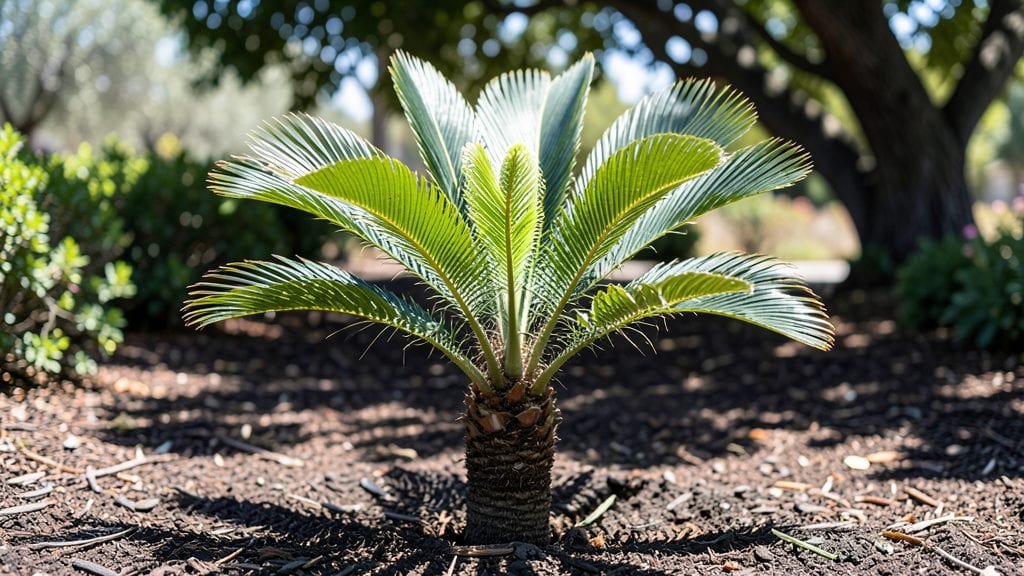
Growing a palm tree from a sprout in the Pacific Northwest feels like a bold bet—until you see that first frond unfurl against the odds. ✨ I’ve nurtured frost-resistant varieties like the Windmill Palm (Trachycarpus fortunei) through our damp, chilly winters, and the secret isn’t magic—it’s matching the plant’s tropical roots to our climate’s quirks.
The soil mix, watering rhythm, and shelter choices make all the difference between a sad sapling and a thriving centerpiece that outlasts your neighbors’ annuals.
The real game-changer? A well-draining soil blend with 30% perlite or pumice to prevent soggy roots, paired with morning sun and afternoon shade to mimic the plant’s native partial-light conditions. Most gardeners overwater—palm sprouts hate wet feet, so stick your finger in the soil first.
A 5-gallon container works for starters, and moving it indoors during hard freezes (below 15°F) buys you years of growth before transplanting. The first year is about patience; think of it as raising a toddler who needs coddling but grows into a giant.
By summer’s end, you’ll spot new fronds emerging with a waxy sheen, proof the plant’s adapting. The biggest challenge? Humidity—our dry winters can stress young palms, so misting or a pebble tray helps. Watch for yellowing leaves (too much water) or crispy tips (too little), and adjust.
With the right care, your sprout could reach 6 feet tall in 3-5 years, standing tall even when other tropicals wilt. The payoff? A palm that says, “I belong here,” without the fuss.
Works for indoor pots, patio planters, or in-ground planting once roots fill the container. The key is treating it like a local—not a tropical show-off. Let’s get those sprouts growing strong for PNW summers (and winters).
📚 In This Guide
- What you need
- Instructions
- Tips and common mistakes
- Wrapping up and next steps
What you need
- ● Palm Tree Sprout: A healthy, young palm tree sprout (1–3 feet tall) with visible roots. Look for Chamaedorea elegans (parlor palm) or Trachycarpus fortunei (windmill palm) for frost tolerance.
- ● Growing Container: A pot with drainage holes, 12–18 inches in diameter (for sprout size). Terracotta or fabric pots work well.
- ● Potting Mix: A well-draining blend: 50% peat moss or coconut coir
- ● 30% perlite or pumice
- ● 20% sand or orchid bark
- ● Slow-Release Fertilizer: A balanced, palm-specific fertilizer (e.g., 8-3-6 or 10-10-10 NPK ratio). Use 1–2 teaspoons per gallon of soil.
- ● Pruning Shears: Sharp, sterilized shears (for trimming dead fronds or roots if needed).
- ● Watering Can: With a rose attachment for gentle watering.
- ● Mulch: Pine bark or wood chips (1–2 inches thick) to insulate roots in winter.
- ● Grow Lights: LED full-spectrum bulbs (for indoor sprouts or short PNW winters).
- ● Humidity Tray: A shallow tray with pebbles and water to boost humidity.
- ● Frost Cloth or Bubble Wrap: Lightweight cover for mild frost events (PNW’s hard freezes may still require indoor relocation).
- ● Soil Moisture Meter: To monitor drainage and watering needs.
- ● Epsom Salt: 1 tablespoon per gallon of water (monthly) for magnesium boost.
Step-by-step guide to growing frost-resistant palm tree sprouts
Here's how to nurture hardy palm seedlings that thrive in the Pacific Northwest's cool climate.
🌱 Step 1: Select and Prepare Frost-Resistant Palm Seeds
Choose cold-tolerant varieties like windmill palm (Trachycarpus fortunei) or Chinese windmill palm, which survive temperatures down to 15°F. Soak seeds in warm water for 24 hours to soften the tough outer shell—this mimics natural weathering and speeds germination. Drain and let them sit in a damp paper towel overnight to prevent rot.
I always test-float seeds first: place them in a bowl of water. Good seeds sink immediately; discard any that float. This ensures only viable seeds proceed to planting. The soaked seeds will feel noticeably softer when squeezed gently between fingers.
🪴 Step 2: Create Ideal Germination Conditions
Fill 4-inch deep containers with a sterile 50/50 mix of peat moss and perlite—this lightweight blend prevents waterlogging while retaining enough moisture. Plant seeds ½ inch deep, spacing them 2 inches apart in the container. Cover with a thin layer of vermiculite to retain warmth and moisture without suffocating the seeds.
Place containers in a warm, dark location (around 75-80°F) to encourage germination. I use a seedling heat mat under my propagation tray—palm seeds need consistent warmth to break dormancy. Keep the mix moist but never soggy; water from the bottom by placing containers in ½ inch of water for 10 minutes daily.
☀️ Step 3: Transition to Light and Monitor Growth
Once sprouts emerge (typically 4-8 weeks), move them to bright, indirect light for 4 hours daily, gradually increasing exposure. Direct sun at this stage causes scorching on delicate seedlings. You'll see first true leaves appear as long, strap-like fronds—this is your cue to increase light to 12 hours daily using a grow light if natural light is insufficient.
Rotate containers quarter-turn weekly to prevent leggy growth toward the light source. When seedlings reach 6 inches tall, transplant them into 6-inch pots with a well-draining cactus/succulent mix amended with 20% compost. This prevents root rot while supporting their tropical origins.
⏰ Step 4: Harden Off and Prepare for Outdoor Planting
Three weeks before your last frost date, begin hardening off by placing pots outside in partial shade for 1 hour daily, increasing time by 1 hour each day. Watch for yellowing leaves—this signals too much sun exposure. Once seedlings tolerate 6 hours of outdoor exposure without stress, they're ready for permanent planting.
Choose a sheltered microclimate (south-facing wall, near a building) for outdoor planting. Dig holes twice as wide as the root ball but only as deep as the container. Amend native soil with compost to improve drainage. Space palms 10-15 feet apart—they'll grow slowly but eventually reach 15-20 feet tall. Mulch with 3 inches of wood chips to insulate roots during winter.
✂️ Step 5: Winterize and Maintain for Long-Term Survival
In fall, wrap young palms in burlap and apply a 2-inch layer of mulch around the base. Mature palms need no winter protection beyond normal care. Water deeply every 2-3 weeks during dormancy—soil should feel dry 2 inches down before watering. Fertilize lightly in spring with a balanced 10-10-10 formula to encourage new frond growth.
Prune only dead fronds in late winter. Never cut live fronds—this stresses the plant. You'll know your palms are thriving when they produce new fronds in spring and maintain vibrant green color through winter. With patience, these seedlings will mature into stately, frost-resistant palms that define Pacific Northwest landscapes.
Tips & tricks for perfect frost-resistant palm tree sprouts
Here's what nobody tells you about growing palms that actually survive Pacific Northwest winters—these tricks make all the difference between fragile seedlings and thriving tropical survivors.
Seed Selection Tip: When choosing seeds, look for ones with a slightly rough, textured shell—these tend to be more mature and have higher germination rates. I've had the best success with seeds that are about the size of a large grape; smaller seeds often struggle to break dormancy in our cool climate. Also, store your seeds in a cool, dry place until ready to use—exposure to heat or humidity can reduce viability. The 24-hour warm water soak is critical because it mimics natural weathering patterns that break down the tough outer shell, but don't skip the overnight paper towel step—this prevents the seeds from sitting in stagnant water that could cause rot.
Germination Environment: That 75-80°F range isn't just arbitrary—palm seeds need consistent warmth to break dormancy, and our Pacific Northwest homes often struggle to maintain this during germination. I've found that placing containers on top of a refrigerator (not inside) provides a stable heat source without risking condensation. The bottom-watering method for 10 minutes daily is genius because it prevents waterlogging while keeping the mix consistently moist. Pro tip: Use a spray bottle to mist the vermiculite cover—this maintains humidity without oversaturating the mix.
Light Transition Strategy: The 4-8 week germination window can feel like an eternity, but patience pays off. When you first introduce light, place seedlings near an east-facing window where they'll get gentle morning sun. I've seen many growers rush this transition and end up with scorched seedlings—start with just 4 hours and gradually increase. That quarter-turn rotation weekly is non-negotiable; I've had seedlings grow at crazy angles when I forgot this step. And when you see those first strap-like fronds, that's your cue to increase to 12 hours of light—this is when they really start photosynthesizing effectively.
Hardening Off Hack: The 1-hour daily outdoor exposure might seem minimal, but it's the perfect acclimation rate. I've learned to watch for subtle signs of stress like slight leaf curling or pale green color—these are early warnings before you see full-blown yellowing. For growers in particularly windy areas, I recommend starting with just 30 minutes and building up more slowly. And when you're ready for permanent planting, that sheltered microclimate is everything—south-facing walls capture heat while protecting from harsh winds that can stress young palms.
Pro Tips for Palm Tree Sprout
- Here's what nobody tells you about growing palms that actually survive Pacific Northwest winters—these tricks make all the difference between fragile seedlings and thriving tropical survivors.
- Seed Selection Tip: When choosing seeds, look for ones with a slightly rough, textured shell—these tend to be more mature and have higher germination rates.
- Germination Environment: That 75-80°F range isn't just arbitrary—palm seeds need consistent warmth to break dormancy, and our Pacific Northwest homes often struggle to maintain this during germination.
Frequently asked questions
Got questions about growing frost-resistant palm tree sprouts in the Pacific Northwest? You’re not alone! Here are some of the most common queries—and their practical answers—to help you nurture your little tropical friend through chilly winters.
How cold can palm tree sprouts tolerate before frost damage occurs?
Most frost-resistant palm sprouts, like Trachycarpus fortunei or Chamaerops humilis, can handle brief dips to 15–20°F (-9 to -6°C). However, prolonged exposure below 25°F (-4°C) risks leaf burn or dieback. Use mulch and frost cloth for extra protection during unexpected freezes!
How long does it take for a palm tree sprout to mature enough for frost?
Young sprouts (under 2 years) are highly vulnerable to frost damage. Aim for 3–5 years of growth before winterizing, as mature palms develop thicker trunks and tougher fronds. If you’re starting from seed, plan ahead—patience pays off for hardier plants!
Can I grow palm tree sprouts indoors first, then transplant outdoors?
Starting sprouts indoors ( 6–8 weeks before last frost) gives them a head start. Use a sunny windowsill or grow light, and transplant when soil temps reach 60°F (15°C). Harden off seedlings by gradually exposing them to outdoor conditions to avoid shock.
What should I do if my palm tree sprout shows frost damage?
Don’t panic! Trim only dead or brown fronds (never healthy green tissue) with clean pruners. Avoid heavy pruning—palms recover slowly. Apply a balanced fertilizer in spring to encourage regrowth. If the trunk is soft or oozing sap, the plant may be beyond saving.
Are there frost-resistant palm alternatives if sprouts fail?
Yes! Consider these cold-hardy options for the PNW:
- Dwarf Windmill Palm (Trachycarpus wagnerianus) – Survives to 10°F (-12°C).
- Mediterranean Fan Palm (Chamaerops humilis) – Thrives in USDA Zone 7b.
- Needle Palm (Rhapidophyllum hystrix) – The hardiest (Zone 6!), but slower-growing.
These varieties mimic palm aesthetics without the frost risk!
Wrapping up and next steps
Growing a frost-resistant palm tree sprout in the Pacific Northwest is absolutely doable—with the right care, patience, and a dash of creativity! 🌱 Whether you’ve chosen a Windmill Palm or a Needle Palm, the key is to nurture young sprouts in a controlled environment before transplanting them outdoors.
Remember, protection from cold snaps and well-draining soil are your best allies.
Ready to turn your garden into a tropical oasis? Start by monitoring your sprouts’ progress and gradually acclimating them to outdoor conditions. Before you know it, you’ll be sipping lemonade under the shade of your very own frost-hardy palm! 🍹✨