
Pruning
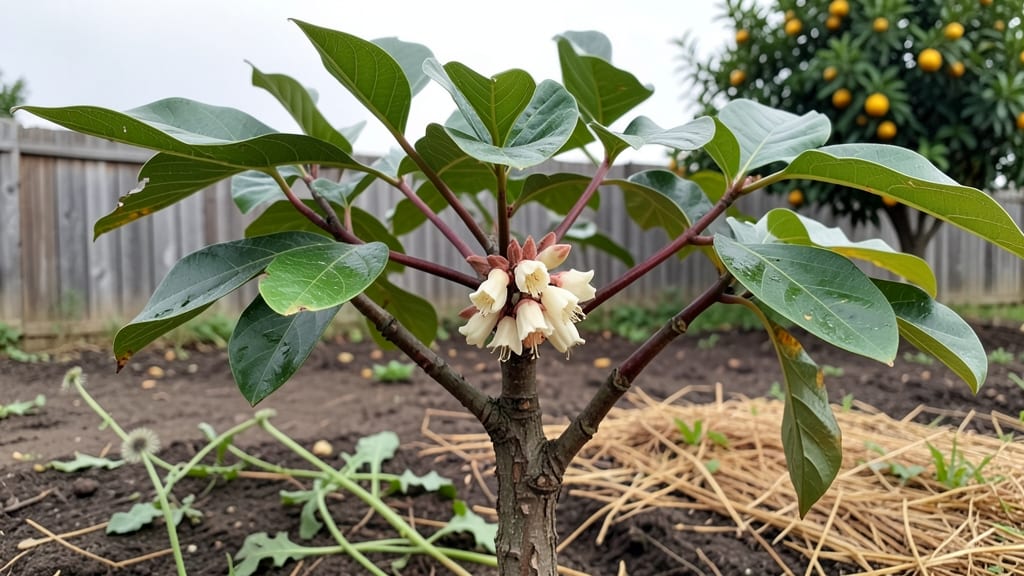
Pruning cacao trees unlocks the secret to year-round harvests—something I learned the hard way after my first crop petered out in the dry season. 🌱 The right cuts encourage new growth while protecting the tree’s delicate structure, and four strategic prunes make all the difference between a single flush of pods and steady production.
Most gardeners overlook cacao’s need for balanced sunlight and shade, but pruning creates that perfect microclimate. You’ll need sharp pruners, a clear day, and about 30 minutes to work through the four cuts: shaping the canopy, removing dead wood, thinning crowded branches, and encouraging airflow.
The key is patience—cacao responds slowly but reliably.
What you’ll end up with is a tree that bears smooth, glossy pods year after year, even in less-than-perfect conditions. The first harvest after pruning is often the sweetest, with pods ripening faster and tasting richer.
Plus, you’ll spend less time fighting pests and diseases that thrive in dense, unpruned foliage.
This method works for both backyard growers in Florida and commercial plots in Central America. The principles stay the same—just adjust timing for your local rainy season. Ready to transform your cacao tree into a steady producer?
📚 In This Guide
- What you need
- Instructions
- Tips and common mistakes
- Wrapping up and next steps
What you need
- ● Pruning shears: Bypass pruners (5-inch blades) for clean cuts on small branches.
- ● Loppers: 8–12-inch bypass loppers for thicker branches (up to 2 inches in diameter).
- ● Pruning saw: A fine-tooth saw (8–10 inches) for stubborn, woody growth.
- ● Disinfectant: 70% isopropyl alcohol or a 10% bleach solution (1 part bleach to 9 parts water) to sterilize tools between cuts.
- ● Gloves: Heavy-duty, cut-resistant gloves (gardening or pruning-specific) to protect your hands.
- ○ Sharpie or marker: Permanent marker for labeling branches (optional but helpful for tracking cuts).
- ● Bucket or bag: A sturdy container (5+ gallons) to collect pruned branches for composting or disposal.
- ○ Pruning sealant (optional but recommended): Tree wound sealant (like Tanglefoot or a natural beeswax blend) for cuts larger than ½ inch.
- ● Timing: Prune during the dry season (avoid rainy periods to prevent disease). Early morning or late afternoon is ideal.
- ● Weather: Clear skies and temperatures between 60–85°F (15–30°C) for optimal healing.
- ● Safety gear: Long sleeves, closed-toe shoes, and safety glasses (especially if using a saw).
- ● Tree health check: Inspect the cacao tree for pests (like cacao pod borers) or diseases (e.g., vascular streak dieback) before pruning.
- ● Water source: A hose or watering can to rinse tools and refresh the tree post-pruning.
- ● 🔥 Sharpen your tools! Dull blades tear bark, inviting infections. Hone shears/loppers with a file before starting.
- ● 🌡️ Work in layers: Remove no more than 20–30% of the tree’s foliage in one session to avoid stressing the plant.
- ● ✨ Label with purpose: Use your marker to jot notes like “thinning,” “structural,” or “deadwood” on branches for future reference.
Instructions for pruning cacao trees to maximize pod production
Here's the method I've used to transform wild cacao growth into structured, high-yielding trees.
✂️ Step 1: Remove Suckers and Water Sprouts in Early Spring
Start your pruning in late February to early March when new growth begins but before the rainy season peaks. Look for suckers—those vigorous shoots growing from the main trunk or roots—and water sprouts shooting up from the base. These compete with your main branches for energy and often produce poor-quality pods.
Use clean, sharp pruning shears to cut these back to the main trunk or branch collar. I always make cuts at a 45-degree angle, about ¼ inch above a leaf node, to prevent water from pooling and causing rot. This first cut sets the stage for better air circulation and sunlight penetration deeper into the canopy.
🌿 Step 2: Thin Overcrowded Canopy Branches in Mid-Season
By June or July, your cacao tree will have filled out, and you'll notice branches growing too close together. Overcrowding leads to shaded lower branches that produce fewer pods and attract pests. Select branches that are crossing, rubbing, or growing directly upward—these are your targets.
Remove one-third of the weakest branches per tree, cutting back to the nearest strong lateral branch or main stem. I prioritize branches that are thinner than a pencil or showing signs of disease. After pruning, the tree will look less dense, but within 4-6 weeks, you'll see new shoots emerging from the cut points—these will be stronger and more productive.
☀️ Step 3: Open the Center for Sunlight in Late Summer
In August or September, focus on opening the tree's center to let sunlight reach the lower branches. Cacao trees naturally grow in a pyramidal shape, but many growers let the center fill in too much, creating a dark, humid interior where pods struggle to mature. Look for branches growing inward or blocking light from the lower canopy.
Use your pruners to remove 2-3 central branches that are competing with stronger outer branches. Cut just above a leaf node facing outward to encourage growth in the right direction. This step is critical for year-round harvests—sunlight on the pods ensures consistent ripening, even during shorter daylight months.
⏰ Step 4: Prune for Shape and Harvest Readiness in Winter
In December or January, do a final light pruning to refine the tree's shape and prepare for the next harvest season. Focus on dead, diseased, or broken branches first—these should be removed entirely. Then, trim back any branches that have produced pods but are now overbearing or growing in unproductive directions.
I also make selective cuts to encourage flowering on 2-3-year-old wood—this is where cacao produces its best pods. Cut back these branches by one-third to stimulate new growth. After this final pruning, your tree should look balanced, open, and ready for the next cycle of growth and harvest.
Tips & tricks for perfect cacao tree pruning
These strategic insights will help you avoid common mistakes and maximize your cacao tree's potential year after year.
Timing is Everything: The late February to early March window for Step 1 is critical because it coincides with the tree's natural dormancy period before the rainy season. I've seen growers miss this timing and end up with waterlogged cuts that rot—don't make that mistake. If you're in a region with unpredictable weather, aim to prune when you see the first 1-2 inch shoots emerging from the trunk.
Cutting Technique Matters: That 45-degree angle in Step 1 isn't just arbitrary—it creates a natural water runoff path that prevents fungal infections. Use your pruning shears to make clean cuts just above a leaf node, and always sterilize your tools between cuts with rubbing alcohol. For larger branches, I recommend using a pruning saw for cleaner cuts that heal faster. The goal is to minimize damage while maximizing airflow.
Visual Cues for Pruning: In Step 2, look for branches that are thinner than a pencil or have a diameter less than ½ inch—these are your weakest links. For Step 3's center opening, focus on branches growing inward at angles steeper than 45 degrees from vertical. These visual cues help you make precise decisions without over-pruning. Remember, you're shaping the tree for sunlight penetration, not just removing random branches.
Seasonal Adjustments: While the seasonal timing works for most tropical regions, adjust based on your local climate. In cooler areas, you might shift Step 1 to March or even April when new growth appears. The key is always to prune just before the tree's active growing season begins. For Step 4's winter pruning, if you're in a frost-prone area, wait until after the last frost date to avoid stressing the tree.
Pro Tips for Cacao On Tree
- These strategic insights will help you avoid common mistakes and maximize your cacao tree's potential year after year.
- Timing is Everything: The late February to early March window for Step 1 is critical because it coincides with the tree's natural dormancy period before the rainy season.
- Cutting Technique Matters: That 45-degree angle in Step 1 isn't just arbitrary—it creates a natural water runoff path that prevents fungal infections.
Frequently asked questions
Got questions about pruning cacao trees for better harvests? You’re not alone! Here are answers to some of the most common queries about cacao on tree care, timing, and troubleshooting.
When is the best time to prune a cacao tree for year-round fruit?
Prune your cacao tree during its dormant season (late fall to early spring) in tropical climates. Avoid pruning during heavy flowering or fruiting—this can stress the tree. For year-round harvests, light maintenance pruning (removing dead or overcrowded branches) can be done after each harvest cycle to encourage balanced growth.
How do I know which branches to cut for optimal cacao pod production?
Focus on four key cuts:
- Dead or diseased branches – Remove these immediately to prevent spread.
- Overcrowded growth – Thin out branches to improve airflow and sunlight exposure.
- Low-hanging branches – Trim these to reduce humidity near the base (which can cause rot).
- Water sprouts – These fast-growing, weak shoots steal energy from pod production.
Can I prune a young cacao tree the same way as a mature one?
No—young cacao trees (under 3 years old) need gentle shaping to establish a sturdy structure. Focus on:
If pods disappear post-pruning, you might’ve over-cut. Try these fixes:
Yes! Adjust techniques based on your climate:
Mature trees (3+ years) can handle more aggressive pruning to boost pod yield.
What should I do if my cacao tree stops producing pods after pruning?
If issues persist, consult a local agronomist for soil/pest analysis.
Are there alternative pruning methods for cacao trees in different climates?
Climate
Pruning Adjustments
Tropical (year-round growth)
Prune in dry seasons to reduce stress. Focus on light maintenance every 3-4 months.
Subtropical (mild winters)
Prune late winter/early spring before new growth starts. Protect from frost-sensitive cuts.
Greenhouse/Container
Prune year-round but avoid heavy cuts during flowering. Use sterilized tools to prevent disease in enclosed spaces.
Wrapping up and next steps
Mastering the art of pruning your cacao on tree unlocks a treasure trove of benefits—from lush, productive growth to year-round harvests that keep your taste buds (and your pantry!) happy. 🌱 By following these four strategic cuts, you’re not just trimming branches; you’re investing in the long-term health and abundance of your cacao tree.
Ready to take the next step? Grab your pruning shears and schedule your first pruning session this season—your future cacao harvests will thank you!