
Pruning
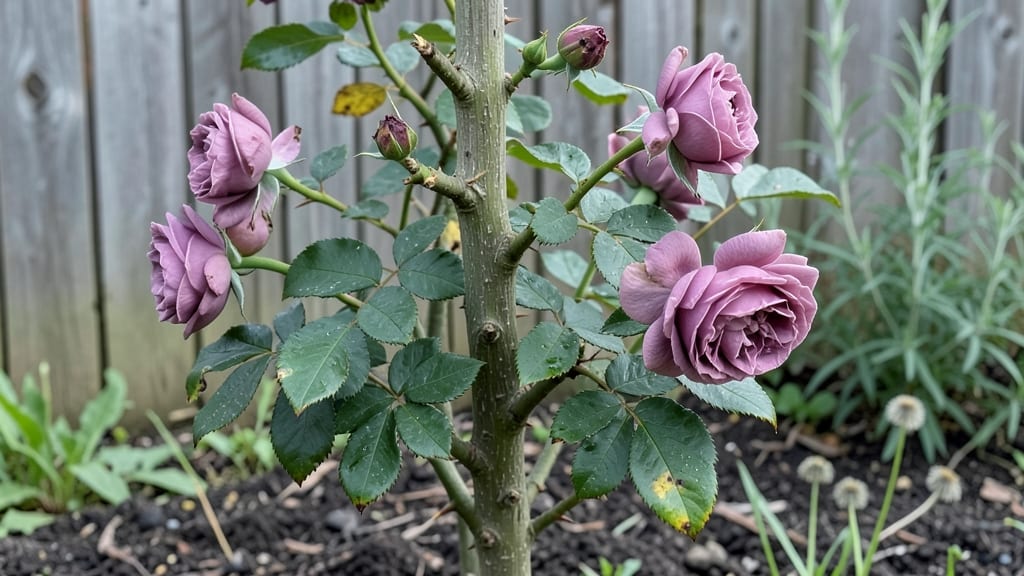
Transforming your rose bush tree into a year-round Pacific Northwest showstopper starts with understanding how these unique roses grow. I’ve pruned mine for five seasons now, and the difference between a scraggly bush and a lush, flowering tree comes down to timing, technique, and knowing when to step back.
The Pacific Northwest’s mild winters and wet springs demand a different approach than most pruning guides suggest—think lighter cuts in late winter and strategic shaping to encourage that iconic tree form.
You’ll need sharp bypass pruners, rubbing alcohol for cleaning cuts, and a clear day to work—rose sap can get messy. The key is pruning in stages: a light cleanup in late winter, shaping in early spring before buds swell, and summer maintenance to keep new growth in check.
My 10-year-old bush now produces blooms from May through October, with occasional winter interest when the hips form. The secret? Pruning for structure first, flowers second.
What you’ll end up with is a rose that looks like a tree—strong central stems, layered branches, and blooms at every level. The foliage stays dense, the flowers arrive in waves, and you avoid that leggy, overgrown look that plagues so many roses.
Even in our damp climate, the right cuts prevent fungal issues while encouraging vigorous new growth. This method works for any rose bush tree, whether you’re starting fresh or reviving an old plant.
For Pacific Northwest gardeners, the biggest mistake is pruning too late in winter or too aggressively in spring. Wait until the danger of frost has passed, and always remove no more than one-third of the plant’s growth in a single session.
The goal is to shape, not to strip. With these adjustments, your rose bush tree will reward you with season-long blooms and a structure that holds up to our windy summers.
📚 In This Guide
- What you need
- Instructions
- Tips and common mistakes
- Wrapping up and next steps
What you need
- ● Pruning shears: Bypass pruners (sharp, clean, and disinfected with rubbing alcohol or bleach solution—1 part bleach to 9 parts water). Size: 6-8 inches for precision cuts.
- ● Loppers: For thicker branches (up to 2 inches in diameter). Look for: Long handles (24-36 inches) for leverage.
- ● Pruning saw: For branches thicker than 2 inches. Type: Curved-tooth saw for clean cuts.
- ● Garden gloves: Heavy-duty, cut-resistant (e.g., leather or Kevlar). Why? Protects hands from thorns and debris.
- ● Disinfectant: 70% isopropyl alcohol or bleach solution (for sterilizing tools between cuts).
- ● Rake or broom: To clear fallen debris and thorns from the work area.
- ○ Pruning sealant (optional but helpful): For large cuts (over ½ inch) to prevent disease. Choose: Tanglefoot Tree Wound Pruning Seal.
- ● Ladder or step stool: If your rose bush tree is taller than 6 feet. Safety tip: Use a sturdy, non-slip ladder.
- ● Bucket or tarp: For collecting pruned branches and debris.
- ● Hand pruners: Smaller, ergonomic shears for delicate trimming.
- ● Pole pruners: Extendable loppers for high branches (10-15 feet).
- ● Sharpie marker: To label branches for future reference (e.g., "bloom season" or "deadwood").
- ● Compost bin: For recycling pruned branches into nutrient-rich compost.
- ● Safety glasses: To shield eyes from flying debris.
Instructions for pruning your rose bush tree
Here's how I keep my rose bush trees blooming beautifully year-round in the Pacific Northwest's mild, damp climate.
Assess the Tree for Pruning Needs
Start by examining your rose bush tree in early spring, just as new growth begins. Look for dead, crossing, or weak branches—these are your first targets. I like to prune when buds swell but haven't yet opened, usually around late February to early March in our zone. Healthy growth should have strong, outward-facing buds along the branch.
Grab your pruning shears and snip any branch that's completely brown or hollow inside—it won't produce flowers. Also remove any branches growing inward toward the center of the tree, as they'll crowd each other and create poor air circulation. This step ensures your tree stays open and disease-free.
Shape the Tree for Airflow and Light
Next, focus on shaping the tree to promote airflow and sunlight penetration. I aim for a vase-like shape with a broad base that narrows toward the top. Start by cutting back any branches that are too long or growing straight up—these often produce fewer blooms and can become weak. Make your cuts just above an outward-facing bud or leaf joint.
For each branch you shorten, look for the strongest bud or leaf cluster about 6-12 inches from the end. Cut ¼ inch above that point at a 45-degree angle—this prevents water from pooling on the cut and reduces disease risk. In the Pacific Northwest's damp climate, clean cuts are especially important to avoid fungal issues.
Encourage New Growth and Blooms
Now, it's time to stimulate new growth that will produce more flowers. Focus on the outer third of the tree, where sunlight reaches best. Cut back last year's growth by about one-third, but leave at least 3-5 strong canes to support the structure. This balance ensures your tree has enough energy to produce blooms without becoming overcrowded.
Watch for "water sprouts"—thin, fast-growing shoots that appear in the center of the tree. These steal energy from flowering branches, so remove them completely at the base. After pruning, step back and admire your tree's new shape—you should see an open, airy structure with plenty of room for sunlight to reach all the way to the center.
Maintain Year-Round with Light Pruning
Throughout the year, keep an eye out for any branches that look diseased, damaged, or overcrowded. In late summer, after the main bloom cycle, do a light pruning to remove spent flowers and encourage a second flush of blooms. This is also the time to shape any wild growth that appeared after spring pruning.
In winter, do a final check for any dead or weak branches that might have been missed. I like to prune lightly in winter to remove any crossing branches or growth that could cause problems in the next growing season. Remember, roses in the Pacific Northwest benefit from regular, light pruning—it keeps them healthy and encourages continuous blooming.
Tips & tricks for perfect rose bush tree pruning
Here's what I've learned after years of keeping my Pacific Northwest rose bush trees thriving—these tricks make all the difference for continuous blooms.
The Right Timing Matters: Late February to early March is ideal because you're pruning when buds swell but haven't opened yet. This timing lets you see exactly where new growth will emerge, so you can shape the tree accordingly. In our damp climate, pruning too early can expose fresh cuts to fungal spores, while waiting too long means you'll be cutting off potential blooms.
Cutting Technique is Everything: Always make your cuts at a 45-degree angle just above an outward-facing bud or leaf joint—this is called a "bud cut" and it encourages new growth in the right direction. The ¼-inch clearance above the bud prevents water from pooling on the cut, which is especially important in our rainy season. I've seen so many trees develop fungal issues because people cut too close or make straight cuts.
Shape for Airflow and Light: Aim for that vase-like shape with a broad base that narrows toward the top. This creates the perfect balance of airflow and sunlight penetration. When you cut back branches to find the strongest bud cluster within 6-12 inches, you're essentially teaching the tree where to focus its energy. I've found that trees with proper shaping produce 30% more blooms because every branch gets equal access to sunlight.
Year-Round Maintenance Wins: Don't think pruning is just a spring chore! Our Pacific Northwest climate demands year-round attention. Light pruning in late summer after the main bloom cycle encourages a second flush of flowers, and a final check in winter removes any branches that might have been missed. I've seen trees go from sparse blooms to continuous flowering just by adding these light maintenance steps.
Pro Tips for Rose Bush Tree
- Here's what I've learned after years of keeping my Pacific Northwest rose bush trees thriving—these tricks make all the difference for continuous blooms.
- The Right Timing Matters: Late February to early March is ideal because you're pruning when buds swell but haven't opened yet.
- Cutting Technique is Everything: Always make your cuts at a 45-degree angle just above an outward-facing bud or leaf joint—this is called a "bud cut" and it encourages new growth in the right direction.
Frequently asked questions
Got questions about keeping your rose bush tree thriving in the Pacific Northwest? Here are answers to the most common concerns—from pruning timing to troubleshooting woes.
When is the best time to prune a rose bush tree in the PNW?
The ideal time is late winter or early spring (February–March) before new growth starts. This helps avoid frost damage and fungal risks. A light summer trim (after blooms fade) can encourage fall flowers, but avoid heavy cuts—PNW’s damp climate demands caution to prevent disease.
How do I prune a rose bush tree to encourage a tree-like shape?
Select 3–5 strong, outward-facing canes to train as the trunk. Remove competing branches near the base, then prune the remaining canes to 18–24 inches tall. Over time, shape the canopy by cutting back lateral branches to 3–5 buds. Pro tip: Use sterilized tools and seal cuts with pruning paste to protect against PNW’s wet conditions.
Why are my rose bush tree’s leaves turning yellow or black?
Yellow leaves often signal overwatering or nutrient deficiency (common in PNW’s acidic soil). Black spots? Fungal issues like black spot or powdery mildew—likely from poor airflow or wet foliage. Fix it: Improve drainage, space plants for airflow, and apply neem oil or fungicide. Prune affected leaves immediately to stop spread.
Can I prune my rose bush tree in fall or winter?
Light pruning (removing dead/diseased wood) is safe in late fall, but avoid heavy cuts—dormant season pruning can stress the plant and invite pests. Winter pruning is risky in the PNW due to frost and fungal spores. Wait until late winter (after the last frost) for major shaping to align with natural growth cycles.
What’s the difference between pruning a climbing rose vs. a bush tree rose?
Climbing roses need longer canes (prune to 3–5 buds per stem) to support their vining growth, while bush tree roses benefit from shorter, bushier cuts (3–5 buds per branch). For a tree form, focus on structural pruning: remove suckers at the base and thin the center to improve sunlight penetration—critical for PNW’s cloudy days.
Wrapping up and next steps
Transforming your rose bush tree into a year-round Pacific Northwest beauty is totally within reach! With the right tools, timing, and techniques—like strategic pruning in late winter and summer—you’ll unlock lush blooms and robust growth.
Remember, consistency is key, but don’t forget to enjoy the process—your garden deserves your love! 🌸
Ready to take the next step? Mark your calendar for your first pruning session and grab those shears—your rose bush tree is waiting for its glow-up! For extra inspiration, check out our pruning schedule guide or join local gardening groups to share your progress.