
Pruning
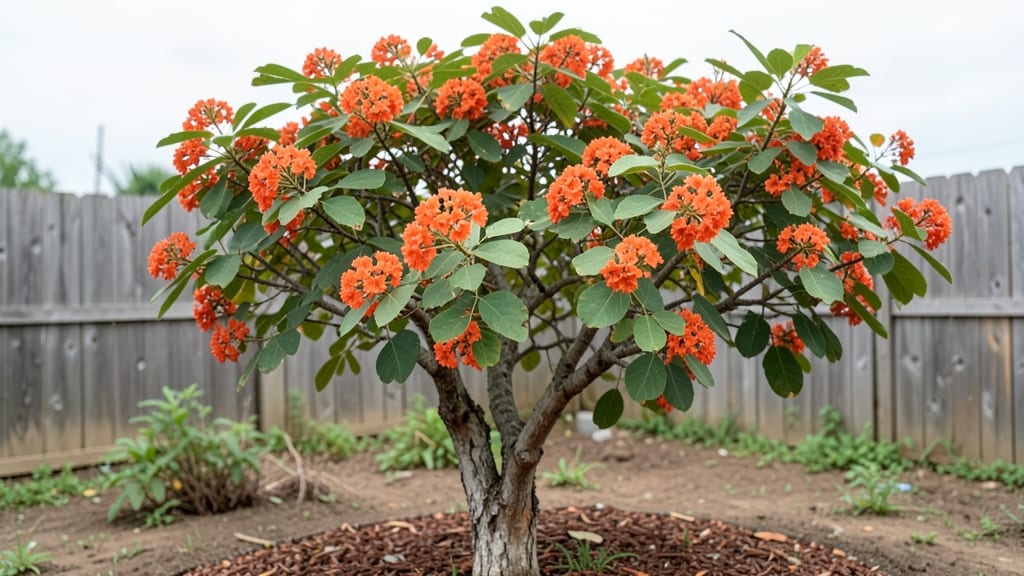
This stunning butea monosperma tree could be the fiery crimson canopy you’ve been dreaming of?
The Butea monosperma tree delivers—its brilliant orange-red blooms transform any Pacific Northwest garden into a hummingbird paradise. 🌿 I planted mine three years ago, and the first spring explosion of flowers had neighbors stopping to ask what it was.
The secret isn’t just the color; it’s how this drought-tolerant tree thrives where others struggle.
This isn’t your average shade tree—it’s a fast grower (12-18 inches per year) that handles poor soil and occasional dry spells like a champ. Native to India but surprisingly adaptable in zones 9-11, it needs full sun to show off its best colors.
The key? Planting in well-draining soil and giving it space (20-30 feet wide at maturity). Once established, it’s nearly maintenance-free, with minimal pruning needed beyond shaping young branches.
What you’ll love most is the year-round activity—hummingbirds swarm the flowers in spring, while the glossy leaves provide lush shade all summer. The tree’s unique seed pods add winter interest, and its tolerance for urban pollution makes it perfect for city landscapes.
Just avoid heavy pruning after flowering, or you’ll sacrifice next year’s spectacular display.
Perfect for bold landscapers, bird lovers, and anyone tired of boring green trees. The trade-off? It’s not cold-hardy for cooler climates, so if you’re outside zone 9, consider growing it in containers and bringing it inside for winter. Ready to make your garden the talk of the neighborhood?
📚 In This Guide
- What you need
- Instructions
- Tips and common mistakes
- Wrapping up and next steps
What you need
- ● Butea monosperma sapling or seeds: 1-2 healthy plants (ensure they’re disease-free and well-rooted). Pro tip: 💡 Buy from a trusted nursery to guarantee hardiness in your climate!
- ● Pruning shears: 1 pair of bypass pruners (sharp, 6-8" blades) for clean cuts.
- ● Loppers: 1 pair (for thicker branches, 10-12" reach).
- ● Gloves: 1 pair of cut-resistant, breathable gloves (gardening or pruning-specific).
- ● Disinfectant (70% isopropyl alcohol or pruning sealant): Small bottle to sterilize tools between cuts.
- ● Mulch: 3-5 bags of organic mulch (wood chips or bark) to retain moisture and suppress weeds.
- ● Watering can or hose: With a gentle spray nozzle for post-pruning hydration.
- ● Fertilizer: Slow-release, balanced NPK (10-10-10) or organic compost for nutrient boosts.
- ● Support stakes: 2-3 bamboo or metal stakes (if planting a young sapling).
- ● Bird-friendly feeder: Hummingbird feeder (1-2) to complement the tree’s nectar-rich blooms.
- ● Tree wrap: For young trunks to protect against sunscald or pests.
- ● Camera or sketchbook: To document your tree’s growth and pruning progress! 📸
Step-by-step guide to cultivating a thriving Butea monosperma tree
This stunning tree thrives with the right care—here’s how to coax its fiery blooms and hummingbird magnetism to life.
🌱 Step 1: Select and Prepare the Planting Site
Butea monosperma demands well-draining soil and full sun exposure for at least 6 hours daily. In the Pacific Northwest’s damp climate, choose a slightly elevated spot to prevent waterlogging—this tree despises soggy roots. The ideal soil blend mimics its native habitat: 60% sandy loam, 30% compost, and 10% perlite for aeration.
Test your soil’s pH before planting—aim for 6.0 to 7.0. If your yard’s soil is too acidic, amend with crushed limestone. I always dig a hole twice as wide as the root ball but only as deep—burying too deep suffocates the tree’s roots. Loosen the sides of the hole with a shovel to encourage root spread.
🪴 Step 2: Plant with Precision for Long-Term Stability
Gently remove the tree from its container and tease the roots outward if they’re circling. Position it so the top of the root ball sits 1-2 inches above ground level—this prevents stem rot. Place the tree in the hole and backfill with your prepared soil mix, tamping lightly every 3 inches to eliminate air pockets.
Create a 4-inch-wide watering basin around the base and water deeply until moisture reaches 12 inches down. Mulch with 3 inches of wood chips, keeping it 6 inches away from the trunk to prevent moisture buildup. This mulch layer regulates soil temperature and retains moisture—critical in the PNW’s unpredictable rain patterns.
☀️ Step 3: Establish Watering and Light Routines
For the first 30 days, water twice weekly—enough to keep the top 6 inches of soil consistently moist but never soggy. After that, reduce to once weekly unless you experience dry spells longer than 5 days. Overwatering is the #1 killer of young Butea monosperma; you’ll know it’s right when leaves show first true growth (about 4-6 weeks post-planting).
Monitor sunlight exposure closely—this tree’s crimson canopy fades without sufficient light. If you notice leaves turning pale or stems elongating, supplement with a dappled shade cloth during the PNW’s cloudiest months. The goal is bright, indirect light when direct sun isn’t available.
✂️ Step 4: Prune for Health and Spectacular Blooms
Prune late winter or early spring before new growth begins. Remove dead, diseased, or crossing branches first—these compete for nutrients. Then, trim back overly long branches by 1/3 to encourage bushier growth. The key is to shape the tree into an open vase form, allowing sunlight to penetrate the center where blooms will emerge.
Never prune during the blooming season (spring)—you’ll sacrifice next year’s stunning orange-red flowers. Use sterilized pruning shears and make cuts just outside the branch collar. Seal larger cuts with pruning sealant to prevent disease entry. After pruning, fertilize with a balanced 10-10-10 formula to support new growth.
🌿 Step 5: Maintain Year-Round for Hummingbird Visitors
Apply a slow-release fertilizer in early spring and late summer—this tree’s rapid growth demands nutrients. I use organic fish emulsion for its high nitrogen content, which keeps foliage lush. In the PNW’s mild winters, reduce watering to once every 2-3 weeks unless temperatures drop below 30°F, then protect the tree with burlap wraps if frost is forecasted.
Watch for aphids or scale insects—common pests that drain sap. Spray infested areas with neem oil or introduce ladybugs for natural control. A healthy Butea monosperma will attract hummingbirds year-round thanks to its continuous nectar production. The moment you see these tiny visitors, you’ll know your tree is thriving!
Tips & tricks for perfect Butea monosperma cultivation
These game-changing insights will help your Butea monosperma thrive in the Pacific Northwest's challenging climate—and bring those stunning blooms to life!
Soil Science Secret: The 60-30-10 soil blend (sandy loam, compost, perlite) is non-negotiable for this tropical native. I've seen roots rot spectacularly when planted in pure garden soil—this tree's native habitat has that specific drainage. For extra insurance, add a handful of biochar to your planting mix, which improves water retention and microbial activity. The goal is to mimic the well-drained forests of its origin while adapting to PNW's moisture.
Planting Precision: That 1-2 inch elevation above ground level for the root ball isn't just arbitrary—it prevents stem rot by allowing proper air circulation at the base. I learned this the hard way when my first tree developed fungal issues from being planted too deeply. Pro tip: Use a level to ensure your planting hole isn't sloped—water should pool evenly in that 4-inch basin.
Watering Wisdom: The twice-weekly watering for the first 30 days is crucial, but timing matters just as much. Water in the early morning to allow foliage to dry completely before evening—this prevents fungal diseases that thrive in damp conditions. I set a reminder on my phone for 8am waterings, and my trees have never had leaf spot issues since. Remember, soggy roots are this tree's kryptonite!
Pruning Strategy: When shaping into that open vase form, focus on creating a "cage" structure that allows sunlight to reach the center where blooms form. I mark potential bloom spots with a pencil before making cuts—this helps maintain that spectacular floral display. And never, ever prune during bloom season! The flowers are already using all the tree's energy reserves, and you'll sacrifice next year's spectacular orange-red display.
Pro Tips for Butea Monosperma Tree
- These game-changing insights will help your Butea monosperma thrive in the Pacific Northwest's challenging climate—and bring those stunning blooms to life!
- Soil Science Secret: The 60-30-10 soil blend (sandy loam, compost, perlite) is non-negotiable for this tropical native.
- Planting Precision: That 1-2 inch elevation above ground level for the root ball isn't just arbitrary—it prevents stem rot by allowing proper air circulation at the base.
Frequently asked questions
Got questions about the Butea monosperma tree? You’re not alone! Here are some of the most common inquiries from gardeners and bird lovers looking to cultivate this stunning hummingbird magnet.
Is Butea monosperma easy to grow in the Pacific Northwest?
The Butea monosperma thrives in USDA Hardiness Zones 9-11, so it’s not native to the PNW’s cooler climate. However, you can grow it in containers and overwinter it indoors or in a greenhouse. For outdoor planting, choose a sheltered microclimate (like near a south-facing wall) and use mulch to protect roots in winter.
When is the best time to prune Butea monosperma for hummingbirds?
Prune your tree late winter or early spring (before buds swell) to encourage vigorous growth and abundant crimson blooms—hummingbirds’ favorite! Avoid heavy pruning in fall, as it can stimulate tender new growth that won’t survive winter. Pro tip: Remove dead or crossing branches first, then shape lightly to maintain an open canopy for easy access to nectar.
How do I attract more hummingbirds to my Butea monosperma?
Hummingbirds love Butea monosperma’s nectar-rich flowers, but you can boost their visits with these tricks:
- Add a hummingbird feeder nearby (use a 1:4 sugar-water ratio, no dye!).
- Plant companion flowers like fuchsia or salvia for extra fuel stops.
- Avoid pesticides—hummingbirds are sensitive to chemicals.
- Place a shallow water source (like a misting fountain) for drinking.
Can I grow Butea monosperma from seed, or should I buy a young tree?
While you can grow it from seed, germination can be slow and unpredictable. For faster results, buy a 1-2 year old sapling from a specialty nursery. If starting from seed, soak it in warm water for 24 hours and plant in well-draining soil—patience is key! Bonus: Grafted trees often bloom sooner.
What should I do if my Butea monosperma leaves turn yellow?
Yellow leaves usually signal overwatering or poor drainage. Check these fixes:
- Ensure the tree’s pot (if potted) has drainage holes and use cactus/succulent mix.
- Let the top 2-3 inches of soil dry out between waterings.
- If outdoors, improve soil with compost and avoid soggy spots.
If yellowing persists, test for nutrient deficiencies (like iron) or pests like spider mites.
Wrapping up and next steps
The Butea monosperma tree isn’t just a stunning addition to your Pacific Northwest garden—it’s a lifeline for hummingbirds and a year-round conversation starter with its fiery crimson blooms. By mastering pruning techniques, you’ll keep this beauty thriving while ensuring its vibrant canopy stays a magnet for pollinators. 🌸
Ready to transform your outdoor space? Start small—grab your tools, pick a sunny day, and give your Butea monosperma the care it deserves. Your garden (and the hummingbirds!) will thank you.