
Pruning
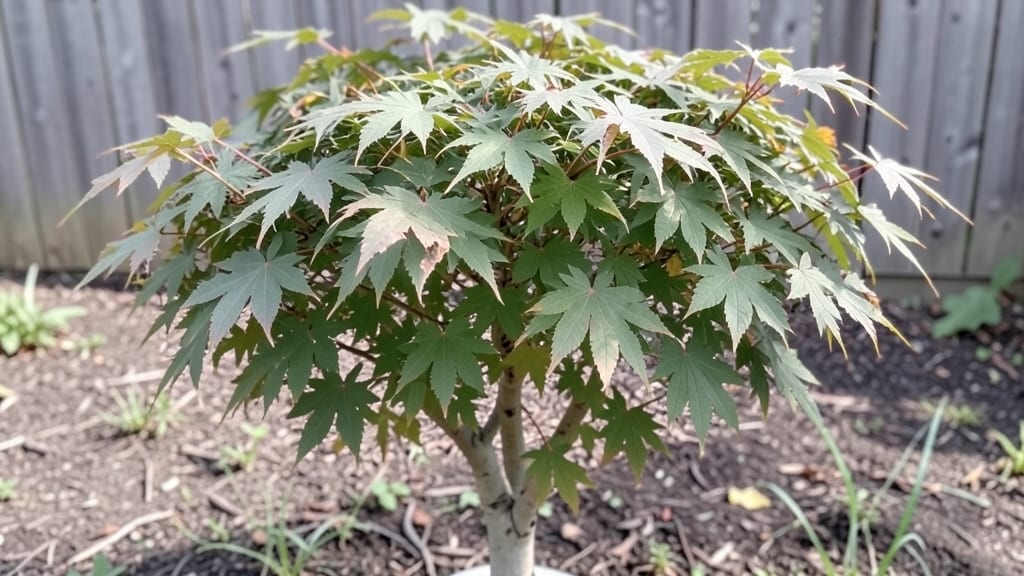
Planting a lacy leaf maple tree means adding a fragrant, year-round hummingbird magnet to your yard—especially in the Pacific Northwest’s misty climate. 🌿 The delicate, fern-like foliage dances in the breeze, while its spring blooms perfume the air with a sweet, subtle scent that hummingbirds can’t resist.
This isn’t just another ornamental tree; it’s a living centerpiece that thrives with minimal fuss once you know the right care routine.
These trees adore partial shade and moist, well-draining soil—think of them as the divas of the garden world, but in the best way.
They’re slow growers, so you won’t see instant results, but their lacy green leaves mature into stunning fall colors of gold and orange, making them a four-season star. Unlike fast-growing trees, they reward patience with graceful, arching branches that create a natural canopy perfect for hummingbirds to nest in.
Pruning is where the magic happens—focus on shaping in late winter to encourage those signature dissected leaves and open up the canopy for better airflow. A little maintenance keeps them looking like they belong in a botanical garden, not just your backyard.
The payoff? A tree that hummingbirds return to year after year, and neighbors will envy.
Whether you’re planting in a container for a patio or giving it room to spread in the ground, this tree adapts beautifully to urban gardens and woodland edges alike. Just avoid soggy soil, and you’ll have a fragrant, bird-friendly focal point that outshines anything else in your landscape.
📚 In This Guide
- What you need
- Instructions
- Tips and common mistakes
- Wrapping up and next steps
What you need
- ● Pruning shears: Bypass pruners (sharp, clean, and sterilized with rubbing alcohol to prevent disease). Choose 5-inch blades for small branches.
- ● Loppers: 1 pair (for branches ½ to 1½ inches thick). Look for ratcheting or bypass loppers for ease.
- ● Pruning saw: 1 folding handsaw (for branches 2+ inches thick). A bow saw works too!
- ● Gloves: 1 pair of cut-resistant, breathable gloves (e.g., mechanized or leather for protection).
- ● Ladder: Aluminum extension ladder (height based on tree size; 20–30 ft recommended for mature trees).
- ● Disposable pruning bags: 1–2 heavy-duty bags (for debris removal; 30–50 gallon capacity preferred).
- ● Rubbing alcohol (70% isopropyl): Small bottle (1 oz) for sterilizing tools.
- ○ Tree wound dressing: Optional but helpful—use pruning sealant (e.g., Tanglefoot Tree Wound Pruning Seal) for cuts > ½ inch.
- ● Weather check: Prune on a dry, calm day (avoid wind or rain).
- ● Safety glasses: 1 pair to protect eyes from debris.
- ● Long sleeves/pants: Wear lightweight, long-lasting fabric to avoid scratches.
- ● Water & snacks: 1 water bottle and high-energy snacks (pruning is hard work!).
- ● First-aid kit: Basic kit with bandages, antiseptic wipes, and tweezers (for splinters).
- ● Tree health assessment: Inspect the tree for diseases (e.g., powdery mildew) or pests before pruning.
- ● ✨ Sterilize tools before and after pruning to avoid spreading fungal infections.
- ● 🌡️ Prune in late winter/early spring (just before buds swell) for best results.
- ● 🎯 Mark cuts with chalk or tape to visualize your pruning plan before making cuts.
- ● 🔥 Avoid over-pruning! Remove no more than 25% of the tree’s foliage in one session.
Step-by-step guide to planting and cultivating a lacy leaf maple tree
Here’s how to establish this stunning Pacific Northwest native with minimal fuss—hummingbirds will thank you.
🌱 Step 1: Select and Prepare the Planting Site
The lacy leaf maple (Acer circinatum) thrives in partial shade to full sun but tolerates dappled light, making it perfect for understory plantings or woodland edges. Choose a spot with well-draining soil—this tree despises soggy roots. If your soil is heavy clay, amend with 2-3 inches of compost mixed into the top 12 inches of soil.
Dig a hole twice as wide as the root ball but only as deep—planting too deep suffocates the roots. Loosen the sides of the hole with a shovel to encourage root spread. I always rake the bottom gently to break up compacted soil. The goal is to mimic the tree’s natural forest floor conditions, where roots can branch freely.
🪴 Step 2: Plant with Proper Spacing and Support
Space your lacy leaf maple 10-15 feet apart for mature size, or closer (6-8 feet) if planting in groups to create a natural woodland effect. Position the tree so the top of the root ball sits 1-2 inches above ground level—this prevents water from pooling around the trunk. Fill the hole halfway with native soil, then place the tree and backfill, tamping gently to eliminate air pockets.
Water deeply immediately after planting to settle the soil and remove the stake if your tree came with one. These maples have shallow but widespread roots, so avoid deep tilling nearby. Mulch with 2-3 inches of wood chips, keeping mulch 6 inches away from the trunk to prevent rot. Real talk: I’ve seen new plantings fail because mulch was piled too high against the base.
☀️ Step 3: Establish Watering and Light Routines
Water deeply twice weekly for the first year to encourage deep root growth, then taper to once weekly once established. The soil should feel damp 2 inches down—if it’s bone dry, water more frequently. In the Pacific Northwest’s mild climate, these trees rarely need supplemental water after the first growing season, but container-grown specimens may require extra care.
While lacy leaf maples tolerate shade, they produce more fragrant blooms when given morning sun and afternoon shade. If planting in full sun, ensure the soil stays consistently moist—drought stress causes leaf scorch. You’ll know your tree is happy when new leaves unfurl with that signature lacy, lobed shape in early spring.
✂️ Step 4: Prune for Shape and Health
Prune in late winter or early spring before new growth begins. Remove dead, crossing, or diseased branches first, then shape by thinning out 1/3 of the canopy to improve airflow. These maples naturally grow in a rounded form, so avoid heavy pruning—just clean up stragglers. I use sterilized pruners to prevent disease spread, and always make cuts just outside the branch collar.
Never prune in fall—new growth won’t harden off before winter, leaving tender shoots vulnerable to frost damage. If you notice yellowing leaves, it’s usually a sign of overwatering or poor drainage. Adjust your watering schedule and check for root rot if the problem persists. Healthy lacy leaf maples develop glossy, vibrant foliage that turns brilliant red in fall—your reward for proper care.
🌿 Step 5: Encourage Hummingbird Visits Year-Round
Lacy leaf maples produce tiny, fragrant flowers in early spring that hummingbirds adore. To maximize blooms, fertilize lightly in early spring with a balanced 10-10-10 formula—these trees don’t need heavy feeding but benefit from a light top-dressing of compost annually. Avoid high-nitrogen fertilizers, which promote leafy growth at the expense of flowers.
Plant companion natives like salal, Oregon grape, or red elderberry nearby to create a hummingbird buffet. The more diverse the pollinator garden, the longer hummingbirds will linger. I’ve watched Anna’s hummingbirds hover for hours around my lacy leaf maple in late winter—proof that this tree delivers on its promise as a year-round haven.
Tips & tricks for perfect lacy leaf maple cultivation
A few expert insights that'll help your lacy leaf maple thrive from day one.
Soil Preparation Secret: Before amending heavy clay with compost, test your soil's drainage by digging a small hole and filling it with water. If it doesn't drain within 2 hours, you definitely need that 2-3 inches of compost mixed into the top 12 inches—this creates the perfect airy environment for those shallow but widespread roots. I've seen trees fail within weeks when planted in undrained soil, no matter how much compost was added later. The key is getting that root zone right from the start.
Planting Depth Matters: That 1-2 inch elevation above ground level is critical—it prevents water from pooling around the trunk where it can cause rot. I've made the mistake of planting too deep, and within months, the tree showed signs of stress. Use a level to check the root ball's position before backfilling. Think of it like creating a tiny berm around the base to keep water flowing away naturally.
Watering Wisdom: Those first-year deep waterings twice weekly should be done slowly to encourage roots to grow downward. I use a soaker hose for 20-30 minutes to saturate the soil without disturbing the surface. The goal is to get that moisture 6-8 inches deep—this mimics natural rainfall patterns and prevents shallow root systems. You'll know you're doing it right when the soil stays damp 2 inches down between waterings.
Pruning Precision: When thinning out that 1/3 of the canopy in late winter, focus on removing branches that cross or rub against each other. These are the weak points where diseases can enter. I always make my cuts just outside the branch collar—this little detail makes all the difference in how quickly the tree heals. And remember, these maples naturally grow in that beautiful rounded form, so you're not trying to shape them, just clean them up.
Pro Tips for Lacy Leaf Maple Tree
- A few expert insights that'll help your lacy leaf maple thrive from day one.
- Soil Preparation Secret: Before amending heavy clay with compost, test your soil's drainage by digging a small hole and filling it with water.
- Planting Depth Matters: That 1-2 inch elevation above ground level is critical—it prevents water from pooling around the trunk where it can cause rot.
Frequently asked questions
Got questions about the stunning lacy leaf maple tree? You’re not alone!
Here are answers to the most common inquiries—from pruning tips to care hacks—so you can keep this Pacific Northwest gem thriving for hummingbirds and fragrant blooms all year.
How do I prune a lacy leaf maple to encourage more blooms?
Prune in late winter or early spring (before new growth starts) to avoid stressing the tree. Focus on removing dead, crossing, or overcrowded branches—never cut more than 25% of the canopy at once. Thin out dense areas to improve airflow, which boosts blooms and hummingbird activity. Pro tip: Use sterilized tools to prevent disease!
When is the best time to plant a lacy leaf maple in the PNW?
The ideal window is early fall (September–October) or late winter (February–March). Cool temps and moist soil help roots establish before summer heat. Avoid planting in peak summer—the tree’s shallow roots can dry out quickly. Choose a spot with partial shade to full sun and well-draining soil for optimal growth.
Why aren’t hummingbirds visiting my lacy leaf maple’s flowers?
Hummingbirds love red or tubular flowers, but lacy leaf maples have pale pink/white blooms. To attract them, plant companion flowers like salvia, fuchsia, or bee balm nearby. Ensure the tree is healthy and blooming (check for pests or nutrient deficiencies) and provide a water source (like a shallow dish) to draw them in.
Can a lacy leaf maple survive in urban areas with pollution?
Yes! This tree is tolerant of urban conditions but thrives best with regular watering and mulch to retain moisture. Avoid planting near heavy traffic or industrial areas—pollution can stress leaves. If needed, wash foliage with water during dry spells. Air-purifying tip: Group it with other native trees to create a mini “green filter”!
What’s a good alternative if my lacy leaf maple isn’t thriving?
If your tree struggles with disease, pests, or slow growth, consider these PNW-friendly alternatives:
- Vine maple (Acer circinatum) – Compact, shade-tolerant, and hummingbird-friendly.
- Oregon grape holly (Mahonia aquifolium) – Drought-resistant with fragrant blooms.
- Pacific dogwood (Cornus nuttallii) – Stunning spring flowers and berries for birds.
Wrapping up and next steps
The lacy leaf maple isn’t just a stunning addition to your Pacific Northwest garden—it’s a year-round hummingbird magnet with fragrant blooms that bring joy and life to your outdoor space. With the right pruning techniques and care, you’ll ensure its delicate beauty thrives for seasons to come. 🌿
Ready to transform your yard into a hummingbird haven? Start by gathering your tools, reviewing the FAQs, and scheduling your first pruning session this spring. Your garden—and the local pollinators—will thank you!