Blooming
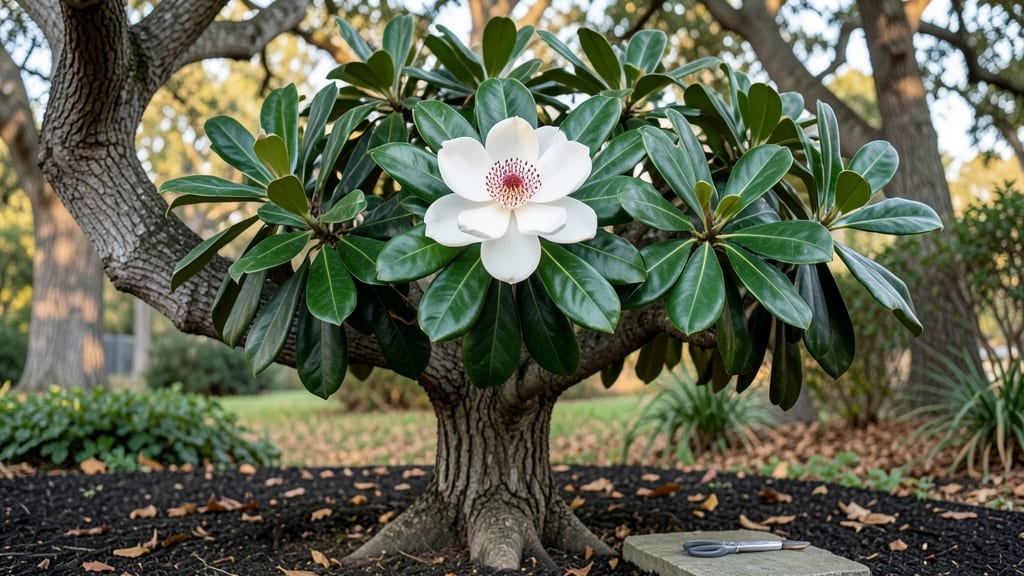
The magnolia tree in bloom is the crown jewel of Southern gardens—its creamy-white petals and intoxicating fragrance turning any yard into a springtime masterpiece. 🌸 I’ll never forget the first time I walked through my neighbor’s garden and stopped dead in my tracks at the sight of a Southern magnolia (Magnolia grandiflora) bursting with blossoms, its branches heavy with petals that smelled like a secret blend of jasmine and honey.
These trees aren’t just beautiful—they’re the centerpiece of a well-designed garden. Plant them where they’ll get 6+ hours of morning sun and afternoon shade, near patios or walkways so you can enjoy their fragrance up close.
Pair them with camellias, azaleas, or boxwoods for a layered, evergreen backdrop that stays stunning year-round.
Timing is everything: Southern magnolias bloom in late spring to early summer, but their glossy leaves provide year-round interest. To maximize their impact, prune lightly after flowering to shape the canopy, and mulch heavily to protect roots from summer heat.
The result? A fragrant, evergreen focal point that steals the show for decades.
Whether you’re designing a formal garden or a casual backyard retreat, magnolias adapt beautifully. For smaller spaces, dwarf varieties like ‘Little Gem’ work wonders, while mature trees anchor large landscapes with their majestic presence. Let’s make yours unforgettable.
📚 In This Guide
- What you need
- Instructions
- Tips and common mistakes
- Wrapping up and next steps
What you need
- ● Magnolia Tree: 1-3 Southern Magnolia (Magnolia grandiflora) or Sweetbay Magnolia (Magnolia virginiana) (choose based on mature height—30-80 ft for grandiflora, 20-40 ft for sweetbay).
- ○ Optional: Dwarf varieties (e.g., Little Gem) for smaller spaces (15-25 ft).
- ● Soil Amendments: 50 lbs well-draining garden soil (sandy loam ideal for Southern climates).
- ● 10 lbs compost or aged manure (for nutrients).
- ● 2 lbs sulfur or peat moss (for acid-loving magnolias; pH 4.5–6.0).
- ● Planting Supplies: 1 shovel or digging spade (for planting holes).
- ● 1 garden trowel (for root adjustments).
- ● 1 wheelbarrow (for soil/mulch transport).
- ● Mulch & Protection: 3–4 inches pine straw or wood chips (acidic, retains moisture).
- ○ 1 tree guard or burlap wrap (optional, for young saplings).
- ● Slow-release fertilizer (10-10-10 or acid-loving blend) (apply in early spring).
- ● Mulch volcano guard (to prevent mulch buildup around the trunk).
- ● Drip irrigation system or soaker hose (for consistent moisture).
- ● Pruning shears or loppers (for shaping mature trees).
- ● Glove and knee pads (for comfort during planting!).
Step-by-step guide to cultivating a magnolia tree in bloom
Here’s how to nurture a fragrant magnolia that steals the show in spring.
🌱 Step 1: Select the Right Variety and Planting Site
Magnolias thrive in USDA zones 4-9, but southern varieties like Magnolia grandiflora or Magnolia × soulangeana bloom most spectacularly. Choose a site with dappled shade to partial sun—morning sun and afternoon shade protect blooms from scorching while ensuring enough light for photosynthesis.
Soil should be well-draining, slightly acidic (pH 5.0-6.5), and rich in organic matter. Test your soil before planting—amend heavy clay with 2-3 inches of compost or sand to improve drainage. Avoid low-lying areas where water pools, as magnolias despise soggy roots.
☀️ Step 2: Plant at the Right Time and Depth
Plant bare-root magnolias in early spring or fall, when temperatures are mild (50-70°F). Dig a hole twice as wide as the root ball but no deeper—planting too deep suffocates roots. Loosen the root ball gently if roots are circling, then position the tree so the root flare (where roots meet trunk) sits 1-2 inches above ground level. This prevents stem rot.
Backfill with native soil, tamp lightly to remove air pockets, then water deeply to settle the soil. Mulch with 2-3 inches of organic mulch (like pine straw or shredded bark) over the root zone, keeping it 6 inches away from the trunk to prevent rot. Water 1-2 times per week for the first year to encourage deep root growth.
💧 Step 3: Water and Fertilize for Optimal Bloom Production
Young magnolias need deep watering once a week during dry spells, while established trees tolerate drought once roots are established. Water at the base, not overhead, to protect blooms and foliage from fungal diseases like powdery mildew. You’ll know moisture is right when the top 3 inches of soil feel dry to touch but not bone-dry.
Fertilize in early spring with a balanced, slow-release fertilizer (10-10-10) or one formulated for flowering trees. Apply ½ cup per inch of trunk diameter at planting, then again in late spring and early fall. Avoid high-nitrogen fertilizers—they promote leafy growth at the expense of blooms. A light layer of compost in spring also boosts nutrients without burning roots.
✂️ Step 4: Prune for Health and Abundant Blooms
Prune immediately after flowering (late spring) to avoid cutting off next year’s buds. Remove dead, diseased, or crossing branches first, then thin out 10-20% of the canopy to improve airflow. Never prune more than 25% of the tree at once—magnolias are sensitive to aggressive cuts.
Shape the tree by shortening branches that grow inward or rub against others. Use clean, sharp pruners to make cuts just above a bud or outward-facing branch. Seal larger wounds (>½ inch) with pruning sealant to prevent disease entry. Avoid heavy pruning in fall or winter—it stresses the tree and reduces bloom potential.
🌿 Step 5: Protect and Maintain for Longevity
Watch for scale insects, spider mites, or magnolia leaf gall—common pests that weaken trees. Treat infestations early with horticultural oil or neem oil spray in early spring before new growth emerges. For fungal issues like anthracnose, apply a copper fungicide in late fall as a preventive measure.
Mulch annually to retain moisture and regulate soil temperature. In winter, wrap young trees in burlap if your zone drops below 10°F to protect tender bark from sunscald. With consistent care, your magnolia will reward you with showstopping blooms for decades—a true southern garden centerpiece.
Tips & tricks for perfect magnolia tree cultivation
A few strategic moves will transform your magnolia from a struggling sapling to a fragrant showstopper.
Soil Secrets: The pH 5.0-6.5 range is critical for southern magnolias like grandiflora—test your soil with a simple kit before planting. If your yard is naturally alkaline, mix in sulfur or peat moss to lower the pH gradually over several months. I've seen magnolias struggle in soil that's even just slightly off this range, so don't skip this step.
Planting Depth Matters: Positioning that root flare 1-2 inches above ground level in Step 2 prevents stem rot, but here's the trick: Make sure the top of the root ball sits just below soil level. If you bury it too deeply, the tree suffocates; if it's too high, roots dry out. A good rule is to have the flare visible after backfilling.
Watering Wisdom: That "top 3 inches dry" guideline is your best friend. Use a moisture meter or stick your finger in the soil—it should feel like a wrung-out sponge, not bone-dry or soggy. In summer heat, I water my established magnolias every 4-5 days rather than weekly, but always at the base to protect those delicate blooms.
Pruning Precision: When you're thinning that 10-20% of the canopy in Step 4, focus on branches that cross or rub against others first. These are the ones that create weak points and invite disease. I use a small paint marker to tag branches I want to remove before making cuts—it helps me visualize the final shape and avoid over-pruning.
Pro Tips for Magnolia Tree In Bloom
- A few strategic moves will transform your magnolia from a struggling sapling to a fragrant showstopper.
- Soil Secrets: The pH 5.0-6.5 range is critical for southern magnolias like grandiflora—test your soil with a simple kit before planting.
- Planting Depth Matters: Positioning that root flare 1-2 inches above ground level in Step 2 prevents stem rot, but here's the trick: Make sure the top of the root ball sits just below soil level.
Frequently asked questions
Got questions about your magnolia tree in bloom? You’re not alone—these stunning trees captivate gardeners with their beauty but can also stir up curiosity (and the occasional worry!). Here are answers to the most common questions, from timing to troubleshooting, so you can enjoy your fragrant spectacle with confidence.
When is the best time to plant a magnolia tree for spring blooms?
Plant your magnolia in early spring (after the last frost) or fall (6–8 weeks before the first frost). This gives roots time to establish before summer heat or winter cold stress. Southern gardeners often favor fall planting for cooler, moister soil—just avoid soggy conditions!
Why isn’t my magnolia blooming this year?
Magnolias often take 3–5 years to bloom after planting, but stress (like over-pruning, poor soil, or drought) can delay flowers. Young trees may prioritize root growth over blooms. Check for pests (like scale insects), ensure it gets full sun to partial shade, and mulch well. Patience is key—some varieties (like Saucer Magnolias) bloom earlier than others!
Can I prune a magnolia tree when it’s in bloom?
Prune after blooming (late spring/early summer) to avoid cutting off next year’s flower buds. If you must shape it during bloom, remove only dead, diseased, or crossing branches. Use clean, sharp tools and seal cuts with pruning paste to prevent infection. Pro tip: Never top magnolias—it harms their natural form!
How do I protect magnolia blooms from rain or wind damage?
Magnolia flowers are delicate! If heavy rain or wind is forecasted, gently support large blooms with small stakes (like toothpicks) or lightweight fabric wraps. Plant in a sheltered spot (e.g., near a fence) to reduce exposure. Mulch around the base to stabilize the soil and prevent root movement. Rain usually doesn’t harm the tree—it’s the physical damage from falling petals that counts!
Are there magnolia alternatives for smaller yards or containers?
Yes! Try Little Gem (dwarf Southern Magnolia) or Ann Magnolia (Magnolia × soulangeana), which thrive in containers (15+ gallon pots) and bloom earlier. For fragrant options, Jane or Elizabeth magnolias are compact yet showy. Just ensure containers have drainage holes and use well-draining soil. Bonus: Container magnolias can be moved to optimize sun exposure!
Pro Tip:
Want to extend your magnolia’s bloom time? Deadhead spent flowers after they fade (but leave some for seed pods if you want new trees!). Also, fertilize lightly in early spring with acidic, slow-release fertilizer (like 8-3-9) to encourage healthy growth and more blooms next season.
Wrapping up and next steps
The sight of a magnolia tree in bloom is nothing short of magical—its intoxicating fragrance and stunning blossoms transform any garden into a springtime paradise.
Whether you're admiring one in your yard or dreaming of planting your own, these trees bring joy, elegance, and a touch of the South’s charm to every season.
Now that you’re armed with care tips and answers to common questions, why not take the next step? Visit a local nursery, sketch a planting plan, or simply step outside to soak in the beauty of a magnolia in full glory! 🌸✨