
Pruning
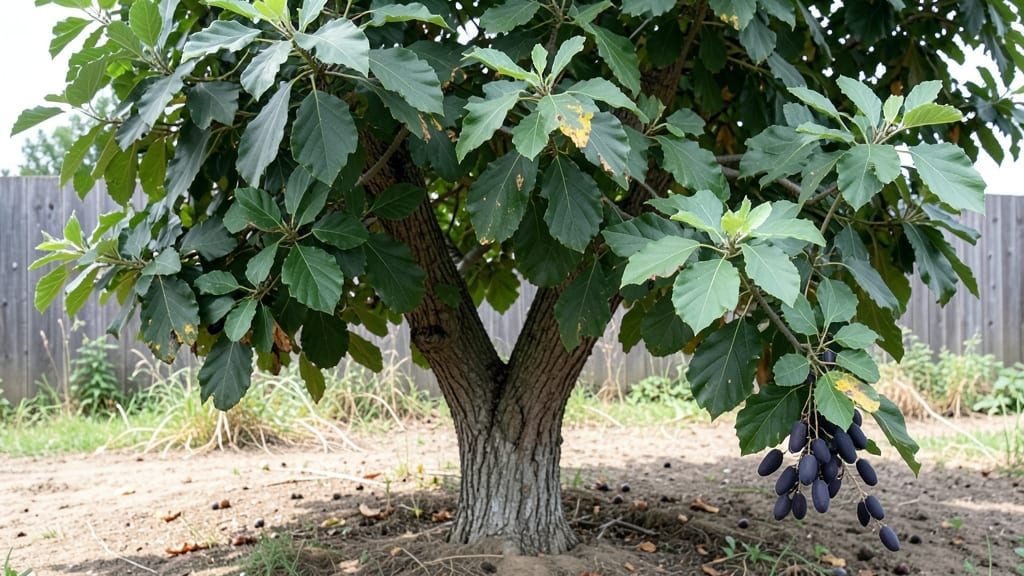
Few trees deliver as much as the black mulberry—juicy fruit and stunning foliage—but mastering its fruit-forward pruning in the Pacific Northwest makes all the difference. 🌿 I’ve watched my own tree go from a tangled mess to a productive powerhouse in just two seasons, and the secret lies in timing, technique, and a little patience.
The first step? Prune in late winter or early spring before new growth starts, focusing on open-center shaping to let sunlight reach the center branches. This isn’t about harsh cuts—it’s about encouraging strong, fruit-laden branches while keeping the tree’s natural shape.
Tools you’ll need: sharp pruners, gloves (those thorns are no joke), and a ladder if your tree is taller than you are.
What you’ll end up with is a tree loaded with deep purple-black berries by summer, plus glossy leaves that turn brilliant gold in fall. The fruit is sweet, juicy, and perfect for jams, snacks, or feeding birds—if you can get to it first.
Plus, the pruned branches make great firewood or mulch for your garden.
Works equally well in urban yards or rural landscapes, and the same principles apply whether you’re shaping a young tree or maintaining an established one. Ready to transform your mulberry into a fruit-producing machine? Let’s get started.
📚 In This Guide
- What you need
- Instructions
- Tips and common mistakes
- Wrapping up and next steps
What you need
- ● Pruning shears: Bypass pruners with sharp, clean blades (5-8 inch size for small branches). Pro tip: 💡 Disinfect blades with rubbing alcohol between cuts to prevent disease spread!
- ● Loppers: For thicker branches (1.5-2 inches in diameter). Opt for a 20-24 inch handle for leverage.
- ● Pruning saw: A curved-tooth saw for branches over 2 inches thick (avoid straight teeth—they can tear wood).
- ● Gloves: Heavy-duty gardening gloves (cut-resistant if handling thorny branches).
- ● Safety glasses: To protect against debris and sap splatter.
- ● Ladder or step stool: For reaching higher branches (ensure it’s stable and rated for your weight).
- ● Buckets or bags: 2-3 large containers for collecting pruned branches (one for small clippings, one for larger cuts).
- ● Rake or broom: To clean up fallen leaves and debris after pruning.
- ● Pruning sealant: (e.g., tree wound dressing) for large cuts over 1 inch in diameter—though many experts debate its necessity!
- ● Marking spray: (e.g., biodegradable paint) to tag branches for removal before cutting.
- ● Disposable coveralls: To protect your clothes from sap and dirt.
- ● Extension pole: For shears or loppers to reach higher branches without a ladder.
- ● First-aid kit: Just in case—mullberry thorns can be sneaky! 🩹
- ● A mature black mulberry tree (at least 3-5 years old) with established branches.
- ● Knowledge of the tree’s growth habits and seasonal pruning windows (late winter/early spring is ideal for the PNW!).
- ● Clear, dry weather—avoid pruning during rain or high humidity to prevent fungal issues.
- ● Time to dedicate: Plan for 1-2 hours depending on the tree’s size and your goals.
Instructions for pruning a black mulberry tree in the Pacific Northwest
Here's how I keep my black mulberry thriving—and fruiting—year after year in our damp, cool climate.
✂️ Step 1: Prune in Late Winter Before Bud Break
Timing is everything with black mulberries. I prune in late February or early March, just before the buds swell but well before leaves emerge. This prevents bleeding sap and gives the tree time to heal before spring growth. In the Pacific Northwest, our mild winters mean buds can start breaking dormancy as early as late January, so don't wait too long.
Start by removing any dead, diseased, or crossing branches first. These are easy to spot—they're brown, brittle, or rubbing against other limbs. Use sharp loppers or a pruning saw to make clean cuts just outside the branch collar (that swollen area where the branch meets the trunk). This ensures proper healing and prevents rot.
🌿 Step 2: Thin the Canopy for Better Airflow and Light
Black mulberries produce fruit on new growth, so we want a balanced canopy with plenty of light reaching the inner branches. I focus on removing 20-30% of the total branches, prioritizing those that are weak, crowded, or growing inward. Look for branches that cross each other—they'll rub and create wounds where disease can enter.
For each branch you remove, cut it back to a strong lateral branch or the main trunk. Avoid leaving stubs, as they can trap moisture and invite rot. If you're unsure which branch to keep, choose the one with the most vigorous buds or the one that maintains the tree's natural shape. In the PNW's damp climate, good airflow is critical for preventing fungal issues.
☀️ Step 3: Encourage Fruit Production with Strategic Cuts
Black mulberries fruit on one-year-old wood, so I avoid heavy pruning of older branches. Instead, I focus on light pruning of the outer canopy to let sunlight penetrate to the inner branches where fruit forms. If your tree has long, leggy branches, shorten them by one-third to encourage bushier growth and more fruiting sites.
Pay special attention to the tree's lower branches. While black mulberries can tolerate shade, removing some of the lower growth improves airflow and makes harvesting easier. Just don't remove more than one-third of the tree's foliage in a single year—this can stress the tree, especially in our cooler climate.
⏰ Step 4: Post-Pruning Care for a Strong Recovery
After pruning, I give the tree a deep watering to help it recover, especially important in the PNW's dry summers. Mulch the base with 2-3 inches of organic mulch (like wood chips or straw) to retain moisture and suppress weeds. Avoid piling mulch against the trunk—keep it 2-3 inches away to prevent rot.
Monitor the tree closely for the first few weeks. If you see any signs of stress—yellowing leaves, wilting, or oozing sap—reduce watering slightly and avoid fertilizing until the tree shows new growth. Black mulberries are tough, but they appreciate a little extra care after a major pruning session, especially in our unpredictable climate.
🌱 Step 5: Summer Maintenance for Ongoing Health
Throughout the growing season, keep an eye out for suckers (shoots growing from the base or roots) and remove them promptly. These compete with the main tree for nutrients. Also, prune any branches that are damaged by wind, snow, or disease as soon as you notice them—don't wait until next winter.
In late summer, after the fruit has been harvested, do a light cleanup pruning to remove any dead or diseased branches that may have appeared during the season. This keeps the tree healthy and prevents problems from carrying over to next year. In the PNW, where summers can be damp, this step is especially important for preventing fungal diseases.
Tips & tricks for pruning black mulberry trees
Here's what I've learned after years of pruning my own black mulberry—these tricks make all the difference in fruit production and tree health.
Timing is Everything: That late February to early March window is critical for PNW black mulberries. I check bud development weekly starting in January—once buds swell, it's too late! The key is catching that sweet spot where buds are still dormant but before they burst. In our region, this often means pruning sooner than you'd expect compared to warmer climates.
Branch Selection Strategy: When thinning that 20-30% of branches in Step 2, look for the "V" shape where branches meet. The branch that grows outward from the trunk at a wider angle is usually the stronger choice. I also prioritize removing branches that grow straight up—these create shade and reduce fruit production. Remember, we're aiming for an open center that lets sunlight reach all the way to the trunk.
Pruning Tool Essentials: I can't stress enough how important sharp tools are—dull blades tear wood, creating wounds that invite disease. Before each pruning session, I sharpen my loppers and pruning saw with a file, then wipe them down with rubbing alcohol. For larger branches, I use a three-cut method: undercut, then cut from the top, and finally remove the bridge between cuts. This prevents bark from tearing.
PNW-Specific Recovery Care: After pruning, I give my trees extra attention during our dry summers. The deep watering in Step 4 is non-negotiable—black mulberries in the PNW can suffer from drought stress even with our regular rainfall. I also add a layer of wood chips mulch, keeping it 2-3 inches away from the trunk, to help retain moisture. This is especially important for newly pruned trees that need to focus their energy on healing rather than searching for water.
Pro Tips for Black Mullberry Tree
- Here's what I've learned after years of pruning my own black mulberry—these tricks make all the difference in fruit production and tree health.
- Timing is Everything: That late February to early March window is critical for PNW black mulberries.
- Branch Selection Strategy: When thinning that 20-30% of branches in Step 2, look for the "V" shape where branches meet.
Frequently asked questions
Got questions about pruning your black mulberry tree? You’re not alone—these fast-growing trees need the right care to thrive in the Pacific Northwest’s unique climate. Below, we’ve answered the most common questions to help you keep your tree healthy and productive.
When is the best time to prune a black mulberry tree?
Prune your black mulberry tree late winter or early spring (before buds break) to avoid stressing the tree. This timing encourages vigorous growth and prevents disease spread. Avoid heavy pruning in fall, as it can stimulate tender new growth that may not survive winter’s chill. Pro tip: If you must prune in summer, do it after fruit harvest to reduce stress.
How much can I prune a black mulberry tree in one year?
Never remove more than 25% of the tree’s canopy in a single year—this prevents shock and promotes recovery. For young trees, focus on shaping and removing dead/diseased branches. Mature trees may need light annual pruning to maintain airflow and fruit production. Pro tip: Thin out crowded branches first to improve sunlight penetration for better fruit yields.
Will pruning affect my black mulberry fruit harvest?
Pruning correctly boosts fruit production by improving airflow and sunlight exposure! Remove water sprouts, suckers, and crossing branches to redirect energy to fruit-bearing wood. However, over-pruning (especially in summer) can reduce yields. Balance structure and harvest goals—think of pruning as an investment in next year’s bounty. Pro tip: Prune just after harvest to clean up and prep for winter.
How do I prune a black mulberry tree in the Pacific Northwest’s wet climate?
The PNW’s damp conditions increase risks of fungal diseases (like powdery mildew) and rot. Always use sterilized tools and prune during dry weather to minimize wounds. Seal larger cuts with pruning sealant if needed, but avoid heavy sealing—airflow is more important. Pro tip: Space pruning sessions to allow cuts to heal between rainy periods.
Are there alternatives to pruning if my tree is already overgrown?
If your tree is severely overgrown, gradual pruning over 2–3 years is safer than drastic cuts. For extreme cases, consult an arborist to assess structural risks. You can also thin out dense branches to improve light and air circulation without heavy pruning. Pro tip: Mulch heavily and water deeply after pruning to support recovery in the PNW’s cooler, wetter soils.
Wrapping up and next steps
The black mulberry tree thrives in Pacific Northwest gardens when given the right care—especially thoughtful pruning to boost fruit production and health. By following seasonal techniques, removing deadwood, and shaping for airflow, you’ll enjoy a bountiful harvest and a stunning landscape feature. 🌿
Ready to transform your garden? Grab your pruners and start small—even a single branch trimmed today makes a difference! For deeper expertise, explore local PNW gardening resources or connect with fellow berry enthusiasts in community forums. Your mulberry’s future is delicious—and it starts with you!