
Trees
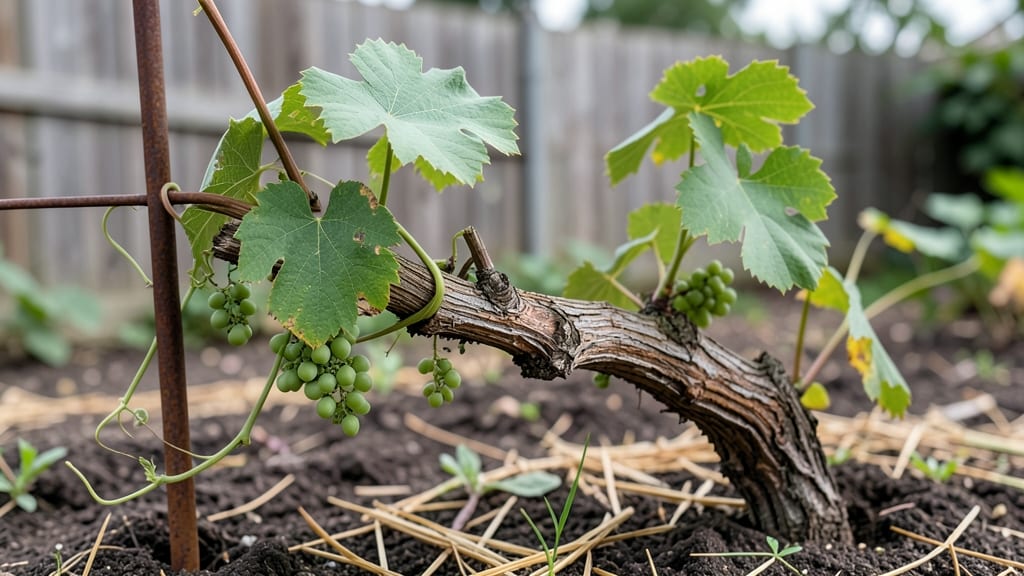
When your Pacific Northwest yard needs a fast-growing vine leaves tree privacy screen, the right choice transforms bare space into a lush, wind-blocking barrier in just a few seasons.
I planted mine last spring, and by summer, it already cast shade and blocked neighbors' views—something my old shrubs never did in their first year.
The secret lies in choosing the right species: evergreen vines like ivy or climbing hydrangea thrive in PNW's damp climate, while deciduous options like clematis offer seasonal interest. Prune regularly to encourage dense growth, and watch as your screen fills in faster than you'd expect—no more waiting years for privacy.
The payoff? A yard that feels secluded and serene within months.
📚 In This Guide
- What you need
- Instructions
- Tips and common mistakes
- Wrapping up and next steps
What you need
- ● Vine leaves tree (Parthenocissus spp.): 1-3 bare-root saplings (for fastest results) or seeds (if starting from scratch)
- ● Species options: Boston Ivy (P. tricuspidata) or Virginia Creeper (P. quinquefolia) (both thrive in PNW climates)
- ● Planting site: Sunlight: Partial shade to full sun (6+ hours/day for best growth)
- ● Soil: Well-draining, slightly acidic to neutral (pH 6.0–7.5)
- ● Space: 10–15 feet apart for a dense screen (or closer for quicker coverage)
- ○ Soil amendments (optional but helpful): 2–3 gallons of compost or aged manure per planting hole
- ● 1 cup balanced fertilizer (10-10-10) (sprinkled in the hole)
- ● Digging tools: 1 shovel or spade (for planting holes)
- ● 1 garden trowel (for delicate root adjustments)
- ○ Support system (optional but recommended): 1–2 trellises, pergolas, or fence panels (for vertical growth guidance)
- ● Twine or soft garden ties (to secure vines initially)
- ● Watering supplies: 1 hose with a gentle spray nozzle or watering can
- ● 3–5 gallons of water per plant (for initial watering)
- ● Mulch: 2–3 inches of wood chips or straw mulch (to retain moisture and suppress weeds)
- ● Timing: Plant in early spring or fall (avoid extreme heat or frost).
- ● Local regulations: Check for invasive species restrictions (Virginia Creeper can be aggressive in some areas).
- ● Patience: Vine leaves trees grow 10–20 feet per year—quick privacy in 1–2 seasons!
Step-by-step guide to planting a vine leaves tree for fast privacy
Here's how to create a lush, quick-growing privacy screen using this Pacific Northwest favorite.
Choose the Right Location and Prepare the Soil
Select a site with at least 6 hours of sunlight daily—morning sun with afternoon shade works best in hotter microclimates. The Vine Leaves Tree thrives in well-draining soil with a pH between 6.0 and 7.5, so test your soil first. If it’s heavy clay, amend with 3 inches of compost mixed into the top 12 inches of soil. This improves drainage and gives roots the nutrients they need to establish quickly.
Dig a hole twice as wide as the root ball but no deeper than the container’s depth. Loosen the sides of the hole with a shovel to encourage root spread. If planting multiple trees for a screen, space them 8-10 feet apart—this ensures they’ll fill in rapidly without overcrowding. I always add a slow-release fertilizer (10-10-10) to the bottom of the hole for an immediate nutrient boost.
Plant the Tree Correctly for Fast Establishment
Remove the tree from its container and gently loosen the roots if they’re circling. Place it in the hole so the top of the root ball sits level with the surrounding soil—burying too deep can suffocate the trunk. Backfill with the amended soil, tamping lightly every 6 inches to eliminate air pockets. Water deeply to settle the soil and encourage root contact.
Real talk: The first week is critical. Mulch around the base with 3 inches of wood chips, keeping it 6 inches away from the trunk to prevent rot. This conserves moisture and suppresses weeds, which compete with your tree’s rapid growth. Water twice weekly for the first month, ensuring the soil stays evenly moist but not soggy—you’ll know it’s right when water drains through in 15-20 minutes.
Prune for Density and Support Early On
Within 4-6 weeks of planting, your Vine Leaves Tree will show new growth. Prune back one-third of the longest stems to encourage bushier growth. Use clean, sharp pruners and cut just above a leaf node or lateral bud. This redirecting of energy produces denser foliage faster, which is key for that Pacific Northwest privacy you’re after.
Install a stake or trellis system if your tree leans or if winds are strong in your area. Tie the main stem loosely with soft garden twine—tight enough to support but not restrict growth. Avoid heavy pruning in the first year; focus on shaping and guiding the tree’s structure. You’ll see the fastest fill-in when you prune just after the growing season starts in spring, before new leaves emerge.
Maintain for Rapid Growth and Health
Water deeply once a week after establishment, aiming for 1-1.5 gallons per tree each time. Let the soil dry 2-3 inches down between waterings—this prevents root rot while keeping the tree hydrated for its rapid growth. Fertilize once in early spring with a balanced, slow-release fertilizer to support foliage production. Avoid high-nitrogen fertilizers; they promote leafy growth at the expense of root development.
Watch for aphids or spider mites, common pests in new plantings. A strong spray of water usually dislodges them, but if infestations persist, use neem oil as a natural deterrent. The Vine Leaves Tree’s dense foliage deters many pests on its own once established, but early intervention keeps it thriving. In the Pacific Northwest’s mild climate, you can expect 3-5 feet of growth per year with proper care—perfect for that fast privacy screen you’re after.
Tips & tricks for perfect vine leaves tree planting
These pro insights will help you establish a lush privacy screen faster than you might expect.
Soil Preparation Secret: The 6 hours of sunlight requirement is non-negotiable, but don't overlook soil texture. If your site has compacted soil, mix in 3 inches of coarse sand along with the compost to improve both drainage and aeration. I learned this the hard way after seeing roots struggle in heavy clay—amending with both compost and sand creates the perfect balance for rapid establishment. The 12-inch deep compost layer is especially critical in Pacific Northwest's cooler climate where roots need that extra warmth to spread quickly.
Planting Depth Matters: When placing your Vine Leaves Tree, use a level to ensure the root ball sits exactly at ground level—burying too deep suffocates the trunk while planting too shallow exposes roots. I've seen new gardeners bury these trees an inch too deep, which can lead to stem rot within weeks. After backfilling, press the soil firmly every 6 inches to eliminate air pockets that could create dry spots around the roots.
Early Watering Strategy: Those first two weeks are make-or-break for root establishment. After planting, water immediately to settle the soil, then maintain that evenly moist but not soggy consistency. The 15-20 minute drainage test is your best indicator—if water pools longer than 20 minutes, you've overwatered. In Pacific Northwest's rainy seasons, you may need to water less frequently once established, but during dry spells, supplement with 1-1.5 gallons per watering to encourage deep root growth.
Pruning Timing Tip: The 4-6 week window for first pruning is ideal because it allows the tree to establish its main structure while still being flexible enough to respond to pruning. I always prune just before a growth spurt—look for fresh new leaves forming. Cutting back one-third of the longest stems redirects energy to lateral branches, creating that dense foliage you want for privacy. Use clean pruners and make cuts at a 45-degree angle just above a leaf node to promote faster healing.
Pro Tips for Vine Leaves Tree
- These pro insights will help you establish a lush privacy screen faster than you might expect.
- Soil Preparation Secret: The 6 hours of sunlight requirement is non-negotiable, but don't overlook soil texture.
- Planting Depth Matters: When placing your Vine Leaves Tree, use a level to ensure the root ball sits exactly at ground level—burying too deep suffocates the trunk while planting too shallow exposes roots.
Frequently asked questions
Got questions about growing a vine leaves tree (Clematis or Wisteria) for privacy in your Pacific Northwest garden? Here are some common ones—and their answers!
How fast does a vine leaves tree grow for privacy?
A well-cared-for vine like Clematis or Wisteria can grow 6–12 feet per year with proper support (trellises, arbors, or fences). In the PNW’s mild climate, expect rapid coverage—some varieties even bloom while climbing! For faster results, prune strategically in late winter to encourage bushier growth. Pro tip: Use a strong trellis system to guide vines upward efficiently.
When is the best time to plant a vine leaves tree in the PNW?
The ideal planting window is early spring (March–April) or early fall (September–October). PNW’s cool, wet springs can delay planting, but avoid summer heatwaves. For container-grown vines, you can plant year-round—just water deeply afterward. Warning: Avoid planting in freezing winter months (Dec–Feb) unless your vine is dormant and protected.
Can I use vine leaves tree for a living fence instead of a traditional hedge?
Vines like Clematis or Wisteria are excellent living fence alternatives—they’re low-maintenance, provide seasonal color, and offer privacy faster than slow-growing shrubs. Just ensure your fence or trellis is sturdy (vines can weigh hundreds of pounds when mature). For a denser look, pair with climbing roses or honeysuckle. Troubleshoot: If vines struggle, check for adequate sunlight (6+ hours/day) and well-draining soil.
What pests or diseases should I watch for with vine leaves trees?
The PNW’s damp climate can attract aphids, spider mites, or fungal issues like powdery mildew. Preventative care:
- Spray vines with neem oil early in the season.
- Ensure good airflow around plants to reduce humidity-related diseases.
- Inspect leaves weekly for yellowing or sticky residue (signs of pests).
How do I prune a vine leaves tree to keep it under control?
Pruning depends on the vine type:
- Clematis: Prune in late winter—cut back 1/3 of old wood and shape new growth.
- Wisteria: Prune twice a year (summer to encourage blooms, winter to control size).
Wrapping up and next steps
Transforming your Pacific Northwest garden into a lush, private retreat is easier than ever with the vine leaves tree—a fast-growing, low-maintenance champion! 🌿 Its adaptability, striking foliage, and rapid growth make it the perfect solution for adding natural privacy without the wait.
Whether you're a seasoned gardener or just starting, this tree offers both beauty and functionality, proving that great things do grow faster than you think.
Ready to take the next step? Sketch your dream layout, gather your supplies, and plant your vine leaves tree this season. Before you know it, you’ll be enjoying a serene, shaded oasis—all thanks to nature’s fastest-growing privacy hack!