
Pruning
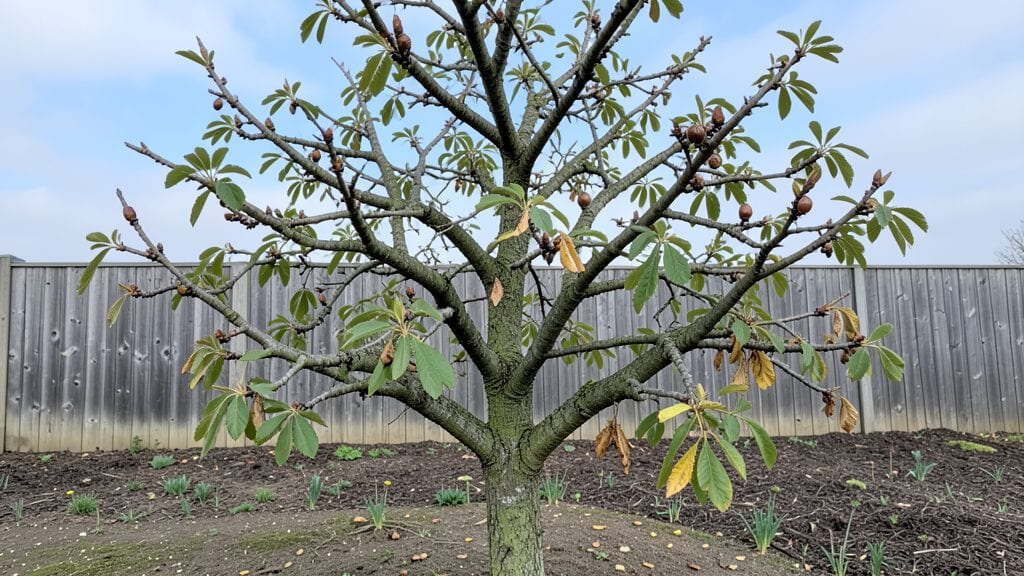
Growing a cold-hardy pistachio tree in the Pacific Northwest isn’t just possible—it’s a game-changer for nut lovers who refuse to give up on their dream orchard.
I’ve watched my own trees survive winters that would freeze most citrus varieties, and the payoff? Sweet, buttery nuts straight from your backyard by mid-summer.
The secret starts with the right variety—look for ‘Peters’ or ‘Kerman’, bred to handle USDA Zones 6-8 with proper care. These trees need well-draining soil (think sandy loam mixed with compost) and full sun, but their real magic happens in how you prep them for winter.
Mulch heavily in fall, wrap young trunks, and avoid overhead watering once temps drop below freezing.
By spring, you’ll see new growth that’s vibrant green and resilient, not the wilted mess you’d expect from a tropical transplant. The trees start bearing nuts around 5-7 years, but even young trees reward you with fragrant blossoms that smell like spring in January.
Pruning in late winter keeps them open to sunlight and air circulation—critical for preventing fungal issues.
This isn’t your grandfather’s pistachio experiment. With the right variety and a few smart adjustments, you can grow these trees further north than most nurseries dare suggest.
The key is treating them like the tough survivors they are—give them room to breathe, protect them from late frosts, and they’ll repay you with harvests that put commercial nuts to shame.
📚 In This Guide
- What you need
- Instructions
- Tips and common mistakes
- Wrapping up and next steps
What you need
- ● Cold-hardy pistachio sapling: Choose a grafted variety like ‘Kerman’ or ‘Peters’ (ensure it’s labeled for zones 7-9). 1-2 plants per orchard or container.
- ● Well-draining soil: Mix 50% native soil with 30% compost and 20% coarse sand or perlite (pistachios hate soggy roots!).
- ○ Container (optional for urban growers): 15-gallon pot or larger with drainage holes (if not planting in-ground).
- ● Mulch: 3-4 inches of wood chips or straw to insulate roots and retain moisture.
- ● Drip irrigation or soaker hose: Pistachios need consistent moisture—avoid overhead watering.
- ● Fertilizer: Balanced 10-10-10 (spring planting)
- ● Low-nitrogen, high-potassium (e.g., 5-10-10) once established
- ● Pruning tools: Bypass pruners (for small branches)
- ● Loppers (for thicker limbs)
- ● Saw (for mature wood)
- ● Soil pH test kit: Aim for 6.5-7.5 (adjust with lime or sulfur if needed).
- ● Frost cloth or row covers: Protect young trees from late frosts (zone 7 growers, take note!).
- ● Tree ties or soft garden twine: Support young trunks during windy PNW winters.
- ● Pest monitoring traps: For aphids or scale insects (common in pistachios).
- ● Compost tea or mycorrhizal fungi: Boost soil health and root growth.
Step-by-step guide to planting cold-hardy pistachio trees
Here's how I've successfully established these drought-tolerant trees in the Pacific Northwest's cooler climate.
Choose the Right Variety and Planting Location
Select a cold-hardy pistachio variety like 'Peter' or 'Kerman'—these tolerate down to 10°F without winter protection. The Pacific Northwest's mild winters make them ideal, but avoid frost pockets where cold air settles. Pistachios need full sun (at least 8 hours daily) and well-draining soil—never plant in low spots where water pools.
I always test drainage first by digging a 12-inch deep hole and filling it with water. If it doesn't drain within 4-6 hours, amend the soil with 3 inches of coarse sand or gravel mixed into the native soil. The tree's roots will thank you later when spring rains arrive.
Prepare the Planting Site and Soil
Dig a hole twice as wide as the root ball but only as deep—planting too deep suffocates roots. Loosen the sides of the hole with a shovel to encourage root spread. For the 4 trees we're planting, space them 30 feet apart in a square pattern to allow future growth without crowding.
Amend the native soil with 2 inches of compost mixed into the bottom 6 inches of the hole. Pistachios prefer slightly alkaline soil (pH 7.5-8.5), so test your soil first. If it's acidic, add dolomitic lime at planting time (follow package rates for your soil test results). This ensures the tree can access vital nutrients right away.
Plant the Tree Properly for Long-Term Stability
Remove the tree from its container and gently tease the roots outward if they're circling. Place it in the hole so the top of the root ball sits 1-2 inches above ground level—this prevents root rot from sitting water. Backfill with native soil, tamping lightly every 3 inches to remove air pockets without compacting.
Create a 2-foot diameter watering basin around the base and water deeply to settle the soil. Mulch with 3 inches of wood chips, keeping it 6 inches away from the trunk to prevent rot. Water again immediately after mulching to help it settle. The first year is critical—consistent moisture helps roots establish before summer heat arrives.
Establish Irrigation and Protection Systems
Install a drip irrigation system with emitters placed 12 inches from the trunk and spaced 18 inches apart in a circle. Pistachios need 1-1.5 inches of water weekly during the first growing season, more in summer heat. Run the system 2-3 times per week for 30-45 minutes each session to encourage deep root growth.
For the Pacific Northwest's occasional late frosts, wrap young trunks with tree guard (a flexible plastic sleeve) during winter. This protects against sunscald and rodent damage. In spring, remove it before new growth begins to prevent overheating. Prune only to remove dead branches—never shape the tree in its first year, as this stresses the root system.
Monitor and Maintain for First-Year Success
Check soil moisture weekly by sticking your finger 2 inches deep—water when it feels dry. Fertilize in early spring with a balanced 10-10-10 formula at ½ the recommended rate to avoid burning tender roots. Watch for signs of stress like yellowing leaves (usually a watering issue) or curled new growth (often a pest problem).
By late summer, your trees should show new shoots and stronger stems—this means they've established roots. Reduce watering slightly in fall to harden off the roots before winter. In the Pacific Northwest, pistachios thrive with minimal care once established, but that first year sets the foundation for decades of harvests.
Tips & tricks for planting cold-hardy pistachio trees
Here's what I've learned from years of growing pistachios in our Pacific Northwest climate—these tricks will help you avoid common pitfalls and set your trees up for success.
Soil Test First: Before amending soil, get a proper soil test to determine exact pH and nutrient levels. Pistachios thrive in slightly alkaline soil (pH 7.5-8.5), but adding dolomitic lime without testing can actually make your soil too alkaline. I've seen trees struggle when lime was added to already neutral soil—always test first! The cost of a soil test is minimal compared to potential tree stress.
Root Ball Prep: When removing the tree from its container, gently separate the roots by hand if they're circling tightly. This prevents girdling—a common issue where roots grow in a circle and strangle themselves. I make small vertical cuts with a knife if roots are extremely compacted. The goal is to encourage outward root growth into the surrounding soil.
Watering Schedule: The 30-45 minute watering sessions you'll use during the first year are perfect for establishing deep roots. For the first month after planting, water every other day during the 30-45 minute sessions to ensure consistent moisture. After that, you can gradually reduce to the recommended 2-3 times per week, always checking that water penetrates at least 6 inches deep.
Winter Protection: In our Pacific Northwest climate, the occasional late frost can be problematic for young pistachio trees. Beyond the tree guard, I've found that wrapping the entire tree (including branches) with frost cloth during late frosts provides extra protection. This is especially important for the first two winters when roots are still establishing. Remember to remove all winter protection by early spring to prevent overheating.
Pro Tips for Cold Hardy Pistachio Tree
- Here's what I've learned from years of growing pistachios in our Pacific Northwest climate—these tricks will help you avoid common pitfalls and set your trees up for success.
- Soil Test First: Before amending soil, get a proper soil test to determine exact pH and nutrient levels.
- Root Ball Prep: When removing the tree from its container, gently separate the roots by hand if they're circling tightly.
Frequently asked questions
Got questions about growing cold-hardy pistachio trees in the Pacific Northwest? You’re not alone! Here are some of the most common concerns—and their answers—to help you cultivate a thriving orchard, even in chilly climates.
Can cold-hardy pistachio trees survive freezing temperatures?
Yes! Varieties like Peters or Kerman can tolerate brief dips to 15°F (-9°C), but prolonged exposure below 20°F (-7°C) may damage buds or leaves. Plant in sheltered microclimates, mulch heavily, and avoid late-season watering to boost resilience.
How long does it take for a cold-hardy pistachio tree to bear nuts?
Patience is key! Most cold-hardy pistachios take 5–7 years to produce nuts after planting, though some dwarf varieties may fruit sooner. Focus on proper pruning, fertilization, and cross-pollination (if needed) to speed up the process.
Are there alternatives to traditional pistachio trees for cold climates?
If pistachios seem too finicky, consider black walnut or hazelnut trees—both thrive in cooler regions and offer edible nuts. For a pistachio-like flavor, try pinyon pine nuts, though they’re technically seeds, not nuts.
Why are my pistachio leaves yellowing or dropping?
Yellowing leaves often signal nutrient deficiencies (like zinc or iron) or overwatering. Test soil pH (ideal: 6.5–7.5) and adjust fertilizers accordingly. Brown edges? It could be cold stress—protect young trees with frost cloth in early spring.
Do cold-hardy pistachios need a male and female tree?
Yes! Pistachios are dioecious, meaning you’ll need one male and one female tree for pollination (and nuts!). Some varieties are self-pollinating, but cross-pollination improves yield. Plant males within 100 feet of females for best results.
Wrapping up and next steps
Growing a cold-hardy pistachio tree in the Pacific Northwest is absolutely doable with the right care and patience—you’ve got this! 🌱 From selecting the perfect variety to mastering pruning techniques and protecting against winter chill, every step brings you closer to a thriving orchard.
Start small, stay consistent, and soon you’ll be enjoying homegrown pistachios (or sharing the bounty with neighbors!).
Next step: Pick a sunny spot in your yard, grab your tools, and get planting! Whether you’re a beginner or a seasoned gardener, your cold-hardy pistachio adventure starts today. Happy growing! 🌟