
Pruning
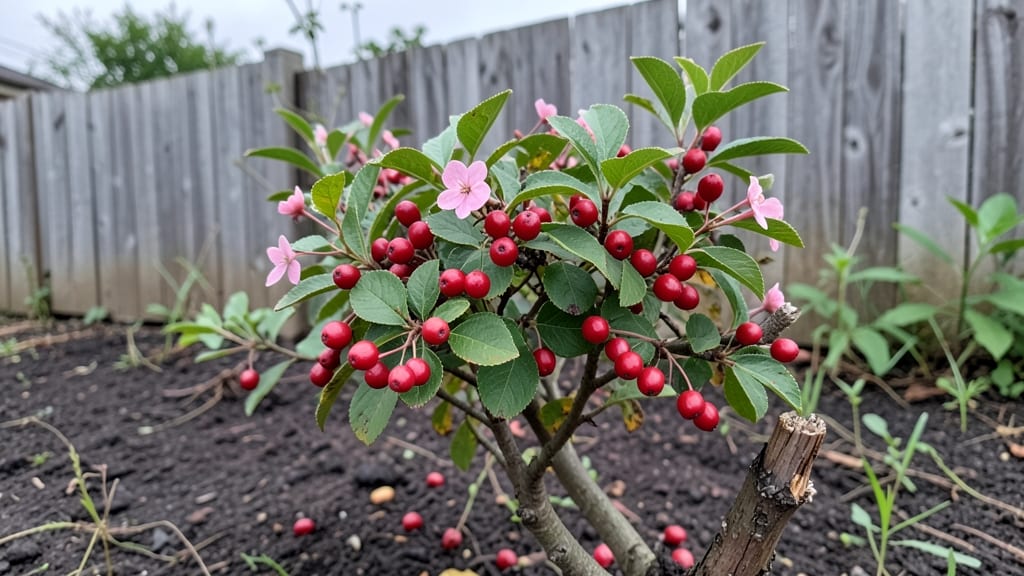
Growing a Barbados cherry tree in Arizona means you can enjoy tart, ruby-red fruit year-round—even through our chilly winters. 🌱 The key isn’t just planting it; it’s pruning for cold resilience, which keeps the tree productive and healthy when temperatures dip.
My first tree nearly died in a surprise freeze until I learned these tricks, and now it’s the star of my backyard.
The tree thrives on Arizona’s heat but needs winter protection—think mulch, windbreaks, and strategic cuts to avoid frost damage. It’s drought-tolerant once established, so watering deeply every 2-3 weeks in summer keeps it happy without wasting resources.
The soil should drain well but hold moisture, so amend heavy clay with compost if needed.
With the right pruning, you’ll harvest bright red, grape-sized cherries from late spring through fall, even in cooler months. The tree stays compact, making it perfect for small yards or containers. Just avoid heavy pruning in winter—focus on shaping in early spring when new growth starts.
This method works for Arizona’s low desert to high valleys (Zones 9-11), though higher elevations may need extra winter care. The payoff? A tree that keeps producing when most fruit trees sleep. Let’s get yours thriving all year.
📚 In This Guide
- What you need
- Instructions
- Tips and common mistakes
- Wrapping up and next steps
What you need
- ● Pruning shears: Bypass pruners (sharp, clean, and sterilized with rubbing alcohol to prevent disease). Recommended: Felco F-2 or similar.
- ○ Loppers: For thicker branches (1–2 inches in diameter). Optional: Extendable loppers for hard-to-reach spots.
- ● Hand pruners: For small branches and precision cuts (e.g., Corona or Fiskars).
- ● Garden gloves: Heavy-duty, cut-resistant (e.g., Mechanix or Wolverine) to protect against thorns.
- ● Disinfectant: 70% isopropyl alcohol or a 10% bleach solution (1 part bleach to 9 parts water) for sterilizing tools between cuts.
- ○ Pruning sealant: Optional but helpful: Tree wound sealant (e.g., Tanglefoot Tree Wound Pruning Seal) for large cuts to prevent disease.
- ● Ladder or step stool: If your tree is over 6 feet tall (ensure it’s stable and non-slip).
- ● Trash bags or bucket: For collecting pruned branches and debris.
- ● Sharpie or marker: To label branches if you’re training the tree (e.g., for future reference).
- ● Best time to prune: Late winter or early spring (just before new growth starts) to avoid frost damage. Pro tip: Arizona’s mild winters may allow pruning into early February!
- ● Weather conditions: Choose a dry, overcast day to minimize stress on the tree and reduce the risk of fungal infections.
- ● Safety gear: Safety glasses (to shield from debris) and long sleeves/pants (for protection against thorns).
- ● Tree health check: Inspect the tree for signs of disease (e.g., black spots, oozing sap) or pests before pruning. 💡 Pro tip: Remove any diseased branches first and dispose of them in sealed bags.
- ● Water source: A hose or watering can to hydrate the tree post-pruning (especially if it’s been dry).
- ● Hedge shears for shaping (if you’re going for a formal look).
- ● Tree paint (e.g., white latex paint) for sealing large cuts only if the tree is in a high-stress environment (e.g., urban areas with pollution).
- ● Notebook or app (e.g., iNaturalist) to track pruning notes, growth patterns, and fruit yield.
Step-by-step guide to pruning your Barbados cherry tree in Arizona
Here's how to keep your tropical fruit tree thriving through Arizona's winter chill.
✂️ Step 1: Time Your Pruning for Winter Dormancy
Prune your Barbados cherry (Malpighia emarginata) 4-6 weeks before your area's first frost date—typically late October to early November in most of Arizona. This timing allows new growth to harden off before cold snaps. I always check the National Weather Service frost prediction for my specific valley, since microclimates vary dramatically even within Phoenix.
Look for yellowing or dead leaves as your first signal—these indicate the tree is entering dormancy. Prune only during dry, sunny days to prevent fungal infections. Avoid pruning when temperatures dip below 50°F, as the tree's healing response slows dramatically in cooler conditions.
🌿 Step 2: Remove Dead, Diseased, and Crossing Branches
Start by eliminating any branches that are brown, brittle, or showing signs of disease—these are easy to spot as they lack the tree's characteristic glossy green leaves. Use clean, sharp pruners (sterilized with rubbing alcohol) to make 45-degree cuts just above outward-facing buds. I always disinfect my tools between cuts to prevent spreading any potential pathogens.
Next, remove crossing branches where limbs rub against each other—these create wounds that invite infection. Look for branches growing directly inward toward the trunk or competing with stronger limbs. Thin these out first, as they're the most structurally problematic. Remember: never remove more than 25% of the canopy in one pruning session, or you'll shock the tree.
☀️ Step 3: Shape for Airflow and Sun Exposure
Step back and visualize your tree's natural growth pattern. Barbados cherries respond well to an open-center shape, which improves airflow and sunlight penetration—critical for Arizona's intense sun. Start by shortening overlong branches by about one-third, cutting just above a leaf node where new growth will emerge.
Focus on raising the canopy by removing lower branches that block sunlight from reaching the interior. This creates a more upright, vase-like structure that's easier to protect during cold snaps. I like to leave 3-4 main scaffold branches evenly spaced around the trunk—this ensures balanced growth and fruit production.
🪴 Step 4: Protect New Cuts Before Winter
After pruning, seal all cuts larger than ½ inch with tree wound pruning sealant to prevent moisture loss and infection. I apply a thin layer with a paintbrush, focusing on the outer edges of each cut where the bark is most vulnerable. This step is especially important in Arizona's dry climate, where rapid evaporation can stress fresh wounds.
Once sealed, water deeply around the tree's drip line to help it recover. Apply 2-3 inches of mulch (keeping it 6 inches away from the trunk) to insulate roots. The mulch should extend out to the tree's canopy edge—this creates a thermal blanket that protects against temperature swings. Check moisture weekly, watering only when the top 2 inches of soil feel dry.
⏰ Step 5: Monitor and Adjust Through Winter
Keep an eye out for new growth flushes in late winter—this is your tree's way of testing the waters after dormancy. If you see tender new leaves appearing before mid-February, it's time for a light maintenance pruning to redirect energy toward fruit production. Simply trim back any overly vigorous shoots by one-third to encourage bushier growth.
Watch for frost damage on new growth—it appears as brown, crispy leaves that crumble easily. If this happens, prune out only the most severely damaged branches, leaving healthy buds behind. By late March, your tree should be ready to burst into full spring growth, with stronger branches and better fruit set than before pruning.
Tips & tricks for perfect Barbados cherry tree pruning in Arizona
Mastering the art of pruning your Barbados cherry tree in Arizona's unique climate takes more than just timing—it's about understanding how to work with the tree's natural rhythms while protecting it from our dramatic seasonal shifts.
Timing is Everything: The 4-6 week window before your first frost is critical because it gives new growth time to harden off before winter. I recommend checking the National Weather Service's frost prediction for your specific valley—microclimates in Arizona can vary dramatically even within short distances. If you're unsure, err on the earlier side of the window, as new growth needs at least 3-4 weeks to mature before cold snaps arrive.
Tool Preparation Matters: Sterilizing your pruners between cuts is non-negotiable in Arizona's dry climate, where fungal spores can easily take hold in fresh wounds. I keep rubbing alcohol in a small spray bottle near my work area and wipe down blades after every 3-4 cuts. For larger branches, use a clean, sharp handsaw—dull tools tear bark instead of making clean cuts, which slows healing and invites infection.
Canopy Structure Strategy: When shaping your tree in Step 3, aim for that open-center vase shape to maximize airflow and sunlight penetration. I find that leaving 3-4 main scaffold branches creates the perfect balance—strong enough to support fruit but open enough to prevent fungal issues. Remember that Arizona's intense sun means you'll need to monitor for sunburn on exposed branches, especially after pruning.
Winter Protection Secrets: The 2-3 inches of mulch we apply creates a thermal blanket that's crucial for Arizona's temperature swings. I always extend the mulch to the canopy's edge to fully protect the root zone. Pro tip: Use organic mulch like wood chips or straw—they break down slowly and add nutrients to the soil as they decompose, giving your tree an extra boost when spring arrives.
Pro Tips for Barbados Cherry Tree Arizona
- Timing is Everything: The 4-6 week window before your first frost is critical because it gives new growth time to harden off before winter.
- Tool Preparation Matters: Sterilizing your pruners between cuts is non-negotiable in Arizona's dry climate, where fungal spores can easily take hold in fresh wounds.
Frequently asked questions
Got questions about growing and pruning your Barbados cherry tree (Acerola) in Arizona’s climate? You’re not alone! Here are answers to the most common concerns—from cold hardiness to pruning tips and troubleshooting.
Can Barbados cherry trees survive Arizona’s winter cold?
While Acerola cherries thrive in warm climates, Arizona’s occasional cold snaps (below 30°F) can damage them. Young trees need winter protection like frost cloth or mulch, while mature trees may survive light freezes. Choose cold-hardy varieties like ‘Florida Red’ or grow them in containers for mobility.
When is the best time to prune a Barbados cherry tree in Arizona?
Prune after harvest (late spring/early summer) to avoid stressing the tree during fruit production. Light shaping can occur in late winter (before buds swell), but avoid heavy cuts—this tropical tree blooms on new growth. Always sterilize tools to prevent disease in Arizona’s dry heat.
How do I prune for better fruit yield in Arizona’s heat?
Focus on open-center pruning: Remove dead/diseased wood first, then thin crowded branches to improve airflow (critical in Arizona’s dry climate). Shorten overlong limbs to encourage bushier growth and more fruit clusters. Avoid topping—it stresses the tree and reduces yield.
What’s the best alternative if my Barbados cherry tree struggles in Arizona?
If cold or pests are an issue, consider hardier tropical alternatives like:
- Sapodilla (Chikoo) – Drought-tolerant, cold-sensitive but slower-growing.
- Loquat – Handles mild winters better, produces edible fruit.
- Pomegranate – Thrives in Arizona’s heat and is cold-hardy to ~15°F.
Why are my Barbados cherry leaves yellowing or dropping in Arizona?
Yellow leaves often signal nutrient deficiency (iron/zinc) or pests like scale insects (common in Arizona’s dry climate). Check soil pH (ideal: 5.5–6.5) and fertilize with citrus-specific mix. For pests, spray neem oil or introduce ladybugs. Overwatering or underwatering can also cause stress.
Wrapping up and next steps
Growing a Barbados cherry tree in Arizona is a rewarding adventure—especially when you master cold-resistant pruning to ensure year-round fruit! With the right tools, timing, and techniques, you’ll keep your tree thriving even in cooler months. 🌱✂️
Ready to take the next step? Start by observing your tree’s growth and adjusting your pruning schedule as needed. Whether you’re a beginner or a seasoned gardener, every trim brings you closer to a bountiful harvest. Happy pruning! 🌟