
Pruning
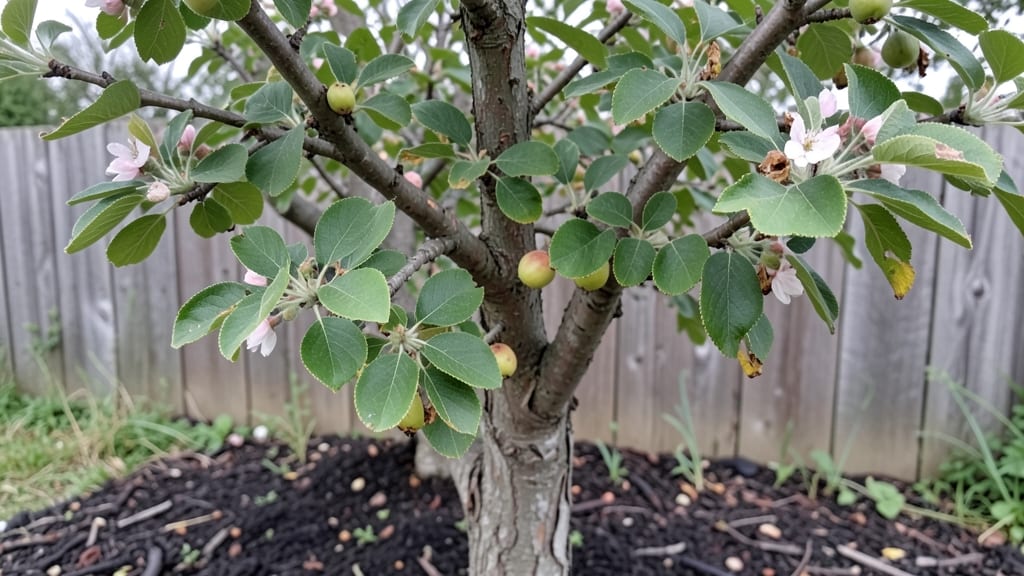
Pruning your crabapple fruit tree isn’t just about shaping branches—it’s the secret to healthier growth, better fruit, and a showstopping spring display. I’ve pruned mine every year since planting, and the difference in blooms and harvest is night-and-day.
The key is timing: dormant season cuts for structure, light pruning after harvest, and summer thinning to keep energy flowing where you want it.
You’ll need sharp bypass pruners, rubbing alcohol for cleaning cuts, and a sturdy ladder if branches are high. Start by removing dead, crossing, or diseased branches first—those are the easy wins. Then focus on thinning out crowded spots to improve airflow, which cuts down on fungal diseases.
My rule of thumb? Never remove more than 25% of the canopy in one season, or you’ll stress the tree.
What you’ll end up with is a tree that produces more apples (even if they’re small and tart) and puts on a spectacular spring bloom. The fruit might not be for eating fresh, but birds will love them, and the ornamental value?
Unmatched. Plus, proper pruning keeps the tree strong enough to handle storms and pests better than neglected ones.
Works for any crabapple variety, from dwarf cultivars to full-sized standards. The same principles apply whether you’re shaping a small patio tree or a backyard centerpiece. Let’s get those branches looking intentional—and your tree thriving for years to come.
📚 In This Guide
- What you need
- Instructions
- Tips and common mistakes
- Wrapping up and next steps
What you need
- ● Pruning shears: Sharp, bypass-style shears (for cuts up to ½-inch thick). Pro tip: Clean blades with rubbing alcohol between cuts to prevent disease spread! 🌡️
- ● Loppers: 1 pair (for branches ½-inch to 2-inches thick). Look for ratcheting or bypass types for precision.
- ○ Pruning saw: 1 curved-tooth saw (for branches 2+ inches thick). Optional: A folding saw for hard-to-reach spots.
- ● Gloves: Heavy-duty, cut-resistant gloves (to protect from thorns and sap). Bonus: Bring a pair with wrist straps for extra security!
- ● Disinfectant: 70% isopropyl alcohol or a 10% bleach solution (for sterilizing tools between cuts).
- ○ Pruning sealant: 1 small tube (optional, for sealing large wounds on young trees).
- ● Ladder or step stool: Sturdy and tall enough to reach the tree’s canopy safely. Safety first: Use a 3-point contact rule (two hands + one foot or two feet + one hand) when climbing!
- ● Trash bags: Heavy-duty (for collecting debris). Eco-tip: Use them to mulch other garden areas or compost!
- ● Weather check: Prune on a dry, cloudy day (avoid extreme heat or wind). Early morning is ideal!
- ● Safety gear: Safety glasses (to shield from flying debris) and closed-toe shoes.
- ● Tree knowledge: Familiarize yourself with your crabapple’s growth habits and pruning goals (e.g., open center vs. vase shape). Pro tip: Sketch a rough map of the tree’s structure beforehand!
- ● First aid kit: Just in case (for minor scrapes or sap irritation).
- ● Extension pole: For high branches (attach shears or a saw for extra reach).
- ● String or measuring tape: To mark cuts before making them (great for beginners!).
- ● Camera: Snap photos of the tree before pruning—it’s a game-changer for tracking progress!
- ● Tree growth regulator: (e.g., dormant oil) if treating pests post-prune.
Instructions for pruning a crabapple fruit tree
Here's how I keep my crabapple trees thriving with strategic cuts that boost fruit production and maintain their natural shape.
Understand the Right Time for Each Season
Crabapple trees need pruning at specific times to avoid stress or disease. In late winter or early spring (before buds swell), remove dead, diseased, or crossing branches. This is the best time because the tree is dormant and you can see the structure clearly. I always schedule this cut in February or March when temperatures stay above 32°F but before the first leaves appear.
During summer, after the tree has finished flowering but before fall, do light pruning to shape the tree and remove any suckers or water sprouts. Avoid heavy cuts in summer—they can stress the tree and make it vulnerable to pests. In fall, only remove dead or diseased branches to keep the tree healthy until spring.
Remove Dead, Diseased, or Damaged Branches First
Start by identifying and removing any branches that are dead, diseased, or broken. Dead branches are easy to spot—they’re grayish-brown, brittle, and don’t have leaves. Diseased branches may have unusual spots, oozing sap, or unusual growths. Use clean, sharp pruning shears to make a clean cut just outside the branch collar, the swollen area where the branch meets the trunk.
If a branch is too large for shears, use a pruning saw and make the cut at a slight angle, about ¼ inch outside the branch collar. Never leave stubs—they can invite decay or disease. After each cut, disinfect your tools with rubbing alcohol to prevent spreading any potential pathogens.
Thin Out Crowded or Crossing Branches
Next, look for branches that are rubbing against each other or growing inward toward the center of the tree. These are called crossing branches, and they can create wounds where disease or pests can enter. Use your shears to remove one of the branches entirely, cutting back to the branch collar. Always remove the smaller branch or the one that’s growing less vigorously.
Thinning also improves airflow and sunlight penetration, which helps the tree produce better fruit. Aim to keep the tree’s structure open, with branches spaced 6-12 inches apart. You’ll know you’ve done well when you can see light filtering through the canopy without too many gaps.
Shape the Tree for Balance and Fruit Production
Now it’s time to shape the tree to encourage strong growth and fruit production. Start at the top and work your way down, removing any branches that are growing too close together or competing for space. Focus on maintaining a balanced, open center—this allows sunlight and air to reach all parts of the tree, reducing the risk of disease.
For young trees, I often use the open-center form, where the branches spread outward like a vase. For older trees, I prune to maintain this shape while removing any branches that are growing downward or inward. Always make cuts just above an outward-facing bud to encourage new growth in the right direction.
Clean Up and Monitor for New Growth
After pruning, remove all the cut branches and debris from the base of the tree. This helps prevent pests and diseases from taking hold. Rake up any fallen leaves or twigs and dispose of them in the trash—not the compost—since they could harbor pathogens.
Keep an eye on the tree in the weeks following pruning. You should see new growth emerging from the buds you left behind. If the tree looks stressed—like leaves wilting or branches drying out—give it a deep watering and avoid pruning again for at least a year. With the right cuts, your crabapple tree will reward you with abundant, healthy fruit for years to come.
Tips & tricks for pruning a crabapple tree
Pruning your crabapple tree the right way makes all the difference between a healthy, fruit-bearing beauty and a stressed, disease-prone mess. Here are the key tricks I've learned from years of keeping my own trees thriving.
Seasonal Timing is Everything: The February or March window for late winter/early spring pruning is non-negotiable. That 32°F minimum temperature is crucial—it ensures the tree is still fully dormant but protected from late frosts. I always check the forecast for the first warm spell after the last frost date in my area. For summer pruning, wait until after flowering but before August heat sets in—this prevents stress that could attract pests.
Tool Maintenance Prevents Problems: Clean, sharp pruning shears are your best defense against disease spread. I disinfect my tools with rubbing alcohol after every 2-3 cuts, especially when moving between branches. For larger branches, that ¼-inch clearance outside the branch collar is critical—it prevents unsightly stubs that trap moisture and invite rot. I mark my pruning saw with a piece of tape at that exact measurement to ensure consistency.
Visual Cues for Perfect Cuts: When shaping your tree in Step 4, look for the "light test"—you should see sunlight filtering through the canopy without too many dark spots. For young trees, aim for that open-center form where branches spread outward like a vase. A good rule of thumb is to remove any branch growing at less than a 45-degree angle from the trunk or trunk branch. This creates the ideal structure for both airflow and fruit production.
Post-Pruning Care Matters: After cleaning up all debris, I always give my trees a deep watering right after pruning. This helps them recover from the stress of cutting. Watch for new growth emerging from the buds you left behind—this is your sign that the tree is healing properly. If you notice any wilting or unusual browning in the weeks after pruning, it's a sign to back off and let the tree recover before attempting more cuts.
Pro Tips for Crabapple Fruit Tree
- Pruning your crabapple tree the right way makes all the difference between a healthy, fruit-bearing beauty and a stressed, disease-prone mess.
- Seasonal Timing is Everything: The February or March window for late winter/early spring pruning is non-negotiable.
- Tool Maintenance Prevents Problems: Clean, sharp pruning shears are your best defense against disease spread.
Frequently asked questions
Got questions about pruning your crabapple fruit tree?
You’re not alone! Here are some of the most common concerns—plus clear, actionable answers to keep your tree thriving.
When is the best time to prune a crabapple tree?
Prune late winter or early spring (just before buds swell) for best results. This timing minimizes disease risk and encourages strong growth. Avoid pruning in fall—it can leave wounds vulnerable to pests. For minor shaping, summer pruning is fine, but focus on removing dead or diseased branches year-round.
How much can I trim off without harming the tree?
Never remove more than 25% of the tree’s canopy in a single year. Crabapples are resilient, but excessive pruning stresses the tree and reduces fruit production. Prioritize thinning out crowded branches and opening the center for airflow. If your tree looks over-pruned, pause and let it recover before trimming again.
Why are my crabapple branches dying after pruning?
Dead branches often signal disease (like fire blight) or pest damage—not just poor pruning. Always use sterilized tools and make clean cuts (avoid jagged edges). If you see blackened, oozing, or wilting branches, prune those first and dispose of them far from the tree. Consider a fungicide if fungal issues persist.
Will pruning reduce my crabapple fruit harvest?
Not if done correctly! Pruning actually boosts fruit quality by improving airflow and sunlight penetration. Focus on removing water sprouts and crossing branches—these compete for energy. Over-thinning can reduce yield, but strategic cuts (like heading back overgrown limbs) encourage more abundant, healthier fruit.
Can I prune a young crabapple tree differently than a mature one?
Young trees (under 3 years)
need light shaping to establish a strong structure—remove competing leaders and low-hanging branches. Mature trees require renewal pruning: cut out old wood (10+ years) to rejuvenate growth. Always prune just outside the branch collar for faster healing.
Pro Tip:
Mark your pruning schedule with seasonal reminders—late winter is your golden window! Use a sharp bypass pruner for clean cuts, and seal larger wounds with pruning sealant (optional but helpful for thick branches). Happy trimming!
Wrapping up and next steps
Growing a thriving crabapple fruit tree starts with smart pruning—whether you’re shaping branches, boosting fruit production, or preventing disease. 🌳 By following seasonal best practices and keeping your tools sharp, you’ll enjoy a healthier tree and delicious harvests for years.
Ready to take the next step? Grab your pruners and schedule your first trim—your tree (and future snacks!) will thank you.
Pro tip: Mark your calendar for late winter or early spring—this is prime time for crabapple fruit tree pruning! 📅