
Trees
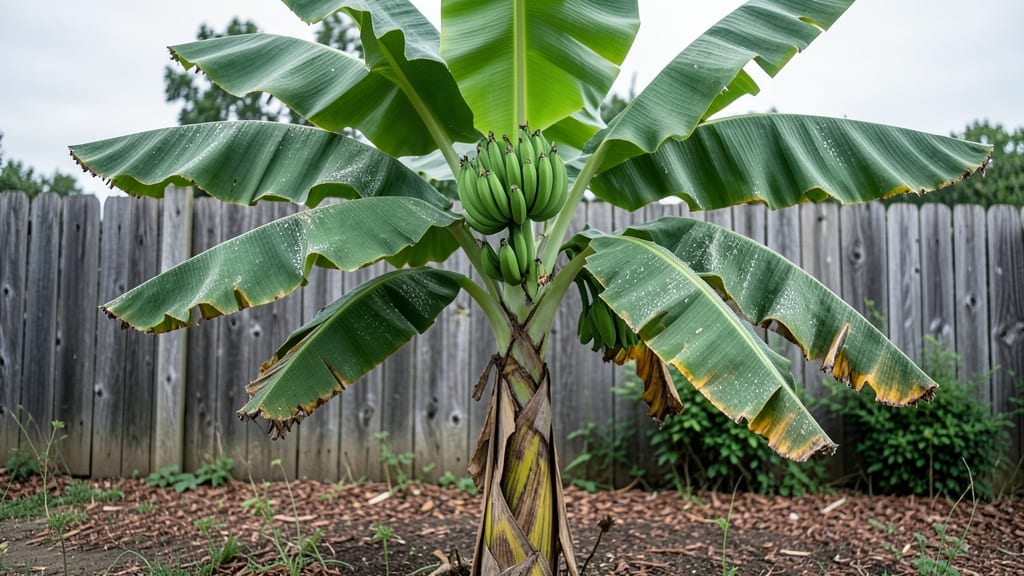
Growing a banana tree with bananas in cold climates feels like cheating the system—until you learn the tricks. 🌱 I’ve watched my own dwarf Cavendish produce fruit in Zone 6 by mimicking its tropical home, and you can too with the right setup.
The secret isn’t magic—it’s consistent warmth, rich soil, and protection from frost.
You’ll need a large container (at least 15 gallons), a sunny spot, and a way to keep roots above 60°F. Even in winter, a garage or insulated patio works if you bring it inside before temps drop below 50°F.
By summer, you’ll see those signature banana-shaped leaves unfurl, followed by bunches of fruit—sweet, creamy, and ready to harvest in just 90 days. The first harvest tastes like a mini vacation, and the plant keeps producing for years if you prune it right.
Cold snaps? No problem. Pests? Rare if you monitor closely. This isn’t just possible—it’s foolproof once you know the steps. Let’s get your tropical harvest started.
📚 In This Guide
- What you need
- Instructions
- Tips and common mistakes
- Wrapping up and next steps
What you need
- ● Banana plant (Musa spp.): Choose a cold-hardy variety like Musa acuminata ‘Dwarf Cavendish’ or Musa basjoo (hardy to USDA Zone 5-10). Buy a 1-2 year-old plant from a nursery (avoid grocery store bananas—they won’t fruit!)
- ● Large container or raised bed: Minimum 15-20 gallons for pots (or a 6’ x 6’ x 2’ raised bed for in-ground planting). Use drainage holes if container-grown.
- ● High-quality potting mix: 60% peat/coco coir, 30% perlite/vermiculite, and 10% compost (or a tropical plant mix with added worm castings).
- ● Slow-release fertilizer: 10-10-10 or 12-12-17 (organic options like fish emulsion or banana peel compost work too!). Apply 2-3 times/year.
- ● Mulch (organic): 4-6 inches of straw, wood chips, or shredded leaves to insulate roots in winter.
- ● Garden gloves (heavy-duty for handling large leaves)
- ● Trowel or spade (for planting/transplanting)
- ● Watering can or hose with spray nozzle (banana trees love consistent moisture)
- ● Pruning shears (sterilized with rubbing alcohol)
- ○ Thermometer (optional): Monitor soil temps—bananas thrive in 75-85°F but can tolerate brief dips to 50°F.
- ○ Greenhouse or cold frame (optional): Extend the growing season in Zone 5-7 by providing 30-50°F protection.
- ○ Support stake (optional): 6-8 ft bamboo or metal stake to tie mature stems (prevents toppling).
- ● 💡 Zone 5-7 growers: Start your banana tree indoors in spring (6-8 weeks before last frost) and acclimate it outdoors gradually.
- ● 🌡️ Winter care: Move potted trees to a garage or shed (keep above 50°F) or bury the pot halfway in soil for insulation.
- ● ✨ Boost fruiting: Hand-pollinate flowers with a soft paintbrush to increase banana production.
Step-by-step instructions for growing a banana tree with bananas indoors
Here's how to coax tropical fruit from your banana plant—no greenhouse required.
🌱 Step 1: Select and Prepare Your Banana Plant
Start with a Musa acuminata or Musa balbisiana variety, available as bare-root suckers or potted plants. I recommend the Dwarf Cavendish for cold climates—it tolerates indoor conditions better than larger species. Choose a healthy plant with 3-4 mature leaves and no signs of pests or yellowing.
Remove the plant from its container and inspect the roots. Trim any mushy or blackened roots with sterilized scissors, then soak the root ball in lukewarm water for 15-20 minutes to rehydrate. This step is critical—banana roots dry out quickly, and you want them plump and ready to establish in their new home.
🪴 Step 2: Choose the Right Container and Soil Mix
Banana trees need room to grow, so select a 5-gallon or larger container with drainage holes—plastic or ceramic works, but avoid metal pots, which can overheat roots. The container should be at least 12 inches deep to accommodate the root system and allow for future growth.
Use a well-draining potting mix designed for tropical plants. I blend 50% peat moss or coconut coir, 30% perlite or pumice, and 20% compost for optimal drainage and nutrient retention. Avoid garden soil—it compacts and suffocates roots. Fill the container 2/3 full with the mix, creating a small mound in the center to position the plant.
☀️ Step 3: Plant and Position for Maximum Light
Place the banana plant on the mound of soil and spread the roots outward gently. Fill in around the roots with the remaining mix, pressing lightly to eliminate air pockets but not compacting the soil. Leave 1-2 inches between the soil surface and the container rim—banana plants grow fast, and you’ll need space for watering.
Banana trees thrive in bright, indirect light—think 6-8 hours of sun daily, but avoid harsh afternoon rays that scorch leaves. A south- or west-facing window works well, or supplement with a grow light if natural light is insufficient. Rotate the pot a quarter turn weekly to ensure even growth. You’ll notice leaves leaning toward the light? That’s your cue to adjust the position.
💧 Step 4: Water and Fertilize for Fruit Production
Water deeply 2-3 times per week, ensuring the top 3 inches of soil feel moist but not soggy. Banana trees love moisture but hate waterlogged roots—drainage holes are non-negotiable. Use room-temperature water and avoid wetting the leaves to prevent fungal diseases. In winter, reduce watering to once a week, as growth slows.
Feed your banana tree with a balanced liquid fertilizer (10-10-10 or 20-20-20) every 2-4 weeks during the growing season (spring through fall). Once the plant reaches 3 feet tall, switch to a potassium-rich fertilizer (like 5-10-10) to encourage flowering and fruit development. You’ll see new leaves emerge every 2-3 weeks—that’s your signal the plant is thriving.
⏰ Step 5: Encourage Flowering and Fruit Set
Banana trees flower when they reach maturity, typically 1-2 years after planting. To hasten flowering, provide consistent warmth (keep soil temps above 60°F) and high humidity (use a humidifier or place the pot on a tray of pebbles with water). Once the flower bud (a bright red or purple spike) appears, protect it from drafts and cold snaps.
If the flower bud doesn’t emerge, your plant may need more sunlight or warmth. Move it closer to a window or supplement with a grow light. Once flowers appear, hand-pollinate by gently shaking the spike daily to release pollen. After 2-3 months, you’ll see banana hands forming—harvest when the fruit is firm but still slightly green, as it won’t ripen further off the plant.
Tips & tricks for growing a banana tree indoors
Here's how to make your tropical harvest flourish—even in cold climates.
Root Rehydration: That 15-20 minute soak in Step 1 isn't just about hydration—it's about waking up the roots. Use lukewarm water (not cold) to mimic tropical conditions. I've seen roots revive dramatically after this step, especially if your plant arrived dry from the nursery. The key is gentle handling: avoid crushing roots when trimming, and don't let them dry out again before planting.
Light Strategy: For those 6-8 hours of daily light, position your banana tree within 2 feet of the window during peak sunlight hours (10am-4pm). If you notice leaves stretching toward the light (a condition called etiolation), it's time to rotate the pot or supplement with a grow light. I've had success with full-spectrum LED grow lights placed 6-12 inches above the plant for 12 hours daily—this mimics tropical sunlight patterns perfectly.
Container Upgrade: While a 5-gallon container works, banana trees grow surprisingly fast. Plan to upgrade to a 15-20 gallon pot within 1-2 years. The extra space prevents root binding, which can stunt growth and delay flowering. I use fabric grow bags for my larger banana trees—they allow roots to breathe better than rigid containers and make repotting easier when the time comes.
Flowering Trigger: That 60°F soil temperature threshold in Step 5 is non-negotiable for flowering. Use a soil thermometer to monitor temps—banana trees won't flower if soil stays below 60°F for extended periods. In cold climates, move your plant to a sunroom or near a south-facing window during winter months. I've found that adding a small space heater (set to 65°F) near the plant during winter nights can make all the difference in encouraging that crucial flower spike to appear.
Pro Tips for Banana Tree With Bananas
- Here's how to make your tropical harvest flourish—even in cold climates.
- Root Rehydration: That 15-20 minute soak in Step 1 isn't just about hydration—it's about waking up the roots.
- Light Strategy: For those 6-8 hours of daily light, position your banana tree within 2 feet of the window during peak sunlight hours (10am-4pm).
Frequently asked questions
Got questions about growing a banana tree with bananas in colder climates? You’re not alone! Here are answers to the most common curiosities—from timing to troubleshooting—so you can enjoy your tropical harvest without the hassle.
Can a banana tree survive winter in cold climates?
A banana tree (Musa spp.) is tropical and can’t survive freezing temps long-term. However, you can grow it in containers and move it indoors (or to a garage) during winter. Choose cold-hardy varieties like Musa acuminata ‘Dwarf Cavendish’ for better resilience. With care, it’ll bounce back in spring!
How long does it take for a banana tree to bear fruit?
Patience is key! A healthy banana tree typically takes 18–24 months to produce fruit from planting. If grown from a pup (offset), expect bananas in 6–12 months. Provide full sun, rich soil, and consistent watering to speed up the process.
Are bananas from a homegrown tree as tasty as store-bought?
Homegrown bananas often taste sweeter and more flavorful since they ripen naturally on the plant. Store-bought bananas are picked green for shipping and may lack that fresh, tropical punch. Plus, you control organic practices—no pesticides or artificial ripening!
Why aren’t my banana tree’s flowers turning into bananas?
No bananas? Don’t panic! Common reasons include:
- Lack of sunlight: Banana trees need 6+ hours of direct sun daily.
- Improper pollination: Hand-pollinate with a soft brush if bees aren’t visiting.
- Young plant: Trees under 2 years old may not fruit yet.
- Nutrient deficiency: Feed with a high-potassium fertilizer (like banana fertilizer).
What’s the easiest way to grow a banana tree indoors?
Start small! Use a 10–15 gallon pot with drainage holes and a mix of potting soil + compost. Place near a south-facing window or under grow lights (12+ hours/day). Keep soil moist but not soggy, and rotate the pot weekly for even growth. Dwarf varieties thrive best indoors.
Pro Tip:
Want bananas faster? Plant a pup (offset) instead of seeds—it’s already a mature plant! Just ensure it has a sturdy pot and support as it grows.
Wrapping up and next steps
Growing a banana tree with bananas in cold climates isn’t just possible—it’s a rewarding adventure that brings a taste of the tropics to your backyard! 🌱 With the right variety, care, and a little creativity (like overwintering indoors or using containers), you can enjoy fresh, homegrown bananas year-round.
Whether you’re a beginner or a seasoned gardener, the key is patience and consistency.
Ready to take the next step? Start by choosing your Musa variety and gathering your supplies—then watch your tropical oasis thrive! 🌟 Plant your first banana tree this season and savor the sweet success!