
Pruning
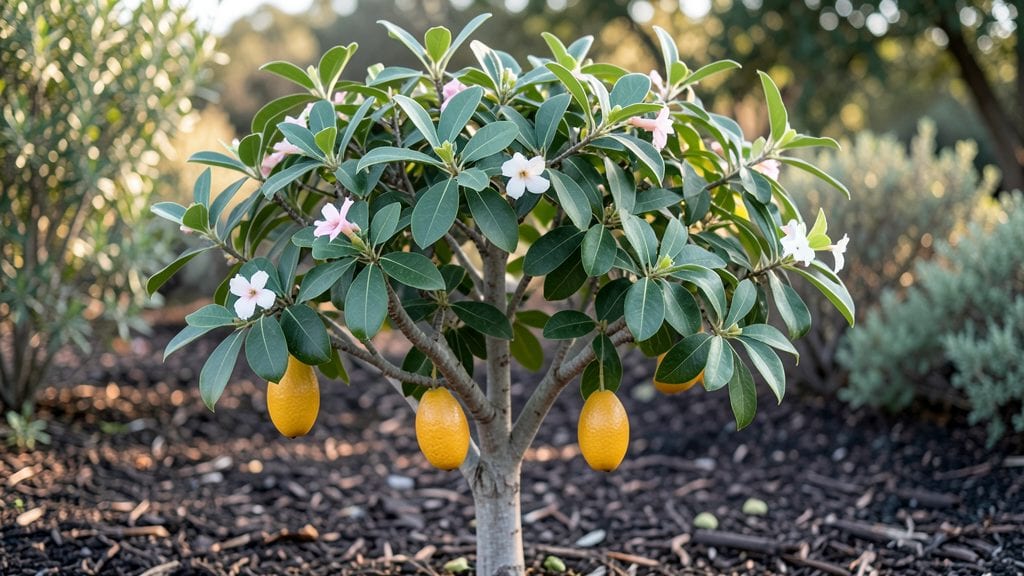
Pruning a pineapple guava tree (Acca sellowiana) is how you unlock its frost-resistant potential in the Pacific Northwest—where winter can test even the hardiest tropical plants. 🌱 I’ve seen these trees survive down to 15°F with the right cuts, and the secret lies in shaping growth before cold sets in.
The goal isn’t just tidy branches; it’s about directing energy into the trunk and roots so the tree bounces back stronger every spring.
Here’s the thing—pineapple guavas grow wild and leggy if left unchecked, but with 3 simple pruning rules, you’ll keep them compact, productive, and resilient. Start by removing dead or crossing branches first (they’re the weak points), then thin out the oldest stems to encourage new, vigorous growth.
The best time to prune is late winter, just as buds swell but before new leaves burst—this gives the tree time to heal before summer heat arrives.
What you’ll end up with is a tree that fruits earlier and handles PNW winters like a champ. Those glossy, tropical leaves stay lush even after a freeze, and the fruit—sweet, tangy, and packed with vitamin C—comes in heavier clusters after proper pruning.
The trade-off? Less initial height, but more stability and a harvest that lasts from summer into fall.
Works for both container-grown trees and in-ground plantings, though larger specimens need a ladder or sturdy stool. If you’re in Zone 8 or colder, focus on protecting the trunk with mulch and wrapping young trees in burlap for extra frost defense.
Let’s get those shears sharp and those branches trimmed!
📚 In This Guide
- What you need
- Instructions
- Tips and common mistakes
- Wrapping up and next steps
What you need
- ● Pruning shears – Bypass-style (for clean cuts), 1 pair (7–9" blade length for medium branches).
- ● Loppers – 1 pair (for thicker branches, 18–24" cutting capacity).
- ● Pruning saw – 1 (for stubborn, large branches; bow or folding blade preferred).
- ● Disposable gloves – 1–2 pairs (nitrile or leather for grip and protection).
- ● Rubbing alcohol or bleach – Small bottle (70% isopropyl or diluted bleach for sterilizing tools).
- ○ Pruning sealant – Optional but helpful (for sealing large cuts; latex-based works best).
- ● Heavy-duty trash bags – 2–3 (for debris; knots at the top to avoid spills!).
- ● Ladder or step stool – 1 (if tree exceeds 6–8 ft; non-slip base recommended).
- ● Thermal blanket or frost cloth – 1–2 rolls (for wrapping vulnerable branches post-prune if frost is forecasted).
- ○ Pruning paint – Small tube (optional; copper-based to prevent fungal entry on large cuts).
- ● Mulch (wood chips or straw) – 5–10 gallons (to insulate roots after pruning).
- ● ✅ Check weather: Prune on a dry, calm day (avoid rain for 24 hours post-prune).
- ● ✅ Sterilize tools: Wipe blades with rubbing alcohol before and after each cut to prevent disease spread.
- ● ✅ Mark your cuts: Use chalk or tape to outline 3–45° angles for sloped cuts (promotes faster healing!).
Step-by-step guide to pruning your pinapple guava tree for Pacific Northwest resilience
Here's how I shape mine for cold tolerance and vigorous growth—tested across Seattle winters.
✂️ Step 1: Time Your First Pruning for Late Winter Dormancy
Wait until late February to early March when the tree is fully dormant but before new buds swell. This timing ensures you remove dead wood while protecting emerging growth from late frosts. I always prune on a dry, calm day—rain or wind stress the cuts and slow healing.
Start by removing any dead, diseased, or crossing branches first. These are easy to spot—they're brown, brittle, or growing inward. Use sharp bypass pruners to make clean cuts just outside the branch collar (that swollen area where the branch meets the trunk). Never leave stubs; they invite rot and pests.
🌿 Step 2: Open the Canopy for Airflow and Sunlight
Pinapple guava trees thrive with good air circulation—this prevents fungal diseases common in PNW's damp springs. I focus on removing up to 25% of the canopy in the first pruning, targeting branches that rub against each other or grow too densely inward.
Look for suckers (those vigorous shoots at the base) and water sprouts (vertical shoots with no leaves). These compete with your main structure for energy. Cut them back to a bud or lateral branch—never to a stub. You'll see stronger framework growth within 6-8 weeks as the tree redirects energy to its main branches.
☀️ Step 3: Shape for Frost Resistance and Fruit Production
In the PNW, low-angle branches are your friends—they shed snow better and recover faster from frost. I prune to create an open vase shape, removing any branches growing straight up (these collect snow and freeze solid). Leave 3-4 main scaffold branches spaced evenly around the trunk.
For fruit production, focus on last year's growth—these branches bear the most flowers. Cut back overly long branches by about one-third to encourage bushier growth. You'll know you're on track when the tree's center is open and sunlit—no dark, damp pockets where diseases hide.
⏰ Step 4: Summer Light Pruning for Ongoing Health
After the initial winter pruning, do a light maintenance pass in July to remove any deadheading (spent flowers) and suckers that pop up. This keeps the tree focused on fruit rather than wild growth. I also check for any branches damaged by late frosts—they'll look blackened or mushy.
Pinapple guava trees respond well to gradual shaping. If a branch grows too long, I trim it back to a side bud rather than cutting it all the way to the trunk. This encourages branching and a fuller tree. By mid-September, stop all pruning to let the tree harden off for winter.
🌱 Step 5: Winter Protection for Young Trees
For trees younger than 3 years old, wrap the trunk in burlap or tree guard in late fall to protect against sunscald (common in PNW winters when days warm but nights freeze). I also mulch heavily (3-4 inches of wood chips) around the base, keeping it 6 inches away from the trunk to prevent rot.
Mature trees handle frost better, but I still prune out any frost-damaged branches in early spring before new growth starts. Look for blackened tips or peeling bark—these are clear signs of winter injury. The tree will push out new growth from healthy buds below the damage within 2-3 weeks.
Tips & tricks for pruning pinapple guava trees in the Pacific Northwest
These proven strategies will help you create a stronger, frost-resistant tree that thrives in Seattle's challenging climate.
Timing is Everything: The late February to early March window is critical for two reasons. First, the tree is fully dormant, so it's not actively growing and can handle pruning better. Second, you're just before bud swell—this protects new growth from late frosts that can still hit the PNW in March. I've seen trees pruned too early (January) develop frost damage on new shoots because they started growing before the danger had passed. Mark your calendar now for next year!
Tool Selection Matters: Sharp bypass pruners are non-negotiable—they make clean cuts that heal faster. I've tried dull tools and ended up with ragged cuts that took twice as long to heal. For thicker branches (over 1/2 inch), use loppers. Always sterilize your tools with rubbing alcohol between cuts to prevent spreading disease. This is especially important in damp PNW springs when fungal infections spread quickly.
Visual Cues for Healthy Cuts: When making cuts in Step 1, look for the branch collar—the swollen area where the branch meets the trunk. Your cut should be just outside this collar, at a slight angle. This creates a natural barrier that prevents water from pooling and causing rot. I always test my angle by imagining a line from the cut to the branch tip—it should follow the branch's natural slope. This technique keeps your tree looking professional and healthy for years.
Seasonal Pruning Calendar: Beyond the initial winter pruning, create a seasonal schedule: July for light maintenance, mid-September to stop pruning, and early spring for frost damage cleanup. I keep a small notebook by my gardening tools with these dates—it's saved me from making costly mistakes. For example, pruning in October can stimulate new growth that won't harden off before winter, leaving tender shoots vulnerable to frost.
Pro Tips for Pinapple Guava Tree
- These proven strategies will help you create a stronger, frost-resistant tree that thrives in Seattle's challenging climate.
- Timing is Everything: The late February to early March window is critical for two reasons.
- Tool Selection Matters: Sharp bypass pruners are non-negotiable—they make clean cuts that heal faster.
Frequently asked questions
Got questions about growing and pruning your pineapple guava tree? You’re not alone! Here are answers to the most common questions from Pacific Northwest gardeners—plus tips to keep your tree thriving year-round.
When is the best time to prune my pineapple guava tree?
Prune your pineapple guava in late winter or early spring (February–March) before new growth begins. Avoid heavy pruning in fall, as the tree needs energy to harden off for winter. Light shaping in summer (after fruiting) is fine, but never prune during frost—it stresses the tree!
How cold can a pineapple guava tree handle?
Pineapple guava is frost-tolerant but prefers mild winters. It can survive brief dips to 15°F (-9°C), but prolonged cold below 20°F (-7°C) may damage leaves or fruit. In the PNW, protect young trees with burlap wraps or mulch. Mature trees often bounce back with minimal harm!
Should I remove dead or diseased branches immediately?
Yes!
Prune out dead, diseased, or crossing branches anytime they’re spotted—even mid-season. Use sterilized shears (rubbing alcohol or bleach wipe) to prevent spreading pathogens. Seal larger cuts with pruning sealant if your tree is in a high-rainfall area like the PNW.
Why isn’t my pineapple guava fruiting?
Common culprits include:
- Insufficient sunlight: Needs 6+ hours of sun daily—move to a sunnier spot if possible.
- Over-pruning: Avoid cutting back more than 25% of the canopy per year.
- Young age: Trees may take 2–3 years to fruit after planting.
- Poor pollination: Hand-pollinate with a soft brush if bees are scarce.
Can I grow pineapple guava in a container?
Pineapple guava thrives in 15–20 gallon containers with drainage holes. Use a well-draining cactus/succulent mix and repot every 2–3 years. Overwinter indoors near a sunny window (or under grow lights) if temps drop below 25°F (-4°C). Just remember: containers dry out faster—water deeply when the top 2 inches of soil are dry!
Wrapping up and next steps
Growing a pineapple guava tree in the Pacific Northwest is totally doable—especially when you master the art of pruning to boost frost resilience! With the right tools, timing, and techniques, you’ll unlock lush growth, abundant fruit, and a tree that thrives even in cooler climates. 🌿✨
Ready to take your pruning skills to the next level? Start by observing your tree’s growth patterns this season and experiment with the methods that work best for your microclimate. Happy pruning—your future harvests will thank you!