
Landscaping
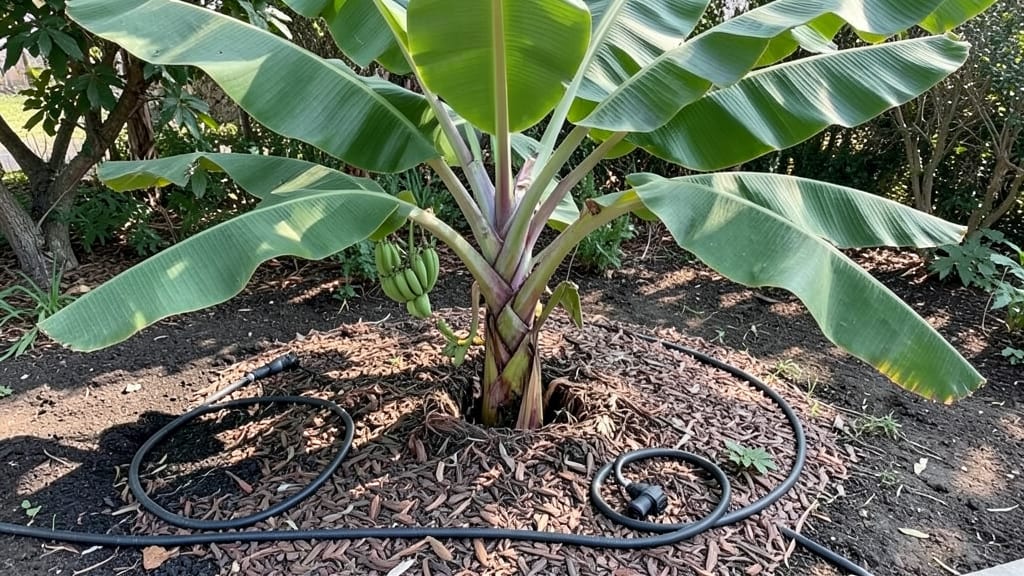
These banana tree landscaping ideas transform your yard into a lush, year-round retreat with dramatic foliage—just pick dwarf varieties like 'Dwarf Cavendish' or 'Ice Cream' for compact yet stunning 10-foot-tall fronds. 🌿 blocking nosy neighbors while adding instant curb appeal.
Start with three to five plants spaced 6–8 feet apart in well-draining soil with morning sun. Pair them with bamboo or hibiscus for extra height, or let the banana trees shine solo in a sunny corner where their broad leaves cast dappled shade.
Mulch with wood chips to protect roots and keep moisture levels consistent.
By summer, your screen will be vibrant green and impenetrable, with the added bonus of edible fruit if you choose a fruiting variety. The real magic happens in winter when most plants go dormant—your banana trees stay sturdy and lush, their leaves rustling softly in the breeze.
Works in USDA zones 10–12 (or containers for cooler climates), and thrives with minimal fuss once established. Just watch for frost—bring potted plants indoors when temps dip below 30°F. Ready to transform your yard into a tropical escape?
📚 In This Guide
- What you need
- Instructions
- Tips and common mistakes
- Wrapping up and next steps
What you need
- ● Banana Trees: 3–5 mature banana trees (e.g., Musa basjoo or Musa acuminata), depending on desired height and density
- ○ Optional: 1–2 dwarf varieties (e.g., Musa velutina) for layered texture
- ● Soil & Amendments: Well-draining, organic-rich soil (pH 5.5–7.0)
- ● Compost (2–3 cubic yards for planting area)
- ● Perlite or sand (1–2 bags, 40 lbs each) for drainage
- ● Planting Supplies: Garden gloves (1 pair)
- ● Trowel or spade (1–2, depending on tree size)
- ● Shovel (1, for digging)
- ● Wheelbarrow (1, for mixing soil)
- ● Support & Mulch: Stakes (3–5, 6–8 ft tall, bamboo or metal)
- ● Ties (10–15, soft garden twine or fabric strips)
- ● Mulch (4–5 bags, 2–3 cubic feet each, e.g., pine bark or coconut coir)
- ○ Watering & Maintenance: Drip irrigation kit or soaker hose (optional but recommended)
- ● Fertilizer (balanced 10-10-10 or banana tree-specific, 5–10 lbs)
- ● Pruning shears (1, sharp and sterilized)
Step-by-step instructions for creating a tropical banana tree privacy screen
Here's how to design a lush, year-round privacy screen that thrives in warmer climates.
🌱 Step 1: Select the Right Banana Tree Varieties for Your Climate
Choose dwarf banana varieties like 'Dwarf Cavendish' or 'Lady Finger' for smaller spaces, as they reach 10-15 feet tall while remaining manageable. For larger privacy screens, Musa acuminata or Musa balbisiana hybrids grow 15-20 feet tall with bold foliage. I always plant 3-5 trees spaced 6-8 feet apart to create a dense, natural barrier.
Check your USDA hardiness zone—most banana trees thrive in zones 10-11, but cold-hardy varieties like 'Ice Cream' can survive brief dips to 25°F. If you're in a cooler zone, opt for container-growing or microclimate protection (like a greenhouse or sunny patio).
🪴 Step 2: Prepare the Planting Site for Optimal Growth
Banana trees need rich, well-draining soil with a slightly acidic to neutral pH (5.5-7.0). Amend native soil with 3-4 inches of compost and 1 inch of perlite or coarse sand to prevent waterlogging. I dig a hole twice as wide as the root ball but only as deep as the container—banana trees dislike being buried too deeply.
For a privacy screen, dig a trencher 12-18 inches wide and 12 inches deep along your property line. This creates a root barrier that encourages lateral growth while keeping roots contained. Space planting holes 6-8 feet apart in rows 8-10 feet apart for a staggered, natural look.
☀️ Step 3: Plant and Stake for Wind and Storm Resistance
Remove the banana tree from its container and soak the roots in water for 10-15 minutes to rehydrate them before planting. Place the tree in the hole so the top of the root ball sits 1-2 inches above ground level—this prevents rot in heavy rains. Backfill with native soil mixed with compost, tamping gently every 2 inches to eliminate air pockets.
Stake each tree immediately with 2-inch diameter bamboo stakes tied to the trunk with soft fabric strips (never wire—it cuts into the pseudostem). Angle the stakes outward at 45 degrees to support the tree’s natural lean. Mulch the base with 3-4 inches of wood chips, keeping mulch 6 inches away from the trunk to prevent rot.
💧 Step 4: Water and Fertilize for Rapid, Dense Growth
Water deeply 2-3 times per week for the first month, then taper to once weekly once established. Banana trees need 1-2 inches of water per week, but they hate soggy roots—always check that the top 2 inches of soil feel dry before watering again. I use drip irrigation to deliver water slowly at the base, avoiding wetting the leaves to prevent fungal diseases.
Fertilize monthly during the growing season (spring through fall) with a balanced 10-10-10 or 8-3-9 formula, using half the recommended dose. Banana trees are heavy feeders, but too much nitrogen causes weak stems. In winter, reduce fertilizing to every 6-8 weeks or switch to a low-nitrogen, high-potassium blend to support root health.
✂️ Step 5: Prune and Maintain for Year-Round Privacy
Remove dead or yellowing leaves as soon as they appear to redirect energy to new growth. When the tree produces fruit stalks, cut them back to 6-8 inches above the last healthy leaf—this preserves the tree’s energy for foliage growth. I prune lightly in early spring to shape the tree and encourage lateral branching, which fills in gaps for a denser screen.
In winter, if your variety is cold-sensitive, cut back all leaves to 6 inches above ground level after the first frost. The tree will regrow from the base in spring. For container-grown banana trees, bring pots indoors to a bright, cool (50-60°F) location before temperatures drop below 50°F.
Tips & tricks for perfect banana tree privacy screens
Creating a lush tropical privacy screen with banana trees takes thoughtful planning—and these tips will help you avoid common pitfalls while maximizing growth and beauty.
Variety Selection Matters: When choosing between 'Dwarf Cavendish' (10-15 feet) and larger Musa hybrids (15-20 feet), consider your space needs. For a tighter screen, opt for 3-5 dwarf varieties spaced 6-8 feet apart—their staggered planting creates natural gaps that still provide privacy while allowing light to filter through. I've found that mixing varieties adds visual interest while maintaining density.
Soil Preparation is Critical: That 12-18 inch trencher along your property line serves a dual purpose—it contains roots while encouraging lateral growth. Don't skip the 3-4 inches of compost and 1 inch of perlite! I've seen banana trees struggle in heavy clay soil, so always test your pH (aim for 5.5-7.0) and amend accordingly. A soil test costs pennies but prevents years of frustration.
Root Care During Planting: The 10-15 minute root soaking before planting is non-negotiable—it rehydrates roots that may have dried out in transit. What I've learned the hard way: Never bury the root ball deeper than its container level. I once planted a tree too deeply, and it took two years to recover. That 1-2 inch elevation above ground prevents rot while allowing proper drainage.
Winter Protection Strategy: For cold-sensitive varieties, that 6-inch leaf cutback after frost isn't just about aesthetics—it protects the growing point. I've seen trees regrow beautifully from this height, but never from deeper cuts. And that 50-60°F indoor location for containers? Use a grow light if natural light is insufficient—banana trees need 12+ hours of light to prevent leaf drop.
Pro Tips for Banana Tree Landscaping Ideas
- Creating a lush tropical privacy screen with banana trees takes thoughtful planning—and these tips will help you avoid common pitfalls while maximizing growth and beauty.
- Variety Selection Matters: When choosing between 'Dwarf Cavendish' (10-15 feet) and larger Musa hybrids (15-20 feet), consider your space needs.
- Soil Preparation is Critical: That 12-18 inch trencher along your property line serves a dual purpose—it contains roots while encouraging lateral growth.
Frequently asked questions
Got questions about banana tree landscaping?
Here are some of the most common concerns—plus practical tips to help you create a stunning tropical privacy screen with ease!
How fast do banana trees grow, and when can I expect privacy?
Banana trees grow surprisingly fast—some varieties can add 3–6 feet per year under ideal conditions! With proper care, you may see noticeable height within 1–2 years, though full privacy (8+ feet) typically takes 2–3 years. Dwarf varieties like Musa basjoo offer quicker results for smaller spaces.
Are banana trees cold-hardy, or do I need to protect them in winter?
Most banana trees thrive in USDA Zones 9–11, but Musa basjoo (hardy to Zone 5) is a top choice for cooler climates. In frost-prone areas, mulch the base and wrap younger trunks with burlap. Older trees often die back but regrow from the roots—just trim dead fronds in spring!
Can I grow banana trees in containers, or do they need to be planted in the ground?
Containers work well
for dwarf varieties (like Dwarf Cavendish) or as temporary plantings. Use a large pot (15+ gallons) with drainage holes and tropical potting mix. Move containers indoors or to a garage during winter if temps drop below 40°F. Just ensure they get 6+ hours of sunlight daily!
What pests or diseases should I watch for in my banana tree?
Common issues include:
- Spider mites (tiny webs on leaves—spray with water or neem oil).
- Banana weevils (brown grubs in stems—use systemic insecticides early).
- Fungal leaf spot (yellow/brown spots—prune infected leaves and improve airflow).
How can I style banana trees for a polished look instead of a wild jungle vibe?
For a designer-friendly look:
- Pair with clean-lined plants like Dracaena marginata or Ficus Audrey.
- Use gravel or decomposed granite for a modern base instead of mulch.
- Add sculptural lighting (e.g., solar-powered path lights) to highlight trunks.
- Prune older fronds to reveal the textured pseudostem (the "trunk").
Wrapping up and next steps
Transforming your outdoor space with a banana tree landscaping isn’t just about aesthetics—it’s about creating a lush, tropical retreat that thrives year-round. Whether you’re aiming for a privacy screen, a statement focal point, or a vibrant border, these versatile trees offer endless possibilities with minimal upkeep.
Their bold foliage and dramatic height make them a standout choice for any garden or patio.
Ready to bring this tropical charm to your yard? Start by sketching a rough layout—consider sun exposure, soil prep, and spacing—and then take the first step: research local nurseries or online plant suppliers to source your banana trees.
With a little planning, you’ll be well on your way to a stunning, low-maintenance oasis that turns heads (and maybe even a few jealous glances from neighbors)! 🌿✨