
Pruning
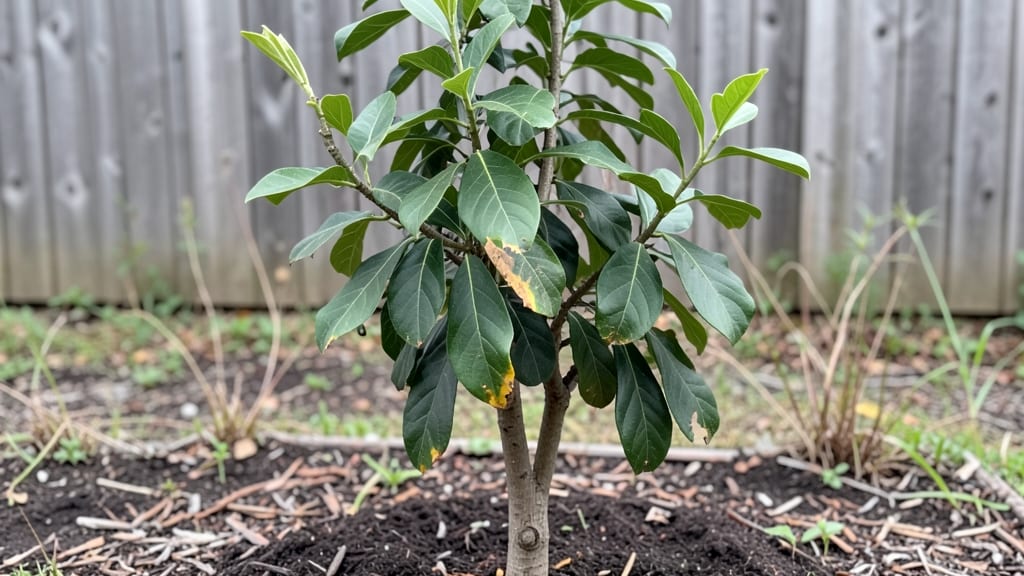
Growing an avocado tree in North Carolina feels like defying the odds—until you master the cold-hardy pruning tricks that keep them alive through winter. 🌱 I’ve watched my container-grown Hass tree survive three winters by bringing it indoors before the first frost, and the secret isn’t just timing—it’s strategic pruning to toughen the wood before the cold hits.
The key is treating your avocado like a seasonal plant: full sun all year, well-draining soil (even in pots), and a spring pruning to shape the tree and remove weak growth.
Most NC growers swear by 5-gallon containers for flexibility, letting them move trees to garages or sunrooms when temperatures dip below 30°F. Overwatering is the #1 killer—stick your finger in the soil first, and only water when the top inch feels dry.
By late summer, you’ll see new growth that’s surprisingly cold-resistant, and with the right care, some trees even produce fruit—though don’t expect Hass-sized avocados in Zone 7. The real reward? Fresh leaves for guacamole year-round, and the pride of proving tropical plants can thrive in the South’s unpredictable climate.
Here’s the game-changer: prune back by 1/3 in early spring to encourage bushier, sturdier branches that handle winter better. And yes, I’ve killed two trees before nailing this routine—so trust the process, not the first year’s results.
📚 In This Guide
- What you need
- Instructions
- Tips and common mistakes
- Wrapping up and next steps
What you need
- ● Cold-hardy avocado tree: Choose a variety like Mexicola or Wurtz, which tolerate temperatures down to 15°F (-9°C) with proper care.
- ● Large container (20+ gallons): Use a durable, breathable fabric pot (e.g., 5-gallon grow bags) or a plastic pot with drainage holes for root health.
- ● High-quality potting mix: A well-draining blend (e.g., 50% cactus/succulent mix + 30% perlite + 20% compost). Avoid garden soil—it retains too much moisture!
- ● Pruning tools: Bypass pruners (for clean cuts on small branches).
- ● Loppers (for thicker branches, up to 2 inches in diameter).
- ● Sterilized hand saw (for larger limbs—disinfect with rubbing alcohol between cuts).
- ○ Rooting hormone (optional but helpful for propagating cuttings).
- ● Mulch (straw or wood chips): Apply a 2–3 inch layer around the base (not touching the trunk) to insulate roots in winter.
- ● Grow lights or sun lamps: Extend daylight to 12+ hours/day indoors during winter (LED grow lights work great!).
- ● Thermometer/hygrometer: Monitor soil temperature (ideal: 65–85°F) and humidity (avocados love 40–60%).
- ● Epsom salt (magnesium sulfate): Mix 1 tbsp per gallon of water monthly for leaf health.
- ● Cold frame or greenhouse: For outdoor overwintering in Zone 7b+ (NC’s mildest areas).
Step-by-Step guide to pruning avocado trees for North Carolina winters
Cold-hardy avocado care starts with strategic pruning—here’s how to keep your tree thriving through NC’s unpredictable winters.
✂️ Step 1: Prune for Airflow and Light Exposure
Begin pruning in late winter, just before new growth starts. Remove any dead, diseased, or crossing branches first—these compete with healthy growth and invite pests. I always start with the weakest branches, cutting them back to their origin point. This opens up the canopy so sunlight penetrates to the center, which is critical for winter survival.
Look for branches growing inward or rubbing against others. These create wounds that heal poorly in cold climates. Use clean, sharp pruners to make cuts at a 45-degree angle, just outside the branch collar. Avoid leaving stubs—this prevents rot and encourages stronger regrowth. Thin out about 20-30% of the foliage to reduce stress on the tree during dormancy.
🌿 Step 2: Shape for Cold Protection
Avocado trees in North Carolina need a rounded, open canopy to minimize wind damage and frost accumulation. Focus on raising the lower branches to create a V-shaped structure—this allows cold air to drain away from the trunk. Cut back any low-hanging branches that touch the ground, as they’re more susceptible to frost damage.
If your tree has a central leader (one dominant trunk), prune competing vertical shoots to encourage a stronger, more stable structure. For multi-trunk trees, ensure no single branch exceeds one-third the width of the canopy—this prevents weight-related breakage during ice storms. Step back frequently to visualize the tree’s shape; you’re aiming for an upright, balanced silhouette that sheds snow and ice efficiently.
☀️ Step 3: Adjust for Seasonal Light Changes
North Carolina’s shorter winter days mean your avocado tree needs strategic light management. After pruning, position the tree where it receives at least 6 hours of direct sunlight daily, even in winter. If indoors or in a greenhouse, supplement with a grow light for 12-14 hours per day to prevent leggy growth—a common issue when trees don’t get enough light during dormancy.
Watch for new shoots emerging from old wood after pruning. These are your tree’s way of compensating for lost foliage. If they appear weak or spindly, prune them back by one-third to encourage bushier, sturdier growth. Avoid heavy pruning in late summer or fall—this stimulates tender growth that won’t survive NC’s first frost.
⏰ Step 4: Winterize and Monitor for Stress
After pruning, apply a 2-3 inch layer of mulch around the base (but not touching the trunk) to insulate roots. Use organic mulch like pine straw or shredded bark, which retains moisture while allowing airflow. Water deeply once a month during winter if rainfall is scarce—avocado trees in containers dry out faster in cold weather.
Keep an eye out for yellowing leaves or wilting branches—these are signs of stress. If you notice brown, crispy edges, your tree may be getting too much direct sun or wind. Move it to a sheltered spot or add a windbreak (like a burlap screen) to protect it. In extreme cold (<20°F), bring potted avocados indoors near a sunny window or under grow lights until temperatures rise.
Tips & tricks for perfect avocado tree pruning in North Carolina
Pruning your avocado tree the right way makes all the difference for winter survival—especially in NC's unpredictable climate. Here's what I've learned after years of trial and error with these tropical trees.
Timing is Everything: Late winter pruning (just before new growth starts) is non-negotiable for cold-hardy avocados. I've seen trees suffer when pruned too early—they're vulnerable to frost damage before they've had time to recover. Look for the first signs of bud swell as your cue. In North Carolina, this typically falls between mid-February and early March, depending on your microclimate. If you're unsure, wait until you see those tiny green buds forming along the branches.
Pruning Technique That Changed Everything: When cutting branches in Step 1, focus on making clean cuts at a 45-degree angle, just outside the branch collar. I used to make flush cuts, which led to slow-healing wounds and increased susceptibility to disease. The 45-degree angle allows water to bead away from the cut, preventing rot. Also, avoid leaving stubs—these create entry points for pests and pathogens, especially in our humid NC summers. For larger branches, use a three-cut method to prevent bark tearing.
Winter Stress Prevention: After pruning, monitor your tree's stress levels closely—especially during NC's winter temperature swings. Yellowing leaves or brown, crispy edges are clear signs of stress. If you notice these, move your tree to a sheltered spot immediately. I've found that a simple burlap windbreak can make a huge difference during our frequent winter storms. For potted trees, consider bringing them indoors when temperatures drop below 20°F, as this is the critical threshold for cold damage. A sunny window or grow light setup works perfectly for temporary indoor protection.
Light Management Strategy: The 6 hours of direct sunlight requirement in winter is crucial for maintaining your tree's health. If your tree is indoors or in a greenhouse, supplement with a grow light for 12-14 hours per day. I use LED grow lights positioned about 6-12 inches above the canopy. Remember to rotate the tree daily for even light exposure—this prevents leggy growth and ensures your tree develops a strong, balanced structure. The goal is to mimic natural daylight conditions as closely as possible.
Pro Tips for Avocado Tree North Carolina
- Pruning your avocado tree the right way makes all the difference for winter survival—especially in NC's unpredictable climate.
- Timing is Everything: Late winter pruning (just before new growth starts) is non-negotiable for cold-hardy avocados.
- Pruning Technique That Changed Everything: When cutting branches in Step 1, focus on making clean cuts at a 45-degree angle, just outside the branch collar.
Frequently asked questions
Got questions about growing avocado trees in North Carolina’s chilly climate? You’re not alone! Here are answers to the most common concerns—from survival tips to pruning hacks—so your tree thrives year-round.
Can avocado trees survive North Carolina winters?
Most commercial avocado varieties (Persea americana) aren’t cold-hardy, but Mexican (West Indian) types like ‘Hass’ or ‘Fuerte’ can tolerate brief dips to 20–25°F with protection. For NC’s Zone 7b–8a, grow them in containers and move indoors during frost, or plant in microclimates (e.g., near south-facing walls). Mulch heavily and wrap the trunk for extra insulation!
When should I prune my avocado tree in North Carolina?
Prune late winter to early spring (Feb–March) before new growth starts, but avoid heavy cuts in fall—it stimulates tender shoots vulnerable to frost. Focus on:
- Removing dead/diseased branches year-round.
- Thinning overlapping branches for airflow (avocados hate humidity!).
- Light shaping in summer to prevent wind damage.
Is it better to grow avocados in pots or in the ground in NC?
Containers are ideal for NC’s winters—they let you relocate trees to garages, greenhouses, or sunny porches when temps drop. For in-ground planting:
- Choose sheltered spots (e.g., near brick walls or under eaves).
- Amend soil with sand/compost to mimic avocados’ native well-draining habitat.
- Warning: Even hardy varieties may struggle in Zone 7 without winter protection.
Why are my avocado tree’s leaves turning brown/yellow?
Brown/yellow leaves usually signal one of these NC-specific issues:
- Cold damage: Crispy edges after frost? Prune affected branches back to healthy green.
- Overwatering: Avocados hate soggy roots. Let soil dry 3–4 inches deep between waterings.
- Pests: Check for spider mites (common in NC’s dry summers) or scale insects. Spray with neem oil.
- Heat stress: Wilting in summer? Move to partial shade and mulch heavily.
How long does it take for an avocado tree to bear fruit in NC?
Patience is key! Container-grown trees may fruit in 3–5 years with ideal care, while in-ground trees can take 5–7 years. To speed things up:
- Ensure 6+ hours of sunlight daily (NC’s partial shade slows growth).
- Fertilize with citrus/avocado-specific food (high in zinc/manganese) in spring.
- Protect young trees from late frosts (use frost cloth if temps dip below 28°F).
Wrapping up and next steps
Growing an avocado tree in North Carolina is absolutely doable—with the right pruning techniques and a little patience! By mastering cold-hardy pruning, you’ll protect your tree from frost, encourage healthy growth, and enjoy year-round avocado harvests. 🌱✨
Ready to take the next step? Start by observing your tree’s response to pruning and adjust your approach each season. Before winter arrives, give your avocado tree that extra layer of care—your future creamy, delicious avocados will thank you! 🥑💚