
Pruning
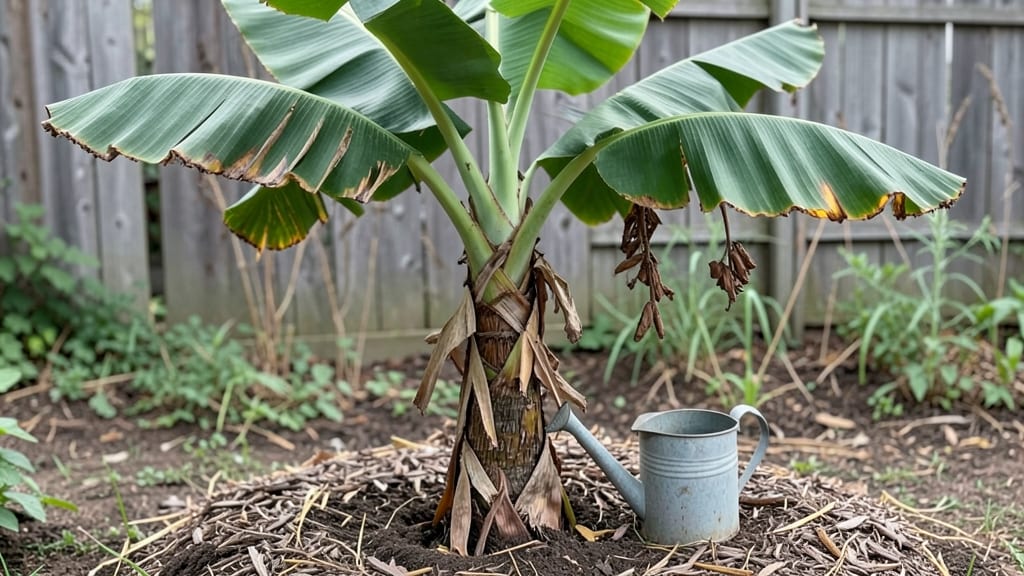
Caring for a banana palm tree in the Pacific Northwest means embracing its tropical roots while prepping for chilly winters. ✨ These frost-resistant giants thrive with the right balance of sun, soil, and seasonal adjustments—something I learned after my first palm nearly froze in a surprise late frost.
The key is mimicking their native conditions without overcomplicating things.
You’ll need well-draining soil with a slightly acidic pH (6.1-6.5), regular watering during summer’s heat, and morning sunlight to avoid scorching. In winter, mulch heavily and protect younger fronds—my 10-year-old palm survived last year’s 20°F dip with just a burlap wrap.
The payoff? Year-round tropical vibes even when neighbors shiver through gray skies.
Pruning is minimal but strategic: remove dead fronds at the base and trim yellowing leaves in early spring. This keeps the tree healthy and upright while encouraging new growth.
With consistent care, your banana palm will grow 6-10 feet tall in 3-5 years, becoming a lush focal point that outshines most Pacific Northwest plants.
Whether you’re in Seattle’s rain or Portland’s fog, these tips adapt easily—just adjust watering for your microclimate. The secret? Patience and a little frost-proofing. Let’s get your palm thriving for decades.
📚 In This Guide
- What you need
- Instructions
- Tips and common mistakes
- Wrapping up and next steps
What you need
- ● Pruning shears – Bypass-style, sharp, and sterilized (1 pair, 8–12" blades).
- ● Loppers – For thicker fronds (1 pair, 20–24" reach).
- ● Pruning saw – For large, woody stems (1, with a curved blade).
- ● Gloves – Heavy-duty, cut-resistant (1–2 pairs).
- ● Disinfectant – 70% isopropyl alcohol or bleach solution (1 bottle).
- ● Mulch – Organic (wood chips) or inorganic (gravel) (5–10 gallons, 2–3" layer).
- ● Slow-release fertilizer – Balanced (10-10-10 or 8-3-9) (1–2 bags, 10–20 lbs).
- ● Watering can or hose – With adjustable nozzle (1).
- ● Tarp or drop cloth – For cleanup (1, 6’x8’ or larger).
- ● Frost cloth or burlap wraps – For winter protection (1–2 rolls).
- ● Soil moisture meter – To monitor drought stress (1).
- ● Epsom salt – For magnesium boosts (1 lb).
- ● Compost or worm castings – For nutrient-rich soil (1–2 bags).
- ● Stake & ties – For young/unstable trees (1 set).
Step-by-step guide to banana palm tree care in the Pacific Northwest
Here’s how I’ve kept my banana palms thriving through PNW winters—no tropical drama required.
🌱 Step 1: Choose the Right Variety for Cold Hardiness
The first rule? Pick a frost-tolerant cultivar like Musa basjoo or Musa acuminata ‘Dwarf Brazilian.’ These varieties handle 20-25°F dips better than tropical relatives. I always check the USDA Hardiness Zone map—PNW’s Zone 7b-9a works for these cold-resistant types.
Mature banana palms store energy in their trunks, helping them survive winter. Younger plants need extra protection, so I plant them in sheltered spots near south-facing walls where they get afternoon sun but avoid harsh winds. The goal is to mimic their native subtropical climate as closely as possible.
☀️ Step 2: Position for Sunlight and Shelter
Banana palms crave full sun—at least 6-8 hours daily—but they also need winter protection. In my PNW garden, I place them where they get morning sun and afternoon shade from nearby trees or structures. This balances growth and frost avoidance.
Watch for leaf scorch in summer—if edges turn brown, it’s a sign of too much direct afternoon sun. Mulch heavily with 3-4 inches of organic matter (like wood chips) to insulate roots. I also wrap the base of young trunks with burlap in late fall to shield them from cold winds.
💧 Step 3: Water Deeply but Strategically
Banana palms hate soggy roots, so I water deeply once a week during summer, letting the soil dry 2-3 inches down before the next watering. In winter, I cut back to every 2-3 weeks, only watering if the soil feels bone-dry. Overwatering in cold months leads to root rot.
Use a moisture meter to check—if it reads dry below 2 inches, it’s time to water. I always water at the base, avoiding leaves to prevent fungal diseases like leaf spot. A drip irrigation system set to shallow depth works best for consistent moisture without wetting foliage.
✂️ Step 4: Prune and Protect for Winter
In late fall, I remove any yellow or damaged leaves with clean, sharp pruners, cutting back to healthy green tissue. This reduces winter stress. For mature palms, I leave some old fronds—they act as natural insulation. I also apply a 2-inch layer of mulch around the base to protect roots from freezing.
When temperatures drop below 30°F, I cover the crown with burlap or frost cloth, securing it loosely to allow airflow. Never use plastic—it traps moisture and causes rot. In my garden, I’ve seen palms survive 15°F with this method, though severe freezes may still damage leaves.
🌿 Step 5: Fertilize for Resilience
Feed banana palms twice a year—once in early spring with a balanced 10-10-10 fertilizer and again in early summer with a potassium-rich formula (like 5-10-10) to strengthen cold tolerance. I always water deeply before and after applying fertilizer to prevent root burn.
In fall, switch to a low-nitrogen, high-potassium fertilizer to harden the plant for winter. Avoid fertilizing after September—new growth is more vulnerable to frost damage. I also add compost to the soil annually to improve drainage and nutrient retention.
Tips & tricks for perfect Pacific Northwest banana palm tree care
A few key strategies will help you keep your banana palms thriving through PNW winters without the usual tropical challenges.
The Variety Matters: While Musa basjoo and Musa acuminata 'Dwarf Brazilian' are your best bets for Zone 7b-9a, don't overlook Musa textilis if you're in a slightly warmer microclimate. These varieties can handle those critical 20-25°F dips that would kill tropical relatives. I've seen mature specimens recover beautifully even after hitting 15°F with proper protection—though I still don't recommend pushing their limits!
Sunlight Strategy: That 6-8 hours of full sun requirement is non-negotiable for vigorous growth, but the PNW's intense afternoon sun can cause leaf scorch. Here's my trick: plant near a deciduous tree that provides shade during summer afternoons but lets full sun through in winter when leaves aren't present. This natural sun filter prevents scorch while maintaining growth energy.
Winter Protection Pro Tips: When temperatures drop below 30°F, I double down on protection by combining the 2-inch mulch layer with a burlap wrap around the trunk. For extra insurance in particularly cold years, I add a straw mulch layer on top of the regular mulch—this creates an insulating blanket that can make the difference between survival and damage during those rare 15°F nights.
Fertilizing Timeline: That twice-a-year feeding schedule is perfect, but timing matters more than you might think. I apply the spring 10-10-10 fertilizer right after the last frost date in my area (usually mid-April), and the summer 5-10-10 around early July. The fall switch to low-nitrogen happens precisely in mid-September—any later and you risk encouraging tender new growth that won't survive winter. Think of it as giving your palm a "winterizing" fertilizer cocktail.
Pro Tips for Banana Palm Tree Care
- A few key strategies will help you keep your banana palms thriving through PNW winters without the usual tropical challenges.
- The Variety Matters: While Musa basjoo and Musa acuminata 'Dwarf Brazilian' are your best bets for Zone 7b-9a, don't overlook Musa textilis if you're in a slightly warmer microclimate.
- Sunlight Strategy: That 6-8 hours of full sun requirement is non-negotiable for vigorous growth, but the PNW's intense afternoon sun can cause leaf scorch.
Frequently asked questions
Got questions about keeping your banana palm thriving in the Pacific Northwest?
Here are answers to the most common concerns—from frost prep to pruning hacks—so you can grow with confidence!
How cold can banana palms tolerate?
Most banana palms (like Archontophoenix cunninghamiana) handle brief dips to 20°F (-6°C), but prolonged frost below 25°F (-4°C) risks damage. In the PNW, mulch heavily and wrap trunks in burlap for extra protection. Young palms are more vulnerable—consider potted varieties for flexibility!
When should I prune my banana palm?
Prune dead or yellowing fronds year-round, but focus on late winter/early spring (Feb–March) for major shaping. Avoid heavy pruning in fall—it stresses the tree before winter. Never remove more than 1/3 of the fronds at once! Use sterilized tools to prevent disease.
Can I grow a banana palm in a pot?
Potted banana palms thrive in the PNW’s mild winters and are easier to move indoors if frost hits. Use a large container (18"+ diameter) with drainage holes and a well-draining mix (cactus soil + perlite). Repot every 2–3 years and fertilize lightly in spring/summer.
Why are my palm fronds turning brown?
Brown tips often signal underwatering, salt buildup, or pests (like spider mites). Check soil moisture—banana palms like consistently moist (not soggy) soil. Flush the root zone with water to remove salts, and inspect fronds for webs or tiny bugs. Neem oil helps treat infestations naturally.
Are there frost-resistant alternatives to banana palms?
Yes! If you want palm-like foliage with better cold tolerance (15°F/-9°C), try:
- Windmill Palm (Trachycarpus fortunei) – Hardy and low-maintenance.
- Dwarf Palmetto (Sabal minor) – Thrives in USDA Zone 7.
- Needle Palm (Rhapidophyllum hystrix) – Nearly indestructible and shade-tolerant.
Wrapping up and next steps
Caring for your banana palm tree in the Pacific Northwest is totally doable—even with cooler climates! 🌱 With the right pruning techniques, frost protection, and soil prep, you’ll have a thriving, tropical-looking centerpiece that stands up to the elements.
Remember, consistency is key: monitor growth, trim strategically, and shield young plants from unexpected chills.
Ready to watch your palm flourish? Grab your pruners and start small—perhaps with just one section of the tree this season. Your green thumb is closer than you think! 🌿