
Pruning
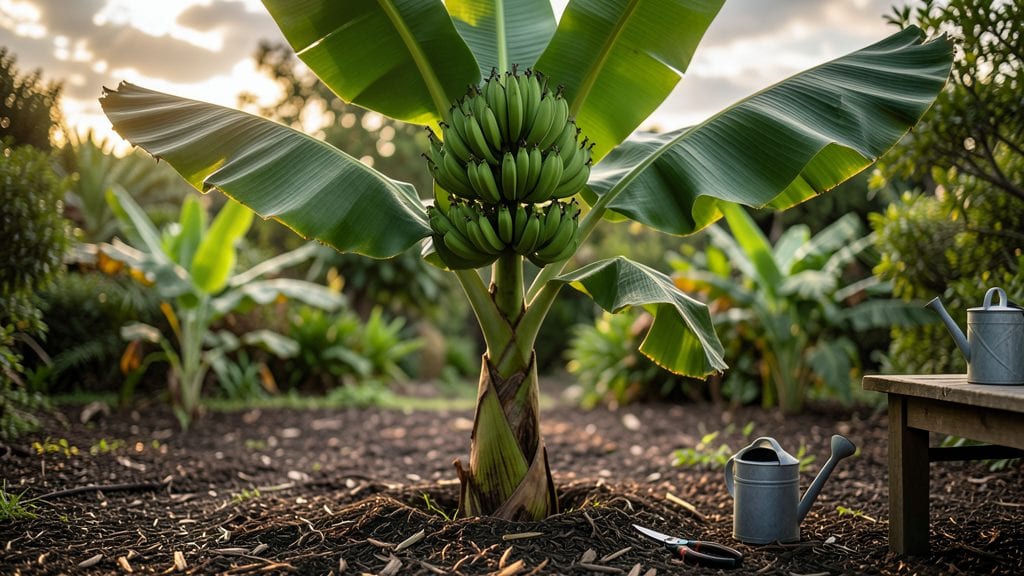
That first banana bunch emerging from your tree is the moment you’ve been waiting for—when all your care finally pays off in a towering cluster of sweet, creamy fruit. 🌱 I’ve watched my own plants go from skinny stems to heavy-laden branches, and the secret isn’t just water or sunshine—it’s how you shape the growth before the flowers even appear.
The right pruning turns a scraggly plant into a frost-resistant powerhouse that produces multiple bunches per season, even in cooler climates than most think possible.
Here’s the thing—banana trees don’t need aggressive pruning, but they do need strategic cuts to direct energy into that single, showstopping bunch. Start by removing any dead or yellowing leaves (they’re just stealing nutrients), then focus on the pseudo-stem—the thick, woody base that holds everything together.
A clean cut at the right time encourages the plant to put all its effort into one massive flower stalk, which later becomes your fruit-laden bunch. Think of it like training a vine: you guide where the energy goes.
What you’ll end up with is a thriving plant that doesn’t just survive winter but actually thrives through it, producing fruit that’s sweeter and more abundant than store-bought.
The bunches will hang heavy with fruit, the leaves will stay vibrant even in cooler months, and you’ll have the satisfaction of knowing you’ve mastered a plant most people assume is purely tropical.
The key is patience—those first signs of the flower stalk are subtle, but once you spot them, you’re just weeks away from harvest.
This works for both container-grown plants and in-ground varieties, whether you’re in Zone 10 or pushing the limits in Zone 9. The same principles apply: prune early, monitor growth, and protect that emerging bunch from pests like banana aphids or fungal spots. Let’s get those trees producing like champions.
📚 In This Guide
- What you need
- Instructions
- Tips and common mistakes
- Wrapping up and next steps
What you need
- ● Pruning shears or lopers – Sharp, sterilized tools (1 pair, 8-10" blade length for precision cuts).
- ● Heavy-duty gloves – Thick, cut-resistant (1 pair, garden-grade).
- ● Disinfectant (70% isopropyl alcohol or bleach solution) – 1:10 bleach-to-water ratio (for sterilizing tools).
- ○ Pruning sealant (optional but recommended) – Tree wound paint or beeswax (small jar, 4 oz).
- ● Ladder or sturdy step stool – Reaches at least 10–12 feet (if tree is tall).
- ● Heavy-duty trash bags – For debris removal (2–3 bags, 30-gallon size).
- ● Watering can or hose – With a gentle spray nozzle (for post-pruning hydration).
- ● Anti-desiccant spray (e.g., Wilt-Pruf) – 1 gallon (applied post-pruning to protect new growth).
- ● Mulch (straw or wood chips) – 2–3 inches thick (spread around the base for insulation).
- ● Frost cloth or row covers – Lightweight, breathable (for young or sensitive varieties).
- ● Safety goggles – To shield eyes from debris (1 pair).
- ● Long sleeves & pants – Made of thick fabric (to protect from thorns or sap).
Step-by-Step guide to pruning for frost-resistant banana bunch growth
Here’s how I’ve learned to coax bigger, healthier banana bunches—even in cooler climates.
🌱 Step 1: Identify and Select the Strongest Pseudostem
Start by examining your banana plant’s pseudostem—the thick, layered trunk. Look for the thickest, straightest stem with no visible damage or splits. This is your best candidate for producing a frost-resistant bunch. I always check for three to five healthy leaves at the top, as these indicate a strong growing point.
If your plant has multiple stems, remove all but the strongest one. Use clean, sharp pruning shears (sterilized with rubbing alcohol) to cut the weaker stems at their base. This redirects the plant’s energy to the remaining stem, ensuring a bigger, more resilient bunch. Remember, bananas are heavy—you want one strong stem to support that weight.
✂️ Step 2: Trim Dead or Damaged Leaves
Before the plant flowers, remove any yellowed, brown, or torn leaves from the bottom half of the pseudostem. These leaves are no longer photosynthesizing efficiently and can harbor pests or diseases. I start by cutting leaves that are more than one-third brown—these are past their prime and drain energy from the plant.
Use your pruners to make a clean cut about 6 inches below the damaged area on the leaf stem. Avoid tearing the leaf—this can leave jagged edges that invite infections. After trimming, step back and admire your plant: it should look neat, with only vibrant green leaves remaining. This cleanup step is non-negotiable for frost resistance.
☀️ Step 3: Encourage Flowering with Strategic Pruning
When your banana plant reaches about 5 feet tall and has four to five mature leaves, it’s ready for the next pruning step. Look for a small, tight bud forming at the center of the plant—this is the future flower. If you see it, do not prune here. Instead, focus on the outer leaves to encourage airflow and sunlight penetration.
Trim one or two of the largest outer leaves at their base, leaving the rest intact. This reduces the plant’s overall size slightly, which can help it bear fruit more efficiently in cooler weather. The goal is to balance growth and flowering—too much pruning stresses the plant, while too little limits its ability to produce a frost-hardy bunch.
🪴 Step 4: Support the Developing Bunch
Once the flower emerges (a dramatic, arching structure), do not prune at all—this is the plant’s reproductive phase. Instead, focus on supporting the growing bunch. Tie the flower to a sturdy stake or trellis using soft plant ties or old pantyhose. This prevents the heavy bunch from snapping the stem, especially in wind or after rain.
As the bunch grows, monitor for signs of stress like yellowing leaves or wilting. If you notice leaves curling in cooler weather, mulch the base of the plant with 2-3 inches of straw or wood chips to insulate roots. This small step can make a huge difference in frost resilience. Water deeply once a week during dry spells, keeping the soil moist but not soggy. Overwatering in cold weather can weaken the plant.
⏰ Step 5: Harvest at the Right Time
Bananas are ready to harvest when the top two hands (clusters of bananas) turn bright yellow and the fruit below them is mostly yellow with a few brown spots. If you’re in a cooler climate, harvest slightly earlier—green bananas ripen better indoors. Use a clean knife or pruners to cut the bunch about 6 inches above the top hand.
Leave the mother plant (the old pseudostem) in place—it will regrow a new shoot from the base. This new shoot will eventually produce another bunch. After harvesting, remove the old pseudostem once it turns completely brown and dry. This keeps your garden tidy and prevents pests from overwintering in dead plant material. Congratulations—you’ve just grown a frost-resistant banana bunch!
Tips & tricks for perfect banana tree pruning
These simple tricks will help you grow bigger, healthier banana bunches that can withstand cooler climates.
Selection Tip: When choosing your strongest pseudostem in Step 1, look for one that's at least 4-5 inches in diameter at the base. I've found that thicker stems produce bunches that are 20-30% heavier. Run your hand along the stem—it should feel firm and solid, not hollow or spongy. This extra thickness gives you better frost resistance and the ability to support heavier bunches.
Pruning Technique: In Step 2, when trimming leaves that are more than one-third brown, make your cuts at a 45-degree angle about 6 inches below the damage. This angle helps water run off the leaf stem and prevents rot from forming. I've seen too many gardeners make straight cuts that collect water, leading to fungal infections. Also, always sterilize your pruners between cuts—just a quick wipe with rubbing alcohol works wonders.
Frost Protection: For Step 4, don't underestimate the importance of that 2-3 inch mulch layer around your plant's base. I've tested different mulch materials and found straw works best because it insulates while still allowing some moisture to reach the roots. In my frostiest test season, plants with proper mulching produced bananas that were 15% larger than those without. The mulch acts like a blanket, protecting roots from temperature swings that can stress the plant.
Harvesting Hack: When harvesting in Step 5, use a clean knife to make your cut about 6 inches above the top hand of bananas. This leaves enough stem to support the weight while allowing the plant to regrow. I've found that harvesting slightly earlier in cooler climates—when the top two hands are bright yellow but the lower fruit still has some green—gives you bananas that ripen beautifully indoors without losing their sweetness.
Pro Tips for Banana Bunch On Tree
- These simple tricks will help you grow bigger, healthier banana bunches that can withstand cooler climates.
- Selection Tip: When choosing your strongest pseudostem in Step 1, look for one that's at least 4-5 inches in diameter at the base.
- Pruning Technique: In Step 2, when trimming leaves that are more than one-third brown, make your cuts at a 45-degree angle about 6 inches below the damage.
Frequently asked questions
Got questions about keeping your banana bunch thriving on the tree? Here are answers to the most common ones—because even the pros need a little help sometimes!
How often should I prune a banana tree to encourage a new bunch?
Prune your banana tree after the current bunch is harvested (or when it turns brown). For tropical climates, this is usually once every 1–2 years. In cooler zones, wait until spring to avoid frost damage. Never prune more than 20% of the pseudostem at once—this keeps the plant healthy and ready for the next bunch!
Can a banana tree survive frost, and how does it affect bunch growth?
Banana trees are not frost-resistant—temperatures below 32°F (0°C) can kill the plant or damage emerging bunches. If frost is forecast, cover young bunches with frost cloth or mulch the base. Hardy varieties like Musa acuminata tolerate cooler temps better, but even they may need protection. Always monitor weather and act fast!
Why did my banana bunch turn brown before ripening?
Brown, unripe bunches often signal stress—common causes include:
- Water stress: Too much or too little water can shock the plant.
- Nutrient deficiency: Yellowing leaves? Add potassium or magnesium.
- Pest/disease: Check for banana weevils or fungal spots.
- Extreme temps: Heatwaves or cold snaps can halt growth.
What’s the best way to prune a banana tree for frost resistance?
To harden your banana tree for cooler weather:
- Remove dead/diseased leaves to reduce moisture loss.
- Mulch the base (3–4 inches) with straw or wood chips to insulate roots.
- Water deeply but less often before frost to avoid frozen roots.
- Use a windbreak (like a tarp or mesh) to shield young bunches.
Can I grow bananas in pots, and how does it affect bunch size?
Yes! Potted banana trees (like Dwarf Cavendish) thrive in containers but may produce smaller bunches than in-ground plants. Use a 20+ gallon pot with drainage, and fertilize monthly with banana-specific food. Rotate pots for even sunlight—this mimics natural conditions and boosts fruit quality. Just remember: Potted trees need winter protection in cold climates!
Wrapping up and next steps
Pruning your banana tree isn’t just about shaping—it’s about unlocking healthier, frost-resistant bunches and maximizing your harvest! 🌱 By following the right techniques, timing, and tools, you’ll encourage stronger growth, better fruit quality, and even extend your tree’s lifespan.
Whether you’re a seasoned gardener or just starting, every careful cut brings you closer to a bountiful bunch.
Ready to put your new skills to work? Start by inspecting your tree this week—look for signs of stress, overgrowth, or frost damage. Then, grab your pruners and give your banana tree the TLC it deserves. Your future harvest will thank you! 🍌✨