
Pruning
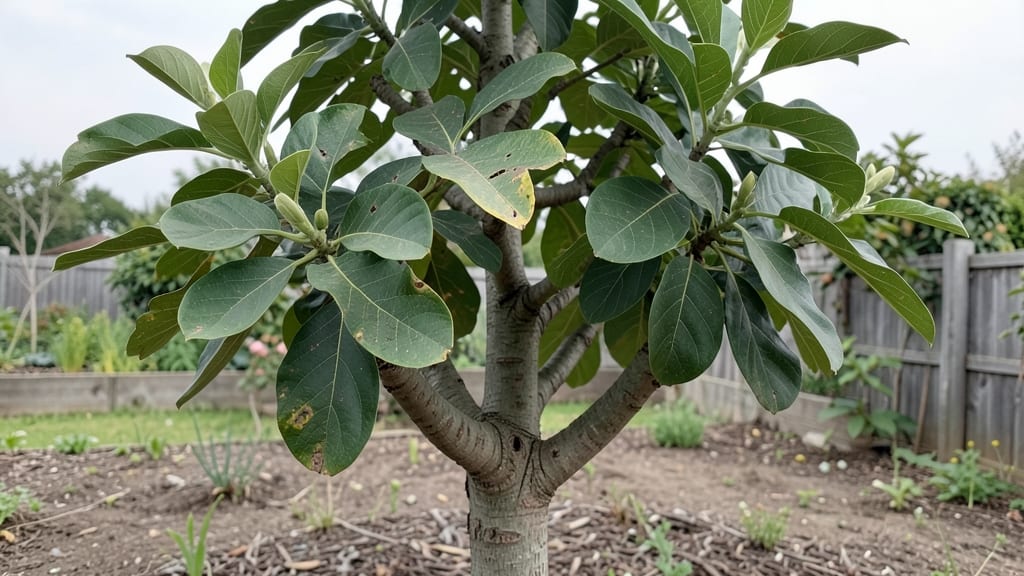
Pruning avocado trees in Mexico isn’t just about shaping branches—it’s the secret to year-round fruit production that thrives in the country’s warm climate. 🌿 I’ve spent years watching how strategic cuts transform wild Mexican varieties like Hass and Hass-derived types into reliable harvesters, even in the heat.
The key? Pruning isn’t seasonal here—it’s a year-long conversation with your tree.
You’ll need sharp pruners, a ladder (for taller trees), and a clear understanding of when to cut: light shaping in summer, heavy pruning after harvest, and minimal winter touch-ups.
Mexican avocados hate cold snaps, so pruning too hard in winter stresses them. Instead, focus on removing dead wood and opening the canopy to airflow—this prevents fungal issues that ruin fruit quality.
What you’ll get is a tree that bears fruit every 8-10 months instead of once a year, with heavier crops and easier access to the fruit.
The first harvest after proper pruning is shockingly lush—neighbors will ask how you do it. Plus, the tree stays compact enough to manage without a forklift.
Works for backyard orchards, urban lots, or even container-grown trees on patios. The same principles apply whether you’re growing Hass, Fuerte, or a local Mexican variety. Let’s get those branches in shape for a harvest that never stops.
📚 In This Guide
- What you need
- Instructions
- Tips and common mistakes
- Wrapping up and next steps
What you need
- ● Pruning shears: Bypass shears (sharp, clean, and sterilized with rubbing alcohol) for precise cuts on branches up to ½ inch thick.
- ● Pruning saw: A curved-tooth saw for thicker branches (1–3 inches in diameter). Look for one with a non-slip grip for safety.
- ● Loppers: For medium-sized branches (up to 2 inches thick), with a long handle (24+ inches) for leverage.
- ● Gloves: Heavy-duty, cut-resistant gloves (e.g., mechanics’ gloves) to protect against thorns and sap.
- ● Pruning sealant: A tree wound sealant (e.g., Tanglefoot Tree Wound Pruning Sealer) to prevent disease entry on large cuts.
- ● Disinfectant: 70% isopropyl alcohol or a horticultural spray (e.g., Concrobium) to sterilize tools between cuts.
- ● Tarp or drop cloth: A 10x10 ft waterproof tarp to catch debris during cleanup.
- ● Rake: A bamboo-handled rake for gathering leaves and small branches.
- ● Extension pole: For high branches, a 10–12 ft telescoping pole with a pruning hook.
- ● Ladder: A stable, non-slip ladder (e.g., aluminum step ladder) for taller trees.
- ● Compost bin: To repurpose pruned branches and leaves as nutrient-rich mulch.
- ● Safety glasses: To shield eyes from debris and sap splashes.
- ● Tree growth regulator: (e.g., Paclobutrazol) for controlling excessive growth in young trees.
- ● Knowledge of avocado varieties: Research Mexican native varieties (e.g., Hass, Fuerte, or Mexicola) to tailor pruning needs.
- ● Climate awareness: Prune during Mexico’s dry season (November–March) to minimize stress.
- ● Tree age: Young trees (light pruning; mature trees benefit from structured shaping.
- ● Local regulations: Check if your area requires permits for large-scale pruning (common in commercial orchards).
Instructions for pruning avocado trees in Mexico’s climate
Here’s how to shape your tree for year-round harvests without sacrificing growth or health.
✂️ Step 1: Assess and Plan Your Cuts by Season
Mexican avocado trees thrive with three distinct pruning phases aligned with climate patterns. First, evaluate your tree’s structure by looking for water sprouts (fast-growing, weak branches) and dead or crossing limbs (those rubbing against others). In dry season (November–March), focus on light shaping cuts to encourage airflow and sunlight penetration—critical for preventing fungal diseases like anthracnose, which thrives in Mexico’s humid coastal regions.
Mark branches for removal with a bright-colored ribbon (I use red) to avoid confusion during execution. Prioritize branches growing toward the center of the canopy, as these block light and reduce fruit production. Remember: Never remove more than 25% of the canopy in one session, or you’ll stress the tree and invite pest attacks like the avocado lace bug, common in Mexico’s warm winters.
☀️ Step 2: Perform Structural Pruning During the Wet Season
Between June and September, when rains replenish soil moisture, make bold structural cuts to reshape the tree. Start by removing suckers (shoots growing from the base or trunk) and weak, thin branches—these compete with fruit-bearing limbs for energy. Use clean, sharp pruning shears (sterilized with rubbing alcohol) to make 45-degree cuts just above a lateral bud or outward-facing branch to encourage outward growth and prevent disease entry.
For larger branches over 1.5 inches thick, use a pruning saw and seal the cut with pruning paint to prevent sap oozing and fungal infections. Step back after each cut: the tree’s silhouette should resemble an open vase shape, allowing sunlight to reach the inner canopy where most fruit develops. In Mexico’s high-humidity zones, this shape also speeds up drying between rains, reducing rot risk.
🌿 Step 3: Light Maintenance Pruning After Harvest
After your main harvest (August–October), perform light maintenance cuts to remove spent flower clusters, diseased leaves, and branches with fruit scars (old attachment points). These cuts stimulate new growth for the next flowering cycle, which in Mexico often begins as early as November in warmer regions. Use bypass pruners for precision—avoid tearing bark, which invites pests like the avocado bark borer.
Watch for epicormic shoots (small shoots sprouting from the trunk or major branches) and remove them immediately. While they may seem harmless, they divert energy from fruit production. Thin out overcrowded foliage to improve air circulation, especially in dense canopies where humidity lingers. Your goal is to balance fruit load with tree vitality—a tree struggling to support heavy fruit will produce smaller, lower-quality avocados.
⏰ Step 4: Sanitize Tools and Monitor for Stress
After pruning, sterilize all tools with a 10% bleach solution (1 part bleach to 9 parts water) to prevent cross-contamination between cuts. In Mexico’s climate, pruning wounds heal faster in dry conditions, so avoid heavy pruning during prolonged rainy spells. Observe the tree for three weeks post-pruning: healthy new growth should appear as bright green leaves along the cuts, while stressed trees may show yellowing leaves or wilting.
If you notice excessive sap flow or blackened edges on cuts, the tree is under stress—reduce future pruning intensity. Apply a balanced fertilizer (10-10-10) around the drip line (not the trunk) to support recovery. In Mexico’s nutrient-rich volcanic soils, organic options like composted manure work well, but avoid over-fertilizing, which can lead to salt buildup in the root zone and further stress the tree.
Tips & tricks for perfect avocado tree pruning in Mexico
Mastering the art of pruning your avocado tree in Mexico’s unique climate takes more than just a pair of shears—it’s about understanding the rhythm of the seasons and the specific needs of your tree.
Seasonal Timing is Everything: The three-phase pruning schedule in Mexico’s climate is non-negotiable. During the dry season (November–March), focus on light shaping cuts to maximize airflow—this is particularly crucial in Mexico’s humid coastal regions where fungal diseases like anthracnose thrive. I’ve seen trees stressed by over-pruning during this period, so stick to the 25% canopy rule. The wet season (June–September) is when you can make bold structural cuts, but only when rains have replenished soil moisture.
Tool Sterilization Prevents Disasters: You wouldn’t think a pair of shears could make or break your tree’s health, but fungal infections from contaminated tools can spread like wildfire in Mexico’s warm climate. I learned this the hard way after losing a young tree to anthracnose—now I sterilize all tools with a 10% bleach solution between cuts. For larger branches, seal cuts with pruning paint immediately after cutting to prevent sap oozing and fungal entry points. This simple step can save your tree from months of recovery.
Shape Matters More Than You Think: The open vase shape isn’t just aesthetic—it’s functional. In Mexico’s high-humidity zones, this shape allows sunlight to penetrate the inner canopy where most fruit develops, while also speeding up drying between rains. When making your 45-degree cuts, always aim just above a lateral bud or outward-facing branch. I’ve watched trees transform from tangled messes to productive orchards simply by following this shape guideline. The difference in fruit quality and quantity is night and day.
Post-Pruning Care Can’t Be Overstated: After pruning, monitor your tree closely for three weeks. Healthy new growth should appear as bright green leaves along the cuts, while stressed trees may show yellowing leaves or wilting. If you notice excessive sap flow or blackened edges, your tree is signaling distress—reduce future pruning intensity immediately. In Mexico’s nutrient-rich volcanic soils, a balanced fertilizer (10-10-10) applied around the drip line (not the trunk) can work wonders for recovery, but avoid over-fertilizing which can lead to salt buildup in the root zone.
Pro Tips for Avocado Tree Mexico
- Mastering the art of pruning your avocado tree in Mexico’s unique climate takes more than just a pair of shears—it’s about understanding the rhythm of the seasons and the specific needs of your tree.
- Seasonal Timing is Everything: The three-phase pruning schedule in Mexico’s climate is non-negotiable.
- Tool Sterilization Prevents Disasters: You wouldn’t think a pair of shears could make or break your tree’s health, but fungal infections from contaminated tools can spread like wildfire in Mexico’s warm climate.
Frequently asked questions
about growing and pruning avocado trees in Mexico—because even the pros need a little guidance! Here are answers to the most common queries to keep your tree thriving.When is the best time to prune an avocado tree in Mexico’s climate?
Prune your avocado tree during its dormant season, typically late winter (February–March) when the tree isn’t flowering or fruiting. In Mexico’s warmer regions, you can also do light pruning after harvest (June–July) to encourage new growth. Avoid heavy cuts during peak fruiting season to prevent stress.
How often should I prune my avocado tree for maximum fruit production?
Young trees (under 5 years) need annual pruning to shape their structure, while mature trees benefit from every 2–3 years. Focus on removing dead wood, crossing branches, and thinning dense foliage. Over-pruning can reduce fruit yield, so balance is key—aim for 10–20% of the canopy per session.
What should I do if my avocado tree’s leaves turn yellow after pruning?
Yellowing leaves post-pruning often signal nutrient deficiency or over-stressing the tree. Check for pests (like spider mites) and ensure it’s well-watered. Apply a balanced fertilizer (like 10-10-10) and avoid heavy pruning in future sessions. If the issue persists, test soil pH—avocados thrive in 6.0–7.0.
Can I prune an avocado tree in Mexico during rainy season (June–October)?
Light pruning is possible during rainy season, but avoid heavy cuts. Wet conditions can spread fungal diseases (like root rot) through fresh wounds. If pruning, use sterilized tools, prune in the morning for quick drying, and apply copper-based fungicide to cuts. Focus on removing only diseased or hazardous branches.
Are there alternatives to traditional pruning for avocado trees in Mexico?
Yes! Try selective thinning—removing only the most aggressive branches to improve air circulation. For organic growers, topiary shaping (like espalier) can work in small spaces. Some farmers also use grafting to replace weak branches with stronger varieties. Always research local best practices, as Mexico’s diverse climates may require adjustments.
Wrapping up and next steps
Pruning your avocado tree in Mexico isn’t just about shaping—it’s your secret weapon for a bountiful harvest year-round! 🌿 By mastering the right techniques (like selective thinning and seasonal trimming), you’ll boost fruit production, improve air circulation, and keep pests at bay.
With patience and the right tools, your tree can thrive in Mexico’s climate, rewarding you with juicy, homegrown avocados for seasons to come.
Ready to take the next step? Start small—pick one branch this week and practice your cuts. Before you know it, you’ll be a pruning pro, turning your backyard into a tropical avocado oasis! 🌱✨