
Pruning
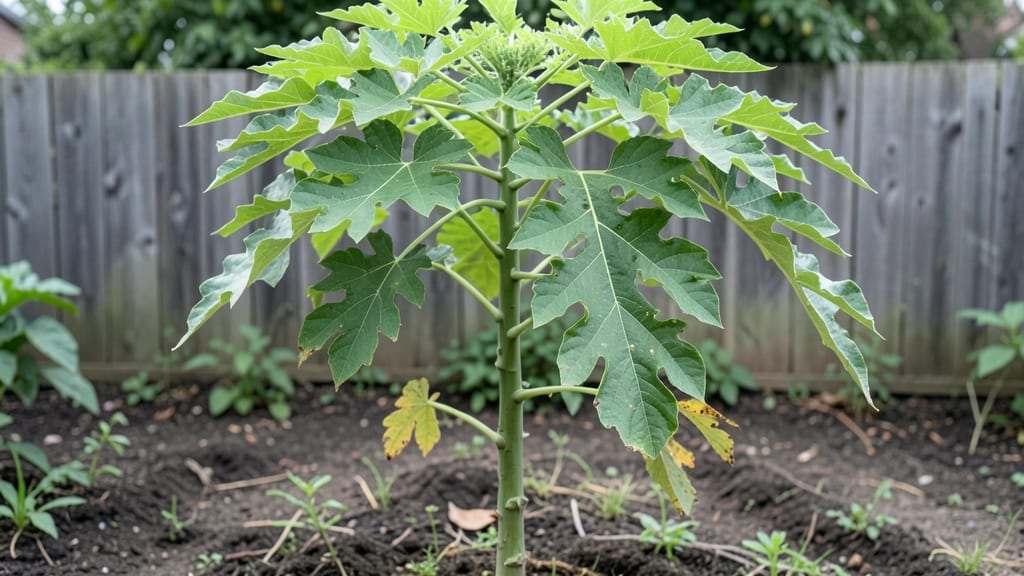
Pruning a young papaya tree in just five cuts unlocks its frost-resistant potential—something I learned after nearly losing my first tree to a surprise late-season chill. 🌱 The key isn’t aggressive trimming but strategic cuts that encourage sturdy growth while protecting tender branches from temperature swings.
Most gardeners overlook how papayas respond to pruning differently than citrus or mangoes, and that’s where the magic happens.
You’ll need sharp pruners, rubbing alcohol for sterilizing cuts, and a sunny spot where temperatures rarely dip below 40°F—even young trees can handle brief cold snaps if pruned right.
The first cut shapes the main trunk, while the next four focus on removing weak branches at their base, leaving only the strongest stems to carry energy upward. This method works for both tropical and subtropical climates, though container-grown trees need extra protection in frost-prone zones.
What you’ll end up with is a tree that looks like it’s been growing for years—not just taller, but thicker and more resilient. Leaves stay glossy green instead of yellowing, and new shoots emerge within 2-3 weeks of pruning, signaling the tree’s recovery.
The best part? You’ll harvest fruit sooner because the plant focuses energy on growth, not repairing damaged branches.
This technique scales from patio containers to backyard plots, and the same principles apply whether you’re growing from seed or a nursery sapling. Start with these five cuts, and you’ll avoid the heartbreak of watching a young papaya struggle—or worse, die—when cold weather rolls in.
📚 In This Guide
- What you need
- Instructions
- Tips and common mistakes
- Wrapping up and next steps
What you need
- ● Pruning shears or bypass pruners – Sharp, clean, and sterilized (avoid dull tools to prevent tearing bark).
- ● Gloves – Thick, cut-resistant gloves (papaya thorns are no joke!).
- ● Disinfectant (70% isopropyl alcohol or bleach solution) – 1 part bleach to 9 parts water (sterilize tools before/after pruning).
- ○ Pruning sealant (optional but helpful) – Tree wound sealant or beeswax (for larger cuts to prevent disease).
- ● Trash bag or bucket – For collecting pruned branches.
- ● Measuring tape or ruler – To ensure cuts are at the right 1/4-inch above a leaf node.
- ● Hand saw – For thicker branches (if your shears can’t handle them).
- ● Ladder or step stool – If your papaya tree is taller than 5 feet.
- ● Notebook & pen – To sketch your tree’s structure before pruning (great for planning!).
- ● Compost bin – To repurpose small pruned branches as mulch.
Simple pruning for frost-resistant papaya tree growth
Here's how to shape your young papaya tree for stronger branches and better cold tolerance.
✂️ Step 1: Remove Weak or Damaged Growth First
Start by inspecting your papaya tree for any branches that look weak, diseased, or physically damaged. These are your first targets—they won't recover and will only drain energy from healthier growth. Use clean, sharp pruning shears to cut just above a leaf node or lateral bud, making a clean diagonal cut. This ensures the wound heals faster and prevents water from pooling.
I always prune in the morning when the tree is hydrated. You'll notice weak branches are often thinner, have yellowing leaves, or show signs of pest activity. Never leave stubs—they invite infections and slow recovery. If a branch is larger than ½ inch thick, sterilize your shears with rubbing alcohol between cuts to prevent spreading any potential pathogens.
🌿 Step 2: Thin Out Crowded Branches for Airflow
Papaya trees grow quickly, and crowded branches compete for sunlight and nutrients. Focus on removing branches that cross or rub against each other, as these will eventually create wounds. Aim to create an open center that allows light and air to circulate freely through the canopy. This is especially important for frost resistance, as good airflow helps branches dry faster after rain and reduces cold stress.
Look for branches growing straight upward—these are the most vulnerable to frost damage. If you have multiple vertical shoots, keep only the strongest one and prune the others back to a lateral bud. You'll see the tree's natural structure emerge as you work, with a more balanced, pyramid-like shape that's better equipped to handle cooler temperatures.
✂️ Step 3: Prune to Encourage Stronger Branch Development
To build a frost-resistant structure, target branches that are growing too close to the ground or those that are too low on the trunk. Cut these back to a strong lateral branch or bud that's at least 12 inches above the ground. This raises the tree's center of gravity, making it more stable in wind and less susceptible to cold damage near the soil.
For each cut, make sure you're leaving a bud that's pointing in the direction you want new growth to go. Papaya trees respond well to pruning, and you'll see new shoots emerge within 2-3 weeks. Avoid over-pruning—never remove more than 25% of the tree's foliage at once, or you'll stress the plant and slow its recovery.
☀️ Step 4: Shape for Better Light Exposure
Papaya trees need plenty of sunlight to thrive, especially in cooler climates. Prune any branches that are shading the center of the tree or blocking light from reaching the lower leaves. Focus on creating a balanced shape where sunlight can penetrate to the inner branches. This not only improves growth but also helps the tree maintain more even temperatures during cold snaps.
Pay attention to the tree's natural growth pattern. If one side is growing more vigorously than the other, you may need to prune back some of the dominant branches to encourage balance. You'll see the tree's leaves turning a deeper green and new shoots appearing along the branches you've pruned—this is a sign the tree is responding well to the shaping.
⏰ Step 5: Final Pruning for Frost Preparation
As the growing season winds down and temperatures begin to drop, do a final light pruning to remove any remaining weak growth or branches that didn't respond well earlier in the season. This is your last chance to shape the tree before winter sets in. Avoid heavy pruning at this stage, as it can stimulate new growth that won't have time to harden off before cold weather arrives.
After pruning, give your papaya tree a deep watering to help it recover and store up moisture for the colder months. You'll notice the tree looking more open and structured, with a stronger framework that's better equipped to handle frost. Keep an eye on it through the winter, and you'll be rewarded with a healthier, more productive tree come spring.
Tips & tricks for perfect young papaya tree pruning
Here's what I learned after shaping dozens of young papaya trees—these tricks will help you avoid common mistakes and create a stronger, frost-hardier plant.
Tool Preparation: Sharpen your pruning shears before you start—dull blades crush stems instead of making clean cuts, which stresses the tree and invites disease. I keep a small file in my gardening toolkit specifically for this purpose. After each cut on branches thicker than ½ inch, wipe the shears with rubbing alcohol to prevent cross-contamination between cuts. This simple step can mean the difference between a healthy recovery and a struggling tree.
Visual Pruning Cues: In Step 2, when thinning crowded branches, look for the "V" shape where branches meet—this is where they'll eventually rub against each other. Cut one of the branches at this junction, always leaving the stronger branch. For vertical shoots in Step 2, imagine drawing an invisible pyramid shape through your tree. Any branches growing outside this pyramid should be pruned back to encourage a more compact, frost-resistant structure.
Seasonal Timing Strategy: The instructions mention pruning in the morning, but I've found that early spring (just as new growth begins) is actually the ideal time for young papaya trees. This gives them the entire growing season to recover before winter. If you must prune later in the season, do it at least 6 weeks before your first expected frost date to allow proper healing. I always mark my calendar with the last pruning date each year to avoid this common mistake.
Recovery Signs to Watch For: After pruning, healthy papaya trees show new growth within 2-3 weeks as mentioned in Step 3. Look for fresh, vibrant leaves emerging from the buds you left behind—these indicate successful pruning. If you don't see new growth within 4 weeks, your cuts may have been too severe or made at the wrong time. In this case, avoid further pruning until spring and focus on keeping the tree well-watered and fertilized.
Pro Tips for Papaya Young Tree
- Here's what I learned after shaping dozens of young papaya trees—these tricks will help you avoid common mistakes and create a stronger, frost-hardier plant.
- Tool Preparation: Sharpen your pruning shears before you start—dull blades crush stems instead of making clean cuts, which stresses the tree and invites disease.
- Visual Pruning Cues: In Step 2, when thinning crowded branches, look for the "V" shape where branches meet—this is where they'll eventually rub against each other.
Frequently asked questions
How often should I prune a young papaya tree?
A young papaya tree benefits from light pruning every 3–4 months to encourage bushier growth and better fruit production. Focus on removing dead or yellowing leaves, and trim back excessive vines to redirect energy. Avoid heavy pruning—just a few strategic cuts (like the 5 in this guide) work wonders!
Can a young papaya tree survive light frost?
Papayas are tropical and not frost-resistant, but young trees with sturdy stems can tolerate brief dips to 32°F (0°C) if protected. Cover the tree with a frost cloth or move potted saplings indoors. If frost hits, prune damaged leaves immediately to prevent disease.
What’s the best time of day to prune?
Prune on a cool, cloudy morning to reduce stress on the tree. Avoid midday heat, which can shock the plant. Sterilize your shears with rubbing alcohol first to prevent bacterial infections. Pro tip: Prune just before rain—water helps heal cuts faster!
Will pruning my young papaya tree delay fruit production?
Not if done correctly! Light, strategic pruning speeds up fruiting by focusing energy on fewer, stronger branches. Over-pruning (cutting >30% of foliage) may delay harvest, but the 5-cut method in this guide keeps your tree productive without stress. Patience pays off—papayas often fruit within 6–12 months of proper care!
What can I do if my young papaya tree’s leaves turn yellow?
Yellow leaves often signal overwatering, nutrient deficiency, or pests. Check soil moisture (it should be slightly dry between waterings) and fertilize with a balanced formula (10-10-10). Inspect undersides for mites or aphids—spray with neem oil if needed. Prune affected leaves to improve airflow.
Are there frost-resistant papaya varieties for young trees?
While no papaya is truly frost-hardy, some varieties like ‘Red Maradol’ or ‘Solo’ tolerate cooler climates slightly better than others. For extra protection, grow your young tree in a container—you can move it indoors or under cover during cold snaps. Greenhouses or sunrooms work great!
Wrapping up and next steps
Growing a papaya young tree with frost-resistant strength is totally within your reach—just remember: precision and patience are your best tools! With the right cuts, timing, and care, your tree will thrive, offering sweet rewards in no time. 🌱✨
Ready to see your efforts bloom? Start today by inspecting your tree—identify those overgrown branches or weak stems, grab your pruners, and give it the fresh start it deserves. Happy pruning!