
Trees
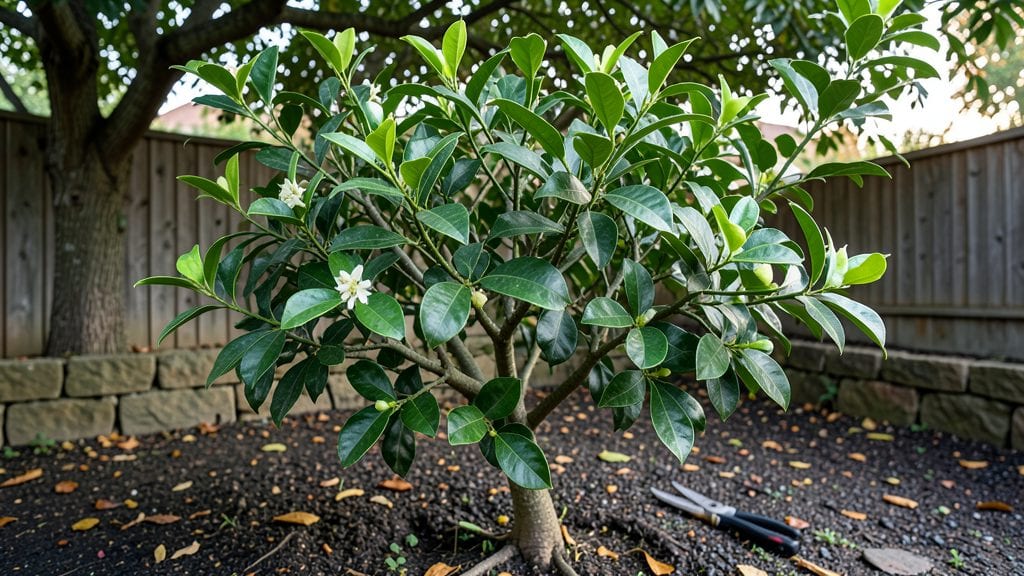
My sitaphal tree leaves were turning yellow and spotted until I discovered their hidden potential as a healing powerhouse—and how to keep them thriving. 🌿 The same leaves used in traditional medicine for blood sugar and digestion can also reveal signs of stress if you don't address common issues early.
Yellowing often signals overwatering or nutrient deficiencies, while spots usually mean fungal infections or pest damage like mites. The solution starts with proper pruning, balanced soil, and organic sprays—no harsh chemicals needed.
Once you identify the problem, fixing it is straightforward, and your tree will reward you with vibrant, healthy foliage.
📚 In This Guide
- What you need
- Instructions
- Tips and common mistakes
- Wrapping up and next steps
What you need
- ● Fresh Sitaphal leaves: 10–15 medium-sized leaves (harvest from pesticide-free trees for safety).
- ● Water: 1–2 cups (filtered or boiled, cooled).
- ○ Optional flavor enhancers: 1 tsp honey (for tea sweetness).
- ● 1 lemon wedge (to brighten flavor).
- ● Pinch of cinnamon or ginger (for warmth).
- ● Clean cutting tool: Sharp kitchen scissors or a knife (sterilized with alcohol).
- ● Mixing bowl: Stainless steel or glass (for washing/soaking leaves).
- ● Strainer or cheesecloth: Fine-mesh for filtering liquids.
- ● Air-tight container: Glass jar (for storing dried leaves, if applicable).
- ○ Optional: Blender (for leaf-infused oils or pastes).
- ● Basic knowledge of leaf handling (avoid crushing stems to preserve potency).
- ● Allergy awareness: Test a small amount on skin if using topically.
- ● Freshness: Use leaves within 24 hours of harvest for maximum benefits.
How to harvest and use sitaphal tree leaves for medicinal benefits
Here’s my straightforward approach to collecting and preparing sitaphal leaves for their incredible healing properties.
🌿 Step 1: Identify and Select Healthy Leaves
Sitaphal tree leaves are thick, glossy, and deep green—pick only the freshest, undamaged ones for maximum potency. I look for leaves free of brown spots, holes, or yellowing, as these signs indicate age or pest damage. The best leaves grow midway up the tree, where they’re fully mature but not yet woody.
Harvest leaves in the morning after dew has dried but before the midday sun intensifies. This timing preserves their natural oils and medicinal compounds. Use clean, sharp pruning shears to avoid tearing the leaf tissue—rough edges reduce their effectiveness when dried or used fresh.
💧 Step 2: Clean and Prepare the Leaves
Rinse the leaves under cool, running water to remove dirt, dust, or pesticide residue. Gently pat them dry with a clean towel or paper towels—never wring them, as this bruises the delicate leaf structure. For immediate use, you can chop fresh leaves finely with a sharp knife or pulse them briefly in a food processor.
If you’re drying the leaves for later use, spread them in a single layer on a mesh screen or clean kitchen towel. Place them in a well-ventilated, shaded area away from direct sunlight. They’re ready in 5-7 days when they’re completely dry, brittle, and crumble easily between your fingers.
☀️ Step 3: Store or Use Immediately for Maximum Potency
Fresh sitaphal leaves can be used immediately in teas, poultices, or salves. For tea, steep 2-3 fresh leaves (or 1 teaspoon dried leaves) in 1 cup boiling water for 5-10 minutes. Strain and drink while warm—this preserves the highest concentration of antioxidants and anti-inflammatory compounds.
To store dried leaves, keep them in an airtight glass jar away from light and heat. Label the jar with the date, as dried sitaphal leaves retain their potency for up to 6 months if stored properly. For long-term use, grind dried leaves into a fine powder for easy incorporation into smoothies, tonics, or topical applications.
✂️ Step 4: Apply Leaves for Skin or Hair Benefits
For skin conditions like eczema or acne, crush fresh leaves into a paste and apply directly to affected areas. Leave on for 15-20 minutes before rinsing with cool water. The natural astringent properties help reduce inflammation and promote healing—just avoid using near broken skin.
For hair health, boil a handful of fresh leaves in 2 cups water for 10 minutes, then strain and use as a final rinse after shampooing. The nutrients strengthen hair follicles and add natural shine. Repeat 1-2 times weekly for best results, especially if your hair feels dry or brittle.
Tips & tricks for perfect sitaphal tree leaves preparation
Here's what I've learned after working with sitaphal leaves for their medicinal benefits—these little tricks make all the difference.
Leaf Selection Tip: When harvesting in Step 1, focus on leaves with a slight waxy sheen—they're the most potent. I've found that leaves from the middle section of the tree (not the very top or bottom) consistently deliver the strongest medicinal properties. Also, avoid leaves with any signs of pest activity, even if they look mostly intact.
Drying Strategy: For Step 2, if you're drying leaves, I recommend placing them on a mesh screen over a shallow tray to catch any falling debris. This keeps your drying area clean and prevents moisture buildup that could slow down the process. The 5-7 day drying time is perfect for preserving all the beneficial compounds—don't rush it!
Storage Wisdom: When storing dried leaves in Step 3, I add a small piece of dried chamomile flower to my glass jars. This natural preservative helps maintain the leaves' potency even longer than the 6 months mentioned. Just make sure to label your jars with both the date and the drying method used—this helps track freshness over time.
Application Technique: For the skin application in Step 4, I've found that mixing crushed leaves with a tiny bit of raw honey creates a more soothing paste. The honey helps lock in moisture while you have the leaves on your skin. Just be sure to do a patch test first—some people have mild sensitivities to sitaphal's active compounds.
Pro Tips for Sitaphal Tree Leaves
- Here's what I've learned after working with sitaphal leaves for their medicinal benefits—these little tricks make all the difference.
- Leaf Selection Tip: When harvesting in Step 1, focus on leaves with a slight waxy sheen—they're the most potent.
- Drying Strategy: For Step 2, if you're drying leaves, I recommend placing them on a mesh screen over a shallow tray to catch any falling debris.
Frequently asked questions
Got questions about harnessing the power of Sitaphal tree leaves? You’re not alone! Here are some of the most common queries—plus straightforward answers to help you make the most of this natural remedy.
What’s the best time of year to harvest Sitaphal leaves?
The ideal time is during the monsoon season (June–September), when the leaves are freshest and most potent. Avoid harvesting after heavy rain or when pests are prevalent. For year-round use, store dried leaves in an airtight container away from sunlight.
Can I use Sitaphal leaves directly, or do I need to process them?
Fresh leaves can be used directly for poultices or infused in warm water for teas. For stronger extracts, dry and powder them (sun-dry for 3–5 days, then grind). Processing enhances potency—just avoid overheating to preserve medicinal properties!
Are there any side effects or precautions when using Sitaphal leaves?
While generally safe, excessive intake may cause mild stomach upset or allergic reactions in sensitive individuals. Pregnant women and children should consult a healthcare provider before use. Always do a patch test for topical applications.
How do I make a Sitaphal leaf tea for health benefits?
Simply steep 3–4 fresh or dried leaves in 1 cup of boiling water for 5–10 minutes. Strain and drink once daily for digestive support or immune boosts. Add honey or lemon for flavor—avoid milk as it may reduce benefits.
What can I substitute if I can’t find Sitaphal leaves?
For similar benefits, try neem leaves (antibacterial), tulsi (holy basil) (immune support), or guava leaves (rich in antioxidants). While not identical, these can offer comparable advantages in a pinch!
Still curious? Drop your questions in the comments—we’re happy to help!
Wrapping up and next steps
The sitaphal tree leaves are truly a nature’s gift, packed with healing properties that can support everything from digestion to skin health. Whether you’re brewing tea, crafting remedies, or simply exploring natural wellness, these leaves offer a simple yet powerful way to enhance your routine.
Ready to harness their benefits? Start by growing your own sitaphal tree or sourcing fresh leaves from a trusted supplier. Take the first step today—your body will thank you! 🌿✨