
Pruning
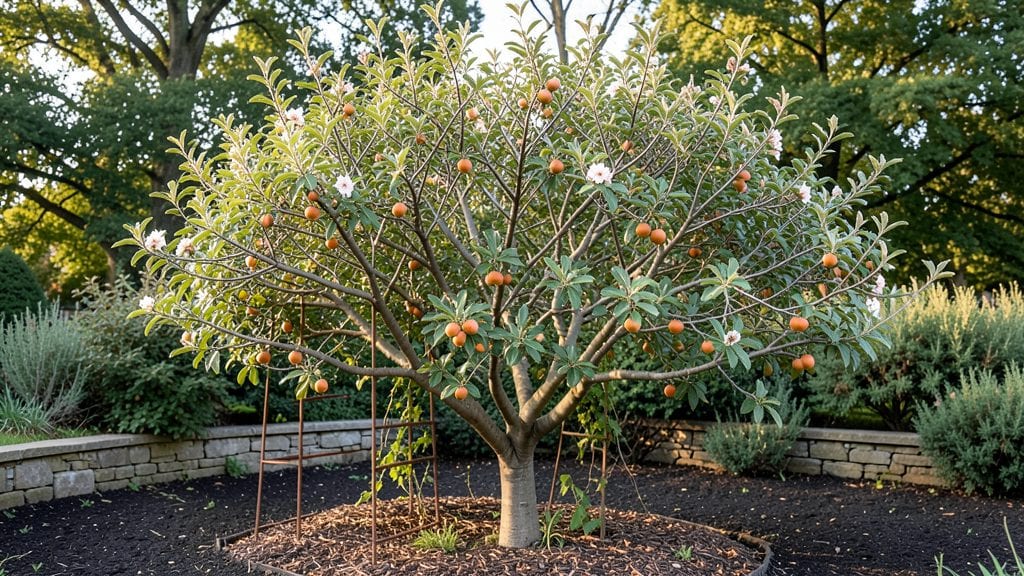
Most apricot trees reach 15-foot perfection by maturity, but their height depends on variety, climate, and how you prune them. 🌳 I learned this the hard way when my first apricot tree shot up to 20 feet before I realized it needed regular shaping.
The right cuts at the right time keep your tree productive, not just tall.
Standard apricot varieties naturally grow 15-25 feet tall, while dwarf varieties stay under 10 feet. Your climate matters too—warmer regions encourage faster growth, while cooler areas may slow it down.
The key is pruning in late winter or early spring before new growth starts, removing one-third of the oldest branches each year to maintain shape and airflow.
With proper pruning, you'll end up with a tree that's easy to harvest from and produces more fruit than a wild, unmanaged specimen. The branches stay strong, the fruit ripens evenly, and you avoid the frustration of reaching for high-hanging apricots. Plus, a well-pruned tree looks stunning in any backyard.
Whether you have a sprawling orchard or a small urban yard, these techniques work. Start with the right variety for your space, and you'll enjoy perfect-sized apricot trees for years to come. Let's get those pruners ready!
📚 In This Guide
- What you need
- Instructions
- Tips and common mistakes
- Wrapping up and next steps
What you need
- ○ Pruning shears: Bypass pruners (sharp, 10-12 inch blades) for small branches. Optional: Ratchet-style for heavy-duty cuts.
- ● Loppers: 18-24 inch reach, for branches ½–2 inches thick.
- ● Pruning saw: Curved-tooth saw for branches 2+ inches thick (avoid dull blades—they crush wood!).
- ● Ladder: Aluminum extension ladder (16+ ft), sturdy and non-slip. Pro tip: 💡 Use a ladder stabilizer for safety!
- ● Disinfectant: 70% isopropyl alcohol or bleach solution (1 part bleach : 9 parts water) to sterilize tools between cuts.
- ● Gloves: Heavy-duty gardening gloves (cut-resistant for thorns!).
- ● Twine or zip ties: 3–4 ft for temporary branch support if needed.
- ● Weather: Prune on a dry, overcast day (avoid frost or extreme heat).
- ● Safety gear: Safety glasses and earplugs (if using a chainsaw for large branches).
- ● Cleanup supplies: Heavy-duty trash bags (20+ gallon) and pruners for debris.
- ○ Optional: Plant wound dressing (like Tanglefoot Tree Wound Pruning Sealer) for large cuts (controversial but useful for disease-prone areas).
Step-by-Step pruning for a 15-Foot apricot tree
Here’s how I shape apricot trees to reach ideal height while maximizing fruit production and structural strength.
🌿 Step 1: Assess Current Growth and Structure
Start by examining your apricot tree’s branches for signs of overgrowth, dead wood, or crossing limbs. I look for scaffold branches—the main structural limbs that form the tree’s framework—typically spaced 12-18 inches apart. These branches should emerge at a 45-degree angle from the trunk for stability.
Use a pruning saw for thick branches over 2 inches in diameter and bypass pruners for smaller limbs. Avoid cutting into the pith (the white center of a branch), as this weakens the limb. If you’re unsure, make a small notch on the underside of the branch before cutting to control the fall.
✂️ Step 2: Remove Problematic Branches
First, eliminate dead, diseased, or damaged branches by cutting them back to healthy wood just outside the branch collar (the swollen area where the branch meets the trunk). Next, remove water sprouts—those fast-growing, vertical shoots that steal energy from fruit production. These should be cut at their base.
If branches are crossing or rubbing against each other, remove the weaker of the two to prevent wounds that invite pests. I also thin out excessive suckers (shoots growing from the base) to redirect energy upward. Always make cuts at a 45-degree angle just above an outward-facing bud to encourage healthy regrowth.
☀️ Step 3: Shape for Optimal Height and Light
To maintain a 15-foot height, focus on selective pruning rather than drastic cuts. Remove low-hanging branches that block airflow or make harvesting difficult, cutting them back to a strong lateral branch. For vertical growth control, prune the leader (the central stem) if it’s growing too aggressively upward.
Open the tree’s canopy by thinning 20-30% of the branches to allow sunlight to reach the center. This ensures even fruit ripening and reduces disease risk. I step back every few cuts to visualize the tree’s shape—aim for an open-center or modified central leader structure, depending on your tree’s natural growth habit.
⏰ Step 4: Time Pruning for Best Results
Prune apricot trees dormant season (late winter or early spring, before buds swell) for the best results. Avoid heavy pruning in late spring or summer, as this can stress the tree and reduce fruit set. If you must prune during the growing season, do so lightly to avoid inviting pests or diseases.
After pruning, apply a wound dressing (like pruning sealant) to larger cuts over ½ inch in diameter to protect against infection. Water the tree deeply to help it recover. I also fertilize lightly in early spring to support new growth, using a balanced 10-10-10 fertilizer spread evenly around the root zone.
🌱 Step 5: Monitor and Maintain Year-Round
Check your apricot tree monthly for new water sprouts or dead branches, removing them promptly. In late summer, perform light pruning to shape the tree further and remove any suckers that appear. This keeps the tree healthy and prevents it from becoming too dense.
Pay attention to fruit load—if the tree is overloaded, thin some fruit to improve size and quality. A well-pruned apricot tree should have a balanced canopy, with sunlight reaching all branches and minimal dead wood. With consistent care, your tree will stay at 15 feet while producing abundant, high-quality fruit.
Tips & tricks for perfect apricot tree height management
Mastering the art of apricot tree pruning takes practice—but these pro techniques will help you maintain that ideal 15-foot height while maximizing fruit production.
Branch Angle Matters: In Step 1, pay special attention to those scaffold branches emerging at 45-degree angles. These aren't just decorative—they're the foundation of your tree's structural strength. If you notice branches growing straight up or down, make a small cut just above an outward-facing bud to redirect growth. I've seen trees grow unevenly because people ignore this detail, leading to weak branch points that snap under fruit weight.
Thinning Strategy: When you're opening the canopy in Step 3, aim to remove about 20-30% of branches—not just any branches, but the ones that are crossing or growing inward. This might seem drastic, but it's what prevents that dense, tangled mess that blocks sunlight. I learned this the hard way after watching my first tree develop a thick center that never produced quality fruit. Step back regularly to visualize the open-center structure you're creating.
Seasonal Timing: The dormant season window in Step 4 is your golden opportunity for major pruning. If you must prune during growing season, keep it light—just remove water sprouts or dead wood. Heavy summer pruning can stress the tree and reduce next year's fruit production. I mark my calendar for late February to early March when buds are still dormant but swelling has just begun—this timing gives the tree maximum recovery time before spring growth.
Equipment Upgrade: For branches over 2 inches in diameter, invest in a sharp pruning saw rather than trying to force bypass pruners. A dull blade tears wood fibers, creating larger wounds that invite disease. I keep my tools clean and oiled between uses, which makes cuts smoother and reduces the risk of spreading pathogens between cuts. The small investment in quality tools pays off in healthier trees.
Pro Tips for Apricot Tree Height
- Mastering the art of apricot tree pruning takes practice—but these pro techniques will help you maintain that ideal 15-foot height while maximizing fruit production.
- Branch Angle Matters: In Step 1, pay special attention to those scaffold branches emerging at 45-degree angles.
- Thinning Strategy: When you're opening the canopy in Step 3, aim to remove about 20-30% of branches—not just any branches, but the ones that are crossing or growing inward.
Frequently asked questions
Got questions about managing your apricot tree’s height? You’re not alone! Here are some of the most common concerns—and straightforward answers—to help you prune with confidence.
How tall can an apricot tree grow if I don’t prune it?
An unpruned apricot tree can reach 20–30 feet tall, depending on the variety and growing conditions. However, most home gardeners keep them between 10–15 feet for easier fruit picking and maintenance. Regular pruning encourages a stronger structure and better airflow, reducing disease risks.
When is the best time to prune an apricot tree to control its height?
Prune your apricot tree during late winter or early spring (before buds swell) for optimal results. Avoid heavy pruning in fall, as it can stimulate new growth that’s vulnerable to frost. Light shaping in summer (after harvest) is also safe but less effective for major height control.
Can I prune an apricot tree too much?
Yes! Over-pruning—removing more than 25% of the canopy in one season—can stress the tree, reducing fruit production. Focus on selective cuts to open the center and remove dead/diseased branches. For height control, prioritize vertical branches and avoid topping (cutting back to a flat surface), which can lead to weak regrowth.
What if my apricot tree isn’t growing tall enough?
If your tree is stunted, check for nutrient deficiencies (like nitrogen), poor drainage, or root damage. Ensure it gets 6–8 hours of sunlight daily and well-draining soil. For dwarf varieties, accept their natural size—most stay under 8 feet. If it’s a standard tree, fertilize in early spring with a balanced 10-10-10 formula.
Are there apricot tree varieties that stay shorter naturally?
Consider dwarf or semi-dwarf varieties like ‘Goldcot’ or ‘Tilton’ (6–10 feet tall) for smaller spaces. These are grafted onto dwarfing rootstock and require less aggressive pruning. Just note they may produce smaller fruit yields compared to full-size trees.
Still unsure? Start small—prune conservatively and observe how your tree responds before making bold cuts!
Wrapping up and next steps
Growing a stunning 15-foot apricot tree is totally within reach with the right pruning techniques! Remember, timing, tools, and technique are your best friends—whether you're shaping young saplings or maintaining mature branches.
With patience and care, your apricot tree will thrive, rewarding you with sweet, sun-kissed fruit and a picturesque landscape centerpiece.
Ready to take the next step? Mark your calendar for the next pruning season and grab those shears—your apricot tree’s future starts with one strategic cut at a time! 🌳✂️