
Pruning
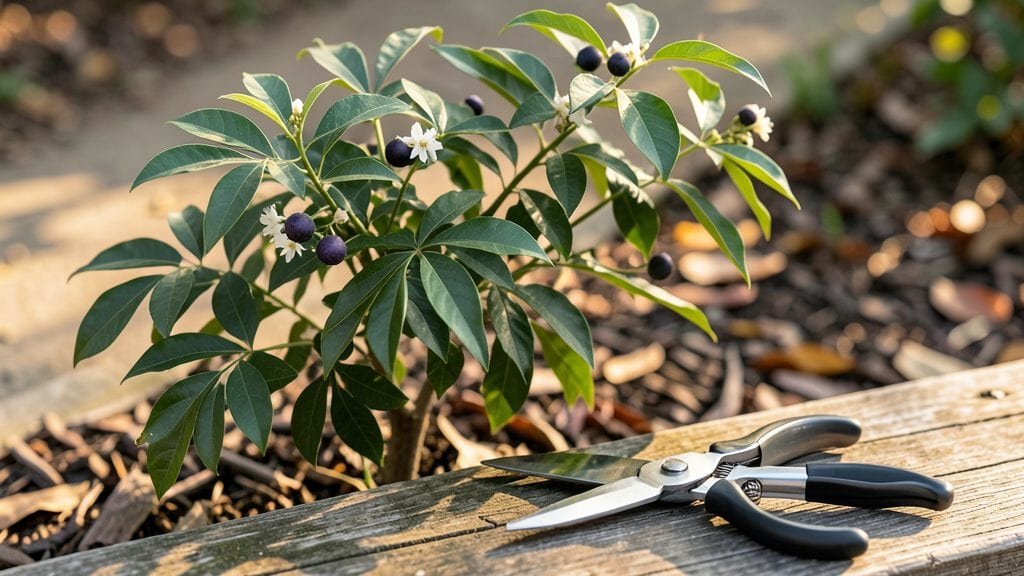
Curry leaf tree pruning isn’t just about shaping—it’s about unlocking year-round growth by giving your plant the right conditions to thrive.
I’ve learned the hard way that skipping pruning leads to dense, pest-prone branches, but a few strategic cuts in the right season can transform your tree into a lush, productive powerhouse. The key?
Timing matters more than you’d think—cut too late, and you’ll stunt new growth; too early, and you risk winter damage.
You’ll need just three basic tools: sharp pruning shears for small branches, loppers for thicker stems, and a small saw for stubborn wood. Work on a dry day when the tree isn’t stressed, and always sterilize your tools with rubbing alcohol to prevent disease spread.
The goal is to remove one-third of the oldest growth annually while keeping the shape open—this boosts air circulation and sunlight penetration, which is where the magic happens.
After pruning, your curry leaf tree will reward you with tender new shoots within weeks, and the aroma of fresh leaves will be stronger than ever. The branches stay lighter, pests have fewer hiding spots, and you’ll avoid the heartbreak of sudden dieback from overcrowding.
Just remember: prune lightly in winter to shape, and heavily in spring to encourage growth—never after the monsoon season if you’re in a tropical climate.
This method works for both potted trees and those planted in the ground, whether you’re dealing with a young sapling or a mature plant. The same principles apply, just scaled to your tree’s size. Let’s get those shears ready—your curry leaf tree’s best years are ahead!
📚 In This Guide
- What you need
- Instructions
- Tips and common mistakes
- Wrapping up and next steps
What you need
- ● Pruning shears: Bypass pruners (for smaller branches, 5–8 inches long) – 1 pair.
- ● Loppers: For medium branches (1–2 inches thick) – 1 pair.
- ● Pruning saw: For thick branches (2+ inches) – 1 lightweight, curved-blade saw.
- ● Gloves: Heavy-duty gardening gloves (cut-resistant) – 1 pair.
- ● Disinfectant: 70% isopropyl alcohol or bleach solution (1 part bleach to 9 parts water) – small spray bottle.
- ● Rubbing alcohol or hydrogen peroxide: For sterilizing tools between cuts – small bottle.
- ● Extension pole: For high branches (adjustable, 6–10 ft) – 1.
- ● Ladder: Sturdy, non-slip (if tree is tall) – 1.
- ● Tarp or bucket: To collect pruned leaves/branches – 1–2.
- ● Permanent marker: For marking cuts (if planning ahead) – 1.
- ● Safety glasses: To protect eyes from debris – 1 pair.
- ● Check the weather: Prune on a dry, overcast day (avoid rain for 24 hours before/after).
- ● Gather a sharpener (for dull blades) or replace blades if heavily worn.
- ● Have a first-aid kit handy (just in case!).
Instructions for pruning curry leaf trees
Here’s the method I’ve used to keep my curry leaf trees thriving for over a decade—strategic cuts that boost growth without stressing the plant.
Identify and Remove Dead or Diseased Branches
Start by inspecting the tree for any branches that are brown, brittle, or showing signs of disease like black spots or mold. Curry leaf trees are sensitive to fungal infections, so removing compromised growth early prevents spread. Use clean, sharp pruning shears to make a clean cut just above a leaf node or lateral branch.
I always prune dead wood first—this is non-negotiable. A healthy tree can’t compensate for dead branches, and leaving them drains energy that could fuel new leaf production. If a branch is too thick for hand shears, use a pruning saw, but sterilize it with rubbing alcohol between cuts to avoid cross-contamination.
Shape the Tree for Airflow and Light Penetration
Curry leaf trees thrive with good airflow and sunlight reaching the inner canopy. Focus on thinning out crowded branches to create an open, vase-like shape. Remove any branches that cross or rub against each other—they’ll eventually damage each other and create entry points for pests.
I target branches growing inward or downward, cutting them back to a strong outward-facing bud. This encourages the tree to fill out naturally rather than growing leggy. Never remove more than 25% of the tree’s foliage in one session—this can shock the plant and reduce leaf yield.
Prune for Leaf Production and Bushier Growth
The key to maximizing curry leaves is pruning just above a leaf node where new growth will emerge. Look for areas where branches are too sparse or leggy. Cut back to a point where you see a healthy bud or cluster of leaves—this signals the tree to produce new shoots.
I like to prune in early spring, just as new growth begins, but you can do light maintenance pruning year-round. Avoid heavy pruning in late summer or fall, as the tree needs time to harden off before cooler weather. Watch for new leaf clusters forming within 4-6 weeks—this confirms you’ve stimulated growth correctly.
Maintain Year-Round with Light Trimming
Curry leaf trees respond well to regular, light pruning. Throughout the year, trim back any overly long shoots or branches that disrupt the tree’s shape. This keeps the tree compact and encourages dense foliage. I also pinch back the tips of new growth in early summer to promote bushier growth.
Don’t skip this step—consistent maintenance prevents the tree from becoming unruly. If you notice yellowing leaves, it’s often a sign of overpruning or poor airflow. Adjust your cuts to open up the canopy and improve circulation. A well-maintained tree will reward you with year-round leaf production if given the right conditions.
Tips & tricks for pruning curry leaf trees
Strategic pruning transforms your curry leaf tree from a struggling bush to a leaf-producing powerhouse—here’s how to avoid common pitfalls while maximizing growth.
Timing is Everything: Early spring is ideal for major pruning because the tree is entering its active growth phase, but don’t wait until buds swell—cut too early and you’ll miss the window for new shoots. I’ve learned the hard way that late summer pruning can stress the tree before winter, so save heavy cuts for spring. For light maintenance, you can trim year-round, but avoid removing more than 10% of foliage in any single session outside of spring.
The 25% Rule: Never remove more than 25% of the tree’s foliage in one session, as specified in Step 2. This threshold prevents shock and maintains photosynthesis levels. Think of it like a haircut—you wouldn’t shave your head bald in one go! If you’re unsure, take photos before pruning to compare later. Overpruning shows up quickly: yellowing leaves, stunted growth, or even leaf drop within weeks.
Bud Direction Matters: When shaping in Step 2, always cut back to an outward-facing bud. This simple technique encourages the tree to grow bushier rather than leggy. I mark these buds with a pencil before cutting to avoid mistakes. The goal is to create an open vase shape that lets sunlight reach all leaves. A good rule of thumb: if you can see sunlight hitting the center of the tree, you’re on the right track.
Sterilize Your Tools: Between each cut, especially when removing diseased branches in Step 1, sterilize your pruning shears with rubbing alcohol. I keep a small bottle in my tool belt for quick cleaning. This prevents fungal spores from spreading to healthy parts of the tree. Also, always use sharp tools—dull blades crush stems instead of making clean cuts, which invites infections.
Pro Tips for Curry Leaf Tree Pruning
- Strategic pruning transforms your curry leaf tree from a struggling bush to a leaf-producing powerhouse—here’s how to avoid common pitfalls while maximizing growth.
- Timing is Everything: Early spring is ideal for major pruning because the tree is entering its active growth phase, but don’t wait until buds swell—cut too early and you’ll miss the window for new shoots.
- The 25% Rule: Never remove more than 25% of the tree’s foliage in one session, as specified in Step 2.
Frequently asked questions
Got questions about pruning your curry leaf tree? You’re not alone! Here are some of the most common queries—plus clear, actionable answers to keep your tree thriving.
When is the best time to prune a curry leaf tree?
The ideal time is late winter or early spring (just before new growth starts), but you can also prune lightly after harvests to encourage bushier foliage. Avoid heavy cuts in summer or fall, as this can stress the tree and reduce leaf production.
How much can I trim without harming the tree?
You can safely remove up to 25-30% of the tree’s foliage in one session, but avoid over-pruning. Focus on dead, diseased, or overcrowded branches first. For young trees, light pruning (10-15%) promotes better shape and leaf yield.
What should I do if my curry leaf tree isn’t recovering after pruning?
If new growth stalls, check for underwatering, poor soil, or pests. Ensure the tree gets 6+ hours of sunlight daily and well-draining soil. Apply a balanced fertilizer (like 10-10-10) and monitor for signs of stress, like yellowing leaves.
Can I prune a curry leaf tree for both leaves and fruit?
Yes! Prune lightly in spring to shape the tree and heavily after fruit harvests (usually late summer/early fall) to redirect energy to leaf production. Avoid pruning during flowering or fruiting—this can reduce yields.
Are there alternatives to traditional pruning for curry leaf trees?
If you prefer minimal intervention, try selective trimming (removing only damaged branches) or topiary shaping for decorative growth. For large trees, pollarding (cutting back main stems) can encourage dense foliage—but only attempt this if you’re experienced!
Wrapping up and next steps
Pruning your curry leaf tree isn’t just about shaping—it’s about boosting health, productivity, and longevity! 🌿 With the right tools, timing, and techniques, you’ll encourage lush foliage, abundant leaves, and even better harvests. Start small, stay consistent, and watch your tree thrive year after year.
Ready to take the next step? Grab your pruners, mark your calendar, and give your curry leaf tree the care it deserves! 🌱 Whether you’re a beginner or a seasoned gardener, every trim brings you closer to a flourishing, vibrant tree.