
Pruning
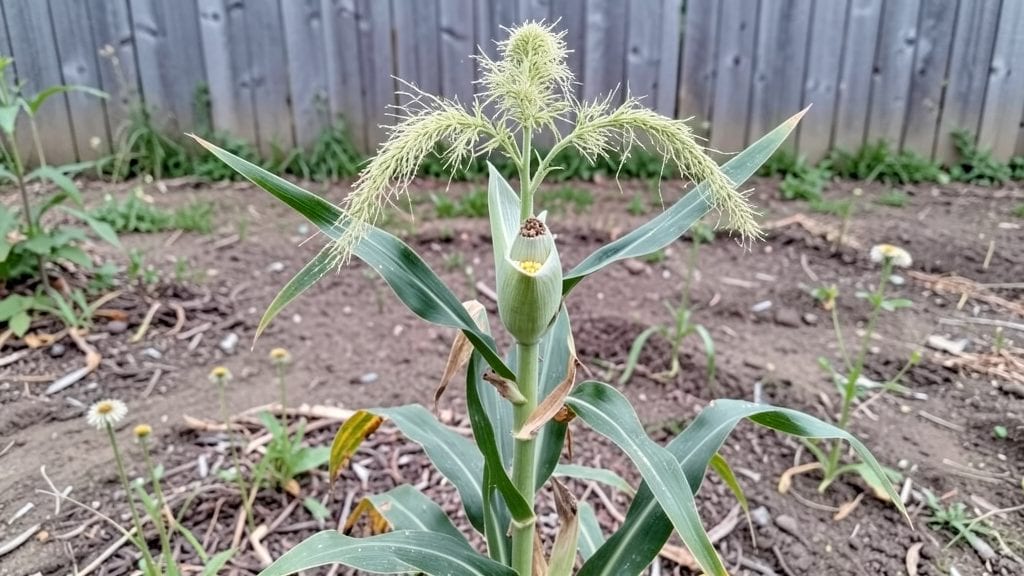
Proper corn tree care ensures your Dracaena fragrans flourishes in the Pacific Northwest—pruning is key to maintaining its lush, arching fronds even after frost.
I’ve learned the hard way that cutting back too late or too aggressively can stunt growth, but mastering the timing turns this plant into a year-round statement piece that handles indoor dryness and outdoor chill alike.
The key isn’t just when you prune, but how you shape it to encourage dense, frost-resistant foliage that keeps its vibrant green hue even when temps dip.
Start with sharp pruners and clean cuts just above a leaf node—this prevents browning and encourages new shoots. My first pruning session in early spring revealed how much healthier the plant looked after removing just the yellowed or overcrowded fronds.
For outdoor corn trees in cooler zones, a light trim in late fall helps toughen the plant before winter, while indoor plants benefit from pruning after they’ve outgrown their space. The goal? Keep the center open for airflow and sunlight, which prevents fungal issues and keeps growth vigorous.
What you’ll end up with is a corn tree that looks nearly indestructible—thick stems, glossy leaves, and a natural shape that works in sunrooms, offices, or even shaded outdoor corners. The best part?
Pruned correctly, it grows 2-3 feet taller per year, making it a low-maintenance way to add height and drama without constant babying. Just avoid the mistake of over-trimming in winter, when the plant’s energy is already focused on survival.
Whether you’re dealing with a towering indoor specimen or a young outdoor plant, the same principles apply. The Pacific Northwest’s damp winters mean outdoor corn trees need shelter from heavy rain, while indoor plants may need occasional misting to mimic humidity.
With these adjustments, your corn tree becomes the ultimate low-fuss, frost-tolerant green machine—one that actually rewards your effort with stunning, year-round presence.
📚 In This Guide
- What you need
- Instructions
- Tips and common mistakes
- Wrapping up and next steps
What you need
- ● Pruning shears: Bypass shears (8–10" blade) for clean cuts on small branches.
- ● Loppers: 16–20" long for thicker branches (up to 2" diameter).
- ● Pruning saw: Curved blade for larger branches (2–4" diameter).
- ● Gloves: Heavy-duty, cut-resistant gloves (e.g., Mechanix or Filson).
- ● Disinfectant: 70% isopropyl alcohol or 10% bleach solution (1 part bleach to 9 parts water) to sterilize tools and prevent disease.
- ○ Sealant: Pruning sealant (optional but helpful for large cuts to prevent decay).
- ● Ladder or step stool: Sturdy, extendable ladder (12–16 ft) or a tall step stool for hard-to-reach branches.
- ● Work bag: Durable bag to carry tools, gloves, and sealant.
- ● Trash bags: Heavy-duty bags (3–5) for collecting pruned branches.
- ● Safety gear: Safety glasses and ear protection (if using a chainsaw for large branches).
- ● Extension cord: For power tools like a chainsaw (if needed).
- ● Tree wrap: Protective wrap for young or frost-sensitive corn trees.
- ● Notebook & pen: To log pruning notes (dates, cuts made, tree health observations).
- ● Mulch: Organic mulch (wood chips or straw) to protect roots in frost-prone areas.
Instructions for pruning corn trees in the Pacific Northwest
Here's how I keep my corn trees thriving through our region's damp winters and mild summers.
Time Your Pruning for Optimal Growth
Prune corn trees in late winter or early spring, just as new growth begins to emerge but before buds break. This timing ensures you remove dead wood while encouraging robust spring growth. In the Pacific Northwest, aim for February through March when temperatures hover around 45-55°F—cool enough to avoid stressing the tree but warm enough for active growth to follow.
Never prune in fall or winter when the tree is dormant. You'll risk leaving cuts exposed to harsh winter winds and frost, which can weaken the tree's defenses. Watch for the first signs of bud swelling—that's your cue to grab your pruners.
Remove Dead, Diseased, or Weak Branches First
Start by identifying and removing any branches that are dead, diseased, or crossing—these compete for energy and invite pests. Look for branches with no green foliage, signs of fungal growth, or those rubbing against others. Cut these back to the main trunk or a healthy lateral branch, making your cuts at a 45-degree angle just outside the branch collar.
Use clean, sharp pruners to make precise cuts—dull blades tear the bark and create larger wounds. Disinfect your tools with rubbing alcohol between cuts to prevent spreading disease. If you find large dead sections, remove them entirely rather than leaving stubs.
Thin the Canopy for Better Airflow
Corn trees benefit from an open canopy that allows sunlight and air to reach the inner branches. Focus on removing 10-20% of the foliage by selectively thinning branches from the inside of the tree outward. This prevents dense shading and reduces humidity-related diseases common in the Pacific Northwest's damp climate.
Start at the top and work your way down, removing branches that grow inward or downward. Aim to create a natural, balanced shape while maintaining the tree's structural integrity. Step back occasionally to assess the overall silhouette—you want light to filter evenly throughout the canopy.
Shape for Frost Resistance and Wind Protection
In the Pacific Northwest, where frost and wind are common, shape your corn tree to minimize damage. Remove any branches that grow too close to the ground, as they're more susceptible to frost and can become tripping hazards. Also, trim branches that extend too far outward—they're more vulnerable to wind breakage during storms.
Encourage a strong central leader by pruning competing vertical branches back to a lateral branch. This creates a sturdy framework that can better withstand heavy snow and ice. Avoid over-pruning; corn trees are resilient but can struggle if you remove more than 25% of the foliage in one season.
Clean Up and Monitor for Recovery
After pruning, rake up and dispose of all debris to prevent disease and pests from taking hold. Apply a balanced, slow-release fertilizer around the base of the tree to support new growth. Water deeply but avoid overwatering, as soggy soil can stress the tree and slow recovery.
Monitor the tree over the next few weeks for signs of stress, such as yellowing leaves or oozing sap. If you see these, reduce watering and avoid further pruning until the tree stabilizes. By late spring, you should see fresh, vibrant growth—proof that your pruning efforts are paying off.
Tips & tricks for perfect corn tree pruning
Here's what I've learned after years of pruning corn trees in our damp Pacific Northwest climate—these tricks make all the difference.
Timing is Everything: The February through March window is critical because it gives your tree time to heal before summer's heat and humidity arrive. I've seen trees stressed by late pruning—look for those first tiny buds swelling on the branches as your cue. If you miss this window and prune too late, your tree might not have enough growing season to recover before winter sets in again.
Tool Prep Prevents Problems: I can't stress this enough—clean, sharp pruners are non-negotiable. Dull blades create jagged cuts that invite disease, especially in our wet climate. Keep a bottle of rubbing alcohol handy to disinfect between cuts. I also recommend having a small pruning saw on hand for any thick branches over 1 inch in diameter that your pruners can't handle.
Canopy Thinning Strategy: When removing 10-20% of foliage in Step 3, focus on creating what I call "air lanes" through the center of the tree. This isn't about making the tree look sparse—it's about improving airflow and sunlight penetration. Think of it like opening windows in a stuffy room; your tree will thank you with better growth and fewer fungal issues. Start at the top and work downward to avoid over-reaching and losing your balance.
Frost Protection Details: In Step 4, pay special attention to branches growing too close to the ground—they're particularly vulnerable to frost damage in our region. I've seen many gardeners overlook these low branches, only to have them die back completely after a hard winter. Also, consider wrapping the trunk with tree wrap or burlap if your corn tree is young or newly planted—this extra protection can make a huge difference in our frost-prone winters.
Pro Tips for Corn Tree Care
- Here's what I've learned after years of pruning corn trees in our damp Pacific Northwest climate—these tricks make all the difference.
- Timing is Everything: The February through March window is critical because it gives your tree time to heal before summer's heat and humidity arrive.
- Tool Prep Prevents Problems: I can't stress this enough—clean, sharp pruners are non-negotiable.
Frequently asked questions
Got questions about keeping your Cornus controversa (or Corn Tree) thriving in the Pacific Northwest? Here are some common ones—and their answers!
When is the best time to prune a Corn Tree in the PNW?
Prune your Corn Tree in late winter or early spring (February–March) before new growth starts. This timing helps avoid frost damage while encouraging healthy, frost-resistant branches. Avoid heavy pruning in fall, as it can stimulate tender growth vulnerable to winter cold.
How do I protect my Corn Tree from frost damage?
Corn Trees are frost-resistant, but young plants or newly pruned branches may need extra care. Mulch the base with 2–3 inches of organic material (like wood chips) to insulate roots. In extreme cold snaps, wrap tender canes with burlap or frost cloth. Water deeply before the first hard freeze to help roots absorb moisture.
Can I prune a Corn Tree too much?
Yes! Over-pruning can stress the tree, reducing its ability to recover. Remove no more than 25% of the foliage in a single season. Focus on dead, diseased, or crossing branches first, and avoid "topping" (cutting back to a stub). Let the tree’s natural shape guide you—Corn Trees thrive with minimal intervention.
What should I do if my Corn Tree isn’t leafing out in spring?
Delayed leafing can signal frost damage, root stress, or disease. Check for blackened or mushy stems (signs of winterkill) and inspect leaves for spots or discoloration. If roots are dry, water deeply and mulch. If the issue persists, test soil pH (ideal: 6.0–7.0) and consider a balanced fertilizer in early spring.
Are there dwarf Corn Tree varieties for small spaces?
If space is limited, try Cornus controversa ‘Variegata’ (dwarf variety) or Cornus sericea ‘Kelseyi’, which stays under 6 feet tall. These retain the tree’s striking foliage and frost-hardiness but fit patios, urban gardens, or container growing. Just ensure they get 6+ hours of sunlight daily.
Wrapping up and next steps
Caring for your corn tree in the Pacific Northwest is all about timing, technique, and patience—especially when it comes to pruning for frost resilience. By mastering the right tools, understanding seasonal cues, and following structured steps, you’ll foster a healthy, hardy tree that thrives year-round.
Remember, consistency is key, whether you’re shaping young branches or preparing for winter’s chill.
Now that you’re armed with the know-how, roll up your sleeves and get pruning! 🌿 Start with a single branch this weekend—you’ve got this! For extra confidence, revisit our FAQs or double-check your tools. Happy growing!