
Pruning
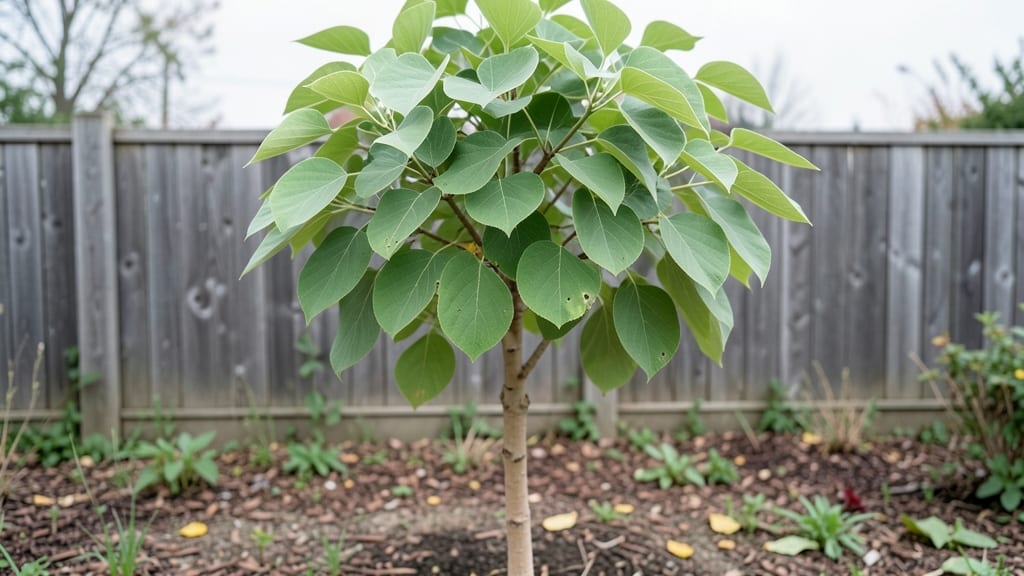
Caring for a young paulownia tree means unlocking frost-resistant growth that thrives in the Pacific Northwest’s unpredictable climate. 🌿 I’ve watched these trees shoot up 6 feet in a single season—only to stress when pruned wrong.
The key isn’t aggressive trimming but strategic cuts that encourage sturdy branching before winter hits.
Start with the right tools: sharp pruners, rubbing alcohol for cuts, and a clear day to avoid sap splatter. Young trees need minimal pruning—just remove dead branches or those growing inward. Wait until late winter or early spring when new growth signals the tree’s readiness to heal.
You’ll end up with a tree that’s stronger than it looks, with a canopy that resists wind and frost better than over-pruned competitors. The secret is patience: let it grow unchecked for its first two years, then shape it gently.
By summer, you’ll see why these trees are called "princess trees"—they’re elegant and resilient.
This method works for Pacific Northwest climates (zones 5-8) where cold snaps test young trees. Skip the heavy-handed pruning—your tree will thank you with lush foliage and fewer winter struggles. Let’s get those branches growing right.
📚 In This Guide
- What you need
- Instructions
- Tips and common mistakes
- Wrapping up and next steps
What you need
- ● Pruning shears: Bypass pruners (sharp, clean, and sterilized with rubbing alcohol to prevent disease). Example: Felco F2 or Corona Tools 4-in-1.
- ● Loppers: For thicker branches (1–2 inches in diameter). Recommended: 20-inch loppers with a ratcheting mechanism for ease.
- ● Pruning saw: Curved-tooth saw for branches over 2 inches thick. Tip: 💡 A bow saw or pruning saw with 7–10 teeth per inch works best.
- ● Gloves: Heavy-duty, cut-resistant gloves (e.g., Mechanix Wear or Wormingers) to protect from thorns and sap.
- ● Disinfectant: 70% isopropyl alcohol or a commercial pruning sealant (e.g., Tanglefoot Pruning Seal) to seal cuts.
- ● Work boots: Sturdy, ankle-supporting boots (Paulownia branches can be heavy when wet!).
- ● Safety glasses: ANSI-rated goggles to shield from debris.
- ● Rake or broom: For clearing fallen leaves/branches post-pruning.
- ● Water: 1–2 gallons in a spray bottle or bucket to hydrate cuts if sealing.
- ● Extension pole: For high branches (e.g., 6–8 ft telescoping pole with pruning head).
- ○ Tree wound dressing: Optional for large cuts (e.g., Tree Seal Tape—✨ only use on wounds larger than 2 inches!).
- ● Notebook & pen: To track pruning dates and growth patterns.
- ● Mulch: Shredded bark or wood chips (2–3 inches deep) to retain moisture and regulate soil temp.
- ● Frost cloth: Lightweight fabric to protect new growth if late frosts are forecasted.
- ● Timing: Prune dormant young Paulownia trees in late winter/early spring (Feb–March) before new growth starts. Avoid pruning in fall to prevent frost damage.
- ● Weather check: Choose a dry, calm day (no rain/frost for 24–48 hours post-pruning).
- ● Safety brief: Ensure no power lines are near the tree—Paulownia can grow tall fast!
- ● Tree health assessment: Inspect for diseased or dead branches (they’ll snap easily—remove first!).
Step-by-Step guide to pruning young Paulownia trees in the Pacific Northwest
Here’s how to shape your fast-growing paulownia while protecting it from PNW’s unpredictable frosts.
✂️ Step 1: Assess Growth and Identify Frost-Damaged Branches
Start by examining your tree in early spring, just as new growth begins to emerge. Look for dead or brown branches—these are often frost-damaged from winter’s chill. Paulownia trees are resilient, but weak branches can harbor pests or diseases. Use your hands to gently flex each branch—if it snaps easily or feels mushy, it’s dead and should be removed.
Focus on branches thinner than ½ inch in diameter for your first pruning. These are the most vulnerable to frost and can be trimmed back to encourage stronger growth. Avoid cutting into the main trunk unless it’s severely damaged, as paulownia trees heal slowly from deep wounds.
✂️ Step 2: Remove Deadwood and Shape for Frost Resistance
Use clean, sharp pruners to make 45-degree cuts just outside the branch collar—the swollen area where the branch meets the trunk. This ensures the tree seals the wound properly. Start with the smallest branches first, working your way up to thicker ones. If a branch is larger than 1 inch in diameter, use a pruning saw to avoid tearing the bark.
Shape the tree to open its center, allowing sunlight and air to circulate. This reduces frost pockets where cold air can settle and damage tender new growth. Aim for a rounded canopy rather than a dense, crowded top. Real talk: Paulownia trees grow fast, so you’ll need to prune at least twice a year—once in early spring and again in late summer—to maintain this shape.
☀️ Step 3: Encourage Strong Branching for Winter Hardiness
After removing deadwood, focus on thinning out competing branches to promote thicker, frost-resistant stems. Choose 3-5 main branches spaced evenly around the trunk and remove any that cross or rub against each other. These competing branches weaken the tree by diverting energy away from root and trunk development.
If your tree has suckers—those aggressive shoots sprouting from the base—remove them immediately. While they might seem harmless, they drain energy from the main trunk, making the tree more susceptible to frost damage. Use a hand trowel to dig down and cut them at the root if they persist.
⏰ Step 4: Time Your Final Pruning for Frost Protection
The best time to finish pruning is late summer, about 4-6 weeks before the first expected frost. This gives the tree time to harden off and seal any wounds before winter. Avoid heavy pruning in fall, as new growth won’t have time to mature before cold sets in. If you must prune in late fall, limit yourself to removing only dead or diseased branches.
After pruning, apply a thin layer of wood ash around the base of the tree to deter pests and improve soil drainage. Water deeply but avoid overwatering—paulownia trees hate soggy roots. Mulch with 2-3 inches of wood chips, keeping it 6 inches away from the trunk to prevent rot. This helps insulate the roots during PNW’s cold snaps.
🌱 Step 5: Monitor and Adjust for Next Year’s Growth
Keep an eye on your tree throughout the growing season. If you notice new branches growing too close together, prune them back in early summer to maintain airflow. Paulownia trees are forgiving, but over-pruning can stress the tree, making it more vulnerable to frost. Aim to remove no more than 20-25% of the canopy in any single pruning session.
By next spring, you’ll see stronger, more frost-resistant growth if you’ve followed these steps. The key is consistency—paulownia trees reward patience with rapid, healthy expansion. If your tree still struggles with frost damage, consider wrapping the trunk in burlap during the coldest months for extra protection.
Tips & tricks for pruning young Paulownia trees
A few strategic approaches will help you master pruning these fast-growing trees while safeguarding them against PNW's notorious frost.
Tool Selection Matters: Invest in a quality pair of bypass pruners for branches under ½ inch and a sharp pruning saw for anything thicker. Dull tools tear bark and create larger wounds that heal poorly. I've learned the hard way—clean cuts are absolutely critical for preventing disease entry points. For branches between ½ and 1 inch, use loppers with extended handles to reach higher branches safely without straining.
Branch Collar Awareness: When making those 45-degree cuts in Step 2, focus on preserving the branch collar—the swollen area where the branch meets the trunk. This natural barrier contains protective tissues that help the tree seal wounds. I once made the mistake of cutting flush with the trunk, and that spot took over a year to properly heal. The collar should always remain intact—it's the tree's natural defense mechanism.
Seasonal Timing Strategy: The late summer timing in Step 4 gives paulownia trees crucial hardening time before frost. If you're in a particularly frost-prone microclimate, consider moving your final pruning to early August. Watch local weather forecasts for the first frost date—this helps you calculate your 4-6 week window more precisely. For extra protection in severe frost zones, apply a thin layer of horticultural wound dressing to large cuts after pruning.
Sucker Management: Those aggressive suckers from the base can be persistent! I've found that digging down with a hand trowel to cut at the root is most effective. For stubborn suckers, apply a small amount of copper-based fungicide to the cut surface to deter regrowth. Remember that each sucker you remove redirects energy to your main trunk, making it more resilient against winter damage.
Pro Tips for Young Paulownia Tree
- A few strategic approaches will help you master pruning these fast-growing trees while safeguarding them against PNW's notorious frost.
- Tool Selection Matters: Invest in a quality pair of bypass pruners for branches under ½ inch and a sharp pruning saw for anything thicker.
- Branch Collar Awareness: When making those 45-degree cuts in Step 2, focus on preserving the branch collar—the swollen area where the branch meets the trunk.
Frequently asked questions
Got questions about nurturing your young Paulownia tree in the Pacific Northwest? You’re not alone! Here are some of the most common concerns—and straightforward answers to keep your frost-resistant beauty thriving.
How often should I prune a young Paulownia tree?
Prune your young Paulownia tree annually in late winter or early spring (before new growth starts). Focus on removing dead, weak, or crossing branches. Avoid heavy pruning—Paulownias respond best to light shaping to encourage strong growth. Over-pruning can stress the tree, especially in colder PNW winters.
Are young Paulownia trees frost-resistant in the Pacific Northwest?
Yes! While mature Paulownias tolerate frost well, young trees (under 3 years old) may need extra protection in harsh PNW winters. Mulch the base, wrap the trunk with burlap, and avoid pruning late in the season. Choose Paulownia tomentosa or Paulownia fortunei hybrids—they’re the hardiest options for Zone 6-7 climates.
Why are the leaves yellowing on my young Paulownia tree?
Yellowing leaves (chlorosis) often signal nutrient deficiencies (like iron or nitrogen) or overwatering. Test your soil—Paulownias prefer well-draining, slightly acidic soil. If roots are waterlogged, amend with compost or sand. Underwatering can also cause stress, so aim for 1-2 inches of water weekly (adjust for rain).
Can I grow a Paulownia tree from seed, or should I buy a young sapling?
While you can grow Paulownias from seed, it’s slow and unpredictable—saplings from nurseries grow faster and are bred for frost resistance. If starting from seed, soak it in warm water for 24 hours and plant in spring. For PNW climates, purchasing a 1-2 year old sapling ensures better survival and quicker establishment.
How do I prune a young Paulownia tree to encourage a fuller shape?
Use the “open-center” approach: Remove 1-2 dominant vertical branches near the base to promote lateral growth. Prune just above a bud or branch collar (never leave stubs). Avoid “topping” (cutting the main stem)—this weakens the tree. For a bushier look, pinch back new growth by 1/3 in early summer.
What should I do if my young Paulownia tree’s branches break in high winds?
Act fast! Remove broken branches immediately with clean, sharp pruners to prevent disease. Seal larger cuts with pruning sealant (optional for small branches). If the tree is young and healthy, it’ll recover. For severe damage, fertilize lightly with balanced 10-10-10 to support regrowth. Monitor for pests or rot in the coming weeks.
Wrapping up and next steps
Growing a young Paulownia tree in the Pacific Northwest is totally doable—especially with frost-resistant varieties and smart pruning! 🌱 By following the right techniques, you’ll encourage strong growth, stunning blooms, and a resilient tree that thrives in your climate. Remember, timing and precision are key, so don’t rush the process.
Now that you’re armed with the know-how, roll up your sleeves and get pruning! Start with small adjustments, monitor your tree’s progress, and soon you’ll have a thriving, healthy Paulownia that’s the envy of the neighborhood. Happy gardening! 🌿