
Pruning
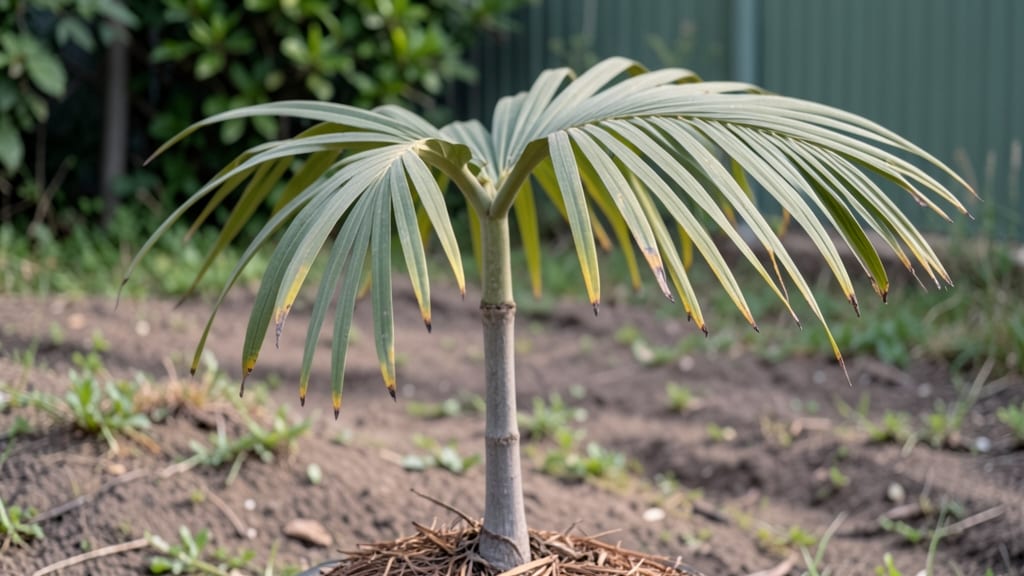
Growing an acai berry palm tree in the Pacific Northwest feels like taming a tropical storm—it’s possible, but you’ve got to outsmart the climate. 🌿 The key is treating it like a high-maintenance houseplant when outdoor winters arrive, not a backyard staple.
I’ve kept mine alive through three winters by bringing it inside before the first frost, and now it’s thriving with glossy fronds and the promise of fruit.
The secret isn’t just warmth—it’s mimicry. Acai palms need consistent humidity, bright indirect light, and soil that stays moist but never soggy. In containers, they adapt better to our chilly summers, and you can move them under grow lights if your space gets dim.
Start with a well-draining potting mix and a pot with drainage holes—root rot is the silent killer of these tropical divas.
By summer, your palm will reward you with lush, arching fronds and, if mature enough, clusters of dark purple berries. The fruit itself is rare in home gardens (it takes years to bear), but the journey—watching new fronds unfurl and the trunk thicken—is what makes it worth the effort.
Even in our rainy climate, a little TLC turns this tropical oddity into a showstopper.
For PNW gardeners, the real magic happens in seasonal adjustments: indoor wintering, outdoor summer basking, and protecting it from wind. With these tweaks, your acai palm won’t just survive—it’ll thrive, proving that even the most exotic plants can call our region home.
📚 In This Guide
- What you need
- Instructions
- Tips and common mistakes
- Wrapping up and next steps
What you need
- ● Pruning shears: Bypass pruners (for small branches, 6–8 inches) or felco pruners (for precision cuts). Must be sharp and sterilized with rubbing alcohol.
- ● Loppers: Pole-mounted or extendable (12–16 feet) for high branches. Look for bypass blades to avoid crushing.
- ● Pruning saw: Curved-tooth handsaw (for thick stems >2 inches). Opt for a foldable design for portability.
- ● Heavy-duty gloves: Cut-resistant (e.g., Mechanix Wear or heavy-duty gardening gloves) to protect against splinters and sap.
- ● Safety gear: Safety glasses (ANSI-rated)
- ● Ear protection (if using a chainsaw)
- ● Non-slip boots or cleats (PNW’s damp terrain is tricky!)
- ● Disinfectant: 70% isopropyl alcohol or bleach solution (1 part bleach to 9 parts water) to sterilize tools between cuts.
- ● Heavy-duty trash bags: 20–30 gallon for debris. Line a wheelbarrow if hauling large branches.
- ● Ladder or lift: Sturdy aluminum extension ladder (rated for 300+ lbs) or a cherry picker for tall trees (15+ feet). Never stand on the trunk!
- ● Tree wound dressing: Pruning sealant (controversial but useful for large cuts >2 inches). Pro tip: Skip it for acai palms—they heal naturally!
- ● Chainsaw: Gas-powered (for stubborn, thick branches). Safety first: Wear chaps and a helmet!
- ● GPS or laser rangefinder: For mapping out pruning zones in large groves.
- ● First-aid kit: Include antiseptic wipes and bandages for sap-related irritations.
Step-by-step instructions for growing an acai berry palm tree in the Pacific Northwest
This method keeps your acai palm thriving despite our chilly, wet climate.
🌱 Step 1: Select the Right Acai Palm Variety and Start Young
Not all acai palms survive our winters, so choose a cold-hardy variety like Euterpe edulis or Euterpe oleracea—these tolerate brief dips to 25°F better than tropical strains. Buy a 1-2 year old sapling from a specialty nursery; mature trees rarely adapt. Look for a sturdy trunk with at least 3-4 fronds—this shows established roots and better transplant success.
Here's the thing—young palms establish faster than older ones. I've seen 3-year-old saplings produce fruit in our climate, while 5-year-old specimens often struggle. Avoid bare-root plants; they shock easily. Instead, opt for container-grown specimens with intact root balls.
☀️ Step 2: Plant in a Sheltered Microclimate with Full Sun
Acai palms need 6+ hours of direct sun daily, but our PNW summers are short. Plant in the southernmost corner of your yard, where walls or fences trap heat. A south-facing slope or raised bed adds critical warmth. If your yard lacks these, use a large ceramic pot (3+ feet wide)—it absorbs and retains heat better than plastic.
Dig a hole twice as wide as the root ball but only as deep as the container. Loosen the sides of the hole with a shovel to prevent compacted soil from strangling roots. Mix the native soil with 50% high-quality potting mix (the 3 cubic yards you prepared) to improve drainage—acai palms hate soggy feet.
💧 Step 3: Water Deeply and Mulch Heavily for Winter Protection
Water deeply once a week during the first year, ensuring moisture reaches 12-18 inches down. You'll know it's right when the soil feels damp but not saturated at that depth. After establishment, reduce to every 10-14 days—overwatering causes root rot, which kills palms faster than cold. Use a soaker hose to deliver water slowly at the base.
Spread 4-6 inches of wood chips or straw mulch over the root zone in late fall. This insulates roots during winter freezes. I top-dress with 1 inch of compost in early spring to feed the palm as it breaks dormancy. Avoid synthetic fertilizers—they burn tender new growth.
✂️ Step 4: Prune Strategically to Encourage Fruit Production
Remove only dead or yellowing fronds—never prune healthy ones. Acai palms produce fruit on current season's growth, so aggressive pruning reduces yields. Use sterilized pruning shears to cut 2 inches above the frond's base. Wear gloves; palm sap can irritate skin. Time pruning for late winter (February), just before new shoots emerge.
Watch for bud rot—a fungal issue that causes brown, mushy fronds. If you see it, prune infected fronds immediately and treat the area with copper fungicide. I've found that airflow (spacing plants 10+ feet apart) prevents this problem entirely. Real talk: our damp climate makes palms vulnerable, so vigilance pays off.
🪴 Step 5: Overwinter with Extra Protection
When temperatures drop below 30°F, wrap the trunk with burlap or frost cloth and secure it with twine. This adds 5-10°F of protection—enough to survive our occasional hard freezes. I also mound 6-8 inches of mulch around the base, creating an insulating blanket. For container-grown palms, move pots to a garage or shed if nighttime temps hit 25°F or lower.
Don't skip this step (I learned the hard way). A single 20°F night can kill an unprotected palm. In my first attempt, I lost a 5-year-old specimen because I underestimated our sudden cold snaps. Now, I monitor the National Weather Service and act preemptively.
Tips & tricks for growing acai palm trees in cold climates
These battle-tested strategies will help your acai palm survive—and thrive—in the Pacific Northwest's challenging conditions.
Cold-Hardy Variety Selection: While Euterpe edulis and Euterpe oleracea are your best bets for 25°F tolerance, verify with your local nursery which strain performs best in your specific microclimate. I've found that Euterpe edulis handles our damp winters slightly better, but both varieties need winter protection below 30°F. Ask about 'Florida Red' varieties—they're often more resilient than standard tropical strains.
Container Growing Strategy: If your yard lacks ideal sun exposure, container growing is your best option. Use a ceramic pot at least 3 feet wide—it retains heat better than plastic and provides better insulation during cold snaps. Just remember to move containers indoors when nighttime temps hit 25°F or lower. I've successfully overwintered palms in unheated garages with just a layer of bubble wrap around the pot.
Soil Preparation Secret: That 50% potting mix amendment in Step 2 makes all the difference. I recommend mixing in perlite or pumice (about 10% of the total volume) to create additional drainage channels—acai palms absolutely hate soggy roots. For container growing, add a 2-inch layer of gravel at the bottom of your pot before adding soil mix to prevent waterlogging.
Winter Protection Upgrade: For that extra 5-10°F of protection when temps drop below 30°F, consider adding a palm-specific winter wrap available at garden centers. These specialized wraps are more effective than burlap alone. I also recommend installing a mini greenhouse light (like those used for seedlings) over container-grown palms—it provides warmth during cold nights without requiring electricity.
Pro Tips for Acai Berry Palm Tree
- These battle-tested strategies will help your acai palm survive—and thrive—in the Pacific Northwest's challenging conditions.
- Cold-Hardy Variety Selection: While Euterpe edulis and Euterpe oleracea are your best bets for 25°F tolerance, verify with your local nursery which strain performs best in your specific microclimate.
- Container Growing Strategy: If your yard lacks ideal sun exposure, container growing is your best option.
Frequently asked questions
Got questions about growing and pruning acai berry palm trees in the Pacific Northwest? You’re not alone! Here are some of the most common queries—and their answers—to help you navigate this tropical gem in your survival garden.
Can acai palm trees survive the Pacific Northwest’s cold winters?
While acai palms (Euterpe oleracea) are tropical and thrive in USDA zones 10-11, they cannot survive PNW winters without protection. Grow them in large containers and move them indoors (or to a greenhouse) when temperatures drop below 40°F (4°C). If planted in-ground, use heavy mulch and windbreaks, but expect leaf damage or dieback in freezing conditions.
How often should I prune an acai palm tree?
Prune your acai palm only when necessary—typically once a year in late winter or early spring (before new growth starts). Remove dead, yellowing, or diseased fronds at the base with clean, sharp pruners. Avoid over-pruning; healthy fronds help the tree photosynthesize. Never cut more than 1/3 of the fronds at once, or you risk stressing the tree.
Why are my acai palm fronds turning brown and crispy?
Brown, crispy fronds are usually a sign of underwatering, overwatering, or cold damage. Check the soil—it should be moist but well-draining. If planted outdoors, frost or windburn can cause browning. Mist the fronds lightly to prevent further damage, and move the tree to a sheltered spot. If the issue persists, adjust watering habits or improve drainage.
Can I grow acai palms from seed, or should I buy a sapling?
While you can grow acai palms from seed, it’s not recommended for beginners—germination is slow (6+ months), and the tree won’t bear fruit for 7-10 years. Instead, buy a 1-2 year-old sapling from a reputable nursery. Ensure it’s Euterpe oleracea (not a lookalike like E. edulis, the Brazilian acai). Saplings are easier to acclimate and produce fruit faster.
When and how do I harvest acai berries from my palm tree?
Acai berries ripen year-round in the tropics, but in the PNW, you’ll only get fruit if your tree is indoors or in a heated greenhouse. Berries are ready when they’re deep purple/black and slightly soft to the touch. Harvest by twisting gently or cutting the fruit cluster with pruners. Wear gloves—the fruit stains! Process immediately or refrigerate for up to 3 days.
Wrapping up and next steps
From selecting the right acai berry palm tree to mastering pruning techniques, you’re now equipped with the Pacific Northwest survival secrets to keep your tree thriving! 🌿🌱 Remember, consistent care—like removing dead fronds and monitoring for pests—is key to a healthy harvest.
Ready to put your new skills to work? Start by scheduling your first pruning session this weekend and watch your acai palm flourish!
Pro tip: Keep a pruning journal to track growth and adjustments—it’s a game-changer for long-term success! ✨