Trees
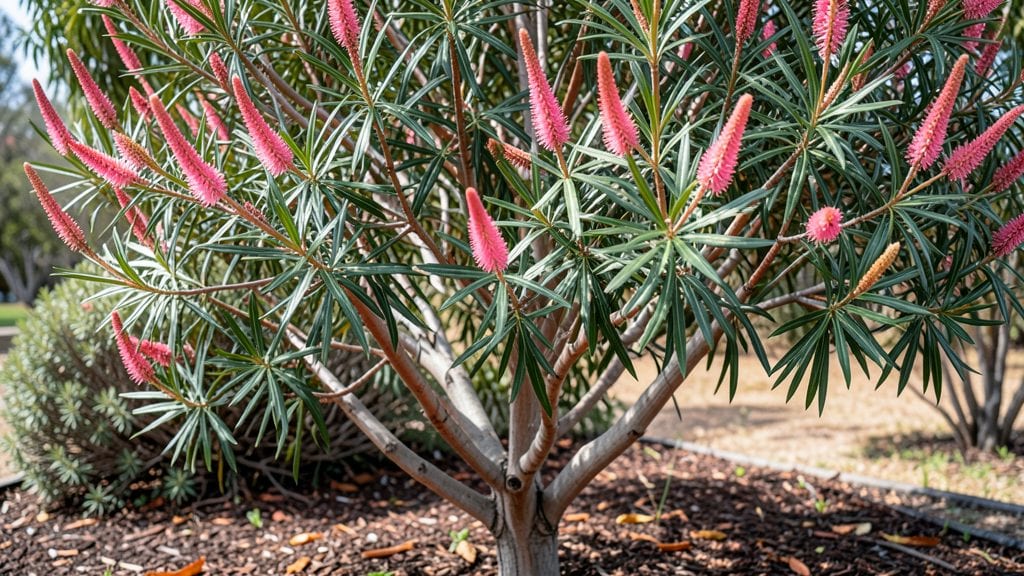
Pink bottle brush trees turn your Pacific Northwest garden into a hummingbird magnet with their vibrant pink blooms that last from spring through fall. 🌸 I planted mine last spring, and within weeks, hummingbirds were zipping through the branches like they owned the place.
These trees aren’t just pretty—they’re tough, thriving in our region’s dry summers and wet winters without complaint.
The secret to their success starts with well-draining soil and full sun—at least 6 hours daily. My tree thrives in a spot where morning sun warms the branches and afternoon shade protects the delicate flowers.
Watering is simple: deep soaks once a week during dry spells, but never soggy soil. The drought tolerance makes them a low-maintenance star for busy gardeners.
By midsummer, your tree will be covered in bottlebrush-like flowers that hummingbirds can’t resist. The foliage stays lush and green year-round, even through our chilly winters. Prune lightly after blooming to shape the tree and encourage next year’s flowers—just avoid heavy cuts that remove too many branches at once.
Perfect for hedges, focal points, or mixed borders, these trees grow 6-10 feet tall and wide, making them ideal for medium-sized gardens. They handle pruning well, so you can shape them into anything from a neat hedge to a dramatic standalone specimen.
With the right care, your pink bottle brush will be the talk of the neighborhood—and the hummingbirds will thank you too.
📚 In This Guide
- What you need
- Instructions
- Tips and common mistakes
- Wrapping up and next steps
What you need
- ● Pink Bottle Brush Tree: 1–3 nursery-grown saplings (3–5 ft tall, containerized for easy transplanting). Choose Callistemon citrinus for vibrant pink blooms or Callistemon viminalis for a weeping habit.
- ● Well-draining soil: Mix 60% native soil with 30% compost and 10% perlite or coarse sand (pH 5.5–7.0). Avoid heavy clay!
- ● Organic mulch: 2–3 inches of wood chips or pine straw to retain moisture and regulate temperature.
- ● Watering can or hose: With a gentle spray nozzle for post-planting hydration.
- ● Garden shovel or trowel: For digging holes (1.5x wider than the root ball).
- ● Pruning shears: Sharp, sterilized shears (for shaping or post-planting trimming).
- ● Gloves: Heavy-duty work gloves to protect from thorns and rough bark.
- ○ Stakes & twine (optional): For young trees in windy PNW sites.
- ● Slow-release fertilizer: 10-10-10 or organic options like fish emulsion (apply in early spring).
- ● Full sun location (6+ hours daily). Partial shade tolerates but reduces blooms.
- ● Drought-tolerant once established, but water deeply 2–3x/week for the first year.
- ● Check local frost dates—plant after the last frost (typically late April–May in PNW).
- ● Pro Tip: 💡 Test soil moisture before watering! Stick your finger 2" deep—if dry, it’s time to hydrate.
How to plant and care for pink bottle brush trees in the Pacific Northwest
Here's the straightforward approach I've used to establish thriving pink bottle brush trees—complete with vibrant blooms that hummingbirds can't resist.
🪴 Step 1: Choose the Right Location and Prepare the Soil
Pink bottle brush (Callistemon) thrives in full sun—at least 6 hours daily—so pick a south-facing site where it gets maximum exposure. In the Pacific Northwest's cooler climate, a spot with afternoon sun works well too. Avoid low areas where cold air settles, as these trees dislike winter moisture around their roots.
Test your soil's drainage first—stick a trowel in and fill the hole with water. If it drains in under 30 minutes, your soil is fine. If not, amend with 2-3 inches of compost and a handful of perlite to improve aeration. These trees hate soggy roots, so prioritize well-draining soil above all else.
🌱 Step 2: Dig the Hole and Plant at the Right Depth
Dig a hole twice as wide as the root ball but no deeper—planting too deep suffocates the tree. Loosen the sides of the hole gently with your hands to encourage root spread. If your tree comes in a container, remove it and massage the roots lightly to untangle any circling growth.
Place the tree in the hole so the top of the root ball sits 1 inch above ground level. This prevents soil from settling later and drowning the trunk. Backfill with native soil, tamping lightly every 2 inches to remove air pockets. Water deeply to settle everything, then add a 2-inch layer of mulch around the base, keeping it 6 inches away from the trunk.
☀️ Step 3: Water Consistently and Protect New Growth
Water deeply 2-3 times per week for the first 6 weeks, until the top 12 inches of soil feels moist. In the Pacific Northwest's damp summers, you'll likely need less—watch for wilting leaves as your cue. Once established, these trees tolerate drought but bloom best with 1 inch of water weekly during dry spells.
Young trees need protection from strong winds, which can damage their delicate branches. If your site is exposed, stake the tree temporarily until it reaches 3 feet tall. Prune any broken branches immediately, but avoid heavy pruning in the first year—let the tree focus on root growth.
✂️ Step 4: Prune for Shape and Encourage Blooms
Prune in late winter or early spring before new growth begins. Remove any dead, damaged, or crossing branches first—cut back to the nearest healthy bud. Then shape the tree by trimming back 1/3 of the previous year's growth to encourage bushier growth and more flowers.
Never prune after June 1st—new growth won't harden off before winter, and you'll lose those vibrant pink blooms. If you notice leggy growth, it's a sign of insufficient light—move the tree or provide afternoon shade in extreme heat to prevent stress.
🌿 Step 5: Feed and Maintain for Season-Long Blooms
Apply a balanced 10-10-10 fertilizer in early spring when new leaves appear, using ½ the recommended dose. Too much nitrogen makes trees grow leaves instead of flowers. In late summer, switch to a low-nitrogen, high-phosphorus fertilizer to encourage next year's blooms.
Monitor for aphids or scale insects, which love bottle brush trees. Spray with neem oil at the first sign of pests—it's organic, effective, and won't harm hummingbirds. With proper care, your tree will reward you with pink bottle brush blooms from late spring to fall, turning your garden into a hummingbird hotspot.
Tips & tricks for perfect pink bottle brush trees in the Pacific Northwest
Here's what I've learned after growing these stunning trees for years—the little details that make all the difference between a struggling plant and a hummingbird magnet.
Location is Everything: In Step 1, when choosing your spot, remember that "full sun" in the Pacific Northwest means at least 6 hours of direct sunlight—morning sun plus afternoon sun works best. I planted mine against a south-facing fence, and it's thrived with just 5 hours of morning sun plus 1 hour of afternoon sun. The key is avoiding those cold, damp winter spots where frost lingers.
Soil Test Matters More Than You Think: That 30-minute drainage test in Step 1 is critical. I once planted one in soil that drained in 45 minutes and watched it struggle for years. If your soil fails the test, mix in 3 inches of compost and 1/4 cup of perlite per cubic foot of soil—this creates the perfect airy environment bottle brush trees love. Think of it as giving your tree's roots a breath of fresh air.
Planting Depth Secret: When you're placing your tree in Step 2, that 1-inch above ground level rule is non-negotiable. I learned this the hard way when I planted one too deep—it took three years to recover. Use a level to check, and if your soil settles later, add more soil around the base rather than burying the trunk further. This small detail prevents root rot and keeps your tree healthy for decades.
Watering Wisdom: During those first 6 weeks in Step 3, don't just water—check the soil moisture. Stick your finger 2 inches down; if it's dry, water deeply. I set a timer for every other day and water until I see moisture at 6 inches deep. Once established, let the soil dry slightly between waterings—these trees are tougher than they look! The 1-inch weekly guideline is perfect for our damp summers, but I often skip watering entirely after heavy rains.
Pro Tips for Pink Bottle Brush Trees
- Here's what I've learned after growing these stunning trees for years—the little details that make all the difference between a struggling plant and a hummingbird magnet.
- Location is Everything: In Step 1, when choosing your spot, remember that "full sun" in the Pacific Northwest means at least 6 hours of direct sunlight—morning sun plus afternoon sun works best.
- Soil Test Matters More Than You Think: That 30-minute drainage test in Step 1 is critical.
Frequently asked questions
Got questions about growing and caring for pink bottle brush trees? You’re not alone! Here are some of the most common queries from gardeners in the Pacific Northwest and beyond—plus the answers you need to keep these hummingbird magnets thriving.
How fast do pink bottle brush trees grow?
Pink bottle brush trees (Callistemon spp.) are fast growers—expect 1–2 feet per year under ideal conditions (full sun, well-draining soil, and regular watering). In the PNW’s mild climate, they can reach 6–10 feet tall in 3–5 years! Prune annually to maintain shape and encourage bushier blooms.
Are pink bottle brush trees cold-hardy?
Most varieties tolerate USDA Zones 8–11, but some (like Callistemon viminalis) handle brief dips to 20°F. In the PNW’s Zone 7–9, protect young trees with mulch or burlap wraps during unexpected freezes. Choose hardier cultivars like ‘Little John’ for cooler microclimates.
How often should I water a pink bottle brush tree?
First year:
Water deeply 2–3 times per week to establish roots. Mature trees: Drought-tolerant once established—water only during prolonged dry spells (PNW summers!). Overwatering causes root rot, so ensure well-draining soil (amend clay with sand or gravel if needed).
Why aren’t my pink bottle brush flowers attracting hummingbirds?
Check these fixes:
- Timing: Blooms peak spring–summer; prune after flowering to encourage reblooms.
- Nectar: Deadhead spent flowers to prompt new growth.
- Pests: Aphids or mites can deter birds—spray with neem oil if infested.
- Location: Plant near feeders or other nectar sources for better visibility.
What’s a good alternative if pink bottle brush is too tall for my yard?
Try these compact, hummingbird-friendly shrubs:
- Dwarf Bottle Brush (Callistemon ‘Little John’) – 3–4 ft tall
- Coral Bells (Heuchera) – 1–2 ft, long blooms
- Salal (Gaultheria shallon) – PNW-native, evergreen
- Fuchsia (Fuchsia magellanica) – 3–5 ft, tubular flowers
Wrapping up and next steps
The pink bottlebrush tree isn’t just a stunning addition to your Pacific Northwest garden—it’s a lifeline for hummingbirds and a year-round showstopper with its vibrant blooms. Whether you’re drawn to its bright pink flowers, resilience, or ecological benefits, this tree promises beauty and joy with minimal fuss.
Ready to transform your outdoor space? Start planning your planting today—your feathered friends (and your neighbors!) will thank you. 🌸🐦