
Pruning
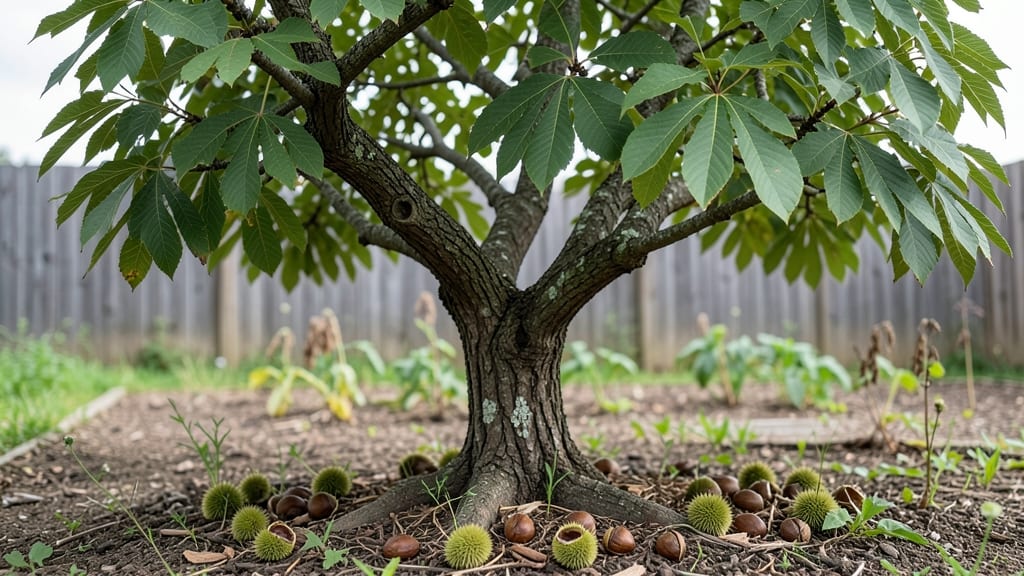
Pruning a wild walnut tree (Juglans nigra) isn’t just about shaping branches—it’s about unlocking a tree that thrives for decades.
I’ve spent years watching these tough natives transform from scraggly saplings into sturdy giants, and the difference between a healthy specimen and one struggling with disease or pests often comes down to timing and technique.
The right cuts at the right seasons mean fewer hollow branches, more abundant nuts, and a tree that stands strong against storms.
Wild walnut trees grow best in USDA zones 3-9, where they handle heat, drought, and poor soil like champions. They’re not picky about sunlight—full sun is ideal, but they’ll tolerate partial shade—though nut production suffers when they’re too shaded.
The real secret? Pruning when the tree is dormant in late winter or early spring, before new growth begins. This minimizes stress and lets you see the tree’s natural structure clearly.
You’ll end up with a tree that produces more nuts, fewer weak limbs, and a canopy that lets light reach the lower branches.
The nuts themselves—rich, buttery, and full of flavor—are worth the effort, but even if you’re growing this tree for its striking bark or shade, the right pruning keeps it strong for generations. Start small with just a few cuts, and you’ll see how much easier it gets each year.
Whether you’re dealing with a young sapling or a mature tree, the same principles apply: remove dead wood first, then thin out crowded branches to improve air flow. And here’s the kicker—wild walnuts release juglone, a natural toxin that can stunt nearby plants, so give them space.
With the right approach, your tree will reward you with shade, beauty, and a harvest that tastes like summer.
📚 In This Guide
- What you need
- Instructions
- Tips and common mistakes
- Wrapping up and next steps
What you need
- ● Pruning shears: Sharp, bypass-style shears (for cuts up to ¾ inch thick). Example: Felco F-2 or Corona Tools.
- ● Loppers: 1 pair (for branches ¾–2 inches thick). Look for: Ratchet-style for ease.
- ● Pruning saw: 1 (for branches 2+ inches thick). Recommended: Curved blade for clean cuts.
- ● Gloves: Heavy-duty, cut-resistant (e.g., Mechanix Wear or gardening-specific).
- ● Safety gear: Safety glasses (to shield from debris).
- ● Long sleeves/pants (to protect from thorns and sap).
- ● Disinfectant: 70% isopropyl alcohol or pruning sealant (to sterilize tools between cuts).
- ● Ladder or stool: Sturdy, tall enough to reach the tree’s canopy safely.
- ● Tarp or drop cloth: 1 (to collect debris and protect the ground).
- ● Pole pruner: Extendable for high branches (e.g., 10–12 ft reach).
- ● Tree wound dressing: (Controversial—skip if your region discourages it!)
- ● Notebook/pencil: To mark cuts or track pruning notes.
- ● Budding oil or pruning paste: For sealing large wounds (if needed).
- ● Knowledge of the tree’s age, health, and species (wild walnut trees are Juglans spp.—identify yours!).
- ● Check local regulations: Some areas restrict pruning near property lines or protected species.
- ● Weather window: Prune on a dry, overcast day (avoid wind or rain).
How to prune a wild walnut tree for long-term health
Pruning isn’t just about shaping—it’s about keeping your wild walnut tree strong and productive year after year.
Assess the Tree in Late Winter Before New Growth Begins
Start your pruning between mid-February and early March when the tree is still dormant but before buds swell. This timing prevents stressing the tree during active growth. Look for dead, diseased, or crossing branches—these are your top priorities. Dead wood is easy to spot: it’s brittle, often gray or black, and doesn’t bleed sap when cut.
Next, identify branches that rub against each other or grow inward. These create wounds that invite pests and disease. Use a pruning saw or loppers to make clean cuts just outside the branch collar—the swollen area where the branch meets the trunk. Avoid leaving stubs, as they trap moisture and rot.
Thin the Canopy in Early Summer After Heavy Leaf-Out
Wait until June or July, when the tree has fully leafed out, to thin the canopy. Focus on removing overcrowded branches—these compete for sunlight and nutrients. Aim to open the center of the tree by 20-30% to improve airflow and light penetration. You’ll see healthier foliage and fewer walnut husks on the ground, which signal poor health.
Make your cuts just above an outward-facing bud or lateral branch. Avoid cutting back to a stub—this weakens the tree’s structural integrity. If a branch is too thick for loppers, use a pruning saw and make the cut at a 45-degree angle to prevent water from pooling in the wound.
Remove Suckers and Water Sprouts in Late Summer
By August or September, new growth slows, making it the ideal time to tackle suckers—vigorous shoots sprouting from the base or roots—and water sprouts—fast-growing vertical shoots. These drain energy from the main tree. Use hand pruners to snip suckers at ground level and loppers for thicker water sprouts, cutting just above a bud or lateral branch.
Don’t skip this step—suckers and water sprouts multiply quickly and can weaken the tree’s root system. If you’re unsure whether a shoot is a sucker or a new leader, wait until next year’s growth to confirm. Healthy branches will have multiple buds, while suckers often have just one or two.
Lightly Prune for Shape in Early Fall Before Dormancy
In October or November, give your tree a final light pruning to refine its shape. Focus on deadheading—removing any remaining diseased or damaged branches—and thinning out any branches that still block light from reaching the center. This final cut encourages the tree to prepare for winter without stressing its system.
Keep cuts minimal—no more than 10-15% of the tree’s total foliage. Avoid heavy pruning now, as the tree needs energy to harden off for winter. Use sterilized tools to prevent introducing pathogens, and clean your pruners with rubbing alcohol between cuts.
Monitor and Maintain Year-Round
Pruning doesn’t stop after the seasons. Keep an eye on your tree throughout the year for new suckers, dead branches, or signs of disease like fungal growth or oozing sap. If you notice walnut husks falling prematurely, it could signal stress—adjust your pruning approach for the following year.
Every 3-5 years, reassess the tree’s structure. Older wild walnut trees benefit from crown raising—removing lower branches to improve access and reduce weight on the trunk. Always prune on a dry day to prevent spreading disease through wet tools or wounds.
Tips & tricks for pruning your wild walnut tree
Pruning a wild walnut tree isn't just about aesthetics—it's about maintaining its health and productivity. Here are the key insights I've learned from years of working with these trees that'll make all the difference in your pruning approach.
Seasonal Timing is Everything: The specific timing in each step is critical because it aligns with the tree's natural growth cycles. In Step 1, pruning between mid-February and early March when the tree is dormant but before buds swell prevents stressing the tree as it prepares for new growth. This timing also makes it easier to identify dead wood since it's more obvious against the bare branches. In Step 2, waiting until June or July when the tree has fully leafed out lets you see the full extent of overcrowding and make more informed decisions about which branches to remove.
Branch Collar Awareness: One mistake I see often is cutting too close to or too far from the branch collar. Always make your cuts just outside this swollen area where the branch meets the trunk. This collar contains protective cells that help the wound heal properly. In Step 1 and Step 2, when you're removing dead or crossing branches, take your time to identify this collar—it's often hidden but crucial for the tree's recovery. If you're unsure, look for the slight swelling at the base of the branch where it meets the trunk.
Visual Cues for Healthy Growth: In Step 3, when dealing with suckers and water sprouts, here's what to watch for: Healthy branches will have multiple buds along their length, while suckers often have just one or two at the tip. Also, healthy branches grow at an angle rather than straight up. These visual cues help you distinguish between beneficial growth and energy-draining sprouts. In Step 2, aim to open the center of the tree by 20-30%—this means you should be able to see light filtering through the canopy when you stand underneath.
Tool Sterilization Matters: I can't stress this enough: Always sterilize your pruning tools between cuts, especially in Step 4 when you're dealing with potentially diseased branches. Use rubbing alcohol on your pruners, loppers, and saw between each cut to prevent spreading pathogens. This simple step can make the difference between a healthy tree and one that develops infections. Also, make sure your tools are sharp—dull tools crush branches rather than making clean cuts, which increases the risk of disease.
Pro Tips for Wild Walnut Tree
- Pruning a wild walnut tree isn't just about aesthetics—it's about maintaining its health and productivity.
- Seasonal Timing is Everything: The specific timing in each step is critical because it aligns with the tree's natural growth cycles.
- Branch Collar Awareness: One mistake I see often is cutting too close to or too far from the branch collar.
Frequently asked questions
Got questions about pruning your wild walnut tree? Here are some of the most common ones—plus straightforward answers to keep your tree thriving!
When is the best time to prune a wild walnut tree?
The ideal window is late winter or early spring (just before buds swell), when the tree is dormant but about to wake up. Avoid pruning in fall—it can stimulate new growth that won’t harden off before winter, leaving branches vulnerable to cold damage. Pro tip: If you must prune in summer, do it early and avoid heavy cuts to prevent stress.
Can I prune a wild walnut tree in summer or fall?
Summer pruning is possible but risky—stick to light trimming (like removing dead branches) in early summer. Fall pruning is not recommended for wild walnut trees, as it can encourage late-season growth that’s prone to disease or winter dieback. If you have no choice, prune in early fall (September) and avoid heavy cuts.
How do I know if I’m over-pruning my wild walnut tree?
Over-pruning happens when you remove more than 20-25% of the canopy in a single session. Signs include excessive water sprouts (suckers), yellowing leaves, or a weak, sparse growth pattern. Wild walnut trees are resilient but benefit from gradual pruning—space cuts over 2-3 years if needed.
What if my wild walnut tree bleeds sap after pruning?
Sap bleeding (especially in late winter/early spring) is normal for walnut trees and won’t harm the tree. It’s the tree’s way of healing. To minimize mess, prune on dry days and avoid cutting into large branches—smaller cuts seal faster. Pro tip: Apply a thin layer of pruning sealant to cuts larger than 2 inches for extra protection.
Can I prune a young wild walnut tree the same way?
Young trees (under 5 years old) need minimal pruning—focus on removing dead, diseased, or crossing branches. Avoid heavy structural cuts, as wild walnut trees establish their root systems slowly. For saplings, prioritize air circulation and sunlight access to the center of the tree to prevent fungal issues.
Wrapping up and next steps
Pruning your wild walnut tree isn’t just about aesthetics—it’s a year-round commitment to its health, productivity, and longevity. 🌳 By following seasonal best practices, you’ll encourage stronger growth, better nut yields, and a safer environment for your tree (and your neighbors!).
Whether you’re trimming in winter’s dormancy or summer’s growth spurt, every cut is a step toward a thriving, resilient tree.
Ready to roll up your sleeves? Start small—pick one season to focus on first, gather your tools, and observe how your tree responds. Over time, you’ll become a pruning pro, and your wild walnut will reward you with years of lush foliage and bountiful harvests. Happy pruning! 🌟