Pruning
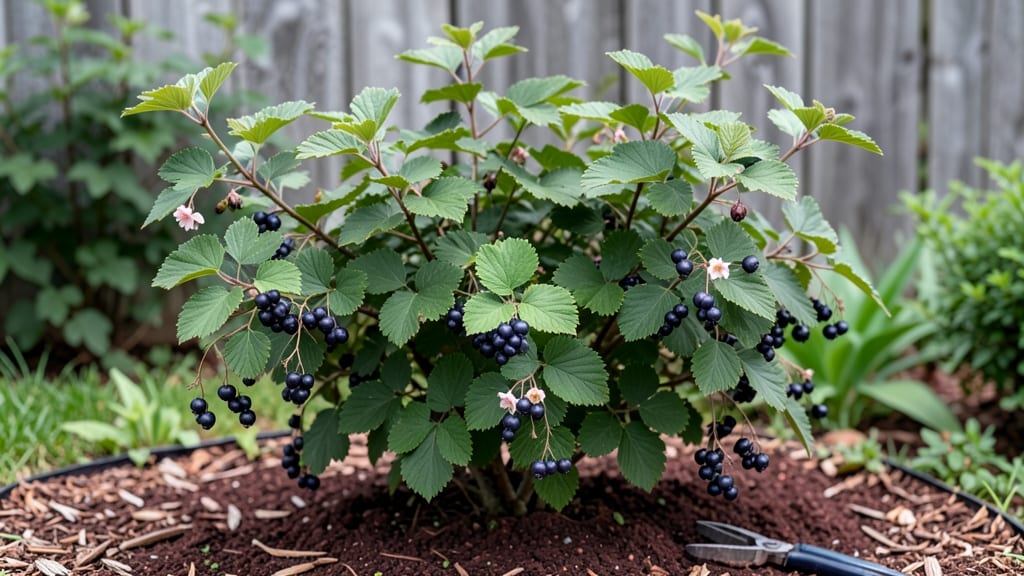
Pruning a black currant tree isn’t just about shaping branches—it’s the secret to year-round abundance of those tart-sweet berries we all love. 🌿 I’ve learned the hard way that skipping pruning means fewer fruits, more disease, and a tangled mess by summer.
The key is timing: winter’s the best season to reset growth, but summer trims keep the harvest coming.
You’ll need sharp pruners, a ladder (for taller trees), and about 30 minutes to start. Focus on removing dead wood first, then thin out crowded branches to improve airflow.
Black currants respond well to pruning—cut just above outward-facing buds to encourage fruit-bearing growth. It’s not rocket science, but it does require patience and a steady hand.
The payoff? A tree that produces heavier, sweeter berries for years to come, with fewer pests and diseases clinging to the branches. By late summer, you’ll see fresh growth where you made cuts, setting the stage for next year’s harvest.
Plus, the tree’s shape stays neat—no more tangled limbs blocking your yard.
Works for both new plantings and established trees—just adjust the intensity. Beginners should start small, while experienced gardeners can get creative with espalier or multi-trunk training. Let’s get those pruners ready!
📚 In This Guide
- What you need
- Instructions
- Tips and common mistakes
- Wrapping up and next steps
What you need
- ● Pruning shears: Bypass pruners (for cuts up to ½ inch in diameter). Example: Felco F-2 or Corona Classic.
- ● Loppers: For branches ½ to 1½ inches thick. Example: Fiskars X27 or Bahco Forester.
- ● Pruning saw: For thicker branches (1½+ inches). Example: Felco F-3 or a folding pruning saw.
- ● Disinfectant: 70% isopropyl alcohol or a 10% bleach solution (1 part bleach to 9 parts water) to sterilize tools between cuts.
- ● Gloves: Heavy-duty gardening gloves (to protect against thorns and sap). Example: Dr. McGregor’s or Fox River.
- ● Rubbing alcohol or hand sanitizer: For cleaning hands after handling sap (which can irritate skin).
- ● 5-gallon bucket or trash bag: For collecting pruned branches and debris.
- ● Permanent marker: To label branches if you’re training or identifying specific cuts.
- ● Tree wound paint or pruning sealant: Controversial but useful for large cuts (e.g., Tanglefoot Tree Wound Pruning Seal). Note: Many experts recommend skipping this for black currants.
- ● Ladder or stump: For taller trees (ensure it’s stable and non-slip).
- ● Sharpener: A file or sharpening stone to maintain tool edges.
- ● Notebook & pen: To jot down pruning notes or track growth patterns.
- ● Compost bin: To recycle pruned branches into nutrient-rich compost.
- ● Knowledge of basic tree anatomy: Familiarize yourself with terms like leader, scaffold branches, and water sprouts.
- ● Weather check: Prune on a dry, calm day (avoid rain or wind).
- ● Tree health assessment: Ensure your black currant tree is free of disease (e.g., white pine blister rust) before pruning.
- ● Plan your cuts: Sketch a rough outline of your pruning strategy before you start.
Instructions for pruning your black currant tree
Strategic pruning keeps your black currant tree productive, healthy, and full of berries—here’s how to do it right.
✂️ Step 1: Prune for Structure in Late Winter
Start in late winter or early spring before buds swell but while the tree is still dormant. This is when you’ll shape the tree’s framework and remove dead or crossing branches. Use clean, sharp pruners to make cuts just outside the branch collar—the swollen area where the branch meets the trunk.
Remove any branches that are dead, diseased, or rubbing against others. I always look for branches growing inward or crossing others—they’ll compete for sunlight and nutrients. Thin out crowded areas to improve airflow, which prevents fungal diseases like powdery mildew. Keep the main branches evenly spaced, aiming for an open center that lets light reach all parts of the tree.
🌿 Step 2: Encourage Fruit Production in Early Spring
Once new growth appears in early spring, focus on stimulating fruit production. Black currants bear fruit on one-year-old wood, so avoid cutting back last year’s growth unless it’s weak or diseased. Instead, prune lightly to remove any suckers (shoots growing from the base) and water sprouts (vertical shoots growing from the trunk or branches).
Shorten some of the older branches by about one-third to encourage new, vigorous growth. This rejuvenates the tree and ensures a steady supply of fruiting wood. Watch for buds along the branches—these will become next year’s fruit clusters. If a branch has no buds, it’s safe to remove it entirely.
☀️ Step 3: Maintain Airflow and Light During the Growing Season
Throughout the growing season, keep an eye out for branches that are growing too densely or blocking sunlight from reaching the center of the tree. In summer, you can do light pruning to remove any suckers or water sprouts that appear. Use hand pruners for smaller branches and loppers for thicker ones.
If you notice any dead or diseased branches, remove them immediately to prevent the spread of infection. Black currants are susceptible to anthracnose, so prune out any affected leaves or branches and dispose of them in the trash—not the compost. Thin out the canopy slightly to ensure all parts of the tree get at least 6 hours of sunlight daily.
⏰ Step 4: Light Cleanup in Late Fall or Early Winter
After the tree has finished fruiting, do a final cleanup in late fall or early winter before dormancy sets in. Remove any dead, diseased, or weak branches that may have appeared during the growing season. This keeps the tree tidy and reduces the risk of pests or diseases overwintering.
Give the tree one last look for any crossing branches or shoots growing in the wrong direction. Trim them back to maintain the tree’s shape and encourage healthy growth. Avoid heavy pruning at this time—you want the tree to enter dormancy with its energy reserves intact. A light cleanup is all that’s needed to prepare for next year’s growth.
Tips & tricks for perfect black currant tree pruning
Here's what nobody tells you about keeping your black currant tree thriving year after year.
Timing is Everything: In Step 1, when pruning for structure in late winter, look for the "right" moment—when buds are still tightly closed but the tree has broken dormancy. I test by gently squeezing a bud; if it feels firm, it's too early. If it starts to swell slightly, that's your window. This ensures you're not cutting back growth that could have produced fruit this season.
Branch Collar Matters: When making cuts in Step 1, focus on the branch collar—the swollen area where the branch meets the trunk. Cut just outside this collar, never flush with it. This prevents damage to the tree's healing mechanism and helps wounds seal properly. I've seen many gardeners cut too close, which creates entry points for diseases.
One-Third Rule for Rejuvenation: In Step 2, when shortening older branches by about one-third, I recommend doing this gradually over 2-3 years rather than all at once. This prevents shock to the tree. For example, if you have a particularly vigorous branch, you might reduce it by 10% each year until you reach that one-third reduction. The tree will thank you with better fruit production.
Sunlight Monitoring: Throughout the growing season (Step 3), keep track of sunlight hours using a simple sunlight gauge or app. Aim for at least 6 hours of direct sunlight reaching the center of the tree. I've found that black currants produce their best fruit when they receive consistent sunlight—even if it's just morning sun. Partial shade can reduce both quantity and quality of berries.
Pro Tips for Black Currant Tree
- Here's what nobody tells you about keeping your black currant tree thriving year after year.
- Timing is Everything: In Step 1, when pruning for structure in late winter, look for the "right" moment—when buds are still tightly closed but the tree has broken dormancy.
- Branch Collar Matters: When making cuts in Step 1, focus on the branch collar—the swollen area where the branch meets the trunk.
Frequently asked questions
Got questions about pruning your black currant tree?
You’re not alone! Whether you're a first-time gardener or a seasoned pruner, these answers will help you keep your tree thriving year-round.
When is the best time to prune a black currant tree?
The ideal time to prune black currant trees is late winter or early spring, just before new growth begins (around February–March in most climates). This timing promotes healthy regrowth and prevents disease spread. Avoid pruning in fall, as it can leave wounds vulnerable to fungal infections. Pro tip: Prune on a dry day to minimize sap loss and reduce stress on the tree.
How often should I prune my black currant tree?
Prune your black currant tree annually to maintain shape, improve airflow, and boost fruit production. Focus on removing dead, diseased, or crossing branches first. For established trees, a light annual trim (10–20% of the canopy) is usually sufficient. If your tree is overgrown, spread pruning over 2–3 years to avoid shocking it.
What should I do if my black currant tree isn’t fruiting after pruning?
Lack of fruit could stem from several issues: over-pruning (cutting too aggressively), poor nutrition (low nitrogen or potassium), or disease (like white pine blister rust). Check for healthy buds—if they’re present but no fruit forms, fertilize with a balanced 10-10-10 mix in early spring. Also, ensure the tree gets 6–8 hours of sunlight daily and well-draining soil.
Can I prune black currant trees in summer?
While you can prune black currant trees in summer, it’s not ideal because:
- Stress risk: Summer pruning can shock the tree, especially in hot climates.
- Fruit impact: Removing branches may reduce the current year’s crop.
- Disease risk: Open wounds heal slower in warm, humid conditions.
If you must prune in summer, do so early (June) and only remove dead/diseased wood. Save major shaping for winter!
Are there alternatives to black currant trees for small gardens?
If space is limited, consider these low-maintenance alternatives:
| Plant | Pros | Cons |
|---|---|---|
| Red or white currants | Disease-resistant, compact, and easy to prune | Smaller berries, may require more thinning |
| Gooseberries | Thrives in partial shade, fewer pests | Can be thorny, needs support for heavy fruit |
| Dwarf apple trees | Versatile, cold-hardy, and productive | Requires more pruning expertise |
For berry lovers, try jostaberry (a currant-gooseberry hybrid) for a hardy, compact option!
Wrapping up and next steps
Pruning your black currant tree isn’t just about shaping—it’s the secret to bountiful harvests and healthier growth year after year! 🌿 By mastering the art of strategic trimming, you’ll boost air circulation, prevent disease, and unlock that sweet, tangy fruit potential.
Whether you’re a seasoned gardener or just starting out, consistent care pays off—so grab those shears and get ready to enjoy the rewards!
Ready to take the next step? Start small—pick one season to focus on (like winter or early spring) and build your confidence. Before you know it, you’ll be a black currant pruning pro, savoring homegrown abundance with every bite! 🍇